
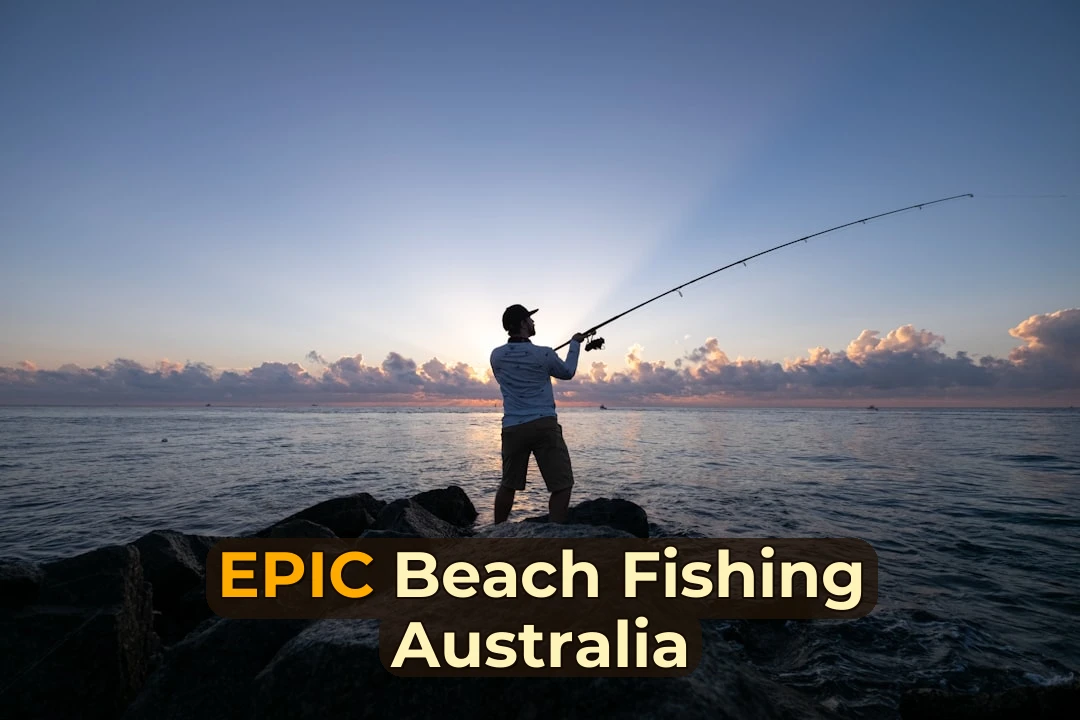
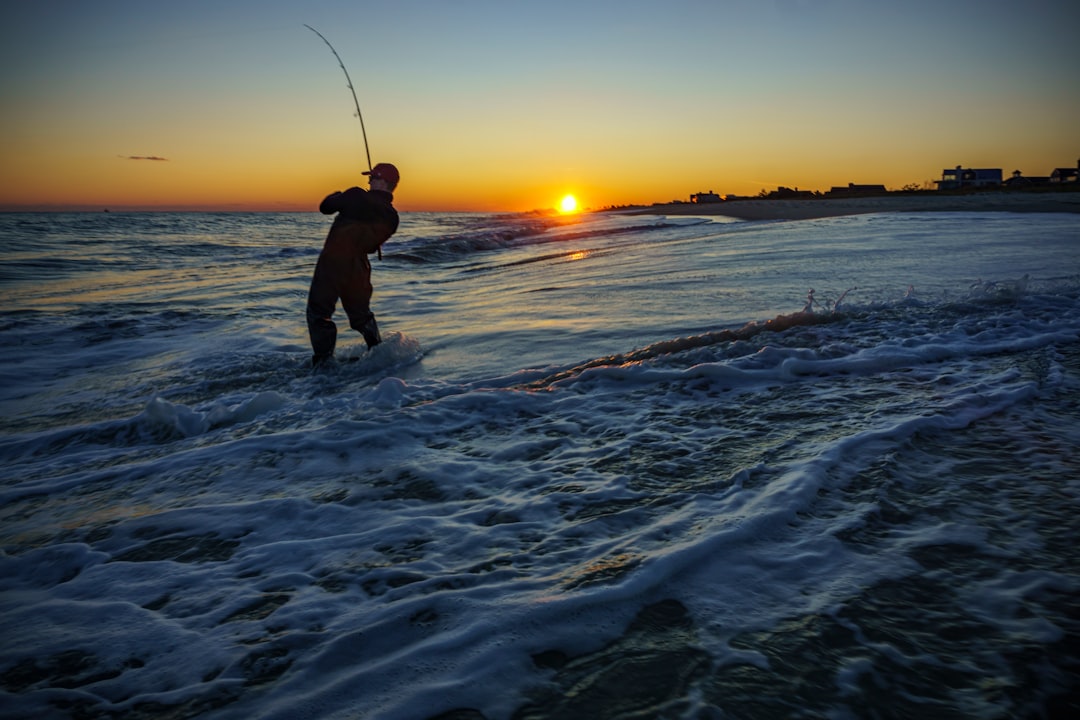
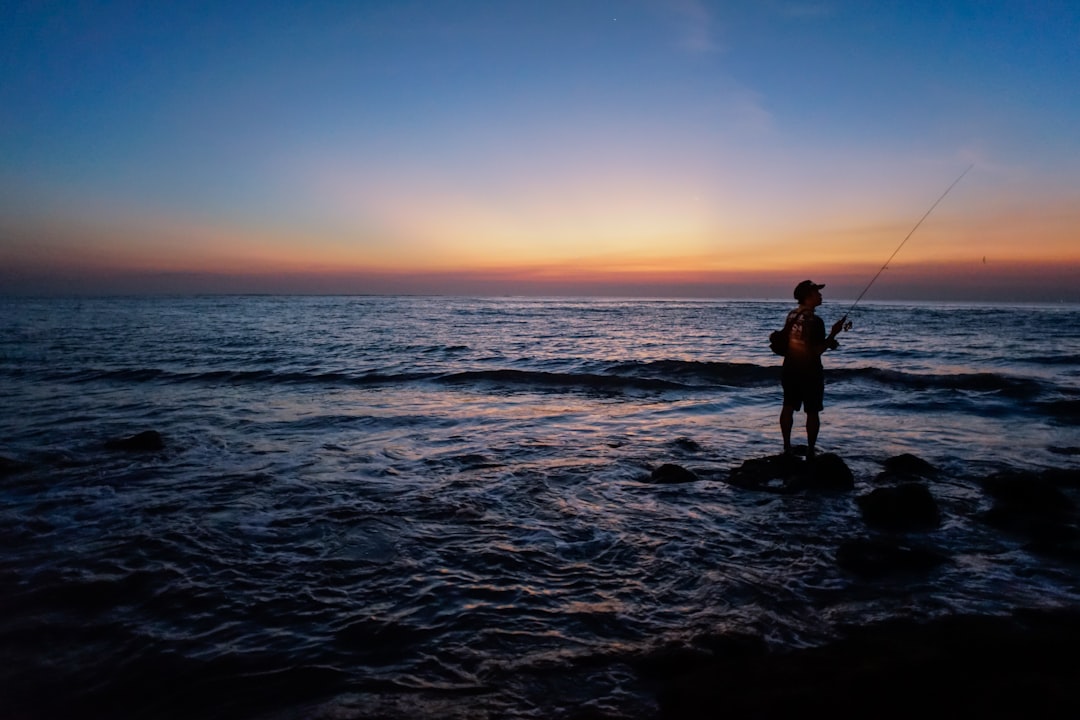
What if I told you that the most dangerous moment in beach fishing isn’t when the fish strikes, but when you’re standing knee-deep in cold surf, realizing your anchor line has tangled with a hidden reef? This isn’t just about the thrill of the catch; it’s about understanding that the ocean is a living, breathing entity with its own complex rules. Beach fishing in Australia offers an unparalleled connection to the coastline, from the rugged shores of Western Australia to the vibrant reefs off Queensland’s east coast. However, this connection comes with a steep learning curve and significant risks if one underestimates the environment. The ocean doesn’t care about your credentials; it only respects your preparation and respect for its power. To truly master this art, you must move beyond the simple act of casting a line and begin to read the water, respect the tides, and build gear that can survive the punishing elements of salt, sun, and sand.
The Tide’s Hidden Grammar (Understanding the Invisible Currents)
Many beginners believe that beach fishing is a game of patience and random casting. It isn’t. It is a study in physics, specifically fluid dynamics applied to the coastal interface. The most critical factor in successful beach fishing is not where you stand, but when you stand there relative to the tide. The movement of water dictates the movement of food, and consequently, the movement of fish.
Decoding Australian Tidal Patterns
Australia’s coastline is vast, and tidal behaviours vary dramatically depending on your location. On the East Coast—from Queensland through New South Wales to Victoria—the tides are generally moderate to large, creating significant fluctuations in water depth over a 12-hour cycle. This movement creates powerful rips and scouring channels that concentrate baitfish.
In contrast, the West Coast of Australia experiences minimal tidal ranges in many areas, meaning water levels remain relatively stable. Here, fishing success relies less on tidal movement and more on ocean swells and lunar cycles. Understanding this distinction is vital for selecting your fishing grounds.
The Science of Rips and Sandbars
Sandbars are the underwater ridges that form parallel to the shore. They act as natural barriers, forcing waves to break and creating zones of differing water pressure. Fish, particularly species like Australian Salmon and Tailor, utilise these pressure differentials to conserve energy while waiting for bait to be washed over the bar.
The “gap” between sandbars is where the magic happens. These gaps often house rips—fast-moving currents that flow away from the shore. Rips are essentially underwater highways for baitfish, which in turn attract predators. To catch these fish, you must cast beyond the first break and retrieve through the rip zone where the water is moving.
“The ocean communicates its secrets through movement. If you aren’t watching the water, you’re just guessing.”
Key Takeaways:
* East Coast vs. West Coast: East coast fishing is heavily influenced by tidal range and rip currents; west coast fishing relies more on swell patterns.
* Sandbar Dynamics: Fish hold in the troughs and gaps between sandbars, not necessarily on top of them.
* Tidal Windows: The “turning tide” (when the water stops moving and changes direction) is often the most productive time for feeding activity.
The Gear That Doesn’t Fail (Building a Resilient Kit)
Beach fishing environments are brutal. Saltwater corrosion, abrasive sand getting into reel mechanisms, and the sheer physical force of a large fish dragging you off your feet can destroy inferior equipment within minutes. Investing in gear that is designed specifically for these conditions is not an luxury; it is a necessity.
Rod and Reel Selection
For most beach fishing scenarios in Australia, a heavy-action rod paired with a high-quality saltwater reel is the standard. The rod needs to be long (3.0m to 4.5m) to allow for casting heavy weights over breaking waves without snagging the line on the surf.
* Rod Material: Fibreglass rods offer durability and forgiveness, while graphite rods provide sensitivity but are more brittle. A composite blank often offers the best balance for beginners.
* Reel Maintenance: Salt crystals will eat your reel gears if not flushed with fresh water after every trip. Look for reels with stainless steel or corrosion-resistant alloy components.
Leaders and Lines
The choice of line affects your success rate significantly. Monofilament stretches, which can be an advantage when fighting strong fish as it absorbs shocks, but it has high visibility in clear water. Braided line offers zero stretch and extreme sensitivity, allowing you to feel even the slightest nibble from bottom-dwelling species like Snapper.
However, braid is weak against abrasion. This is where the leader becomes critical. Fluorocarbon leaders are nearly invisible in water and resist abrasion from rocks and shells far better than nylon. For rough structures, a wire leader is non-negotiable when targeting toothy species like Sharks or Trevally.
“No gear is indestructible. The difference between a premium reel and a budget one isn’t just performance; it’s the quality of the seals that keep sand out during a wipe-out.”
The Budget vs. Premium Trade-off
It is easy to fall into the trap of buying cheap gear when starting out. While you can catch fish on budget equipment, the failure rate in beach conditions is exponentially higher. A $100 reel might survive a few trips, but the cost of replacing it after sand gets into the drag system often outweighs buying a quality $200 reel initially.
Safety Note: Always use a safety snap or swivel when fishing in surf conditions where you might hook large rocks or logs. The cost of losing a $5 swivel is far less than losing a $100 lure or hooking a submerged object that could injure you when fighting the fish.
Reading the Water’s Surface (Spotting the Feeders)
Once you have your gear ready, the next skill to master is observation. The surface of the ocean tells a story if you know how to read it. Blind casting is inefficient; targeted observation is the mark of an expert angler.
Bird Activity and Feeding Zones
Birds are nature’s fish finders. Look for gulls, cormorants, and terns diving into the water or circling in tight groups. This behaviour often indicates that baitfish are being driven to the surface by predators.
* Diving Birds: If you see birds plunge-diving, they are likely chasing Pilchards or Blueys. Cast near these activity zones, but keep a safe distance so you don’t spook the school.
* Circling Birds: If birds are circling slowly, they may be stoking up on bait near the bottom. This is a good indicator for bottom-feeding species like Snapper or Bream.
Water Colour and Structure
Pay attention to the colour of the water. Darker patches often indicate deeper holes or channels where fish may be holding in cooler, oxygen-rich water. Lighter, sandy areas are usually shallower and less productive for larger predators.
Look for “surface boils”—bubbles or disturbances on the water. This can be caused by baitfish feeding near the surface or larger predators chasing them. These areas are high-traffic zones for fish and offer excellent opportunities for casting.
Did you know?
In many parts of Australia, the “mudline” or a distinct change in water colour can indicate an estuary mouth or freshwater outflow. These areas are nutrient-rich and attract a wide variety of species, making them prime fishing spots even during low tide.
The Art of the Cast and Retrieve (Technique Over Power)
Casting in the surf is an art form that requires technique, not just brute strength. Over-casting into the wind or casting too close to the breaking waves will result in tangles and missed opportunities.
Mastering the Overhead Cast
The overhead cast is the foundation of beach fishing. To execute this:
1. Stance: Stand with your feet shoulder-width apart, facing the target.
2. Backcast: Bring the rod back smoothly until it is behind you, feeling the weight of the lure or sinker.
3. Forward Cast: Swing the rod forward in a smooth arc, releasing the line at the optimal point—usually when the rod is pointing slightly above your target.
Common Beginner Mistake: Most beginners cast with a jerky motion, which causes tangles. Smoothness is key. Practice with a weighted lure on dry land before heading to the beach.
Retrieving for Success
Casting is only half the equation; retrieval is where you hook fish. The speed and method of your retrieve should mimic natural prey.
* Slow Retrieve: Effective for bottom-dwelling species like Snapper or Flathead. Use a steady, slow hand speed to keep your bait on the bottom.
* Fast Retrieve: Ideal for pelagic species like Tailor or Salmon. Use a fast retrieve with occasional pauses to trigger strikes from aggressive fish.
Expert Tip: Experiment with different retrieval speeds. Sometimes, a sudden stop in your retrieve can trigger a strike from a cautious fish that is tracking your lure.
Wind Management
Fishing into the wind is challenging but often rewarding, as wind can push baitfish toward shore. To cast into strong winds:
* Use heavier weights to punch through the air resistance.
* Keep your casting arc lower to reduce wind drag on the line.
* Consider using a “roll cast” if casting directly into the wind is too difficult with an overhead cast.
Narrative Insights: Stories from the Sand
Story 1: The “Silent” Snapper Strike
It was a crisp morning on the East Coast, and I was targeting Red Snapper near a rocky outcrop. Unlike Saltwater Crocodiles or aggressive Barracuda, Snapper are subtle feeders. I felt a gentle tug, almost like a leaf drifting against my rod tip. Most anglers would have missed this entirely, assuming it was just the current. I set the hook gently, and the fight began—a slow, powerful tug-of-war that tested every inch of my drag system. This experience taught me that not all strikes are violent; some are whispers, and you must listen closely.
Story 2: The Tide Turn Disaster
A few years ago, I watched a friend ignore the tide tables in his excitement. He had set up on a exposed sandbar, and as he was reeling in his lunch break, the tide turned faster than expected. Within minutes, he was cut off by rising water and had to scramble back to the car, soaked and frustrated. This incident highlights the critical importance of checking local tide charts before stepping onto the sand. The ocean is not a static playground; it is a dynamic system that changes rapidly.
Story 3: The Unexpected Catch
On a trip to the South Coast, I hooked what felt like a heavy log. As I pulled it in, it wriggled free—it was a large Moray Eel. While not a target species for eating, it was a fascinating glimpse into the biodiversity of our waters. This catch reminded me to respect all marine life, whether it’s edible or not, and to practice ethical fishing practices by releasing non-target species safely.
Conclusion: A Lifelong Learning Process
Beach fishing in Australia is not just a hobby; it is a lifelong journey of learning and adaptation. The ocean will always have more to teach you, from the subtle changes in bird behaviour to the shifting sands of the coast. By understanding the hidden grammar of the tides, building resilient gear, and mastering the art of reading the water, you can transform your beach fishing experience from a random activity into a skilled pursuit.
Remember, the next wave is not just about catching a fish—it’s about deepening your relationship with the coast. What will you learn from the next wave?
“The ocean doesn’t care about your credentials; it only respects your preparation and respect for its power. Your next cast isn’t just about catching a fish—it’s about deepening your relationship with the coast. What will you learn from the next wave?”
Frequently Asked Questions
What are the key differences between East Coast and West Coast beach fishing in Australia?
The primary difference lies in tidal influence. On the East Coast (Queensland to Victoria), tides are moderate to large, creating significant water depth fluctuations and powerful rips that concentrate baitfish. Success here relies heavily on understanding these tidal movements. In contrast, the West Coast experiences minimal tidal ranges with relatively stable water levels. Therefore, fishing success on the West Coast depends less on tide changes and more on ocean swells and lunar cycles. Understanding this distinction is vital for selecting appropriate fishing grounds.
How should I select and maintain rod, reel, and line gear for surf fishing?
Use a heavy-action rod (3.0m to 4.5m) paired with a high-quality saltwater reel featuring corrosion-resistant components like stainless steel. Fibreglass offers durability, while graphite provides sensitivity; composites are best for beginners. For line, braid offers sensitivity but requires a fluorocarbon leader to resist abrasion from rocks. In rough structures with toothy species like Sharks or Trevally, use a wire leader. Crucially, flush your reel with fresh water after every trip to prevent salt crystals from destroying the gears. Always use a safety snap or swivel to protect expensive lures and prevent injury from snagging submerged objects.
When is the most productive time to fish on the beach?
The ‘turning tide’—when the water stops moving and changes direction—is often the most productive time for feeding activity. This is when baitfish move, triggering predator responses. Additionally, observe surface indicators: diving birds (like gulls or terns) chasing Pilchards or Blueys indicate active feeding zones near the surface, while circling birds suggest bait near the bottom, ideal for species like Snapper or Bream. Look for ‘surface boils’ or changes in water colour, such as a mudline indicating an estuary mouth, which are nutrient-rich hotspots even during low tide.
How much should I budget for beach fishing gear to ensure reliability?
While you can catch fish on budget equipment, the failure rate in harsh beach conditions is exponentially higher. A $100 reel might survive a few trips, but the cost of replacing it after sand enters the drag system often outweighs buying a quality $200 reel initially. Investing in premium gear provides better seals against sand and salt corrosion. Additionally, always budget for a $5 swivel or safety snap; losing this cheap component is far less costly than losing a $100 lure or risking injury from snagging large submerged rocks.


Be the First to Comment
Sign in to start the conversation.