
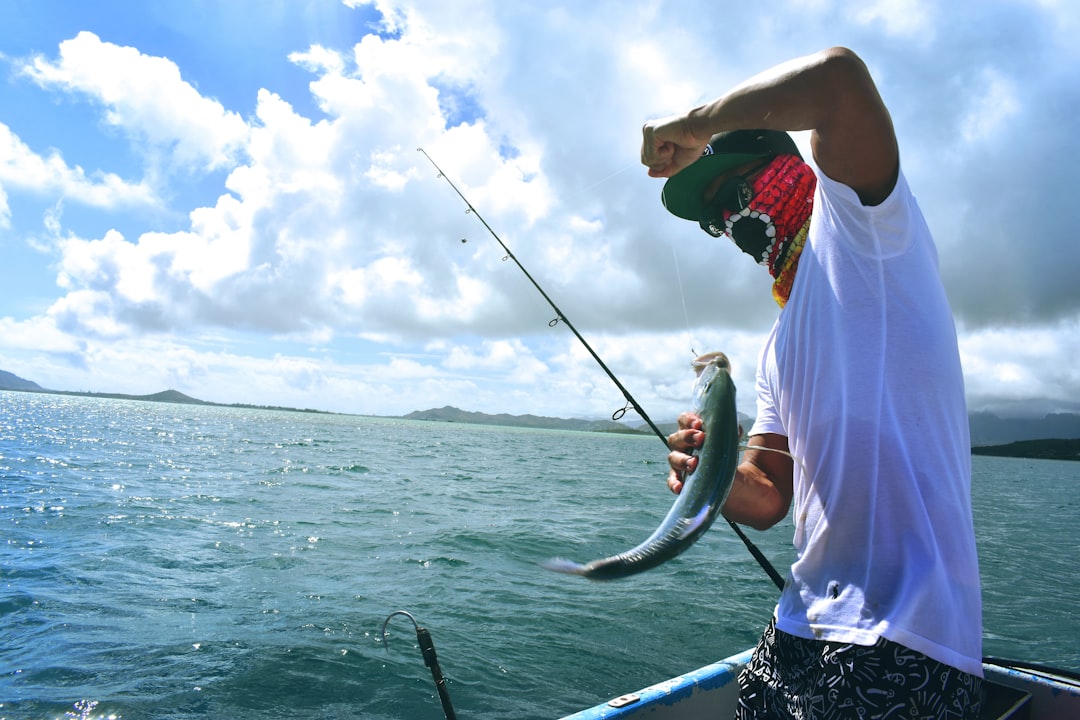
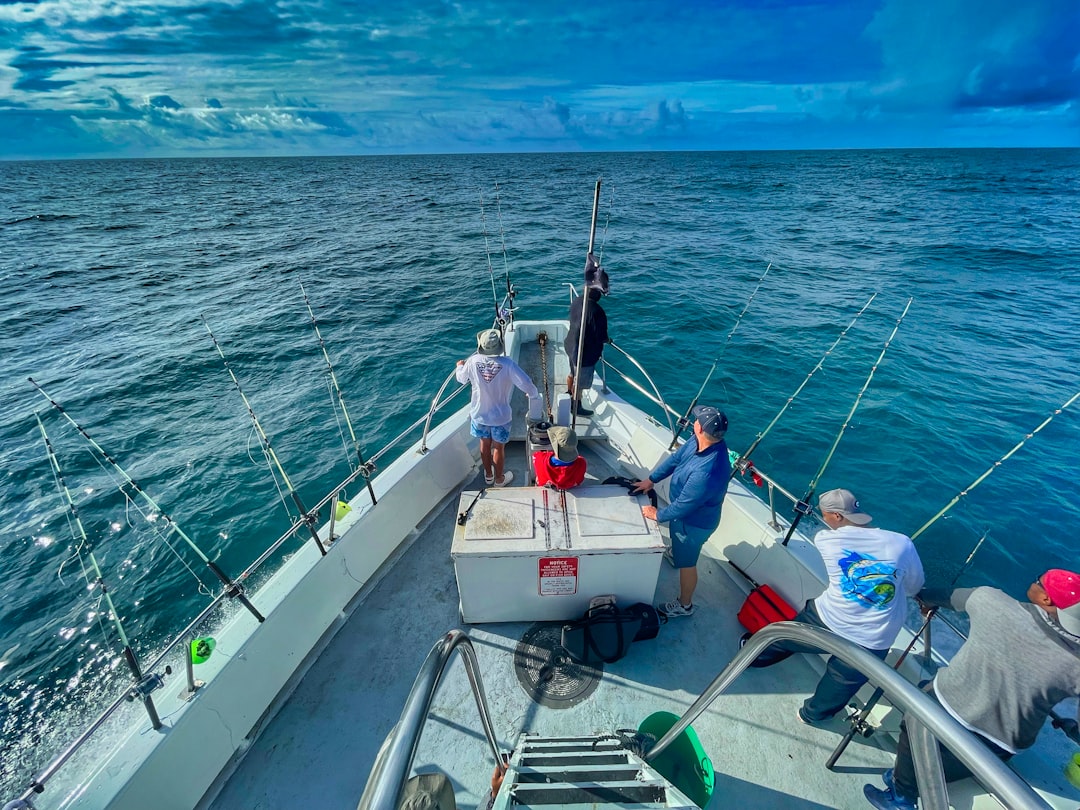
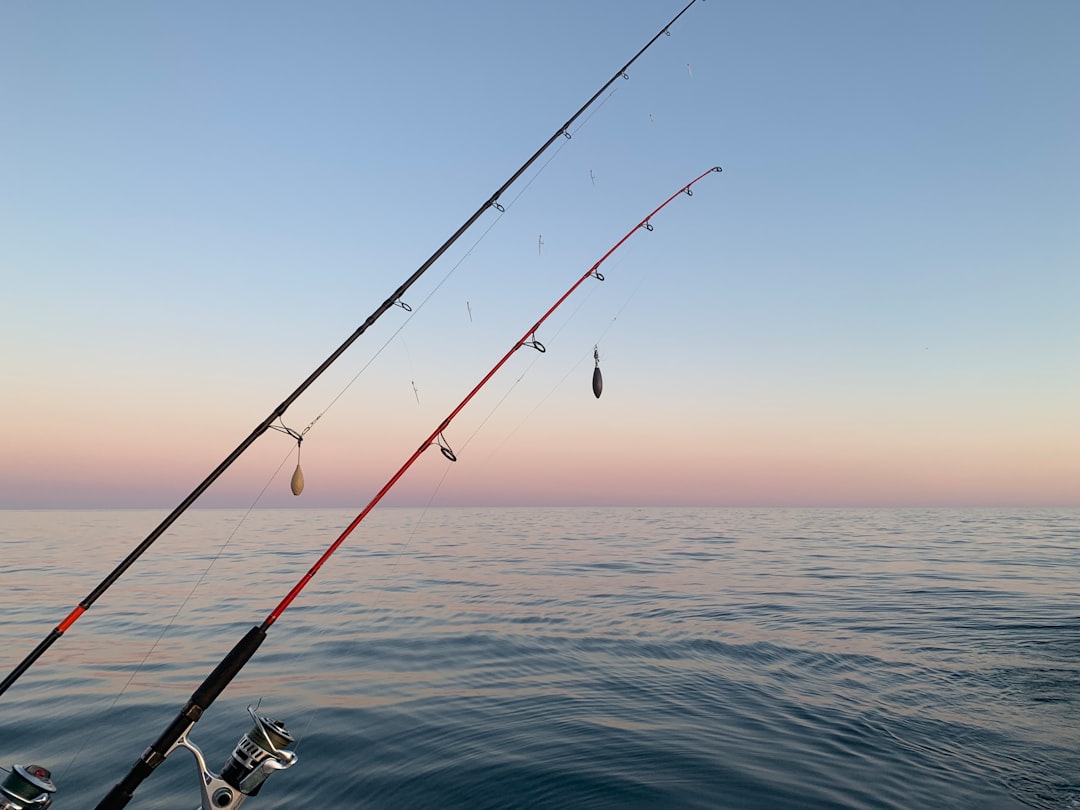
What does it feel like when the ocean floor drops away beneath your hull, and the only thing between you and a 100-pound Marlin is a thin line of braided nylon?
If that thought makes your palms sweat and your heart race, you’re already speaking the language of deep sea fishing. But let’s be honest for a second: it isn’t just about the adrenaline rush or the glorious Instagram photo. In Australia, deep sea fishing is a patchwork quilt of vastly different waters, regulations, and boat cultures. We have everything from the sun-drenched coastal hubs of New South Wales to the rugged, remote outposts of the Kimberley. The dream is romantic, but getting there requires navigating a complex logistical reality.
You can’t just show up at any jetty and expect to catch a tuna. You need to understand *where* you are, *when* the fish move, and *who* is actually running that charter boat. This guide isn’t just a list of spots; it’s a roadmap to accessing Australia’s most pristine waters responsibly.
The “Gateway Towns” vs. The “Remote Wild”
Your first decision point isn’t technical; it’s logistical. Are you looking for a smooth, well-equipped holiday, or are you chasing the rugged solitude of the frontier? Understanding this distinction saves time, money, and disappointment.
The Accessible Hubs
Towns like Gladstone, Coffs Harbour, and Hervey Bay act as the “gateways” to Australia’s fishing paradise. These places have infrastructure. They have marinas that stock fresh bait daily, mechanics who can fix a 400-horsepower engine within hours, and accommodation options ranging from budget motels to luxury resorts.
- Gladstone, QLD: The gateway to the Capricornia Coast. It’s famous for its year-round access to deep reef drops.
- Coffs Harbour, NSW: Known as the “Banana Capital,” it offers easy access to the Solitary Islands Marine Park, where big fish lurk near drop-offs.
The Remote Outposts
On the other end of the spectrum, you have places like Port Keats in the Northern Territory or Groote Eylandt. Here, “access” means chartering flights on small planes that might get cancelled due to a sudden tropical front. There are no quick trips to the hardware store if you forget a gaff.
Reading the Rhythm: When to Go
A common mistake beginners make is assuming that “summer” equals “big fish.” While summer brings the crowds, it’s often the transitional seasons that produce the most consistent action. Fish are migratory, and their schedules dictate your calendar.
In the Southern Ocean off Victoria and South Australia, Tuna season peaks from December to February. However, the real magic often happens during “shoulder seasons”—specifically late autumn and early spring—when water temperatures shift, triggering feeding frenzies.
If you’re targeting Marlin along the east coast, late spring (November to January) is usually your best bet. The water warms up, and the billfish begin their northward migration, stacking up along the continental shelf edge.
The Charter Conundrum: Vetting Your Captain
This is where you need to put on your detective hat. The charter industry in Australia is largely unregulated in terms of who can call themselves a “captain.” Anyone with a boat and a dream can sell you a trip. Here is how to separate the professionals from the poseurs.
The Red Flag Checklist
If you are booking a deep sea trip, send these questions via email or ask them on the phone before handing over any cash:
- Safety Record: Do they discuss safety briefings first? If the conversation is dominated by “how many fish we’ll catch,” walk away.
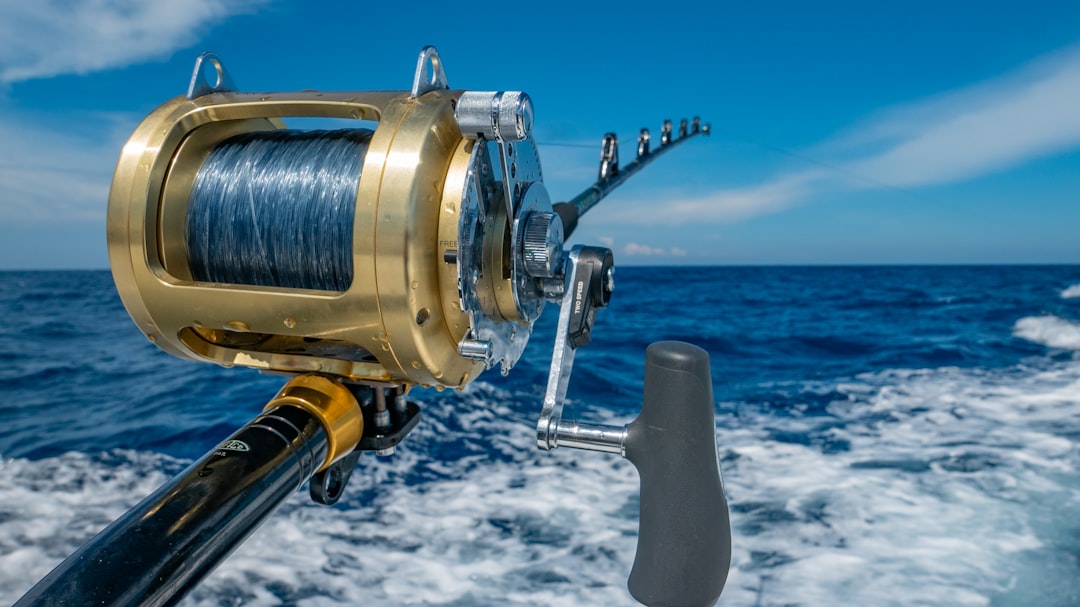
- Gear Quality: Do they use heavy-duty gear (80lb to 130lb class rods)? Light tackle is great for reef fish, but it’s useless for open-ocean gamefish.
- Catch-and-Release Policy: Modern conservation-focused charters prioritise releasing large, breeding stock. Be wary of operators who brag about keeping every fish.
An Honest Limitation: Even with the best captain and top-tier gear, you can come up empty-handed. Fish are wild animals, not commodities. A good captain will pivot the strategy to catch smaller species or move to a new location rather than giving up, but you must manage your expectations: there are no guarantees in deep sea fishing.
Beyond the Hook – The Ecosystem
Why does Australia have such strict quotas and bag limits? It’s not just bureaucracy; it’s survival. Decades of overfishing in the mid-20th century taught us hard lessons.
By enforcing strict limits on species like Snapper and Salmon, Australian fisheries have managed to rebuild stocks in many coastal areas. When you pay for a charter, part of that fee goes into fisheries management and research. By following the rules—measuring your fish, respecting size limits, and adhering to seasonal closures—you are directly contributing to the longevity of the sport. It’s not a restriction; it’s an investment in your future trips.
The Reality on the Water: Three Stories
The “Ghost” Marlin: I once watched a seasoned angler hook into what he estimated to be an 80-pound Blue Marlin. The fight lasted forty minutes, the boat rocking violently as the fish circled the vessel. Just as he was about to lift it aboard, the line snapped. We never saw what it was. Later analysis of satellite tags in that area suggested it might have been a juvenile protected species we would have had to release instantly. It was a humbling reminder that some fish aren’t meant for the boat, but for the ocean.
The Supply Chain Snafu: In a remote part of the Kimberley, our charter captain lost his primary bait supplier due to a mechanical breakdown. Instead of cancelling, he worked with local indigenous guides who knew how to prepare traditional bait using local species. We caught incredible Blue-fin Tuna, but it required improvisation and a willingness to trust the locals. It highlighted that the best charters are those with deep community ties.
The Family First Trip: Don’t think this is only for hardened soloists. I’ve seen eight-year-olds hooked (literally) onto small reef fish like Sweetlip and Coral Trout. The joy on their faces when they reel in their first catch, followed by the “sea legs” wobble as they stumble back to the deck, is the true reward of deep sea fishing. It’s accessible to families if you choose the right species and location.
Key Takeaways
- Choose your Hub wisely: Gateway towns offer convenience; remote areas offer solitude and bigger fish.
- Respect the Seasons: Look for transitional weather fronts for peak activity.
- Vet Your Captain: Safety and gear matter more than promises of guaranteed catches.
- Fish Responsibly: Bag limits exist to keep the fish there for your kids.
Closing: The Open Water Reflection
So, when you look out at that horizon, do you see a challenge to be conquered, or a conversation with nature?
Deep sea fishing in Australia is vast enough for everyone, from the novice holding a rod for the first time to the pro fighting on 130-pound line. It requires you to look beyond the trophy and see the access it provides—to remote places, to local stories, and to yourself. Don’t just book a trip for the catch. Book it for the salt spray, the early mornings, and the sheer privilege of being alive in one of the world’s most beautiful oceans.
Frequently Asked Questions
Which Australian towns offer the best infrastructure for deep sea fishing?
For those seeking convenience, ‘gateway towns’ like Gladstone in Queensland, Coffs Harbour in New South Wales, and Hervey Bay provide excellent infrastructure. These hubs feature marinas that stock fresh bait daily and mechanics capable of repairing high-horsepower engines quickly. Gladstone is particularly noted for year-round access to deep reef drops, while Coffs Harbour offers easy entry to the Solitary Islands Marine Park. Unlike remote outposts, these locations offer accommodation ranging from budget motels to luxury resorts, making them ideal for a well-equipped holiday.
What is the best time of year to book a deep sea fishing trip?
Timing depends on your target species and location. For Tuna in the Southern Ocean (Victoria and South Australia), the peak season is December to February, though transitional ‘shoulder seasons’ like late autumn and early spring often trigger feeding frenzies. If you are targeting Marlin along the east coast, aim for late spring (November to January) when water warms and billfish migrate northward. Interestingly, some of the best swordfish catches occur during rougher weather after cold fronts mix nutrient-rich water with surface layers, attracting baitfish and predators.
How can I verify if a charter boat is safe and professional?
You must vet captains carefully as the industry is largely unregulated. Always ask for valid Australian Maritime Safety Authority (AMSA) compliance certificates and ensure life jackets are available for every passenger. Red flags include a lack of safety briefings or operators who focus solely on guaranteed catches rather than conservation. Professional charters use heavy-duty gear (80lb to 130lb class rods) and prioritise catch-and-release policies for breeding stock. Avoid operators who brag about keeping every fish, as this indicates a disregard for modern conservation standards.
What are the logistical differences between fishing in gateway towns versus remote outposts?
Gateway towns like Gladstone or Coffs Harbour offer reliability, with daily fresh bait supplies and accessible repair services. In contrast, remote outposts such as Port Keats or Groote Eylandt in the Northern Territory require chartering small planes that may be cancelled by tropical fronts. In these remote areas, you cannot easily visit a hardware store if you forget gear. A reputable remote operator must have strong relationships with local suppliers for high-grade frozen bait like pilchards and mackerel; without this supply chain, you are unlikely to catch anything.

Be the First to Comment
Sign in to start the conversation.