

The car winds around the bend and suddenly, the relentless grey concrete of the Pacific Motorway gives way to the rugged, eucalyptus-scented curves of the Great Western Highway. There is a specific moment, just past the 1,000-meter mark of your ascent into the Blue Mountains National Park, where the air grows noticeably cooler and thinner. The light shifts from harsh urban glare to a soft, diffused blue haze that clings to the deep valleys and towering sandstone cliffs. It is a sensory transition that signals you have left the bustling cosmopolitan sprawl of Greater Sydney behind and entered a different world entirely—one where the ancient eucalypts whisper secrets to the wind, and the only thing that matters is how you choose to spend your time in this vast, mineral-stained wilderness.
The “Golden Hour” Navigation Strategy
One of the most common mistakes visitors make when planning Blue Mountains directions is treating the journey as a simple point-to-point drive. The reality is that accessing this UNESCO World Heritage-listed region requires a strategic approach to timing, especially when you factor in the volume of traffic heading south-west from Sydney.
To get the most out of your trip, you need to master the “Golden Hour” navigation strategy. This isn’t just about avoiding traffic; it’s about aligning your arrival with the natural rhythm of the mountains.
Timing Your Departure
Leaving Sydney early in the morning (before 7:00 AM) is generally superior for two reasons. First, you beat the bulk of the weekend traffic bottlenecks at Leura and Bilpin. Second, and more importantly for campers, you arrive with the full day ahead of you to explore without feeling rushed.
“Treating ‘Blue Mountains’ as a single destination is the quickest way to miss out. It’s a sprawling region of micro-climates and hidden pockets that rewards patience.”
However, for those who must travel in the late afternoon to take a day off work, aim to hit the highway after 4:30 PM on weekdays. You will miss the rush hour but might find yourself caught in the tourist swell heading towards Echo Point.
Pro Tip: If you are staying at Blue Mountains accommodation near Katoomba, aim to arrive before the 5:00 PM weekday rush. On weekends, consider stopping in Lithgow for a proper coffee and pastry rather than pushing straight through; the mental break prevents driver fatigue on those winding switchbacks.
Sheltering from the “Mountain Weather”
When you are camping in the Blue Mountains, the weather doesn’t just change; it mutates. The region is famous for its micro-climates, meaning a sunny day in the lower valleys can turn into a freezing, wind-battered reality just ten kilometres higher up.
Understanding the Altitude Difference
Your choice of camping spot dictates your gear list. Campgrounds in the lower valleys, such as Mount Tomah or Bell, often enjoy a milder, more temperate micro-climate. In contrast, high-altitude sites near Wentworth Falls or Mount Solitary are exposed to the full force of the Southern Ocean winds.
* Lower Valleys (400-600m): Generally warmer, less windy. Ideal for families with young children or beginners to bush camping.
* High Altitude (1,000m+): Significantly colder, even in summer. Winds can drop temperatures by 5-10°C compared to the valley floor.
Gear Selection for the Summit
Regardless of the season, layering is non-negotiable. A summer night at 1,200 meters can drop to near freezing. You must prioritise windproofing over pure insulation for your outer shell.
Important: Do not assume that a “summer” sleeping bag rating is sufficient for the high country. Check your gear’s temperature rating against the *nighttime* low, not the daytime high.
The Resident’s Secret: Beyond the Tourist Trail
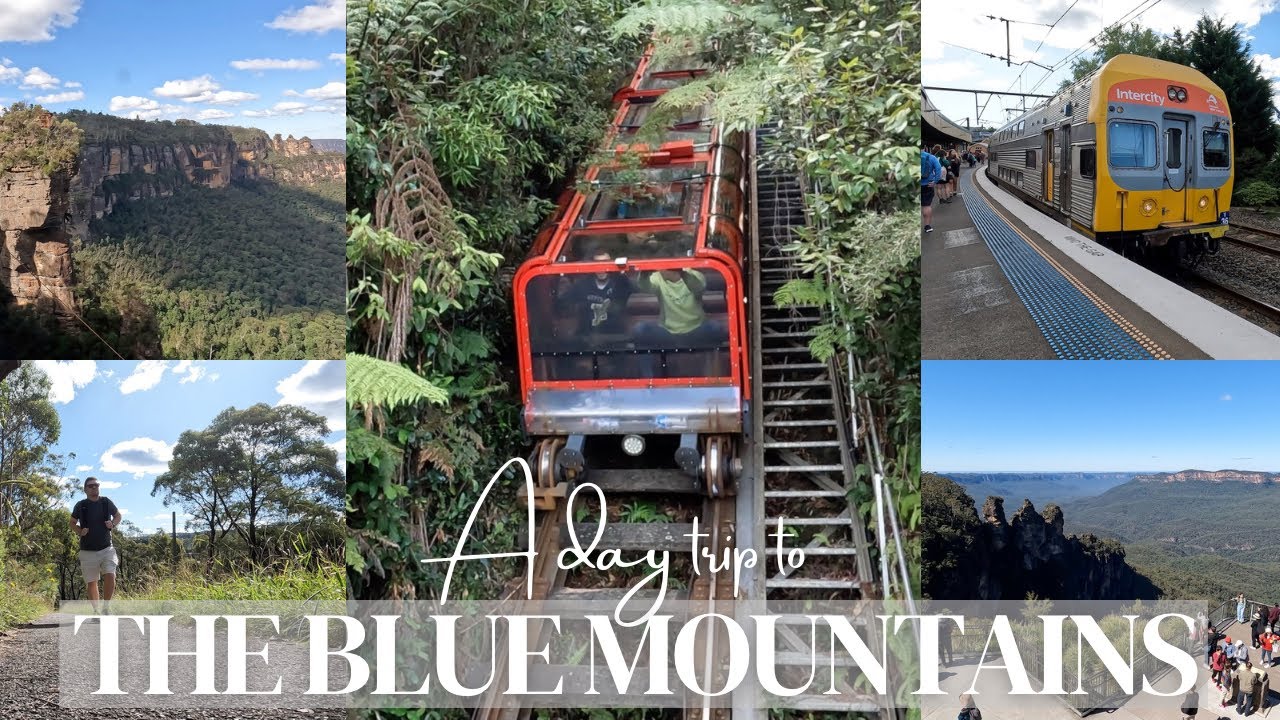
While Echo Point and the Three Sisters are magnificent, they draw the largest crowds. To experience the authentic Australian bush, you need to look beyond the major tourist hubs and find quieter corners where the silence is profound.
Quiet Alternatives to Popular Sites
Popular sites near Katoomba often book out months in advance, particularly during the NSW school holidays. If you miss that window, look for lesser-known group camping areas or cabins near the foothills of Mount Keira or deeper into the Morton National Park borderlands.
Here, the experience shifts from sightseeing to immersion. The star visibility is exceptional due to lower light pollution in these pockets, and the proximity to native wildlife—such as kangaroos grazing at dusk—is higher.
Note: When you venture off the beaten track, you are supporting local conservation efforts. Many of these smaller campsites charge a higher per-vehicle fee to maintain the bushland, ensuring the environment remains pristine for future generations.
Key Takeaways
* Plan Your Drive: Use the “Golden Hour” strategy to avoid traffic bottlenecks at Leura and Bilpin.
* Respect the Micro-climates: High-altitude camping requires windproof gear and higher-rated sleeping bags than you might expect.
* Book Early: Popular Blue Mountains accommodation and camping spots require bookings months in advance for peak seasons.
* Go Local: Support local businesses by stocking up on firewood and fresh bread in Leura before heading into the bush.
A Personal Encounter with the Mist
I still remember a specific night two years ago when my plan for stargazing was completely derailed. I had pitched my tent on a high ridge near Mount Wilson, eager to photograph the Milky Way. Instead of a clear sky, a thick, rolling fog descended from nowhere, shrouding the campsite in a dense, ethereal mist.
At first, I was frustrated. The stars were gone. But as the hours passed, something magical happened. The mist diffused the distant lights of Bathurst, creating a soft, glowing orb on the horizon. Without the overwhelming brightness of a clear sky, I became hyper-aware of the sounds around me—the hoot of a powerful owl and the crunch of my boots on frost-covered grass. It wasn’t the astronomical experience I had planned, but it was a profoundly intimate connection with the landscape. It taught me that in the Blue Mountains, the unexpected discovery is often better than the itinerary.
Final Thoughts on Value and Connection
Ultimately, camping in this region isn’t just about saving money compared to a hotel; it is about buying time. Time to disconnect from the digital noise of Sydney and reconnect with an ancient, sandstone landscape that has stood for millions of years.
As you plan your trip, ask yourself what kind of mountain experience you truly seek. Is it the thrill of navigating rugged trails to a remote campsite? Or is it the relaxation of sitting by a fire with your family, watching the eucalyptus leaves dance in the wind?
There is no wrong answer, only different ways to engage with the magic of Greater Sydney’s backyard. If you have your own hidden gems or secret spots within these mountains, please share them in the comments below. Let’s keep the community of outdoor enthusiasts connected, sharing not just destinations, but stories that inspire the next adventure.
Frequently Asked Questions
What is the ‘Golden Hour’ navigation strategy for visiting the Blue Mountains?
The ‘Golden Hour’ strategy involves timing your departure to align with natural rhythms rather than just avoiding traffic. It is best to leave Sydney before 7:00 AM on weekends to bypass bottlenecks at Leura and Bilpin, ensuring you have the full day for exploration. If travelling on weekdays, aim to hit the highway after 4:30 PM to miss rush hour. For those staying near Katoomba, arriving before 5:00 PM on weekdays is recommended. On weekends, a mental break in Lithgow for coffee and pastry can prevent driver fatigue on winding switchbacks.
How does altitude affect camping gear requirements in the Blue Mountains?
Altitude significantly impacts temperature, with high-altitude sites above 1,000 meters near Wentworth Falls or Mount Solitary being significantly colder than lower valley sites like Mount Tomah or Bell. Winds from the Southern Ocean can drop temperatures by 5-10°C compared to the valley floor. Campers must prioritise windproofing over pure insulation for their outer shell. A summer night at 1,200 meters can drop to near freezing, so you must check your sleeping bag’s temperature rating against the nighttime low rather than the daytime high.
When should I book accommodation for popular Blue Mountains camping spots?
You should book well in advance, as popular sites near Katoomba often book out months ahead, particularly during NSW school holidays. If you miss that window, consider looking for lesser-known group camping areas or cabins near the foothills of Mount Keira or deeper into the Morton National Park borderlands. Venturing off the beaten track not only offers quieter experiences with better star visibility but also supports local conservation efforts, though these smaller sites may charge a higher per-vehicle fee to maintain the bushland.
What are the practical benefits of choosing lesser-known campsites over major tourist hubs?
Choosing quieter corners beyond Echo Point and the Three Sisters offers exceptional star visibility due to lower light pollution and higher proximity to native wildlife, such as kangaroos grazing at dusk. These sites support local conservation efforts by charging higher per-vehicle fees to keep the environment pristine. Additionally, staying in these pockets allows for a more immersive experience where silence is profound, shifting the focus from sightseeing to connecting with the landscape. It is also advisable to stock up on firewood and fresh bread in Leura before heading into these areas.


Be the First to Comment
Sign in to start the conversation.