

Ever stood at the edge of an Australian wilderness and wondered if you’re about to discover paradise or make a terrible mistake?
Australia’s outdoor adventures are as vast and diverse as the continent itself, offering everything from world-class fishing spots to hidden waterfalls and ancient walking tracks. Whether you’re planning a weekend camping trip or a month-long expedition across the outback, understanding the local landscape, seasonal patterns, and hidden gems can transform a good trip into an unforgettable adventure. This guide draws on local knowledge from residents across the country to help you navigate Australia’s incredible outdoor offerings with confidence.
The Australian Outdoor Calendar – Nature’s Rhythm
Understanding Australia’s seasonal patterns is crucial for planning any outdoor adventure. Unlike the northern hemisphere, Australia’s seasons are reversed, with summer typically from December to February and winter from June to August.
Summer (December-February)
Summer is ideal for beach activities, coastal camping, and exploring tropical regions like the Great Barrier Reef and Queensland’s Daintree Rainforest. However, it’s also cyclone season in northern areas, so always check weather warnings before heading north.
Autumn (March-May)
Autumn offers pleasant temperatures across most of Australia, making it perfect for hiking, cycling, and exploring national parks. The changing foliage creates spectacular displays, particularly in Victoria’s high country and Tasmania’s wilderness areas.
Winter (June-August)
Winter is the prime season for skiing and snowboarding in the Australian Alps, while the tropical north enjoys its dry season – ideal for exploring the Top End and Kakadu National Park without the oppressive humidity of summer.
Spring (September-November)
Spring brings wildflower displays across Western Australia and South Australia, while whale watching season begins along the southern coasts as humpback whales migrate north.
Beyond the Postcard – Real Australian Adventures
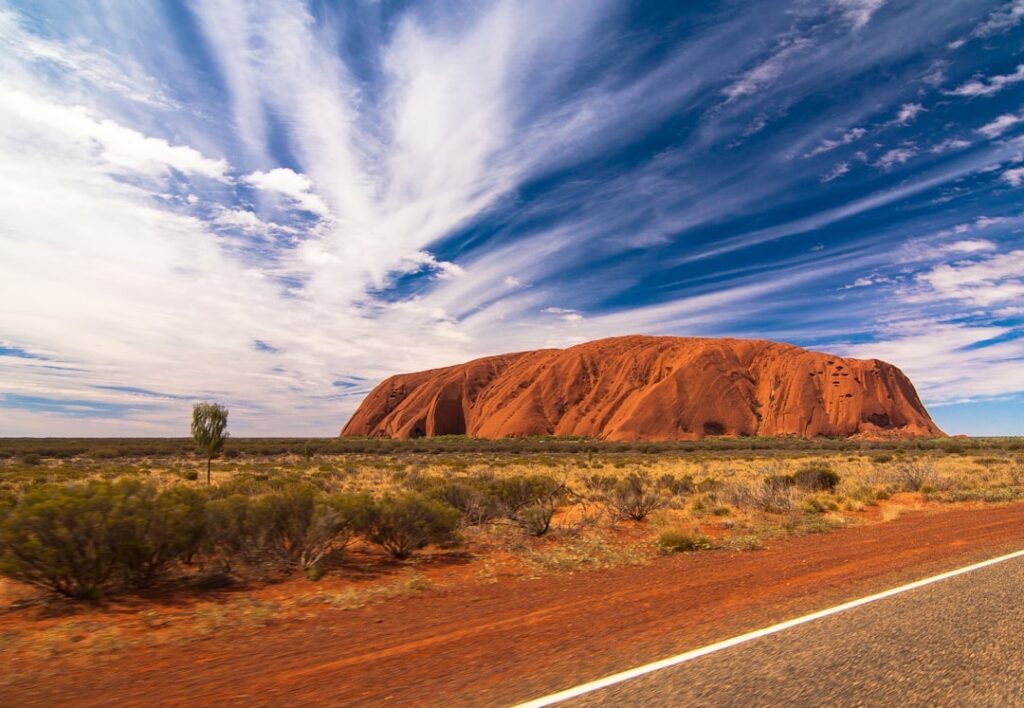
While Australia is famous for its iconic landmarks like Uluru and the Great Ocean Road, some of the most rewarding outdoor experiences are found off the beaten track.
Hidden Gems Across the States
- Western Australia: The Kimberley region offers dramatic landscapes, with Mitchell Falls and the Horizontal Waterfalls providing spectacular hiking and boating experiences away from the crowds.
- South Australia: The Flinders Ranges and Gammon Ranges offer rugged mountain scenery and Aboriginal rock art sites that many visitors miss.
- Tasmania: The Bay of Fires on Tasmania’s northeast coast combines pristine white sand beaches with striking orange lichen-covered granite rocks.
- Queensland: Beyond the Great Barrier Reef, the Hinchinbrook Island offers wilderness walking experiences for the truly adventurous.
When Popular Destinations Fall Short
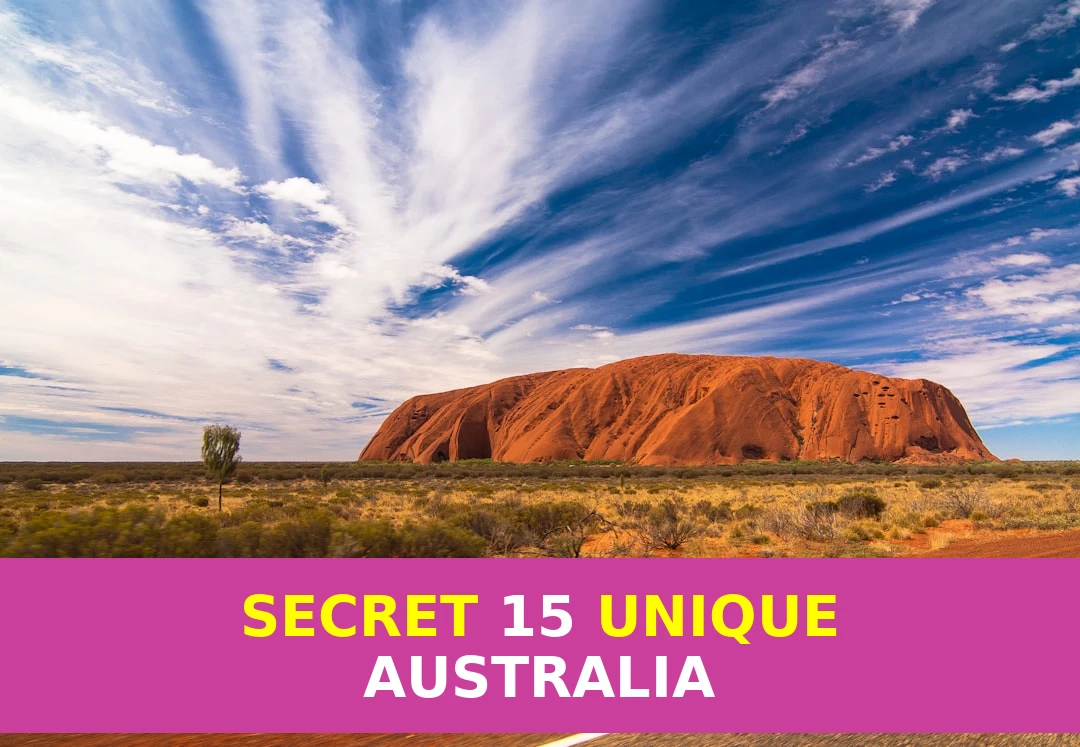
Some of Australia’s most famous outdoor destinations have limitations worth noting. Uluru, while spiritually significant, offers limited hiking options due to cultural protections. The Twelve Apostles, while visually stunning, can be extremely crowded with limited viewing areas during peak season.
Your Adventure Profile – Matching Activities to Your Style
Australia’s outdoor experiences can be tailored to virtually any interest and fitness level. Here’s how to match activities to your adventure style:
For the Family Explorer
- NSW South Coast: Jervis Bay offers calm waters for swimming, dolphin watching, and family-friendly camping.
- Victorian High Country: The alpine areas provide gentle walks and wildlife spotting suitable for children.
- Tropical North Queensland: The Daintree River offers wildlife cruises where kids can spot crocodiles and exotic birds.
For the Adrenaline Seeker
- Tasmania: The Franklin River offers world-class white-water rafting through pristine wilderness.
- Queensland: The Gold Coast provides surfing, skydiving, and theme park thrills all in one location.
- South Australia: The Nullarbor Plain offers flat terrain perfect for cycling across the outback.
For the Nature Observer
- Kakadu National Park (NT):strong> Home to incredible birdlife, waterfalls, and Aboriginal rock art sites.
- Wilpena Pound (SA):strong> A natural amphitheater in the Flinders Ranges offering exceptional stargazing opportunities.
- Lord Howe Island: A UNESCO World Heritage site with unique endemic species and crystal-clear waters.
The Unspoken Rules – Navigating Australia’s Outdoor Culture
Australians have a unique relationship with their outdoor spaces, and understanding local etiquette can enhance your experience.
Leave No Trace Principles
Australians take their outdoor spaces seriously. The “Leave No Trace” philosophy is deeply ingrained in outdoor culture:
- Carry out all rubbish, including organic waste like fruit peels and nutshells
- Stay on designated tracks to protect fragile ecosystems
- Use designated camping areas to prevent damage to the environment
- Never feed wildlife – it’s harmful to animals and can result in fines
Accessing Private Land
In Australia, much of the best outdoor access crosses private property. Traditional “right to roam” common in some European countries doesn’t exist here.
Water Safety
Australia’s waterways can be beautiful but dangerous:
- Beaches: Always swim between the red and yellow flags patrolled by lifeguards
- Rivers: Be aware of hidden currents and submerged obstacles
- Northern waters: Saltwater crocodiles inhabit many northern waterways – never enter unknown waters without checking for crocodile warnings
“The best outdoor experiences in Australia come when you slow down enough to notice the small details – the way the light hits the red dirt at dusk, the sound of kookaburras at dawn, or the feeling of cool water after a hot walk. These are the moments that connect us to this ancient land.”
Key Takeaways
- Plan your outdoor adventures according to Australia’s seasonal patterns for the best experience
- Respect cultural protocols when visiting Indigenous sites and sacred locations
- Always check local regulations for fishing, camping, and accessing private property
- Embrace the “Leave No Trace” philosophy to preserve Australia’s natural beauty
- Connect with locals for the best insider knowledge about hidden gems
The true magic of Australia’s outdoor adventures isn’t found in the glossy brochures or Instagram-perfect locations. It’s in the unplanned detours, the conversations with locals around a campfire, and the moments when nature reminds us we’re just visitors in its ancient land. Pack your sense of wonder more than your itinerary, and let Australia’s wild spirit be your guide.
Frequently Asked Questions
What are the best seasons for different outdoor activities in Australia?
Summer (December-February) is ideal for beach activities and exploring tropical regions like the Great Barrier Reef, though it’s cyclone season in northern areas. Autumn (March-May) offers pleasant temperatures perfect for hiking and cycling with spectacular foliage displays. Winter (June-August) is prime for skiing in the Australian Alps and exploring the Top End during the dry season. Spring (September-November) brings wildflower displays in Western Australia and South Australia, plus whale watching season along southern coasts.
How should I approach accessing private land for outdoor activities in Australia?
Unlike some European countries, Australia doesn’t have a traditional ‘right to roam’ over private property. When planning walks that may cross private land, always seek permission from landowners beforehand. Approach farmers well in advance, offer to close gates properly behind you, and leave gates as you found them. Many landowners are happy to share their properties with respectful visitors if you follow these protocols.
What are some hidden gems for outdoor adventures beyond Australia’s famous landmarks?
Western Australia’s Kimberley region offers dramatic landscapes with Mitchell Falls and Horizontal Waterfalls. South Australia’s Flinders and Gammon Ranges provide rugged mountain scenery and Aboriginal rock art sites. Tasmania’s Bay of Fires combines pristine white sand beaches with orange lichen-covered granite rocks. Queensland’s Hinchinbrook Island offers wilderness walking experiences for the adventurous, beyond the Great Barrier Reef.
What are the costs associated with outdoor activities in Australia’s popular destinations?
While the article doesn’t specify exact costs, it mentions that Kakadu National Park (NT), Wilpena Pound in the Flinders Ranges (SA), and Lord Howe Island offer exceptional nature experiences. Lord Howe Island, as a UNESCO World Heritage site, likely requires ferry or flight access. National park entry fees vary across states, typically ranging from $10-30 per vehicle per day. The Gold Coast provides multiple activities including surfing, skydiving, and theme park thrills with varying price points.

Be the First to Comment
Sign in to start the conversation.