




The morning mist curls through the ancient eucalyptus trees as you step onto the gravel path at the entrance to the Yarra Valley, about an hour’s drive northeast of Melbourne. The air carries that distinctive Australian scent of damp earth and gum leaves, while a kookaburra’s laugh echoes through the valley ahead. This remarkable region, part of the larger Great Dividing Range ecosystem, offers some of Victoria’s most diverse outdoor experiences – from gentle riverside strolls to challenging mountain hikes, all within easy reach of Australia’s second-largest city.
Water, Woods, and Sky: The Yarra Valley Trinity
The Yarra Valley outdoor experiences can be beautifully categorized into three distinct elements that create its unique character. Understanding these trinities helps you choose the perfect adventure based on your mood and energy levels.
Water Wonders
The Yarra River and its tributaries form the valley’s lifeblood, offering numerous water-based activities throughout the year. The river itself is perfect for kayaking and canoeing, particularly the upper reaches around Warburton where the water is gentle and the scenery pristine.
For families, the Emerald Lake Park provides a safe swimming spot with picnic facilities and playgrounds. Meanwhile, more experienced paddlers might tackle the Yarra from Woori Yallock to Launching Place, a 15km journey that typically takes 3-4 hours with gentle rapids to navigate.
Forest Mysteries
The valley’s forests are dominated by towering mountain ash, some of the world’s tallest flowering plants, creating a cathedral-like atmosphere that’s both humbling and peaceful. The Dandenong Ranges National Park offers well-maintained trails suitable for all fitness levels.
Mountain Vistas
The true magic of the Yarra Valley reveals itself from its elevated viewpoints. Mount Donna Buang stands as the region’s highest accessible peak, offering breathtaking 360-degree views that stretch from Melbourne’s skyline to the distant Australian Alps.
The summit can be reached by car via a winding road that’s open during warmer months, or more adventurously via the 15km Donna Buang Summit Trail. For those seeking something less strenuous, the SkyHigh Mount Dandenong observation deck provides spectacular panoramic views with a café perfect for refueling after your exploration.
When the Valley Comes Alive
Timing your visit to the Yarra Valley can transform a good outing into an extraordinary experience. Each season offers different magic, and even time of day creates vastly different experiences.
Seasonal Highlights
Summer (December-February): Ideal for water activities, but be prepared for crowds. Early morning or late afternoon visits are recommended to avoid the heat.
Autumn (March-May): The valley’s most spectacular season, with the landscape erupting in gold, orange, and red hues. This is peak season for scenic walks, particularly along the Yarra River.
Winter (June-August): Fewer crowds and crisp, clear days make winter perfect for mountain vistas. Some higher trails may be closed due to snow, so check conditions before setting out.
Spring (September-November): Wildflower season transforms the forests with vibrant blooms. This is also lambing season, so you’re likely to see plenty of newborn sheep in the paddocks.
Daily Timing Magic
For the most magical experience, consider visiting at dawn when the valley is shrouded in mist and the first light filters through the trees. Birdsong is at its peak during these early hours, and you’re more likely to spot wildlife.
The Local’s Playbook
Living on the edge of the Yarra Valley has taught me that some experiences aren’t found in guidebooks. Here are the local secrets that turn a simple outing into an unforgettable adventure.
Hidden Gems
While the Yarra Valley is famous for its wineries, many visitors miss the lesser-known outdoor treasures. The Warrandyte State Park, technically just outside the official valley boundary, offers stunning river scenery and fascinating Aboriginal rock art sites along the Yarra River.
One of my favorite discoveries was the Blackwood Picnic Ground – a peaceful spot along the Yarra with perfect swimming holes and a secluded atmosphere that feels worlds away from the tourist crowds.
Local Knowledge
Did you know that the Yarra Valley has its own microclimate? The northern side of the valley often receives significantly less rainfall than the southern slopes. This means trails on the northern side are usually better year-round, while southern trails can become quite muddy after rain.
For families, the Lilydale Lakes Reserve offers a fantastic day out with multiple lakes, playgrounds, and BBQ facilities – all completely free. It’s the perfect spot to introduce children to nature without the pressure of a full-day hike.
“The Yarra Valley isn’t just about the destinations – it’s about the journey between them. The drive through the rolling hills, with glimpses of vineyards and forests, is an experience in itself.”
Beyond the Trailhead
Preparation is key to making the most of your Yarra Valley adventure. Here are practical tips to ensure your outdoor experience is safe and enjoyable.
Essential Gear
The Yarra Valley’s weather can change rapidly, so always pack layers regardless of the season. In addition to standard hiking gear, consider:
- A wide-brimmed hat and sunscreen (the UV index can be intense even on cloudy days)
- Insect repellent (mosquitoes can be particularly active near water bodies)
- A fully charged mobile phone (though some areas have limited reception)
- A detailed topographic map or GPS device (some trails aren’t clearly marked)
- Plenty of water and high-energy snacks
Getting Around
The Yarra Valley is best explored by car, as many attractions are spread out and public transport options are limited. For those without their own vehicle, several tour companies offer outdoor adventure packages from Melbourne.
Accommodation Options
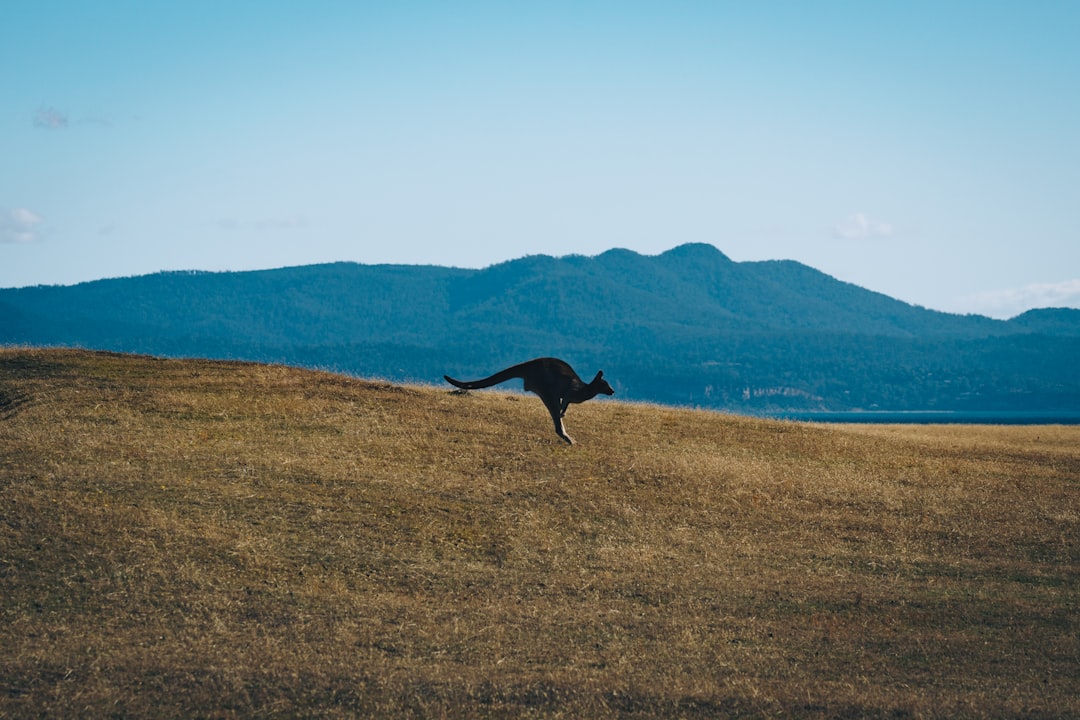
For those wanting to extend their stay, the Yarra Valley offers diverse accommodation options to suit all budgets and preferences. From luxury eco-lodges with panoramic views to charming farm stays where you can wake up to kangaroos grazing outside your door.
Key Takeaways
- The Yarra Valley offers diverse outdoor experiences organized around water, forest, and mountain elements
- Timing your visit according to season and time of day dramatically affects your experience
- Local knowledge can uncover hidden gems not found in guidebooks
li>Proper preparation and essential gear are crucial for a safe and enjoyable adventure
Whether you’re seeking a peaceful riverside walk, a challenging mountain hike, or simply a day immersed in nature’s beauty, the Yarra Valley delivers experiences that linger in memory long after you’ve returned to city life. The valley’s magic lies not just in its stunning landscapes but in the way it invites you to slow down, breathe deeply, and reconnect with the natural world in all its Australian glory.
Frequently Asked Questions
What are the three main categories of outdoor experiences in the Yarra Valley?
The Yarra Valley outdoor experiences are beautifully categorized into three distinct elements: Water Wonders (featuring the Yarra River and its tributaries for kayaking, canoeing, and swimming), Forest Mysteries (dominated by towering mountain ash with trails like the O’Shannassy Aqueduct Trail), and Mountain Vistas (offering elevated viewpoints from peaks like Mount Donna Buang and SkyHigh Mount Dandenong with panoramic views.
How long does the 15km kayaking journey from Woori Yallock to Launching Place typically take?
The 15km kayaking journey from Woori Yallock to Launching Place typically takes 3-4 hours to complete. This route features gentle rapids to navigate and is suitable for more experienced paddlers. The trip follows the Yarra River through scenic landscapes, providing a water-based adventure that showcases the valley’s natural beauty while offering a moderate challenge for outdoor enthusiasts.
When is the best time to visit the Yarra Valley for outdoor activities?
The best time to visit the Yarra Valley depends on your preferred activities: Summer (December-February) is ideal for water activities but visit early morning or late afternoon to avoid crowds and heat. Autumn (March-May) offers spectacular gold, orange, and red hues perfect for scenic walks. Winter (June-August) provides fewer crowds and clear mountain vistas, though some higher trails may close due to snow. Spring (September-November) transforms forests with wildflowers and features lambing season.
What practical considerations should visitors keep in mind when planning a trip to the Yarra Valley?
Visitors should consider several practical aspects: The valley is best explored by car as attractions are spread out with limited public transport. Always pack layers due to rapidly changing weather, plus essentials like wide-brimmed hat, sunscreen, insect repellent, and plenty of water. For accommodation, book 2-3 months ahead for peak seasons, especially autumn weekends. If combining winery visits with outdoor activities, designate a driver or choose tour packages that include both nature experiences and tastings.

Be the First to Comment
Sign in to start the conversation.