

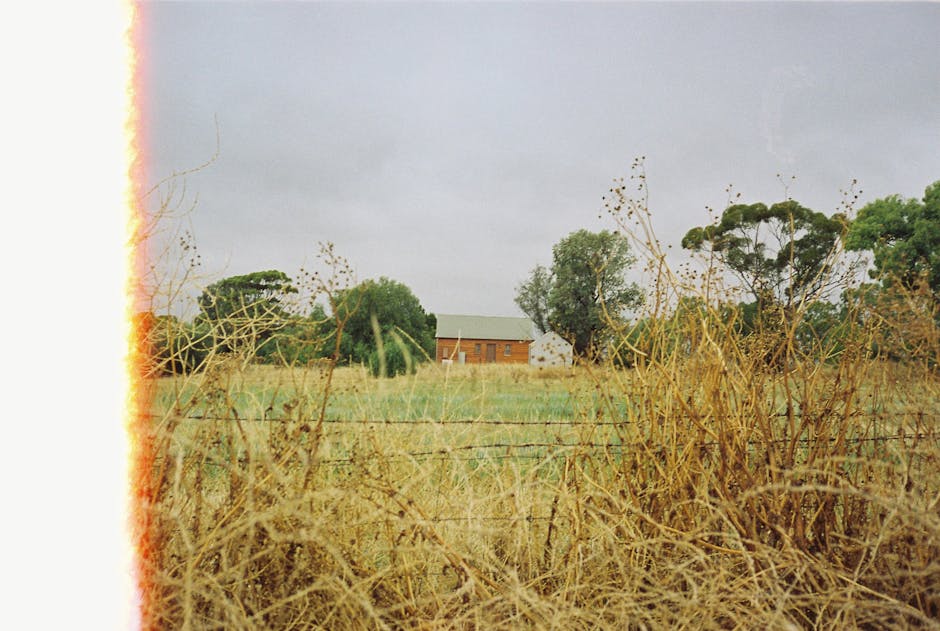

The car winds around the bend and suddenly, the dense canopy of stringybarks parts, revealing the sprawling expanse of the city below, still draped in the grey-blue pre-dawn mist. Standing at the edge of the Waterfall Gully trailhead, the air is crisp, biting at the cheeks, heavy with the scent of damp earth and eucalyptus oil. As the first runner takes off, the rhythmic crunch of gravel underfoot is the only mechanical sound, fighting for dominance against the distinct, echoing calls of currawongs winging their way through the treetops. It is a scene of raw, natural beauty that defines the South Australian experience—a place where the urban fringe dissolves almost instantly into ancient, rugged landscape. Here, the climb to the summit of Mount Lofty isn’t just a physical exertion; it is a transition from the structured world of bitumen to the wild, unpredictable freedom of the bush.
The Anatomy of the Earth: Preparation & Gear
Trail running in South Australia demands a deeper level of preparation than your average road jog. The diverse landscapes surrounding Adelaide—from the loose, slate-rich hillsides to the compacted earth of the coastal trails—present a unique set of physical challenges. To navigate them safely, you must understand the geology beneath your feet.
Terrain Analysis and Footwear Selection
Choosing the right shoe is not about brand loyalty; it is about the specific interaction between rubber and soil. In the Adelaide Hills, particularly in areas like the Barossa Ranges or the steep ascents of Cleland Conservation Park, the terrain is often characterised by loose shale and dry, dusty topsoil. A standard road shoe will slide like a sled on this surface. You need a trail shoe with an aggressive lug depth—typically 5mm or more—to dig into the loose gravel and provide purchase on steep descents.
Conversely, if you are running the trails closer to the coast or in the gullies after rain, the composition shifts. The soil here becomes sticky clay. The deep lugs that serve you well on the dry peaks will instantly clog with heavy mud, turning your running shoes into uneven concrete blocks. For these conditions, a lower-profile, “smoother” trail shoe with closer spaced lugs is preferable. It sheds the mud quickly, maintaining a lighter foot strike.
The Expert Safety Checklist
Before you head out into the scrub, your gear list needs to move beyond “what looks good” to “what keeps me alive.” The Australian bush is beautiful, but it is also remote and unforgiving.
Hydration Strategy: In the heat of an Adelaide summer, dehydration is a relentless killer. Do not rely on a single handheld bottle for runs extending over 90 minutes. Invest in a hydration vest or a waist belt that allows you to carry at least 1.5 to 2 litres of water. Remember, if you are running in the hills, the effort required to ascend will double your fluid expenditure compared to flat running.
Snake Awareness: Snakes are an active reality during the warmer months (October to April). While running, your vibrations often warn them off, but stopping at a lookout or scrambling over rocks can bring you into conflict with a tiger snake or brown snake. Wear long socks or compression gaiters to protect your ankles from bites and low-lying scrub.
Navigation: Phone batteries die in the cold, and GPS signals can fail in deep gullies. A physical paper map of the park you are visiting, and the knowledge of how to read it, is the mark of a true expert.
Finding Your Feet: The Gradient Experience
Trail running is often erroneously categorized solely by distance. In the wilds of South Australia, “difficulty” is better understood through “terrain intimacy”—how closely you must engage with the ground and how much mental focus is required to stay upright. Whether you are a nervous beginner looking for outdoor fitness or an elite athlete seeking solitude, there is a gradient for you.
The Green Zones: Wide, Flat Fire Tracks
For families, beginners, or those recovering from injury, the “Green Zones” offer the mental freedom of low-risk running. These are wide, well-maintained fire tracks that remove the technical barrier of foot placement.
The premier example of this in Adelaide is the Linear Park Trail. Following the path of the River Torrens, this is the spine of the city’s outdoor fitness network. It is flat, scenic, and incredibly accessible. You can start at the city fringe and run for tens of kilometres towards the hills without ever crossing a road.
Did you know? The Linear Park is one of the longest linear park systems in the world, stretching nearly 30 kilometres from the sea to the foothills, effectively functioning as a green highway for cyclists, runners, and walkers.
In these zones, the focus shifts from survival to rhythm. You can switch off your brain, listen to a podcast, and simply enjoy the aerobic benefit. It is the perfect incubator for base fitness.
The Blue Zones: Technical Singletrack
Once the flat tracks feel too easy, you graduate to the “Blue Zones.” Here, the trail narrows to a single file. You encounter obstacles: gnarly roots, jutting rocks, and switchbacks that demand constant attention.
Morialta Conservation Park is the quintessential Blue Zone experience. The trails here weave through the quartzite cliffs and past the famous waterfalls. When running technical singletrack, your gaze must drop. Instead of looking at the horizon, you are scanning three to five metres ahead, constantly plotting your line. This engages your core and stabiliser muscles in a way road running never could. It is a game of physical chess—move fast, but if you misjudge a step, the penalty is a twisted ankle or a graze.
This level of running provides a flow state. The difficulty is high enough to force total concentration, which clears the mind of daily stresses. You are no longer worrying about work emails; you are entirely focused on not tripping over that rock.
The Black Zones: Steep Elevation and Remote Navigation
For the expert, the “Black Zones” offer the ultimate test of endurance and navigation. These runs are characterised by severe elevation gains—sometimes thousands of metres over a few hours—and remote locations where help is far away.
Mount Remarkable, in the Southern Flinders Ranges, represents this level. This is not a trail run; it is a mountain adventure in the traditional sense. You are often exposed to the elements, scrambling over scree slopes, and requiring solid navigational skills to follow faint, overgrown markers. The reward, however, is profound solitude. You will likely not see another soul for hours. The landscape here is ancient and dramatic, offering a connection to the land that is visceral and humbling. This is where the romanticism of trail running meets the brutal reality of self-reliance.
The Hidden Contract: Etiquette & Ecology
When we step off the bitumen and onto the dirt, we enter into a hidden contract with the environment and the people who came before us. Being a runner in the Australian outdoors is not just about fitness; it is about stewardship.
Leave No Trace in the Hills
The ecosystem of the Adelaide Hills is fragile. The undergrowth protects the soil from erosion and provides habitat for tiny marsupials. Running off-trail to cut a switchback or bypass a muddy patch might save you ten seconds, but it destroys vegetation and creates scars that take years to heal.
Adhere strictly to the “Leave No Trace” principles. This means packing out everything you pack in, including gel wrappers and orange peels. Biodegradable waste like apple cores still takes months to decompose and attracts wildlife to the trail, putting them in danger.
Sharing the Trail
Mountain biking is a massive sport in South Australia, and many of our best trails, particularly in places like Belair National Park, are multi-use. The unwritten rule is simple: runners yield to bikers (because they are faster and have harder control), and everyone yields to horses. However, courtesy is key. A friendly greeting goes a long way. Give a clear signal of your presence, and don’t wear noise-cancelling headphones that block out the sound of a bike approaching from behind.
Cultural Respect
We are running on the traditional lands of the Peramangk and Kaurna people. These trails are not just recreational routes; they are Songlines and travel paths that have been used for tens of thousands of years. Acknowledging this deep history adds a layer of reverence to your run. You are a guest on this land. Take the time to learn the indigenous name of the peak you are climbing and understand its significance to the First Nations people.
When the Trail Bites Back: Risk & Reality
We often romanticise trail running—the sunrises, the endorphins, the fresh air. But to be an expert, you must also respect the moments when the trail bites back. Australia is a land of extremes, and the transition from a pleasant run to a survival situation can happen in minutes.
The Sudden Southern Front
Weather in Adelaide is notorious for its variability. You might start a run in the hills under a baking 30-degree sun, only for a cold southerly front to roll in off the Southern Ocean within the hour. The temperature can drop 10 degrees in as many minutes, bringing freezing rain and gale-force winds.
The Reality of Isolation
In the Black Zones, mobile reception is a luxury, not a guarantee. If you roll an ankle deep in the Flinders Ranges, you might have to self-evacuate. This is the reality of the sport. It is why we train with a pack, why we carry a first aid kit, and why we tell someone our route before we leave. There is no shame in turning back when the weather turns, or when a niggle in your knee feels wrong. The mountains will be there next weekend; survival isn’t guaranteed.
“The trail doesn’t care about your Strava time, your PBs, or your to-do list. It only cares that you respect it. When you stop treating the run as a conquest and start treating it as a conversation, that’s when the real adventure begins.”
Authentic Encounters: Wildlife and Suffering
Running in the wild brings you face-to-face with the unexpected. These are the moments that stick in the memory long after the cardio data is forgotten.
The Kangaroo Encounter
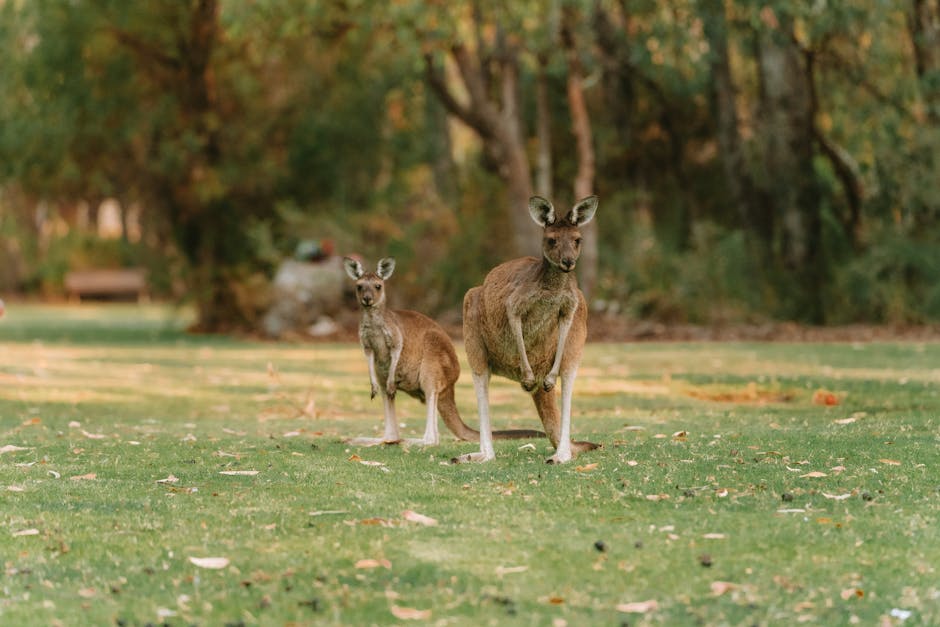
I remember a crisp morning in Belair National Park, turning a sharp corner on a secluded singletrack. My heart rate was steady, my mind miles away. Suddenly, five metres in front of me, a massive male kangaroo materialised from the scrub. He stood at least my height, muscles rippling under his grey coat, chest puffed out. We locked eyes. Time stopped. The “fight or flight” instinct screamed in my veins. I stopped dead. He thumped his tail against the ground—a hollow, drumming sound that echoes through the trees as a warning. I slowly backed away, giving him the right of way. It was a terrifying, electric moment. It reminded me that we are visitors in their home. They are the athletes here; we are just clumsy tourists.
The Hill Suffering Story
Conversely, not all encounters are with wildlife; sometimes the enemy is yourself. I recall a run in the height of an Adelaide summer, attempting a new route in the hills that was steeper and more exposed than I anticipated. I had underestimated the distance and overestimated my water supply. By the final climb, I was bonking hard—a total physiological collapse. My legs felt like lead, my vision swam, and the heat radiating off the rocks was oppressive. I had to stop every fifty metres, bent double, gasping for air. I didn’t finish the run strong; I survived it. I walked the last two kilometres. That failure was my best teacher. It taught me humility and the absolute non-negotiable necessity of hydration planning. It stripped away the ego and left only the raw, honest effort required to move one foot in front of the other.
The View from the Summit
The legs burn, the lungs heave, and finally, the ground levels out. You have reached the summit. The city of Adelaide is sprawled out below, a grid of order amidst the chaotic wildness of the ranges. The wind up here cools the sweat on your back, and for a moment, there is only the sound of your own heart slowing down and the vast, open sky.
This is why we choose the hard path over the flat one. It isn’t just for the fitness or the view. It is for the silence that comes when you have pushed your body to its limit and the noise of the world falls away. You look down at your shoes, caked in the dust of the trail, and realise you are carrying a piece of this place with you. There are hundreds more ridges out there, hidden in the haze, waiting for your feet. The run is over, but the possibility of the next one has already begun.


Be the First to Comment
Sign in to start the conversation.