


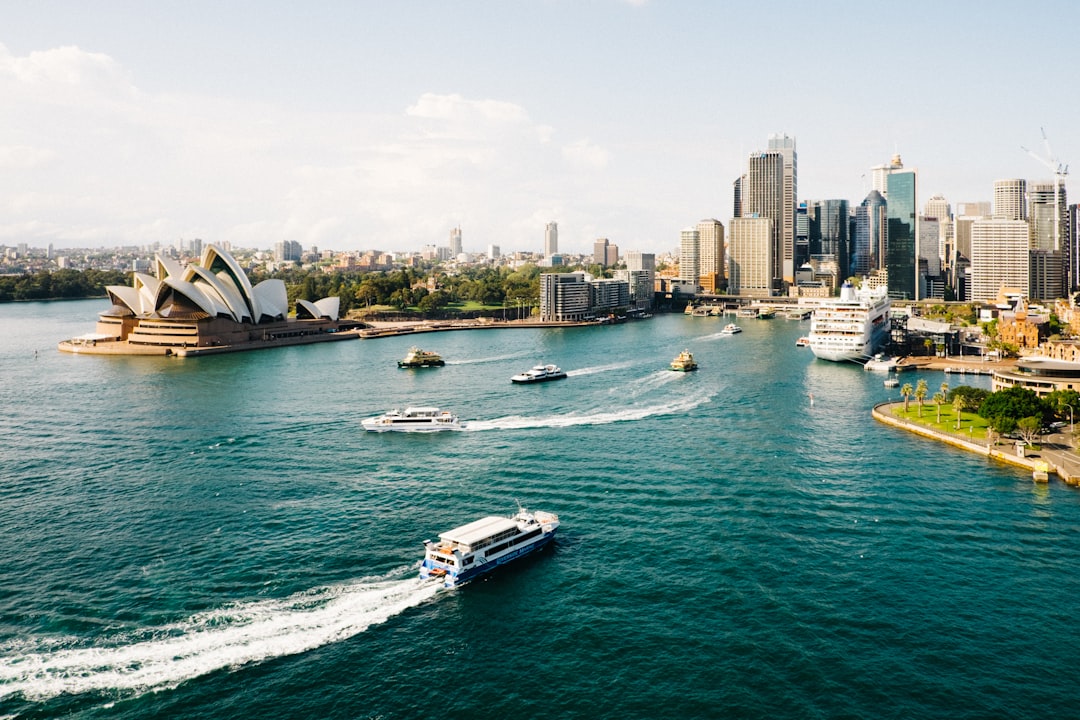

The car winds around the bend and suddenly, there it is: a vast expanse of white sand meeting an indifferent ocean. It’s 4:30 AM, the air is biting cold and smells of salt spray and damp kelp, your hands are numb inside cheap gloves, and the only sound is the rhythmic *shhh-shhh* of the tide pulling back over wet shells. There is no golden sunrise yet, just a bruised purple sky and the terrifying silence of waiting. Then, the strike—a violent jerk that nearly pulls the rod from your grip. This isn’t about relaxation; it’s a primal tug-of-war with an ocean that doesn’t care if you’re tired. This is the reality of beach fishing in Australia, a pastime that demands respect for the Pacific and Southern oceans, blending adrenaline with the quiet solitude of the coastline.
Reading the Water, Not Just the Map
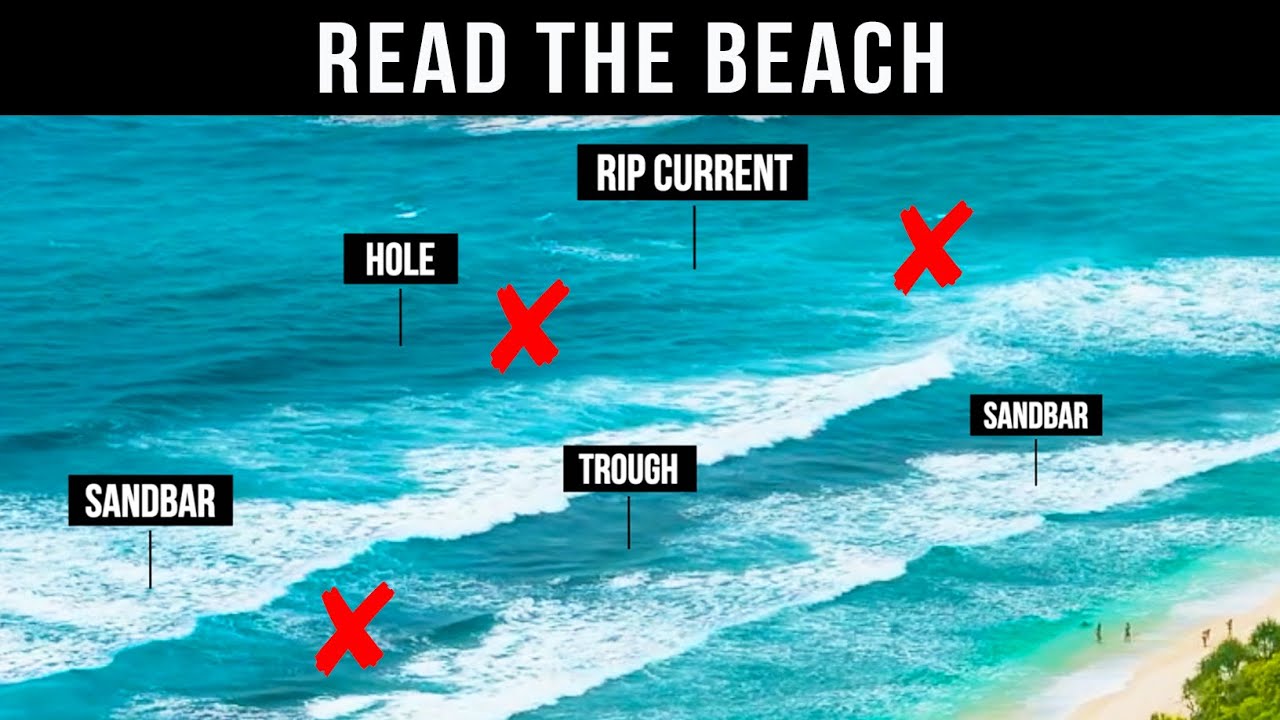
Before you buy your gear or book a holiday, you need to learn the language of the beach. The most experienced anglers don’t look at maps; they read the water. From your vantage point on the shore, you are looking for “structure”—natural features that concentrate baitfish and attract predators.
Look for the subtle changes in water colour. Darker blue patches often indicate deeper channels or holes where larger fish hold, while white foam indicates shallow sandbars. These are the highways for baitfish, and consequently, the feeding grounds for our prized catch.
Pro Tip: The way water behaves changes drastically depending on where you are. On the East Coast (NSW and QLD), currents tend to be stronger and clearer, allowing you to spot structure from a distance. In contrast, northern regions (like WA’s North West) often present murky water with massive tidal swings. Here, you can’t read the colour; you have to understand the movement of the tide itself.
The Regional Roster: Where to Cast
Australia’s coastline is vast, but for beach fishing, we can break it down into three distinct “zones” based on what you’re chasing.
The Snapper Strongholds
*Target Species: Yellowfin Snapper, Bream*
If you are on the NSW South Coast or the Victorian coast, your target is likely Snapper. This requires precision rather than brute force. You’ll need to master bait casting, targeting the edges of sandbars and rocky points where water depth changes.
* Best Time to Go: Early autumn (March-May) and late winter (August-October).
* Key Strategy: Mullet chasers are your best friends. Look for diving birds; if the seagulls are screaming, drop your bait right behind them.
The Mulloway Hunters
*Target Species: Mulloway (Peddlerr), Groper*
Heading north to Western Australia or the Top End of the NT, you are hunting giants. This is heavy gear territory. Mulloway hold their ground in the deep channels of river mouths and shallow reef systems near beaches.
* Best Time to Go: Night fishing is king here, particularly in the warmer months (October-April).
* Key Strategy: Use heavy sinkers to keep your bait off the bottom. These fish love to suck on hard shells and crustaceans, so use fresh whiting or mullet as bait.
The Family-Friendly Flats
*Target Species: Salmon, Tailor, Yellowtail Kingfish*
For families or beginners, the Gold Coast and Sunshine Coast in Queensland offer safer, more forgiving beaches. The action is fast-paced, often involving casting lures into the surf zone to target Salmon and Tailor.
* Best Time to Go: The cooler months (May-September) bring bigger Salmon closer to shore.
* Key Strategy: Fly fishing or light spinning gear works best here. It’s active, fun, and less about sitting in the dark waiting for a bite.
The Gear That Actually Works (And What Doesn’t)
There is no such thing as “one rod to rule them all.” In fact, buying expensive, lightweight carbon gear that breaks under the pressure of a 15kg fish in rough surf is a rite of passage for every Australian angler. I learned this the hard way when my expensive reel spun out and died while fighting a snapper off the Sapphire Coast.
Safety Note: Beach fishing involves powerful currents and sharp shells. Always wear shoes with grip, not bare feet. You will encounter broken glass, razor clams, and rocks that can take a toe off if you slip.
When selecting gear:
1. Rods: Go for durable, salt-resistant setups. A medium-heavy rod is versatile enough for both Snapper and Mulloway if you’re a beginner.
2. Reels: Ensure they have good drag systems that won’t fail under pressure.
3. Line: Use braided line for strength, but always attach a fluorocarbon leader to resist abrasion from rocks and shells.
Important: Some beaches are inaccessible without 4WD, requiring specific travel prep like high-clearance vehicles. If you aren’t prepared for the drive, you won’t reach the spot—and that’s okay. There are plenty of accessible beaches with just as much fish.
The Ethical Catch & Release Reality
Fishing in Australia is governed by strict regulations, but true sustainability goes beyond legal limits. It’s about how you handle the fish once it’s on the beach.
Did you know: Releasing a large Mulloway can lead to it being caught by another angler within months. These fish are resilient, and healthy populations mean opportunity for everyone.
Handle the fish with wet hands to protect their slime coat, remove hooks carefully (cutting the line if necessary), and release them quickly. Our goal isn’t just to take from the ocean, but to ensure there is plenty left for the next generation of anglers.
Stories from the Shore
To understand beach fishing, you have to hear about the mistakes and miracles. Consider “Barry,” a composite of local anglers who taught me that the best bait isn’t bought at the store—it’s harvested from specific rocks during low tide. Understanding the local ecosystem is just as important as having the right gear.
Then there was the “Ghost” catch in Victoria, where my GPS failed on a remote stretch of coast. Instead of turning back, we walked further down the beach and found a hidden inlet teeming with Kingfish. It was a reminder that technology is no substitute for local knowledge and curiosity.
Summary: The Last Cast
As the sun finally breaks over the horizon, revealing empty buckets but full satisfaction, remember that every beach is different and every tide is unique. The true reward isn’t just in the fish but in the quiet connection with the Australian coastline.
The ocean gives, but it also takes. Respect the water, prepare for the worst, and hope for the best. Whether you are a seasoned pro or just casting your line for the first time, the beach offers an adventure that is as much about the journey as it is about the catch.
Frequently Asked Questions
What are the best beaches for family-friendly beach fishing in Australia?
For families and beginners, the Gold Coast and Sunshine Coast in Queensland are highly recommended. These locations offer safer, more forgiving beaches compared to other regions. The action here is fast-paced, often involving casting lures into the surf zone to target species like Salmon and Tailor. This style of fishing is active and fun, requiring less time sitting in the dark waiting for a bite, making it ideal for those new to the sport.
How should I select the right gear for rough surf conditions?
Avoid expensive, lightweight carbon gear that may break under pressure; instead, opt for durable, salt-resistant setups. A medium-heavy rod is versatile enough for both Snapper and Mulloway if you are a beginner. Ensure your reel has a robust drag system that won’t fail under pressure. Crucially, use braided line for strength but always attach a fluorocarbon leader to resist abrasion from rocks and shells. Always wear gripped shoes, as bare feet risk injury from broken glass and razor clams.
When is the best time to target Mulloway on northern beaches?
In regions like Western Australia or the Top End of the NT, night fishing is king when targeting Mulloway. The best window for this activity is during the warmer months, specifically from October to April. These giants hold their ground in deep channels of river mouths and shallow reef systems near beaches. You should use heavy sinkers to keep bait off the bottom, targeting fresh whiting or mullet as bait.
What are the ethical practices for handling and releasing fish?
Sustainability goes beyond legal limits; you must handle fish with wet hands to protect their slime coat. Remove hooks carefully, cutting the line if necessary to avoid injury, and release them quickly. This is particularly important for large Mulloway, as releasing healthy fish ensures they remain available for future anglers. True ethical fishing involves ensuring that populations remain robust, guaranteeing opportunity for the next generation of anglers.

Be the First to Comment
Sign in to start the conversation.