
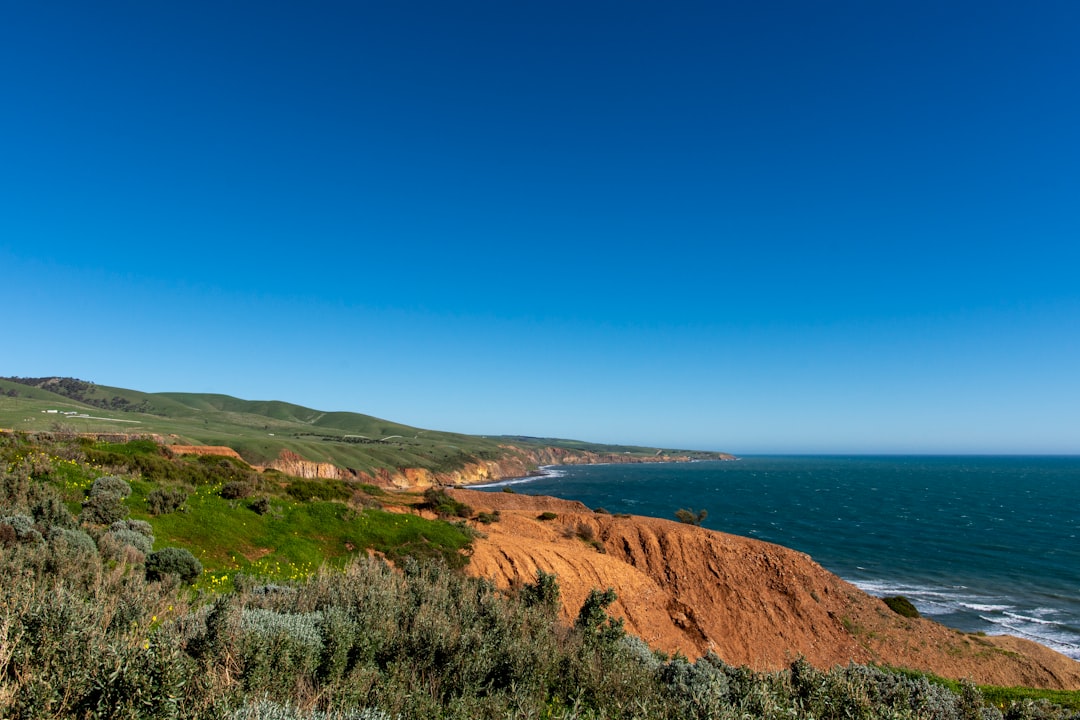
The crisp morning air carries the scent of salt and eucalyptus as you paddle through the turquoise waters off Kangaroo Island’s rugged coastline. The sound of your board gliding over gentle swells mingles with the distant cry of seabirds, while the first rays of sun illuminate the island’s distinctive limestone formations. This is South Australian surfing at its most authentic – a sensory experience that connects you with nature’s rhythm in ways few other activities can.
The Salt in Your Veins: Living Like a Local Surfer
South Australia’s surf culture is uniquely welcoming, where respect for the ocean and fellow surfers goes unspoken but is deeply felt. Unlike some of Australia’s more crowded surf destinations, our breaks offer a sense of community where locals are often happy to share knowledge with visitors who approach with genuine respect and curiosity.
Understanding Local Etiquette
- Give right of way to the surfer closest to the peak
- Don’t drop in on someone else’s wave
- Keep the beach clean – take everything with you
- When in doubt, smile and ask – most locals are happy to help
Kangaroo Island’s Wave Symphony: Finding Your Perfect Rhythm
Kangaroo Island offers some of South Australia’s most diverse surfing experiences, from gentle learner-friendly breaks to more challenging reef setups. The island’s unique geography means you can find suitable waves for nearly any skill level, all within a relatively short drive of each other.
Beginner-Friendly Spots
- Stokes Bay: A sheltered cove with gentle, rolling waves perfect for first-timers. The bay’s natural rock formation creates a protective barrier from stronger winds.
- Vivonne Bay: One of South Australia’s safest swimming beaches, the southern end often produces small, clean waves ideal for learning.
- Emu Bay: Long, gentle breaks with minimal hazards, especially during summer when the water is calmer.
Intermediate to Advanced Breaks
- Pennington Bay: Powerful, consistent right-hand point break that can handle larger swells. Best for experienced surfers only.
- Kingston Beach: A beach break that works well with various swell directions, offering both lefts and rights.
- Seal Bay: More remote and less crowded, offering powerful waves when conditions align.
Summer’s Dance: Reading the Ocean’s Calendar
Understanding South Australia’s seasonal patterns is key to planning your perfect surf trip. While summer offers the most predictable conditions, the ocean’s moods can change quickly, requiring flexibility from even the most experienced surfers.
Optimal Timing for Summer Surfing
- Early Morning Sessions: Dawn patrols (5-8am) often provide glassy conditions with minimal wind.
- Mid-Day Break: Around 1-3pm, when the land heats up, sea breezes often develop, creating cleaner conditions.
- Afternoon Wind-Down: Late afternoon sessions (4-6pm) can offer great waves as the wind begins to settle.
Weather Considerations
South Australian summers are generally warm and sunny, but the ocean temperature can be cool. A good quality wetsuit (3/2mm) is recommended even in summer, especially for extended sessions.
“The best surf sessions I’ve had on Kangaroo Island were on those unexpectedly perfect days when the forecast wasn’t great. That’s part of the adventure here – you have to be ready when conditions align.” – Mark, local surf guide of 15 years
Surf, Sand, and Stories: Creating Memorable Adventures
Surfing in South Australia is more than just catching waves – it’s about immersing yourself in the coastal lifestyle and creating experiences that last long after you’ve returned home.
Family-Friendly Surf Adventures
South Australia’s gentle summer breaks make it an ideal destination for families wanting to introduce children to surfing. Many operators offer family packages with boards suitable for all sizes and patient instructors who understand working with kids.
Combining Surfing with Other Activities
The beauty of South Australian surfing is its accessibility to other incredible experiences:
- Wildlife spotting at Flinders Chase National Park
- Tasting local wines at nearby cellar doors
- Exploring the island’s unique rock formations
- Fresh seafood at coastal restaurants
Key Takeaways
- South Australia offers diverse surfing conditions for all skill levels
- Kangaroo Island provides uncrowded breaks with stunning natural scenery
- Early morning sessions typically offer the best summer conditions
- Respect local etiquette and ocean safety at all times
- Combine surfing with other incredible South Australian experiences
Whether you’re catching your first wave or searching for that perfect barrel, South Australia’s coastline offers an authentic surfing experience that connects you with nature’s rhythm in ways few other activities can. The memories made here – the taste of saltwater on your lips, the feeling of accomplishment after your first stand-up, the warmth of the summer sun on your skin – become part of your story, a reminder of the magic found when you align yourself with the ocean’s timeless dance.
Frequently Asked Questions
What are the best beginner-friendly surfing spots on Kangaroo Island?
Kangaroo Island offers several excellent beginner spots including Stokes Bay, a sheltered cove with gentle, rolling waves perfect for first-timers due to its natural rock formation barrier. Vivonne Bay’s southern end produces small, clean waves ideal for learning, while Emu Bay features long, gentle breaks with minimal hazards, especially during summer when waters are calmer. These locations provide safe, forgiving conditions for those new to surfing.
How should I approach local surf etiquette when surfing in South Australia?
When surfing in South Australia, always give right of way to the surfer closest to the peak, never drop in on someone else’s wave, and keep beaches clean by taking everything with you. The surf culture here is uniquely welcoming, so when in doubt, smile and ask – most locals are happy to help. Always check with locals about conditions before entering unfamiliar waters as South Australia’s southern ocean can change quickly.
When is the optimal time for surfing on Kangaroo Island during summer?
The best time to surf on Kangaroo Island during summer months (December-February) is early morning sessions from 6-9am, which typically offer the most consistent conditions with lighter winds. Dawn patrols (5-8am) can provide glassy conditions with minimal wind, while mid-day sessions (1-3pm) may offer cleaner conditions as sea breezes develop. Afternoon sessions (4-6pm) can also be good as winds begin to settle.
What practical considerations should I be aware of for a South Australian surfing trip?
For a South Australian surfing trip, budget for a good quality 3/2mm wetsuit even in summer due to cooler ocean temperatures. Kangaroo Island has lifeguard supervision at popular spots during summer months, but always surf between red and yellow flags at patrolled beaches. The island is approximately 150km southwest of Adelaide, accessible by ferry or flight. Consider that only about 20% of South Australia’s 3,700km coastline is regularly surfed, offering plenty of uncrowded waves for those willing to explore.

Be the First to Comment
Sign in to start the conversation.