
What does 100% darkness actually feel like? It isn’t just the absence of light; it’s a physical weight, a thick silence that settles over your shoulders when you step out of the car on the Nullarbor Plain or deep within the Simpson Desert. The moment you turn off your phone and kill the engine, you realize that “night” here isn’t merely a time on the clock—it’s a presence. Have you ever looked up and felt small in a way that was comforting rather than terrifying? This isn’t about checking boxes on a hobby list; it’s an immersion into the oldest, clearest sky on Earth. For anyone planning a road trip in Australia, understanding these unique hours is the difference between a decent photo op and a life-altering experience.
The Golden Hour Before Dark: Preparation & Timing
Stargazing doesn’t start when the sun dips below the horizon; it starts three hours before. The concept of “hours for stargazing” is often misunderstood by beginners who expect instant results. In reality, the quality of your view depends entirely on how you prepare during the transition from day to night.
The Blue Hour
Immediately after sunset, there is a 30-to-45-minute window known as the “Blue Hour.” The sky shifts from orange to a deep, velvety blue. This is crucial for two reasons: first, it allows you to set up your gear without ruining your night vision with bright lights; second, the air is often stiller, providing sharper views before the ground heat rises and creates atmospheric distortion.
Moon Phase Math
There is a simple rule of thumb every Australian stargazer should memorise: “No Moon, No Problem.” A bright full moon acts like a spotlight, washing out the fainter stars and the Milky Way’s core, especially in urban fringe areas. Before you head out, use free apps like SkySafari or Star Walk to check moonrise times. Ideally, you want a new moon phase or a moon that sets before midnight.
> Pro Tip: Create a “Pre-Flight Checklist” for your stargazing sessions. Always pack red-light headlamps (which preserve night vision), warm layers (desert temperatures plummet rapidly after dark), and give your eyes a full 20 minutes to adjust to the darkness before looking for constellations.
The Great Southern Divide: Regional Highlights
Australia is vast, and your stargazing experience depends entirely on where you park. The “hours” you spend looking up are dictated by the geography of light pollution—or rather, the lack thereof.
The Nullarbor Plain (SA/WA Border)
This is arguably the premier destination for serious astrophotographers. The sheer scale of darkness here is unmatched in Australia. Highway 1 serves as a “stargazing highway,” offering countless pull-offs. A hidden gem for experts is the edge of the *Woomera Prohibited Area*, where visible light pollution is strictly banned by defence regulations, offering pristine conditions for capturing the galaxy.
The Outback Heart (QLD/NT)
Heading north to places like Mount Isa or the Simpson Desert offers a trade-off. You get superior views of the Southern Cross and the galactic centre, but you must contend with higher humidity and relentless insects. However, for a 7-day road trip from Sydney, the northern leg offers some of the most dramatic sky views on the continent.
Coastal Dark Skies (NSW/VIC)
If you don’t want to drive 12 hours into the desert, coastal regions offer accessible alternatives. Look for designated Dark Sky Parks near Sydney or *Hattah Lakes* in Victoria. These spots are perfect for beginners who want to escape city light pollution without enduring the remote isolation of the deep outback.
> Local Insight: The best views often aren’t at the official observatories, but at random pull-offs on remote roads where no one else has parked. Locals know that silence is as valuable as a clear sky.
The Seasonal Shuffle: Timing & What to See
The “best time” to go changes depending on what celestial object you are chasing. Knowing the seasonal rhythm saves you from freezing in the desert or sweating through your clothes in the humidity.
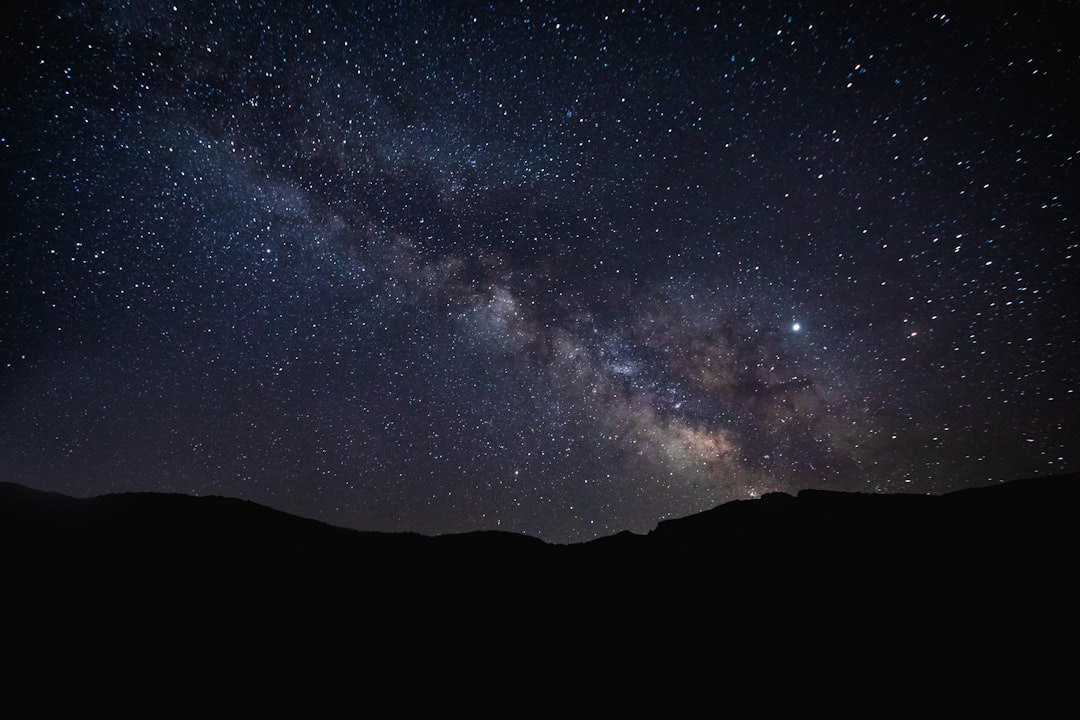
* Autumn (March–May): This is the gold standard for viewing the Milky Way core. The weather is warm, insects are fewer than in summer, and the sky tends to be clearer. It’s arguably the best season for a 10-day road trip across Australia focused on astronomy.
* Winter (June–August): The air is crisp and dry, leading to sharper images and the visibility of constellations like Orion and Scorpius. However, be prepared for freezing temperatures at 2 AM.
* Spring/Summer (Sept–Feb): The Southern Cross sits highest in the sky during these months, but you are fighting humidity and bugs. This is also when meteor showers like the Eta Aquariids peak, offering brief but spectacular displays of shooting stars.
Understanding these seasonal shifts ensures you aren’t just looking at the sky, but seeing what the sky has to offer *right now*.
The Gear vs. Gaze Debate: Practical Travel Info
The elephant in the room is this: Do you need a $2,000 telescope? For 90% of people, the answer is no.
The Beginner’s Truth
Telescopes have a notoriously narrow field of view. Beginners often spend more time hunting for an object than actually enjoying it. A pair of high-quality binoculars and your naked eye are often superior for the casual observer. You can’t truly appreciate the scale of the Milky Way through a tube; you need the panoramic immersion.
App Integration
For those who don’t know their stars, apps like *Night Sky* or *SkyView* are invaluable. They use augmented reality (AR) to overlay constellations on your camera feed, bridging the gap between ignorance and appreciation.
> Important: Be honest about your location. If you’re within 100km of a major city like Sydney or Melbourne, you are seeing the brightest stars, not the galaxy. Manage your expectations and head to true dark sky locations for the full experience.
Unexpected Discoveries & Local Secrets
Stargazing often yields moments you didn’t plan for. Take the time to reflect on the experience, not just the data.
The Shadow Story: On a recent trip through the Nullarbor, I experienced something visceral. The stars were so dense and bright that they actually cast a faint shadow on the sand beneath my feet. Looking down, I saw my own silhouette against the ground—a natural spotlight of billions of suns illuminating the earth below. It was a reminder that we are standing on a planet suspended in space, and for a moment, the universe felt intimate.
The Local Secret: In Victoria’s *Murray-Sunset National Park*, locals know to arrive before 7 PM because the park gates lock. But more importantly, the sand dunes there offer a unique elevation that reduces ground heat haze. This specific detail can mean the difference between a blurry image and a crystal-clear view of Jupiter’s moons.
A Personal Failure: I once tried to photograph the Milky Way using just a smartphone, failing miserably due to long exposure times and lack of manual controls. It was a humbling lesson: start with your eyes. Let the awe build before you worry about capturing it on a sensor. The memory of standing under that vast dome stays longer than any JPEG ever could.
Look Up: Your Invitation to the Dark
The next time you’re on an Australian road trip, don’t just drive through the night. Stop for it.
Australia holds some of the clearest skies on the planet, but only if you take the time to find them. Whether you are planning a quick escape or an epic Australia road trip itinerary, make sure to allocate time for the dark. Pick one location from this guide, drive away from the streetlights, and let the universe remind you of your place in it.
Frequently Asked Questions
When is the optimal time to begin stargazing preparation?
Stargazing preparation should commence three hours before the sun sets, not when darkness falls. The critical window is the ‘Blue Hour,’ which lasts 30 to 45 minutes immediately after sunset. During this period, the sky shifts from orange to a deep blue, allowing you to set up gear without damaging night vision. Additionally, the air is often stiller before ground heat rises and creates atmospheric distortion. This transition period is essential for establishing a comfortable viewing environment and ensuring your eyes can adjust to the changing light levels effectively.
Which Australian regions offer the best stargazing conditions?
The Nullarbor Plain along the SA/WA border is considered the premier destination for serious astrophotographers due to its unmatched scale of darkness. Highway 1 serves as a stargazing highway, with the edge of the Woomera Prohibited Area offering pristine conditions where visible light pollution is banned by defence regulations. For those in QLD/NT, the Simpson Desert and Mount Isa provide superior views of the Southern Cross and galactic centre, despite higher humidity. Coastal Dark Sky Parks near Sydney or Hattah Lakes in Victoria are recommended for beginners seeking accessible alternatives to the deep outback without enduring remote isolation.
What is the best season for viewing the Milky Way core?
Autumn, specifically from March to May, is the gold standard for viewing the Milky Way core. The weather is warm, insects are fewer than in summer, and skies tend to be clearer, making it ideal for a 10-day road trip across Australia focused on astronomy. Winter (June–August) offers crisp, dry air for sharper images of constellations like Orion and Scorpius but requires preparation for freezing temperatures. Spring and Summer (Sept–Feb) position the Southern Cross highest in the sky and peak meteor showers like the Eta Aquariids, though you must contend with humidity and bugs.
Do I need expensive telescopic gear for stargazing?
For 90% of observers, expensive telescopes are unnecessary and often counterproductive due to their notoriously narrow field of view. High-quality binoculars and the naked eye are superior for casual observers wishing to appreciate the panoramic scale of the Milky Way. If you do not know your stars, use augmented reality apps like Night Sky or SkyView to overlay constellations on your camera feed. Be honest about your location; if within 100km of major cities like Sydney or Melbourne, you will only see the brightest stars. Start with your eyes to build awe before worrying about capturing images on a sensor.

Be the First to Comment
Sign in to start the conversation.