



The humid air of a Byron Bay morning clings to your skin like a second layer, heavy with the scent of salt and eucalyptus. Underneath your sweaty palms, the rough, flaky texture of ancient grey gum bark offers an unpredictable grip. A hundred metres away, the rhythmic crash of the Pacific against Broken Head provides a constant, grounding soundtrack to your exertion. You hang suspended from a frayed rope swing, overlooking the turquoise coastline below, your heart pounding not just from the physical strain of holding on, but from the sheer, unfiltered joy of being alive in this specific landscape. This isn’t a gym with sterile mirrors and air conditioning; it is an immersive environmental experience where the “obstacle course” is defined by the living terrain of Northern New South Wales.
The Concrete Jungle vs. The Living Gym
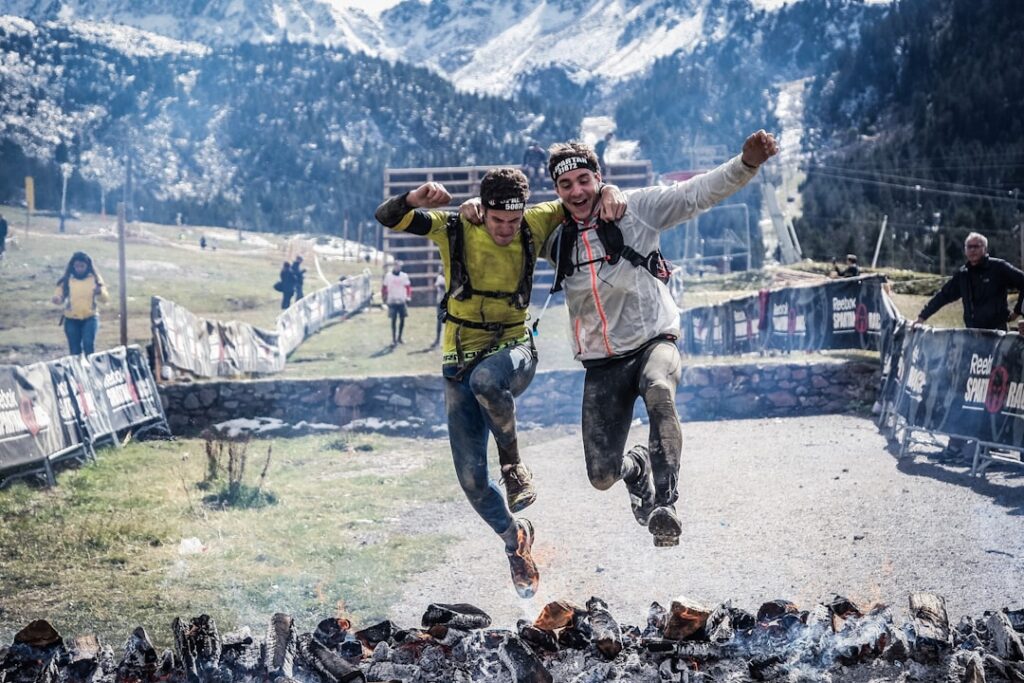
For those accustomed to the urban grind, “obstacle courses” often conjure images of inflated bouncy castles or muddy, mass-participation events like Tough Mudder. While those have their place in the calendar of Australian adventure sports, the Byron region offers something far more organic and technically challenging.
The beauty of the living gym lies in its integration with natural topography. Instead of artificial foam pits and plastic obstacles, the landscape itself dictates the route. In areas like the Byron Bay Community Park trails or the lower edges of Springbrook National Park, designers and local adventurers have utilised existing rock formations, fallen timber, and dense forest canopies to create routes that change with the seasons.
Unlike a standard urban setup, these courses demand respect for the environment. A misstep on wet basalt rock in Tweed Heads hinterland is far more consequential than slipping on a muddy water obstacle. The focus here shifts from pure endurance to technical agility, balance, and an intuitive understanding of natural materials. It is a raw interaction with nature that urban fitness enthusiasts often find missing in their daily routines.
Decoding the Terrain: A Local’s Cheat Sheet
Navigating these unmarked trails requires more than just brute strength. To train safely and effectively, you need to understand the nuances of the local geography and climate.
Gear Recommendations
When dealing with natural surfaces, standard gym gloves are often unnecessary—and sometimes counterproductive.
* Bare Hands vs. Chalk: For dry gum bark, bare hands provide the best tactile feedback. However, for slippery limestone formations near creek beds, grip-enhancing magnesium chalk is essential.
* Footwear: Hiking boots offer ankle support on uneven ground, but flexible trail runners allow for better grip on smooth rock faces. Avoid heavy boots for canopy-style obstacles.
* Protective Gear: Elbow and knee pads are highly recommended for sliding down loose gravel or ash slopes, which are common in these hinterland regions.
Seasonal Timing
Timing your session is critical, particularly during the transition months of late summer and early autumn.
| Season | Conditions | Recommended Action |
| :— | :— | :— |
| Summer | High humidity, midge activity | Avoid early morning; exercise in the late afternoon. |
| Autumn | Mild temperatures, lower pests | Ideal for all-day training sessions. |
| Winter | Cooler air, slippery moss | Use extra caution on shaded rock faces. |
| Spring | Wildflowers, unstable mud | Check creek levels before starting low-lying courses. |
Reading the Signs
Local signage differs significantly from international standards. Look for the simple white arrows painted on tree trunks, which denote difficulty levels rather than distance. A single arrow indicates a “ranger” level (beginner), while multiple arrows suggest advanced terrain requiring technical climbing skills. Always respect these markers, as they are often placed by locals who maintain the paths to prevent erosion and overuse.
Beyond the Grind: The Social & Spiritual Payoff
The true value of these community-driven obstacle spaces lies in the social fabric they build. It is rare to find a solo trainer here; instead, you will likely encounter groups of friends helping each other over high walls or sharing stories about the best local post-workout coffee spots.
However, it is important to be honest: not every spot is beginner-friendly. Some of the most rewarding courses are hidden in pockets of land that require local knowledge to access without trespassing.
The “Midge” Reality Check
If you train in the wooded areas during late summer (December to February), be prepared for biting midges. These tiny insects are attracted to the damp, shaded areas where many obstacles are located.
* Strategy: Apply DEET-based repellent to exposed skin, though be mindful of its effect on natural rubber ropes.
* Timing: Train at dawn or dusk when midge activity is lowest, despite the increased humidity.
* Clothing: Wear long, lightweight sleeves made of moisture-wicking fabric to create a physical barrier.
The Unexpected Discovery
A few years ago, I attempted a difficult route near Tweed Heads that ended in failure. After struggling with a particularly steep ascent, I stumbled upon a lesser-known pocket of the hinterland. Here, locals had built creative elements using repurposed truck tires and bamboo bridges—elements not found on any official map. This discovery taught me that the best courses are often word-of-mouth secrets, maintained by a small group of dedicated enthusiasts who value privacy and environmental preservation.
Key Takeaways
* Environment Matters: Prioritise natural, terrain-based courses over artificial setups for a more authentic Australian fitness experience.
* Respect the Seasons: Be aware of seasonal pests like midges and adjust your training schedule accordingly.
* Engage with Locals: The best routes are often shared through community interaction rather than official tourism guides.
* Safety First: Always check weather conditions and trail markers before embarking on a session.
Embracing the Imperfection
When you step onto these courses, you are signing up for more than just a workout. You are engaging with the land, respecting its rhythms, and connecting with others who share your passion for raw, unfiltered activity. The mud under your nails is not a sign of failure; it is a badge of honour, a testament to the fact that you chose joy over convenience.
So, I leave you with this question: When was the last time you got mud under your nails for no reason other than joy?
We want to hear from you. Have you stumbled upon a wild, unmarked obstacle course in your local area? Do you have a secret spot near Byron Bay or the Gold Coast that others should know about? Leave a comment below and share your story. Together, we can build a living resource that celebrates the rugged beauty of outdoor fitness in Australia.
Frequently Asked Questions
What distinguishes these natural obstacle courses from standard urban gym setups?
Unlike sterile gyms with air conditioning and inflated bouncy castles, these courses are integrated into the natural topography of Northern New South Wales. They utilise existing rock formations, fallen timber, and dense forest canopies in areas like Byron Bay Community Park or Springbrook National Park. This approach demands technical agility, balance, and respect for the environment, as missteps on wet basalt rock in Tweed Heads hinterland carry higher consequences than slipping on artificial obstacles. The focus shifts from pure endurance to an intuitive understanding of natural materials and the living terrain.
What gear is recommended for training on these specific natural surfaces?
Standard gym gloves are often unnecessary; bare hands provide better tactile feedback on dry gum bark, while magnesium chalk is essential for slippery limestone near creek beds. For footwear, flexible trail runners are preferred over heavy hiking boots to allow better grip on smooth rock faces, especially for canopy-style obstacles. Elbow and knee pads are highly recommended when sliding down loose gravel or ash slopes common in hinterland regions. Always prioritise gear that supports technical movement without hindering your interaction with the natural environment.
When is the best time of year to train on these outdoor courses?
Autumn is considered the ideal season for all-day training sessions due to mild temperatures and lower pest activity. While summer offers late afternoon opportunities, it comes with high humidity and midge issues, so early morning training should be avoided. Winter requires extra caution on shaded rock faces covered in slippery moss, and spring demands checking creek levels before starting low-lying courses. Timing your session to avoid transition months like late summer ensures a safer and more enjoyable experience.
How can beginners identify the difficulty levels of these unmarked trails?
Local signage differs from international standards, using simple white arrows painted directly on tree trunks to denote difficulty rather than distance. A single arrow indicates a ‘ranger’ level route, suitable for beginners, while multiple arrows suggest advanced terrain requiring technical climbing skills. These markers are often placed by locals who maintain the paths to prevent erosion and overuse, so it is crucial to respect them. Always check these signs before embarking on a session to ensure the route matches your technical abilities and safety requirements.



Be the First to Comment
Sign in to start the conversation.