


What’s stopping you from picking up a paddle—fear of the unknown, cost of gear, or simply not knowing where to start? These three barriers keep countless Australian adults on the sidelines of outdoor adventures, watching from shorelines instead of experiencing our waterways firsthand. Here’s what nobody tells you: kayaking dismantles every one of those excuses. On a still February morning on Brisbane Water, where the Central Coast’s drowned valley system spreads out like a liquid map, I took my first proper stroke and realised the barrier wasn’t capability—it was access to the right information. This guide exists to change that for you.
Why Kayaking is the Ultimate Gateway to Outdoor Activities for Adults
Among all outdoor activities beginners can try, kayaking occupies a unique sweet spot that makes it arguably the most accessible entry point for adults seeking connection with Australia’s natural landscape. Unlike hiking, which demands a baseline fitness level, or cycling, which requires significant upfront investment, kayaking meets you where you are—quite literally at water’s edge.
The psychological shift that occurs when you propel yourself across water is difficult to overstate. At water level, Australia’s geography reveals itself differently. The hustle of suburban life recedes. You’re not observing nature from a distance; you’re moving through it, part of the environment rather than separate from it. For adults whose outdoor experiences have been limited to backyard barbecues and occasional beach walks, this immersion can be genuinely transformative.
What Kayaking Actually Delivers (And What It Won’t)
Let’s be honest about what kayaking won’t give you, because overselling outdoor activities helps no one:
- Instant fitness: Your first few paddles will humble you. Shoulders you forgot existed will remind you of their presence. Fitness comes, but gradually.
- Instagram-perfect moments without effort: Those serene shots of paddlers against sunset backdrops? They follow hours of skill development, weather monitoring, and early alarm clocks.
- Social media fame: Most worthwhile paddling destinations have zero reception. The disconnect is part of the appeal.
What kayaking does deliver:
- Mediative movement: The rhythm of paddling induces a flow state that busy adults rarely experience elsewhere.
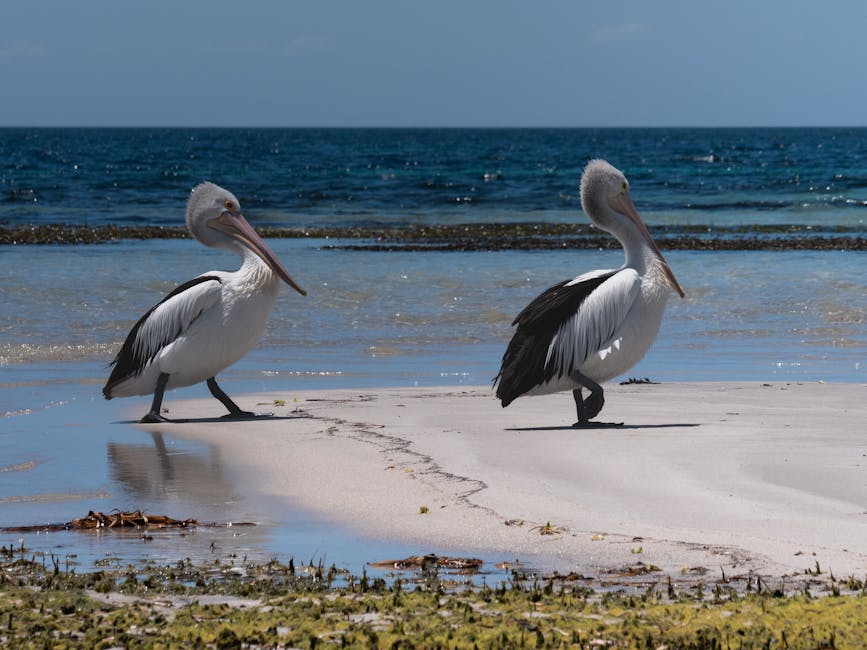
- Wildlife encounters: Paddling quietly brings you closer to Australian wildlife than almost any other activity. Rays beneath your hull, sea eagles overhead, curious seals in southern waters.
- Progressive mastery: Unlike some outdoor pursuits where progression means going harder or faster, kayaking offers technical depth that rewards patience and practice.
- Community without competition: The paddling community, particularly in Australia, tends toward generosity rather than gatekeeping.
The Central Coast Case Study
The Central Coast of New South Wales serves as a perfect demonstration of why kayaking works so well for outdoor activities beginners. Within a compact geographic area, you have:
- Brisbane Water’s protected bays—essentially a beginner’s training ground
- The expansive Brisbane Water National Park shoreline, accessible only by water
- Woy Woy’s mangrove systems, offering flatwater exploration rich with birdlife
- Open coast options at Terrigal and Avoca for those ready to progress
This variety means a complete novice can develop skills progressively without travelling significant distances. Melbourne offers similar progression opportunities through Port Phillip Bay, the Yarra River, and the Gippsland Lakes system—though the water temperatures demand more respect for safety equipment.
The No-BS Guide to Starting Without Spending a Fortune
The perception that outdoor activities for adults require substantial financial investment keeps many people from beginning. Kayaking can be expensive—absolutely—but it doesn’t have to be. The pathway from curious observer to confident paddler can be navigated affordably, particularly if you know where to look for free outdoor activities Melbourne and other Australian cities offer.
Finding Free and Low-Cost Kayak Access Points
Before you even consider buying equipment, you need to know where you can legally and safely launch. Here’s the reality that tourism brochures won’t tell you:
Melbourne Free Launch Spots:
- Yarra River (various points): The section between Dights Falls and the CBD offers relatively protected paddling. Launch from the banks near Fairfield Park or the Victoria Street boat ramp.
- Albert Park Lake: Flat, protected, and surprisingly pleasant despite the urban setting. Popular with beginners for good reason.
- Elwood Canal to Elwood Beach: A unique urban paddle that transitions from canal to Port Phillip Bay. Timing with tides is essential.
- Maribyrnong River: Less crowded than the Yarra, with interesting industrial-wilderness transitions.
Central Coast Free Launch Spots:
- Woy Woy Waterfront: Multiple street-end launches provide access to Brisbane Water’s most protected sections.
- Ettalong Beach western end: When conditions are calm, this provides access to the Brisbane Water entrance.
- Patonga Creek: A hidden gem offering mangrove exploration with minimal current or wave action.
- Tuggerah Lakes: Massive shallow lake system ideal for absolute beginners. Multiple informal launch points around the shoreline.
Hiring vs. Buying: A Reality Check
For outdoor activities beginners, the hire-versus-buy decision shouldn’t be a decision at all initially—hire. Here’s the mathematics that retailers won’t share:
| Option | Approximate Cost | When It Makes Sense |
|---|---|---|
| Single kayak hire (hourly) | $25–$40/hour | First 3–5 paddles to confirm interest |
| Single kayak hire (half-day) | $60–$90 | Day trips while building skills |
| Entry-level recreational kayak (new) | $450–$800 | After 10+ paddles, committed to regular use |
| Quality used kayak | $300–$600 | When you know what specifications suit you |
| Club membership with gear access | $100–$200/year | Best value for regular paddling without storage |
The hiring phase teaches you more than you realise. Different kayaks suit different bodies and paddling styles. That sleek touring kayak you admired online might prove uncomfortable for your frame. That wide, stable “beginner” kayak might feel frustratingly slow once you develop basic technique.
The Three Pieces of Gear You Actually Need
Retailers will attempt to sell you seventeen items before you’ve completed your first stroke. Resist. For outdoor activities beginners exploring kayaking, the essential list is short:
- A properly fitting PFD (Personal Flotation Device): This is non-negotiable. Australian law requires PFDs in most situations, and the law exists for excellent reasons. Hire operations provide these. If buying, spend the money for comfort—a PFD you don’t wear because it’s uncomfortable is worthless.
- Sun protection: Australia’s UV levels demand respect. A broad-brimmed hat that won’t blow off, sunglasses with a retainer strap, and water-resistant sunscreen form your second essential category.
- Appropriate footwear: Thongs are inadequate. You need something that stays attached when wet and protects against oysters, broken glass, and sharp rocks. Old sneakers work. Dedicated water shoes are better.
Everything else—dry bags, bilge pumps, paddle leashes, specialised clothing—can wait until you’ve established whether kayaking is your thing.
The Gear Retailers Will Push (And Whether You Need It)
- Paddle leash: Useful but not essential for calm water. Worth having for any open water paddling.
- Dry bag: Extremely useful for phones, keys, and snacks. Budget $20–$30 for a decent one.
- Bilge pump: Essential for sea kayaking. Unnecessary for protected flatwater paddling as a beginner.
- Paddle jacket: Melbourne paddlers will want one by late autumn. Central Coast paddlers can manage without for most of the year.
- Wetsuit: Only necessary if you’re paddling in winter or planning to capsize regularly (which beginners sometimes do).
Water Reading: The Skill No One Teaches Beginners
This section exists because most outdoor activities beginners learn water-reading through unpleasant experiences. I did. A capsizing in Port Phillip Bay during my third paddling season nearly ended my kayaking journey before it properly began. The water temperature was 14°C, I’d misread the wind forecast, and I was dressed for a summer paddle. The ensuing scramble to shore, shivering uncontrollably while lying on a sun-warmed rock, taught me more about preparation than any course could have.
Let me save you some shivering.
Understanding Australian Water Conditions
Australian waters present specific challenges that differ from northern hemisphere paddling environments. Our tide ranges are generally moderate, but tidal currents can be surprisingly strong in restricted passages. Our water temperatures, while never Arctic, can cause hypothermia year-round in southern states. And our weather can shift with startling speed.
Tides and Their Effects:
- Most Australian east coast locations experience two high and two low tides daily, with approximately 6 hours between each.
- Tidal range varies dramatically: 1–2 metres in southern NSW, up to 8 metres in northern Western Australia.
- Tidal currents are strongest in narrow passages and around headlands. Brisbane Water’s entrance can produce currents that challenge strong paddlers.
- Launching at low tide often means a longer carry across mudflats. Launching at high tide provides easiest access.
Wind Patterns and Paddling
For outdoor activities beginners, wind is often the factor that transforms a pleasant paddle into an ordeal. Understanding Australian wind patterns improves both safety and enjoyment:
Southerly Busters (Sydney/Central Coast): These dramatic wind shifts can arrive with minimal warning, typically in warmer months. A calm morning can transform into a 40+ km/h southerly within 30 minutes. The sky often provides warning—a dark roll cloud approaching from the south—but you need to be watching for it.
Afternoon Sea Breezes: Coastal locations commonly experience strengthening onshore winds from early afternoon. For beginners, this means starting early (dawn to 10am) often provides the calmest conditions.
Melbourne’s Variable Conditions: Port Phillip Bay deserves its reputation for rapidly changing conditions. The expression “four seasons in one day” exists for good reason. Check Bureau of Meteorology forecasts immediately before departure, and have an exit plan if conditions deteriorate.
Recognising When Conditions Exceed Your Skill Level
Here’s an honest assessment framework for outdoor activities beginners:
| Condition | Green Light | Yellow Light | Red Light |
|---|---|---|---|
| Wind speed | Under 10 km/h | 10–15 km/h | Over 15 km/h or gusting |
| Wave height | Flat to 10cm ripples | 10–30cm chop | Over 30cm or breaking waves |
| Visibility | Clear, unlimited | Some haze, 1km+ | Fog, rain, under 500m |
| Current | Negligible | Noticeable but manageable | Struggling to make forward progress |
| Distance from shore | Within 100m | 100–300m | Over 300m offshore |
Any single red light condition means postponing your paddle. Multiple yellow lights should prompt serious consideration of whether your skills match the conditions.
Maps, Communities, and Resources: Your Paddling Toolkit
One of the barriers preventing adults from pursuing outdoor activities is the sense of needing to figure everything out alone. You don’t. Australia’s paddling community, while smaller than in some nations, is generally welcoming and eager to share knowledge. The key is knowing where to look.
Finding Your Paddling Community
The “community paddle” moment transformed my own relationship with kayaking. As a complete outsider to the Melbourne paddling scene, I joined a group paddle organised through a local club’s Facebook page. I didn’t know the terminology, felt awkward asking basic questions, and worried I’d hold everyone back. One experienced paddler—Graham, a retiree who’d been paddling for decades—noticed my hesitation and spent the entire three-hour paddle within conversation distance, offering tips without condescension and sharing local knowledge that no guidebook covers. That generosity is typical of Australian paddling culture.
Finding Clubs and Groups:
- Paddle Australia: The national governing body maintains a club directory. Clubs range from competitive racing to recreational touring.
- Facebook groups: Search for your location plus “kayaking” or “paddling.” Most Australian cities have active groups where beginners can connect with experienced paddlers.
- Meetup: Melbourne and Sydney both have active paddling meetup groups that welcome newcomers.
- Local hire operations: Staff often know about informal paddling groups and can connect you with the local community.
Honest Assessment of Club Cultures:
Not all clubs equally embrace outdoor activities beginners. Some observations:
- Racing-focused clubs often have structured programs for newcomers but may emphasise competition over exploration.
- Sea kayaking clubs typically require demonstrated skills before joining trips, for excellent safety reasons, but often offer training pathways.
- Recreational touring clubs generally offer the most welcoming environment for beginners seeking social paddling experiences.
- University clubs provide excellent value but may have age restrictions or limited schedules during academic breaks.
Free Online Resources for Trip Planning
The following resources cost nothing but significantly improve your paddling experience:
Weather and Conditions:
- Bureau of Meteorology (bom.gov.au): The authoritative source for Australian weather. Check both general forecasts and marine warnings.
- WillyWeather: Excellent for tide predictions and detailed wind forecasts specific to your location.
- Seabreeze: Popular with sailors and paddlers for visual wind and wave forecasts.
Navigation and Planning:
- NSW Maritime Boating Map: Free downloadable maps showing navigation channels, speed limits, and hazards for NSW waterways.
- Transport Safety Victoria: Similar resources for Victorian paddlers.
- Google Earth: Invaluable for scouting launch points, identifying potential landing spots, and understanding waterway geography before you arrive.
Guided Tour Operators: When to Pay for Expertise
While free outdoor activities in Melbourne and elsewhere can meet most of a beginner’s needs, professionally guided tours serve specific purposes:
- Skill development: A half-day lesson with a qualified instructor accelerates learning dramatically compared to self-teaching.
- Access to specialised locations: Some of Australia’s best paddling destinations (wilderness areas, remote coastlines) are best accessed with experienced guides.
- Safety in challenging conditions: Open water crossings, surf zones, and tidal races require skills developed over years. Guided experiences let you taste these environments safely.
Central Coast Recommended Operators:
- Brisbane Water kayak
Frequently Asked Questions
What essential gear do I need to start kayaking in Australia?
For beginners, you only need three essential items: a properly fitting PFD (Personal Flotation Device), which is required by Australian law in most situations; sun protection including a broad-brimmed hat that won’t blow off, sunglasses with a retainer strap, and water-resistant sunscreen; and appropriate footwear that stays attached when wet and protects against oysters, broken glass, and sharp rocks. Old sneakers work, though dedicated water shoes are better. Items like dry bags ($20–$30), paddle leashes, and bilge pumps can wait until you’ve established whether kayaking is your thing.
How much does it cost to start kayaking as a beginner?
Start by hiring rather than buying. Single kayak hire costs $25–$40 per hour for your first 3–5 paddles, or $60–$90 for half-day trips while building skills. Only consider purchasing after 10+ paddles when you’re committed to regular use. Entry-level recreational kayaks cost $450–$800 new, or $300–$600 for quality used options once you know what specifications suit you. Club membership with gear access offers the best value at $100–$200 per year for regular paddling without storage concerns.
When is the best time to go kayaking for beginners in Australia?
Start early in the day, typically from dawn to 10am, to avoid afternoon sea breezes that commonly strengthen from early afternoon at coastal locations. Arriving before 8am also helps you avoid both crowds and parking fees at popular locations. Be particularly cautious of Southerly Busters on the Sydney and Central Coast—these dramatic wind shifts can arrive with minimal warning in warmer months, transforming calm conditions into 40+ km/h winds within 30 minutes.
How do I know if water conditions are safe for my skill level?
Use the traffic light assessment framework: Green light conditions include wind under 10 km/h, flat to 10cm ripples, clear unlimited visibility, negligible current, and staying within 100m of shore. Yellow light conditions (10–15 km/h wind, 10–30cm chop, some haze, noticeable current, 100–300m offshore) require serious consideration. Any single red light condition—wind over 15 km/h or gusting, waves over 30cm or breaking, visibility under 500m, struggling to make forward progress, or over 300m offshore—means you should postpone your paddle.
Where can I find free kayak launch spots in Melbourne and the Central Coast?
Melbourne offers several free launch locations: the Yarra River between Dights Falls and the CBD (launch from Fairfield Park or Victoria Street boat ramp), Albert Park Lake for flat protected paddling, Elwood Canal to Elwood Beach (time with tides), and the less crowded Maribyrnong River. On the Central Coast, try Woy Woy Waterfront with multiple street-end launches, Ettalong Beach western end when calm, Patonga Creek for mangrove exploration, and Tuggerah Lakes with multiple informal launch points. Most Australian waterways have free public access points, though parking may attract fees at popular spots.
Be the First to Comment
Sign in to start the conversation.