



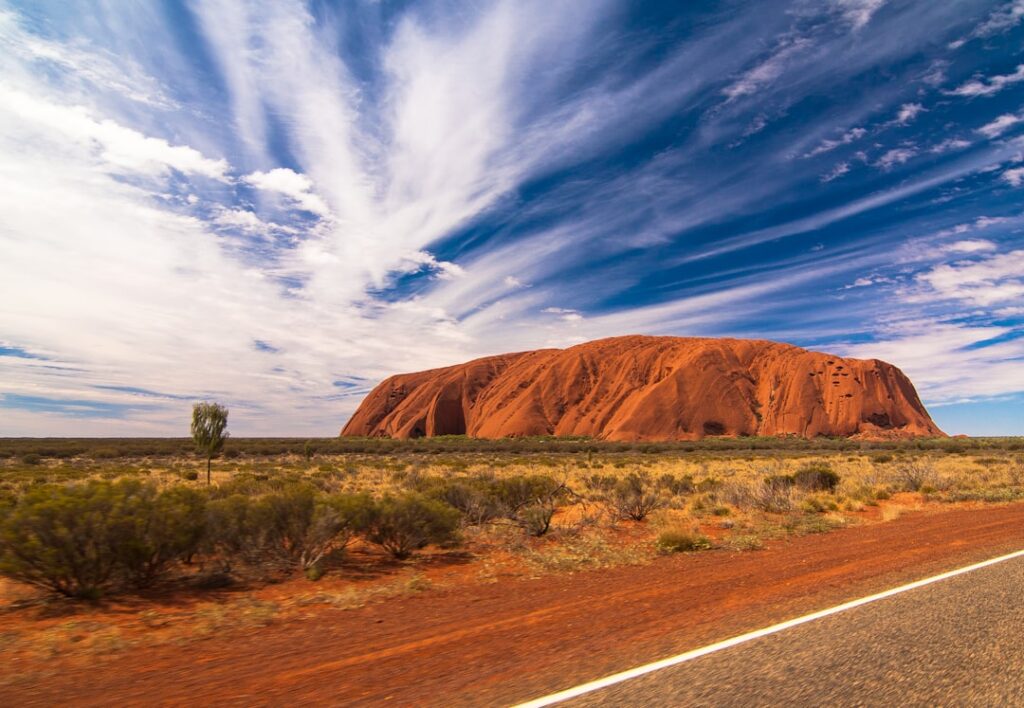
🔥 The smell of eucalyptus fills your lungs as you step onto the red earth track, the crunch of dry leaves underfoot mixing with the distant call of kookaburras – that’s the Aussie hiking experience I fell in love with five years ago!
🎒 What You’ll Need (prereqs)
Before you hit the tracks, you’ll wanna get your gear sorted. First up, a decent pair of hiking boots – gotta break ’em in before a big one! Then a reliable backpack with at least 20L capacity, quick-dry clothing (no cotton mate, it’s a moisture magnet!), sunnies, a wide-brimmed hat, and at least 2L of water. Oh, and don’t forget the insect repellent – those mozzies don’t mess around! For longer hikes, pack a basic first aid kit, some high-energy snacks like trail mix or muesli bars, and a weatherproof jacket. If you’re planning multi-day hikes, add a tent, sleeping bag, and portable stove to your list.
1️⃣ Choose Your Track Wisely
Australia’s got tracks for every level, from easy coastal strolls to challenging mountain climbs. Start by checking out websites like AllTrails or the National Parks website for ratings and reviews. For beginners, I’d recommend the Blue Mountains National Park – it’s got heaps of options like the Wentworth Falls Track or the Three Sisters walk. If you’re after something coastal, check out the Coastal Track in Royal National Park. Always check the difficulty level, distance, and estimated time before you commit. Remember, what looks easy on paper can be a whole different story when you’re out there!
2️⃣ Plan Your Route and Timing
Timing is everything when hiking in Australia. Mornings are your best bet – start early to avoid the midday heat, especially in summer. Most tracks recommend starting by 8 AM at the latest. Check the weather forecast religiously – those summer storms can roll in quick! For multi-day hikes, plan your daily distances realistically. I’ve learned the hard way that what Google Maps says is 3 hours might actually be 5 when you’re taking photos and navigating tricky sections. Always tell someone your plans and expected return time – safety first, always!
3️⃣ Master the Aussie Hiking Techniques
Aussie hiking has its own unique rhythm. First up, pace yourself – those steep ascents can knock the wind out of you if you go too hard too soon. Use a hiking pole if you’ve got one, they’re a ripper for saving your knees on the way down. Watch out for wildlife – give snakes plenty of space (they usually move off when they hear you coming), and never feed the wildlife – no matter how cute those kangaroos look! Learn to read the tracks too – if you’re on a well-worn path, chances are you’re heading the right way. And always, always take your rubbish with you – we’re lucky to have these beautiful spots, let’s keep ’em that way!
4️⃣ Stay Safe and Hydrated
This one’s crucial in the Australian bush. The sun can be brutal, so reapply sunscreen every two hours and wear that hat. Drink water regularly – don’t wait till you’re thirsty! I’ve got a personal rule – if I’m feeling thirsty, I’m already dehydrated. For longer hikes, consider electrolyte tablets to keep your salts up. Watch out for signs of heat exhaustion – dizziness, nausea, or headaches. If you feel any of these, stop, find some shade, and hydrate immediately. And remember, in summer, some tracks close when the fire danger rating is high – always check before you go!
5️⃣ Capture the Experience Responsibly
We all want those Insta-worthy shots, but don’t let it ruin your experience. Set aside time for photos without rushing. When taking pics of wildlife, use zoom instead of getting too close – for both your safety and theirs. If you’re sharing your hike online, consider not posting the exact location of sensitive spots – helps prevent overcrowding. And remember to put your phone away sometimes and just soak it all in – the sounds, the smells, the feeling of accomplishment when you reach the top. That’s the real magic of hiking in Australia!
💡 Pro Tips for the Aussie Bush
After years of exploring, I’ve picked up a few tricks. Always carry a satellite communicator or at least download offline maps – some areas have zero phone coverage. Pack a lightweight emergency shelter – even a space blanket can save your life if you get caught out. Learn to identify some basic bush tucker – native fruits like quandongs or lilly pilly can make a great snack. And most importantly, embrace the ‘leave no trace’ principle – if it came in with you, it comes out with you. The more we respect these places, the longer they’ll be around for all of us to enjoy!
📋 Practical Info
📍 Varies by location – popular starting points include Blue Mountains National Park (NSW 2787), Royal National Park (NSW 2230), and Wilsons Promontory National Park (VIC 3956)
🚗 From Sydney, Blue Mountains is approx 2 hours by car or train; Royal National Park is 1 hour by car; Wilsons Promontory from Melbourne is 3 hours by car
💰 National park entry fees vary – $12 per vehicle per day for most NSW parks, $11.20 per vehicle per day for Victoria. Multi-day passes available. Free entry for walking/cycling in some areas.
🕐 Most parks are open daily, dawn to dusk. Check specific track opening hours as some close during extreme weather conditions or fire bans.
⏱️ Half day to multi-day hikes available – choose based on fitness level and experience. Popular beginner tracks range from 1-4 hours.
💡 Tips & Warnings
✅ Start early to avoid midday heat and crowds, especially in summer months
❌ Don’t rely on mobile phone service – download offline maps before you go
✅ Do tell someone your plans and expected return time – safety first!
⚠️ ⚠️ Watch out for wildlife – give snakes plenty of space and never approach kangaroos at dawn/dusk when they’re most active
🚀 Give it a crack and let me know how you go! 🚀 There’s nothing like that feeling of standing on a ridge with nothing but bush around you – you won’t regret getting out there!
#australianhiking #outdooradventure #bushwalking #hikingaustralia #exploremore #naturelover #aussieoutdoors #hikingtips




Be the First to Comment
Sign in to start the conversation.