


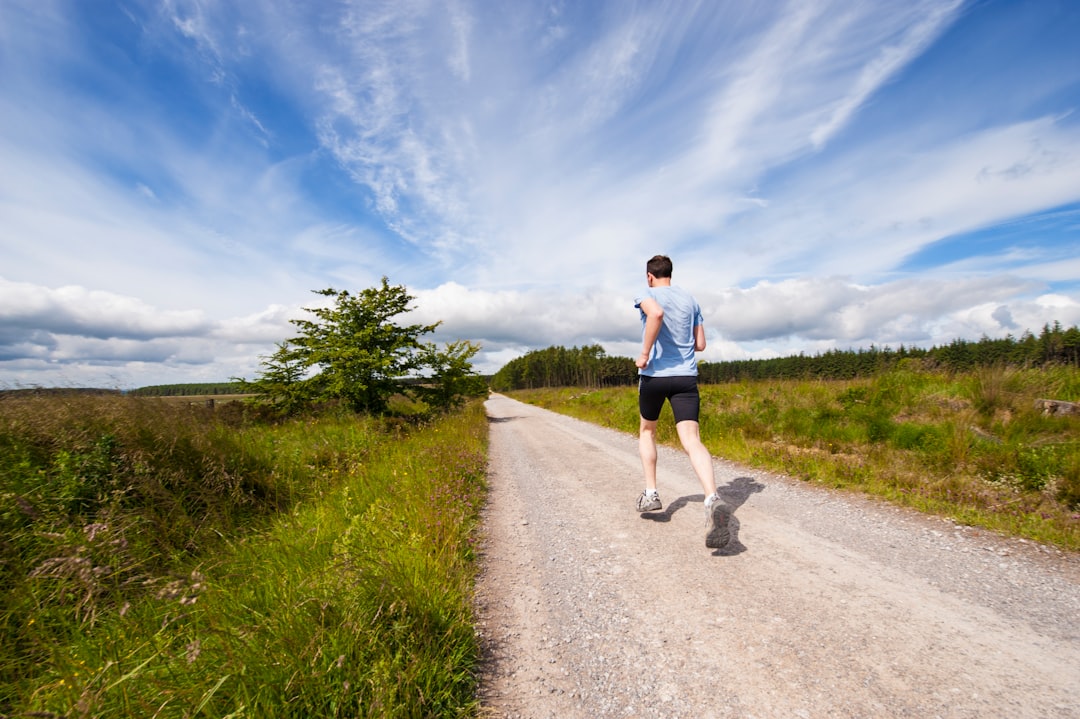
The salt-heavy air presses cool against your lungs, carrying the distinct, bracing scent of dried saltbush and ancient eucalyptus. Beneath your feet, the gravel crunches rhythmically—a sharp counterpoint to the distant, thunderous roar of the Southern Ocean battering the limestone cliffs. You stand at the threshold of a new reality, your calves already burning slightly from the incline of Flinders Chase National Park’s rugged edge. The wind resists your forward motion, a physical weight on your skin, while the visual contrast of stark white cliffs against the deep, churning blue water demands absolute presence. This is not merely a place to run; it is an immersive sensory experience that defines the unique character of Kangaroo Island.
The Terrain’s Personality: Understanding the Landscape
Kangaroo Island (KI) is not just a backdrop for your run; it is an active participant that dictates your pace, your strategy, and ultimately, the quality of your training. Located just 13 kilometres off the coast of South Australia, this island is a geological masterpiece formed over millions of years. It sits in the backdrop of the state’s rich biodiversity, offering a unique convergence of coastal scrub, sandy tracks, and towering limestone formations that create one of Australia’s most demanding yet rewarding outdoor fitness environments.
Geological Dictates and Running Mechanics
The island’s terrain is characterised by its “unforgiving” nature. Unlike the forgiving loam of mainland city parks, KI’s trails are often a mix of loose limestone, compacted sand, and rocky outcrops. This variable surface engages stabilizer muscles that are rarely utilised on flat, paved paths.
* Limestone Formations: The Flinders Chase area features eroded limestone arches and caves (like Admiralty Arch). Running here requires high visual acuity. You must constantly scan for slippery patches, particularly in the shade where morning dew or salt spray can create a hazard.
* Coastal Scrub: The dense undergrowth along trails like the Rocky River track creates narrow corridors. Here, the focus shifts to agility and quick footwork, navigating around roots and protruding rocks that characterise the island’s harsh coastal winds.
* Sandy Tracks: In areas like Stokes Bay, the soft sand demands higher energy expenditure but offers a low-impact workout for your joints. It is an excellent tool for building cardiovascular endurance without the repetitive stress of pavement.
This geological diversity offers a “best outdoor fitness” benefit for serious athletes seeking diverse stimuli. By training on these unstable surfaces, you are not just improving your aerobic capacity; you are building a robust musculoskeletal system capable of handling unpredictable environments.
> Pro Tip: Treat every run on Kangaroo Island as a technical skill session. Do not rely solely on cardiovascular fitness. Spend the first 10 minutes of your run focusing purely on foot placement and cadence. This mindful approach prevents ankle injuries, which are the most common ailment among visitors unfamiliar with loose limestone.
The Microclimate Advantage
Kangaroo Island’s geography creates distinct microclimates that affect training adaptation. The northern coast, near American River, tends to be slightly more sheltered and warmer, offering a faster training environment. In contrast, the southern coast—home to Cape Borda and the Nepean Trail—is exposed to relentless westerly winds from the Great Southern Ocean.
For the serious athlete, this is a value proposition for elevation and resistance training. The constant wind shear on the southern headlands acts as an invisible resistance band, forcing your core and upper body to work harder to maintain balance and posture. This is “active outdoor fitness” in its purest form, where the environment itself provides the resistance training.
The Skill Spectrum: Tailored Trails for Every Runner
To truly appreciate Kangaroo Island, you must match your ability to the terrain. The island’s trail network is extensive, but it is poorly signposted in many remote areas, making self-sufficiency and accurate planning essential. Below, we deconstruct the trails into three distinct tiers: The Family Stroll, The Weekend Warrior, and The Island Challenge.
Tier 1: The Family Stroll (Accessible & Scenic)
These trails are ideal for beginners, families with older children, or runners looking to acclimatise to the island’s unique atmosphere. The surfaces are generally stable, and the distances are manageable within an hour or two.
* Nepean Trail (Loop):
* Distance: 13.5km loop (can be shortened).
* Elevation Gain: Minimal (~100m).
* Description: This is the quintessential KI running experience. The trail connects the historic Nepean Point (where you can visit the lighthouse) to the sea cliffs. The path is wide and relatively flat, offering panoramic views of Kangaroo Island National Park without the technical difficulty of steeper climbs.
* Technical Tip: Watch for large chunks of limestone that have fallen from the cliffs onto the track. These are not just geological features; they are obstacles. Step over them quickly to maintain momentum.
* American River Circuit:
* Distance: 5km loop.
* Elevation Gain: Low (~50m).
* Description: A gentle run through the bushland surrounding the American River mouth. This area is rich in birdlife, including the endangered regent honeyeater. The trail is well-defined and offers a mix of shade and sun, making it comfortable for mid-morning runs.
Tier 2: The Weekend Warrior (Moderate Elevation & Technicality)
For those with a baseline of fitness, these trails offer moderate challenges. They require good balance, some experience with uneven terrain, and a willingness to push your heart rate higher.
* Rocky River Track:
* Distance: 7km one-way (point-to-point).
* Elevation Gain: ~300m.
* Description: This trail winds through dense coastal scrub to reach the dramatic Rocky River gorge. The challenge here is not just the elevation but the “hidden” terrain. Large boulders litter the path, requiring you to pick your line carefully.
* Technical Tip: The trail is often shaded and damp, making the limestone slippery. Use trekking poles if you are unstable on steep descents. This is a technical skill that translates directly to safer running on any rocky terrain.
* Emu Creek Falls Track:
* Distance: 4km return.
* Elevation Gain: ~150m.
* Description: A shorter but steeper climb through tall eucalypt forest. The payoff is a view of the waterfall (when water levels permit). This trail tests your leg strength and cardiovascular endurance in a concentrated burst.
> Quick Fact: Did you know that Kangaroo Island is the third-largest island in Australia? Its vast size means that “short” trails can feel longer due to the isolation and lack of shelter. Always plan your run based on exertion, not just distance.
Tier 3: The Island Challenge (Extreme Elevation & Remote Navigation)
These are not runs for the faint-hearted. They require advanced navigation skills, physical resilience, and a commitment to self-sufficiency. These trails offer the “authentic experience” of trail running in its most raw form.
* Cape Borda to Rocky River (The Coastline Traverse):
* Distance: 18km one-way.
* Elevation Gain: ~600m+.
* Description: This is the premier long-distance trail on the island. It connects two of KI’s most iconic headlands via rugged coastal paths. The wind here is relentless, often gusting over 60km/h. The terrain shifts from sandy beaches to rocky escarpments, demanding constant adaptation.
* Technical Tip: This is an exposed run with no services. You must carry all your water, nutrition, and emergency gear. The “honest limitation” of KI is the lack of mobile coverage in these remote pockets; a satellite communicator (like a Garmin inReach) is not just recommended—it is a safety necessity.
* Kutinta Track (North West Section):
* Distance: 12km+ loop.
* Elevation Gain: ~400m.
* Description: Located in the remote north-west, this track traverses through some of the island’s most pristine wilderness. It is less trafficked than Flinds Chase, offering a sense of true isolation. The trail features steep ascents through scrub and descents into rocky creek beds.
> Important: For any Tier 3 run, file a trip plan with your accommodation provider or a local contact. Do not rely on mobile phones for emergency comms in these remote zones. The isolation is part of the charm, but it demands respect and preparation.
The Logistics of Adventure: Planning Your Pre-Flight Checklist
Running on Kangaroo Island is a logistical puzzle that requires careful planning. The island’s remote location means that resources are limited, and services are sparse outside of the main settlements like Penneshaw and Kingscote.
Ferry Logistics and Timing
Your running adventure begins with the journey to the island. Sealink Ferries operates daily services from Cape Jervis on the mainland to Penneshaw on KI.
* Booking Strategy: Book your ferry tickets at least 48 hours in advance, especially during peak seasons (December to February). Running gear takes up space; consider packing lightweight, moisture-wicking fabrics rather than bulky cottons.
* Timing: Arrive early in the morning if possible. This allows you to hit the trails while the air is cool and the light is soft for photography, without the midday heat and glare.
Accommodation and Base Camps
Choosing the right base camp is critical for efficient running.
* Kingscote: The largest town, offering the most amenities (cafes, gear shops). Ideal for “base and explore” runs.
* American River: A smaller, quieter settlement perfect for accessing the northern trails (Nepean Trail, American River Circuit).
* Parattah: A remote hamlet in the south-west. Staying here allows for immediate access to the Cape Borda traverse, but you must be fully self-sufficient as there are no shops nearby.
> Expert Tip: Look for accommodation that offers “secure storage” for your running gear and vehicle. Many island guests leave their rental cars at the accommodation, allowing them to run point-to-point without worrying about parking.
Essential Gear and The “Honest Limitation”
Kangaroo Island’s environment is harsh. The sun is strong, the wind is constant, and the terrain is unforgiving. Your gear list must reflect this reality.
* Footwear: Do not wear road running shoes. Opt for trail runners with aggressive lugs (Vibram Megagrip or similar) to handle wet limestone and sand. Ensure they are broken in before arriving on the island.
* Hydration: Carry at least 1-2 litres of water per hour for Tier 2 and 3 runs. There are no public water refill stations on the trails.
* Navigation: Download offline maps using apps like Avenza Maps or AllTrails. Do not rely on real-time GPS data, as signal drops are common in the gorge areas.
* Communication: As mentioned, a satellite communicator is essential for remote runs. For shorter trails, ensure your phone is fully charged and you have a portable power bank.
Resource Links and Local Contacts
* Map Providers: Avenza Maps offers paid, detailed maps of KI trails. AllTrails has user-generated reviews but may lack the precision needed for remote navigation.
* Local Outfitters: Visit “Kangaroo Island Outdoor” in Kingscote for gear advice and rentals. They can also provide current trail conditions, which change rapidly after rain.
* Emergency Contacts: Save the local ranger station numbers and the South Australia Police non-emergency line. In case of emergency, dial 000 from any mobile phone, even without a signal (if network coverage is available).
Key Moments: The Reality of the Trail
To truly understand trail running on Kangaroo Island, one must look beyond the maps and statistics. It is in the unscripted moments that the true value of this environment reveals itself.
The Unexpected Discovery: A Wallaby Family in Saltbush
I remember a run planned for the Nepean Trail. The wind was howling, forcing me to divert inland towards a less-tracked bush path near Parattah. I was frustrated, my pace slowed by the dense scrub and thick saltbush. But then, through a gap in the trees, I saw them: a family of Eastern Grey Kangaroos grazing in a sun-drenched clearing. They froze, ears twitching, watching my approach with calm curiosity. In that moment, the frustration of a ruined plan vanished. This was not a bug; it was the feature. The unpredictability of KI’s terrain forces you to slow down, to look around, and to engage with the environment rather than just pushing through it. It is a reminder that outdoor fitness is as much about mental presence as physical exertion.
The Honest Limitation: Underestimating the Wind Shear
There is a lesson written in salt and sweat on the southern coast: respect the wind. I once attempted the Cape Borda traverse without adequate layering, underestimating the cold shear that drops temperatures by 10 degrees once you crest the headland. By the 15km mark, my core temperature had plummeted, and I was shivering violently, forcing a premature end to the run. This experience taught me a non-negotiable rule for KI running: always carry a windproof shell, even in summer. The rapid temperature drops and high winds are not minor inconveniences; they are significant environmental factors that can turn a pleasant run into a dangerous situation. This “honest limitation” of the island’s weather patterns demands respect and preparation.
The Local Knowledge Gem: Timing the Rocky River Tide
Most guidebooks will tell you to run the Rocky River trail early in the morning. While beautiful for photography, this is often a mistake during low tide. The rocky creek beds are exposed only when the tide recedes, revealing unique rock formations and safer footing. However, if you run too early, the tide may not have receded enough, leaving sections of the trail submerged and slippery. The local wisdom is to run mid-afternoon when the tide has fully receded, revealing the intricate rock pools and allowing for a safer, more technical exploration of the gorge. This specific timing tip demonstrates that deep, on-the-ground expertise is often found not in guides, but in the conversations with local rangers and long-term residents.
Conclusion: The Invitation to Connect
Kangaroo Island is not just a destination for trail running; it is a transformative training ground that challenges your body and soothes your mind. The lingering feeling after a long run on the southern coast—the quiet satisfaction of having navigated both landscape and self—is unlike any other experience. It is a blend of physical exhaustion and profound peace, a testament to the power of connecting with nature in its most raw form.
So, as you stand at the edge of your next run, asking yourself what lies ahead, consider this: What will you hear when the wind dies down? Will it be the crash of the waves, the rustle of saltbush, or your own steady breath?
This article is not an end-point; it is the starting line. We encourage you to dive deeper into our curated, living resource hub for real-time trail conditions, community stories, and updated gear recommendations. Your Kangaroo Island adventure awaits—not just as a run, but as an exploration of what is possible when you step off the pavement and into the wild.
Frequently Asked Questions
How do I access Kangaroo Island for a trail running trip, and what are the key booking requirements?
To reach Kangaroo Island, you must take a Sealink Ferry from Cape Jervis on the mainland to Penneshaw. It is critical to book your ferry tickets at least 48 hours in advance, particularly during peak seasons between December and February. To maximise your running time, aim to arrive early in the morning when air temperatures are cooler and light is soft for photography. This logistical step ensures you have ample daylight to tackle trails like the Nepean Trail or American River Circuit without battling midday heat.
What specific footwear and gear are essential for running on Kangaroo Island’s terrain?
Do not wear standard road running shoes; instead, opt for trail runners with aggressive lugs, such as those with Vibram Megagrip, to handle wet limestone and loose sand. You must carry 1-2 litres of water per hour for Tier 2 and 3 runs, as there are no public refill stations on the trails. Additionally, always pack a windproof shell even in summer, as the constant westerly winds on southern headlands can drop temperatures by 10 degrees. A portable power bank is also recommended for shorter trails where mobile signals may drop.
Which trails are recommended for beginners or families, and what technical challenges should I expect?
For beginners, the Nepean Trail (13.5km loop) and American River Circuit (5km loop) are ideal Tier 1 options with minimal elevation gain. The Nepean Trail offers panoramic views but requires you to watch for large chunks of limestone that have fallen from cliffs onto the track; step over these quickly to maintain momentum. The American River Circuit is gentle and shaded, rich in birdlife including the endangered regent honeyeater. These trails are well-defined and manageable within an hour or two, making them perfect for acclimatising to the island’s unique atmospheric conditions.
What are the safety requirements and navigation tools for advanced, remote trails like Cape Borda?
For extreme Tier 3 runs like the Cape Borda to Rocky River traverse (18km), mobile coverage is unreliable or non-existent. You must file a trip plan with your accommodation provider or local contact and carry a satellite communicator, such as a Garmin inReach, which is a safety necessity. Download offline maps using apps like Avenza Maps or AllTrails, as real-time GPS data often fails in gorge areas. Never rely on a mobile phone for emergency comms in these remote pockets; always carry all water, nutrition, and emergency gear as there are no services along the route.
What is the best time to run the Rocky River Track, and why does tide timing matter?
Contrary to popular advice to run early morning, the best time for the Rocky River Track is mid-afternoon. This timing allows the tide to fully recede, exposing rocky creek beds and rock pools that provide safer footing. Running too early during low tide may leave sections submerged and slippery, increasing the risk of injury on the steep descents. Local rangers recommend this specific window to safely explore the gorge’s intricate formations, ensuring you avoid hazardous water levels while enjoying the trail’s dramatic scenery.




Be the First to Comment
Sign in to start the conversation.