
🔥 Ever wondered what it feels like to sit by a crystal-clear NSW stream, watching trout leap for your hand-tied lure? I’ll show you how to get started without breaking the bank!
🎒 What You’ll Need (Gear List)
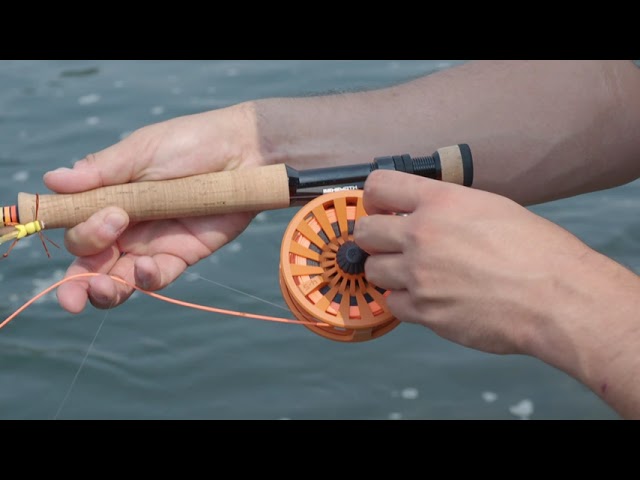
Before you head out, let’s sort your kit. You don’t need the most expensive gear to start! Grab a 7-weight fly rod (240cm is standard), a matching reel, and a weight-forward floating line. For flies, start with a ‘trail mix’ of size 12-14 dry flies (like Adams or Hare’s Ears) and some nymphs. Don’t forget a vest or bag to hold them, and forceps for unhooking fish gently. I picked up my starter kit second-hand for about $300, which was a ripper deal!
1️⃣ Master the Overhead Cast
This is your bread and butter. Stand with feet shoulder-width apart, holding the rod at 10 o’clock. Pull back smoothly to 2 o’clock (the ‘backcast’), pause for a split second so the line unrolls behind you, then accelerate forward to 10 o’clock. The key is the pause! No pause = tangled line. Practice this over grass until your casts are straight. It took me a few afternoons before I stopped creating ‘bird’s nests’, but it clicks eventually!
2️⃣ Reading the Water
Fly fishing isn’t just about casting; it’s about where the fish are hiding. Look for ‘seams’—where fast water meets slow water—where trout wait to ambush food. Riffles (shallow, turbulent water) and pools are prime spots. Watch the surface for hatches or rising fish (bubbles indicating feeding). If you see dark shapes under the surface, that’s your target. I always scout the bank before casting to spot these features.
3️⃣ The Presentation & Strip Retrieve
Once you’ve located the fish, it’s time to cast. Aim slightly upstream and let your fly drift naturally with the current (a ‘dead drift’). For nymphs, use a zig-zag retrieve or mend your line to prevent drag. If you’re using a dry fly, keep the line off the water as much as possible. Once the fish takes the lure, lift your rod tip sharply to set the hook, but be gentle! You don’t want to rip the fly out of its mouth.
4️⃣ Landing & Release
You hooked one! Great work. Now, play the fish by keeping tension on the line and letting the reel do the work (don’t just yank it in!). When you’re ready, net it gently. Remember, Australia has many native species and protected waters. Always check local regulations! If you’re catching trout (introduced), release them carefully. Keep them in the water, remove the hook with forceps, and let them recover before letting go. Respect the fish, mate!
⚠️ Common Mistakes to Avoid
1️⃣ Casting directly over the fish scares them! Cast upstream and let it drift down. 2️⃣ Using a fly that’s too heavy or light for the rod. Match your line weight to the rod. 3️⃣ Standing too close to the bank—trout can see you! Stay back and use longer casts. 4️⃣ Ignoring the wind. It’s your friend if you know how to use it (highlining).
💡 Pro Tips for Aussie Waters
– **Timing is everything**: Early morning (6-9am) and late afternoon (4pm-sunset) are best. Midday sun can make trout dive deep. – **Check hatches**: If mayflies are hatching, match your dry fly to them. – **Waders vs. Boots**: In summer, sturdy river boots with felt soles (check local biosecurity rules!) are fine. In winter, neoprene waders keep you warm. – **Respect the land**: Take your rubbish home and stick to marked paths.
📋 Practical Info
📍 Various locations: Snowy Mountains (NSW), Great Dividing Range (Vic), Derwent River (TAS). Check specific access points via state fisheries websites.
🚗 From Sydney, drive 4.5 hours (approx. 300km) to the Snowy Mountains region, home to stocked trout streams like the Genoa River.
💰 $300 – $600 AUD for a second-hand starter kit. Permits cost around $15-$40/day depending on the state.
🕐 Early morning to late afternoon. Check local creek levels and fishing bans (often during breeding seasons).
⏱️ Half-day to full-day trips recommended for beginners.
💡 Tips & Warnings
✅ Always carry a simple fly tying kit or pre-tied flies. It’s handy to adjust your pattern on the bank.
❌ Don’t use live bait unless specifically allowed. Fly fishing is catch-and-release sport in most waters.
⚠️ Check local fishing regulations strictly. Some waters are fly-only, and some species are protected.
🚀 Give it a crack and let me know how you go! 🚀
#FlyFishingAustralia #BeginnerFishing #CatchAndRelease #NSWOutdoors #TroutFishing #OutdoorLife

Be the First to Comment
Sign in to start the conversation.