
Outback SA Outdoor: Complete Area Guide
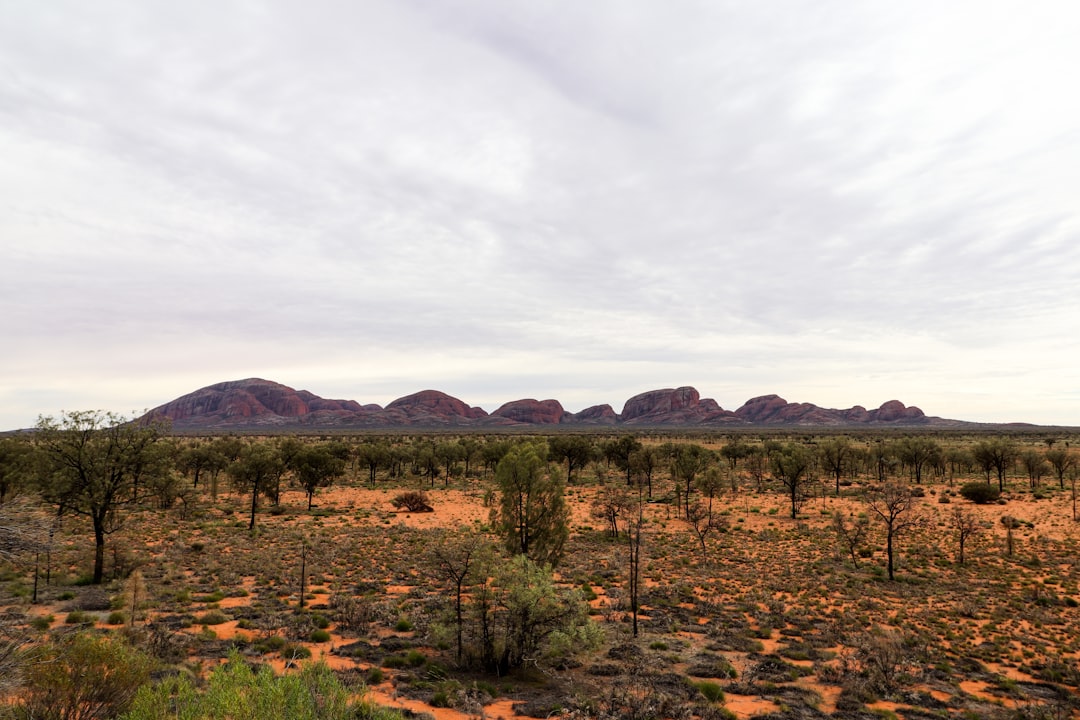
The scent of crushed eucalyptus fills the air as dawn breaks over the red ochre cliffs, painting the sky in hues of apricot and lavender. Beneath your boots, the earth crunches with ancient secrets as kangaroos bound silently between stands of river red gums. This isn’t just a landscape—it’s a living, breathing entity that demands to be experienced with all your senses, not just viewed through a camera lens. The Flinders Ranges, South Australia’s iconic outback playground, offers an outdoor adventure unlike anywhere else on earth, where each turn reveals new geological wonders and opportunities to connect with nature in its most primal form.
Three Heartbeats of the Ranges
The Flinders Ranges isn’t a monolithic experience—it offers three distinct personalities, each appealing to different types of adventurers. Understanding these “heartbeats” helps you plan the perfect trip tailored to your interests and abilities.
The Gentle Pulse: Family-Friendly Adventures
For those travelling with children or preferring less strenuous activities, the gentle pulse of the Flinders offers memorable experiences without overwhelming physical demands. The Aroona Gorge walk near Hawker is perfect for families, with its flat terrain taking you through stunning rock formations to a peaceful waterhole at the end.
At Wilpena Pound, the Ikara Native Walk provides cultural insights alongside beautiful scenery, while the Brachina Gorge section of the Heysen Trail offers moderate walks with abundant wildlife viewing opportunities.
The Adventurous Rhythm: For Thrill-Seekers
When the mountains call your name with their challenging trails and dramatic heights, it’s time to embrace the adventurous rhythm of the Flinders. The Rawnsley Bluff summit rewards hikers with breathtaking 360-degree views of Wilpena Pound—a must-do for serious outdoor enthusiasts.
For the truly adventurous, tackle the St Mary Peak climb—the highest peak in the Flinders Ranges. This challenging 6-8 hour round trip requires fitness and preparation but offers unparalleled views across the ranges.
The Cultural Cadence: History and Heritage
The Flinders Ranges pulse with thousands of years of human history. The Arkaroo Rock walk features ancient Aboriginal art sites where you can view ochre paintings dating back thousands of years. Nearby, the Nepabunna Cultural Experience offers authentic encounters with the Adnyamathanha people, the traditional custodians of this land.
For history buffs, the Blinman Township provides a glimpse into the region’s mining past, with well-preserved buildings and the chance to try gold panning in the original mining areas.
The Outback’s Calendar – When to Be Where
Timing your visit to the Flinders Ranges can dramatically affect your experience. The outback has its own calendar, and understanding it means the difference between perfect conditions and extreme challenges.
Spring (September – November)
This is arguably the most popular time to visit for good reason. Temperatures are mild (15-25°C), and the landscape explodes with wildflowers. The famous Sturt’s Desert Pea begins to appear in September, creating carpets of red across the red earth.
Spring transforms the ranges from ochre and grey to a vibrant palette of wildflowers that carpet the normally barren landscape. It’s when the outback reveals its most colorful side.
Summer (December – February)
Summer brings heat—serious heat. Temperatures regularly exceed 40°C, making daytime hiking dangerous and uncomfortable. However, this is the time when water sources are most reliable, and wildlife tends to congregate around these areas.
If you visit in summer, plan your activities for early mornings and late afternoons only. The Yudnamutana Hot Springs offer a perfect way to cool off after a day of exploring.
Autumn (March – May)
Autumn provides the perfect balance of comfortable temperatures and stunning scenery. Days are warm (20-30°C), and nights cool down to a refreshing 10-15°C. This season offers some of the best hiking conditions, with fewer tourists than spring.
Winter (June – August)
Winter brings the coolest temperatures, often dropping below zero at night. Days are typically sunny and pleasant (10-20°C), making this an ideal time for hiking if you don’t mind the cold mornings.
Practical Wisdom for Your Journey
Preparation is key to enjoying the Flinders Ranges safely. Here are essential tips from those who know this landscape best:
Getting There
The Flinders Ranges are accessible via several routes:
- From Adelaide: 5-hour drive (470km) via Port Augusta
- From Melbourne: 8-hour drive (730km)
- From Sydney: 12-hour drive (1,200km)
The nearest major airport is in Adelaide, with car rental available. For those preferring not to drive, organised tours depart from Adelaide regularly.
Essential Packing
Outback preparation isn’t about overpacking—it’s about packing smart. Every item in your bag should earn its place.
For a Flinders Ranges adventure, pack:
- Plenty of water—at least 4 liters per person per day
- Sun protection (hat, sunscreen, long-sleeved clothing)
li>Sturdy hiking boots with good grip
li>First aid kit including blister treatment
li>Layers for temperature changes
li>Emergency communication device (satellite phone or PLB)
Accommodation Options
The Flinders Ranges offer various accommodation choices to suit different budgets and preferences:
- Luxury: Wilpena Pound Resort and Arkaba Station
- Mid-range: Motels in Hawker, Quorn, and Port Augusta
- Budget: Campgrounds at Wilpena Pound, Brachina Gorge, and others
Hidden Gems: The Unexpected Treasures
While the Flinders Ranges’ major attractions deserve their fame, some of the most rewarding experiences come from discovering what most visitors miss.
The Secret Waterhole
On the road between Hawker and Wilpena Pound, locals know of a small, unmarked waterhole perfect for a refreshing swim. Ask at the Hawker bakery—they’ll point you in the right direction. This spot offers tranquility away from the crowds.
Quorn’s Hidden Art Trail
The town of Quorn hosts an unexpected art trail featuring sculptures created by local artists using natural materials found in the region. Pick up a map from the visitor center and spend an afternoon discovering these creative gems scattered throughout town.
Stokes Hill Lookout at Sunset
Most visitors head to the more famous lookouts, but Stokes Hill offers equally spectacular sunset views with far fewer crowds. The changing colors of the Wilpena Pound create a magical atmosphere that photographers dream of.
Key Takeaways
- The Flinders Ranges offer diverse experiences for all adventure levels, from gentle family walks to challenging mountain climbs
- Timing your visit affects both comfort and experience—spring and autumn offer the best overall conditions
li>Preparation is crucial in the outback—always carry sufficient water and sun protection
li>Local knowledge unlocks hidden gems and authentic experiences beyond the main tourist attractions
The Flinders Ranges isn’t just a destination—it’s an experience that stays with you long after you’ve left. Whether you’re watching kangaroos at dawn, feeling the ancient stories in the rock art, or simply breathing the clean outback air, this landscape has a way of connecting you to something larger than yourself. The real adventure isn’t just in the hikes you take or the views you see—it’s in how the outback changes you.
Frequently Asked Questions
What are the three distinct personalities of the Flinders Ranges?
The Flinders Ranges offers three distinct experiences: the Gentle Pulse for family-friendly adventures featuring walks like Aroona Gorge near Hawker with flat terrain to a waterhole; the Adventurous Rhythm for thrill-seekers with challenging climbs like Rawnsley Bluff summit and St Mary Peak, a 6-8 hour round trip; and the Cultural Cadence focused on history and heritage including ancient Aboriginal art sites at Arkaroo Rock and the mining past of Blinman Township.
How can I get to the Flinders Ranges from major Australian cities?
The Flinders Ranges are accessible via several routes: from Adelaide it’s a 5-hour drive (470km) via Port Augusta; from Melbourne it’s an 8-hour drive (730km); and from Sydney it’s a 12-hour drive (1,200km). The nearest major airport is in Adelaide with car rental available. Organised tours also depart regularly from Adelaide for those who prefer not to drive.
When is the best time to visit the Flinders Ranges for optimal conditions?
Spring (September-November) offers mild temperatures (15-25°C) and explodes with wildflowers including the famous Sturt’s Desert Pea. Autumn (March-May) provides the perfect balance with warm days (20-30°C), cool nights (10-15°C), and fewer tourists than spring. Summer brings extreme heat exceeding 40°C, making hiking dangerous, while winter has cool temperatures often dropping below zero at night but pleasant sunny days (10-20°C).
What accommodation options are available in the Flinders Ranges and what should I budget for?
The Flinders Ranges offer accommodation across different budgets: luxury options include Wilpena Pound Resort and Arkaba Station; mid-range options are motels in Hawker, Quorn, and Port Augusta; and budget options include campgrounds at Wilpena Pound and Brincha Gorge. It’s recommended to book well in advance, especially during peak season (September-November) and school holidays when places fill up quickly due to the popularity of outback hospitality.

Be the First to Comment
Sign in to start the conversation.