
Ever Rocked Up to a Crag You’ve Been Dreaming About for Months, Only to Realise You Have No Idea If You Need a Permit, a Pass, or Just Good Vibes?
Most climbers have been there—standing at a trailhead, phone signal dead, wondering if the $2 in their pocket covers whatever fee exists. Rock climbing in Australia offers some of the world’s most diverse and accessible climbing experiences, from the golden sandstone of the Blue Mountains to the granite crags of the Grampians. But navigating the patchwork of entry fees, parking costs, and permit requirements can feel like solving a puzzle while someone’s already tying in for the first pitch. This guide breaks down exactly what you’ll pay, where, and why—so you can budget for petrol and post-climb burritos instead of unexpected fines.
The Great Fee Divide — Free Crag vs. Pay-to-Play
Australian climbing exists in two worlds: the gloriously free public land that makes up the bulk of our crags, and the managed or private areas where someone’s got to pay for those flush toilets and sealed roads. Understanding this split saves you both money and awkward conversations at entry gates.
National Parks form the backbone of Australian climbing, and most charge vehicle entry fees rather than per-person climbing fees. This means a carload of four climbers splits the cost, making it genuinely affordable. The trade-off? Rangers close gates at dusk, camping requires booking months ahead at popular spots, and that “quick detour” to a different crag might mean another entry fee if you’ve crossed park boundaries.
Then there’s the privately managed areas—places like Thompson’s Point in Victoria or various quarries around the country. These often charge per-person fees that can sting when you’re used to free climbing, but your money funds bolt replacement, rescue equipment, and facilities that keep access open. Think of it as a gym membership with better views.
Quick Reference: Typical Fee Ranges
- National Parks (vehicle entry): Free – $17 per day depending on state and park
- Private/managed crags: $10 – $35 per person per day
- Camping near climbing areas: $6 – $45 per night (unpowered to glamping)
- Annual park passes: $22 – $190 depending on state and coverage
The Hidden Ledger — What You’re Actually Paying For
When you hand over $15 at a park gate, it’s tempting to grumble about government revenue. But your fees genuinely fund the infrastructure that makes climbing possible—and legal—in these areas.
Access road maintenance eats a surprising chunk of park budgets. Those winding dirt tracks to Mount Arapiles or the Gordian PPC? Graders, gravel, and grading don’t come cheap, and without them, you’d be walking an extra hour each way with a full rack.
Rescue equipment and volunteer support also draw from park funds. When a climber needs evacuation from Remote Arapiles or a walker breaks an ankle near Mount Buffalo, the choppers, stretchers, and trained personnel don’t materialise from thin air. Your day pass helps ensure help exists when it’s needed.
Then there’s the unglamorous but essential: toilet facilities, rubbish removal, and car park maintenance. Popular crags see thousands of visitors annually. Without managed facilities, the environmental impact would eventually close areas entirely—a reality that’s already affected access at several locations.
The Bolt Question
Here’s where things get nuanced. Most sport climbing areas rely on volunteer bolting programs funded by climbing clubs and individual donations, not park fees. The Victorian Climbing Club, Sydney Rockclimbing Club, and similar organisations collect voluntary contributions for hardware replacement—typically $20 – $50 annually for members. Some areas now include bolt maintenance in private management fees, which explains the higher day rates at certain quarries and managed cliffs.
State-by-State Snapshot — Who Charges What
Let’s break down the major climbing states with honest, current information. Note that fees change, and some areas have complex access arrangements—always verify before travelling.
New South Wales & ACT
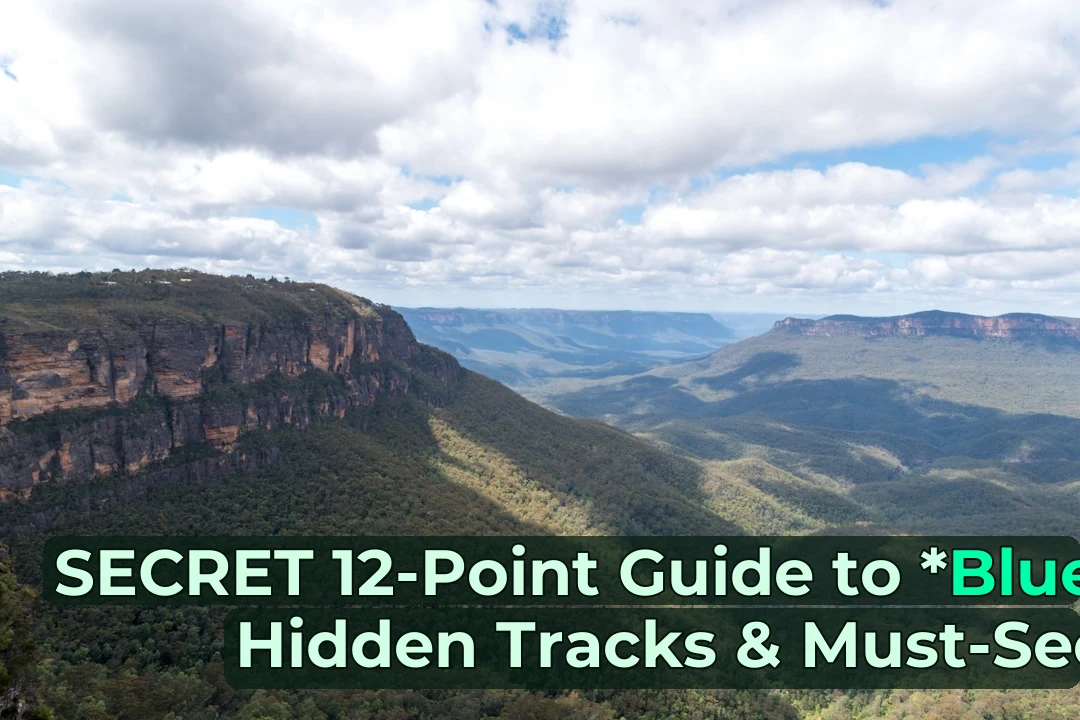
National Parks: NSW charges vehicle entry fees at most popular parks. The Blue Mountains National Park—home to thousands of routes—currently charges $17 per vehicle per day. An annual All Parks Pass ($190) covers all NSW National Parks and pays for itself after 12 visits. NPWS also offers pensioner and senior discounts worth investigating if eligible.
ACT: Namadgi National Park (Brindabellas climbing) charges no entry fee, but camping fees apply. Canberra locals have it good here.
Victoria
The Grampians situation deserves its own conversation. Following access changes and negotiations with Traditional Owners, fee structures continue evolving. Currently, Grampians National Park charges $17 per vehicle per day, with annual passes available. Some areas remain closed or restricted—check Parks Victoria and the Victorian Climbing Club for current conditions before any trip.
Mount Arapiles: Part of the Little Desert National Park complex, but access arrangements differ. Vehicle entry applies, and the nearby camping at Arapiles-Tooan State Park has separate fees.
Thompson’s Point: Privately managed with per-person entry fees around $15 – $20. Your money directly funds bolt replacement and facility maintenance.
Queensland
Glass House Mountains: National Park entry is free, but parking at popular trailheads can fill early. Some climbers report parking fines when using unofficial spots—budget accordingly.
Mount Coolum: No entry fee, but the walk-in approach means no parking stress either. A rare genuinely free option that’s become increasingly popular.
South Australia
Mount Lofty Ranges & Onkaparinga: Most climbing areas sit outside fee-charging zones, making SA something of a budget climber’s paradise. Onkaparinga Gorge remains free to access.
Western Australia
Kalbarri National Park: $15 per vehicle per day. The gorge climbing and spectacular sea cliffs justify the cost, especially for multi-day trips.
Margaret River region: Mixed bag. Some crags sit on public land (free), others access through private property (occasionally require permission or small fees). Local guidebooks note current arrangements.
The Annual Pass Hack — When It Actually Saves Money
Annual passes make sense for locals and frequent visitors—but only if you crunch the numbers honestly.
The break-even maths: Most state annual passes cost between $90 – $190. Divide by the daily rate ($12 – $17 typically), and you need 6-12 visits annually to come out ahead. If you’re climbing every second weekend at the same crags, an annual pass pays for itself by March. If you’re a once-a-month climber or prefer variety across different parks, daily fees might actually cost less.
Interstate climbers face a harder calculation. Touring climbers hitting NSW, Victoria, and South Australia on a single road trip can’t use one annual pass across borders. The realistic options: budget for daily fees, or plan your trip around fewer parks with multi-day stays.
When Annual Passes Don’t Work
- You climb across multiple states regularly
- You primarily visit free or low-fee areas
- You’re visiting Australia for a single climbing trip
- You prefer indoor gyms with occasional outdoor days
The Unexpected Costs Nobody Warns You About
Here’s the honest accounting most guides skip: “free” outdoor climbing often costs more than a gym session when you tally everything.
Picture this scenario: You’ve decided to skip the $25 indoor gym session and climb outdoors for “free.” But then there’s $15 for park entry, $12 for petrol each way, $8 for a shower token at the campground, and you forgot your harness so that’s $120 for the cheapest shop in town. Suddenly that gym membership looks pretty reasonable.
The Hidden Cost Breakdown
- Camping near climbing areas: Often $20 – $40 per night, usually more than park entry fees
- Gear rental in remote towns: Limited availability means premium prices—when shops exist at all
- Guidebooks: $35 – $60 each versus free online resources (which may be outdated)
- The “forgot something” tax: Emergency purchases in regional towns carry marked-up prices
- Shower tokens and facility fees: Some campgrounds charge separately for hot water
The Local Club Secret
Here’s something most climbers discover too late: joining a club like the Victorian Climbing Club, Sydney Rockclimbing Club, or Blue Mountains Climbing School often includes public liability insurance, access to club trips, and—crucially—negotiated entry arrangements at certain areas. Annual membership ($40 – $80 typically) might be your cheapest access strategy, especially if it includes insurance that would otherwise cost $150+ separately.
Your Wallet, Your Adventure
Before any climbing trip, ask yourself three questions:
- Is there a park entry fee? Check the relevant parks website—don’t assume last year’s information still applies.
- Do I need to book camping? Popular areas book out weeks or months ahead, especially during peak seasons and school holidays.
- Is there a local club I should join instead? Membership might unlock access, insurance, and local knowledge that saves money long-term.
The best climbing isn’t always the cheapest—but it shouldn’t be a surprise either. Pack your rack, pack your pass, and we’ll see you at the crag.
Frequently Asked Questions
How much does it cost to go rock climbing at National Parks versus privately managed crags in Australia?
Australian rock climbing fees fall into two main categories. National Parks typically charge vehicle entry fees ranging from free to $17 per day, which can be split among everyone in the car. Privately managed areas like Thompson’s Point in Victoria charge per-person fees between $10 and $35 daily. Your money at private crags often funds bolt replacement, rescue equipment, and facility maintenance. Annual park passes are also available from $22 to $190 depending on the state and coverage level.
When does buying an annual National Parks pass save money for rock climbers?
Annual passes make financial sense once you understand the break-even maths. Most state annual passes cost between $90 and $190. Divide this by the typical daily rate of $12 to $17, and you need 6 to 12 visits annually to come out ahead. If you’re climbing every second weekend at the same crags, an annual pass typically pays for itself by March. However, interstate climbers should note that annual passes are state-specific—a NSW All Parks Pass won’t work at Victorian locations like the Grampians or Arapiles.
What are the main climbing fee differences between NSW, Victoria, and South Australia?
NSW charges vehicle entry fees at most popular parks, with Blue Mountains National Park costing $17 per vehicle per day. An annual All Parks Pass costs $190 and covers all NSW National Parks. Victoria’s Grampians National Park also charges $17 per vehicle daily, whilst Thompson’s Point has per-person fees around $15 to $20. South Australia is notably budget-friendly, with most climbing areas including Onkaparinga Gorge sitting outside fee-charging zones. Queensland’s Glass House Mountains and Mount Coolum both offer free National Park entry.
How do climbing club memberships help reduce rock climbing costs in Australia?
Joining clubs like the Victorian Climbing Club, Sydney Rockclimbing Club, or Blue Mountains Climbing School typically costs $40 to $80 annually and can unlock significant savings. Membership often includes public liability insurance (which would otherwise cost $150+ separately), access to organised club trips, and negotiated entry arrangements at certain areas. These clubs also collect voluntary contributions for bolt replacement programs—typically $20 to $50 annually from members—which helps maintain sport climbing infrastructure at areas that don’t include bolt maintenance in park fees.

Be the First to Comment
Sign in to start the conversation.