
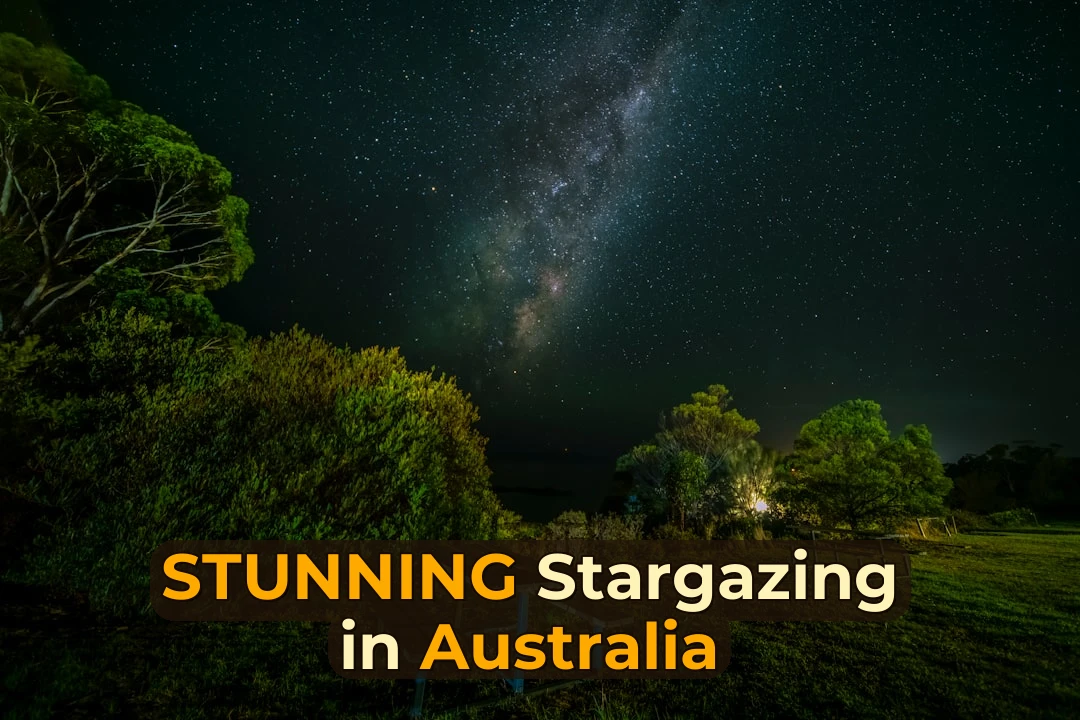
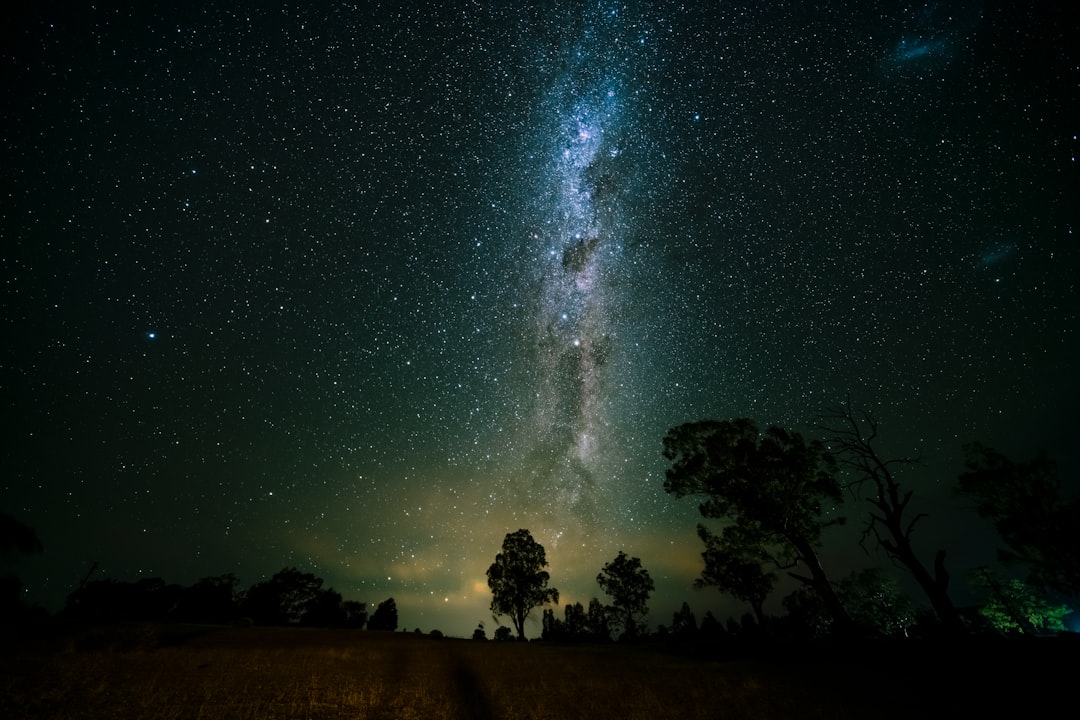
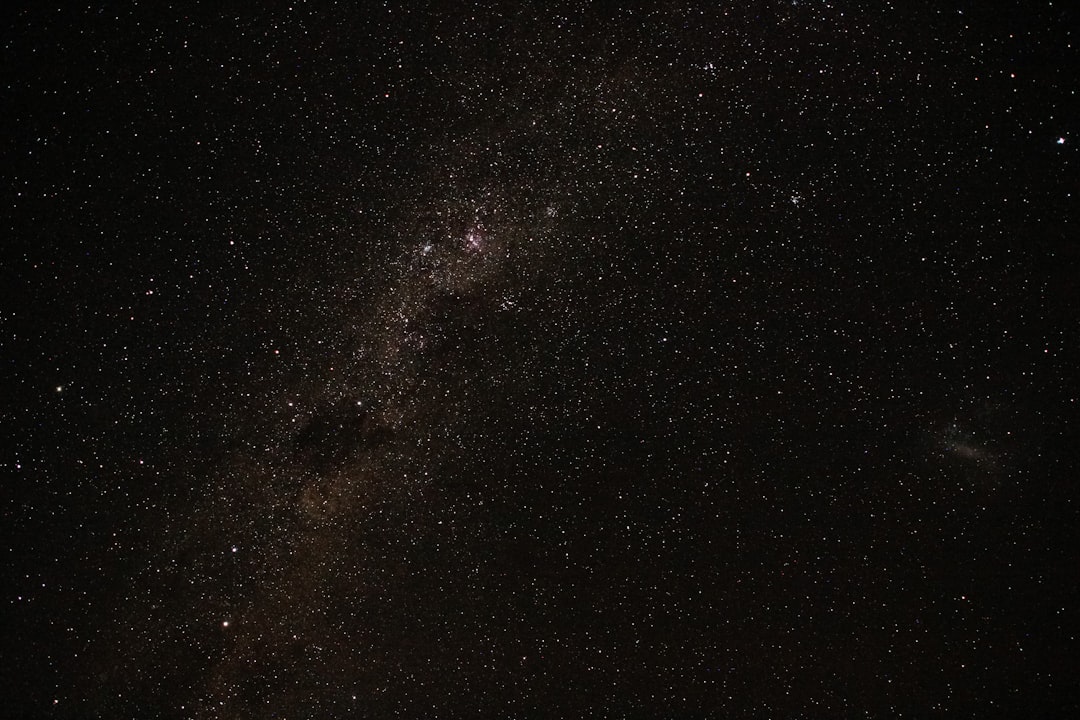
The engine ticks as it cools, and the only sound is wind moving through saltbush. You’ve killed the headlights, and for a moment, nothing exists beyond the glow of your dashboard fading to black. Then your eyes adjust. The Milky Way doesn’t appear—it reveals itself, a river of scattered diamond dust stretching from horizon to horizon, so bright it casts faint shadows across the red dirt. The Coal Sack nebula hangs above you like a wound in the fabric of space, and the Southern Cross points toward something ancient. This is why you drive. Not for the destination, but for the moment when the road ends and the sky begins.
Where the Road Ends, the Sky Begins
Here’s the uncomfortable truth about stargazing in Australia: you cannot do it properly within 200 kilometres of Sydney, Melbourne, or Brisbane. The light pollution from our major cities bleeds into the atmosphere, turning what should be inky black into a washed-out grey. If you’re serious about seeing the southern sky as it’s meant to be seen—the Emu in the Sky, the Magellanic Clouds, the heart of the Milky Way—you need to commit to road trips Australia style. That means hours behind the wheel, driving until the streetlights disappear and the only illumination comes from above.
Australia holds some of the darkest skies on the planet. We have internationally recognised Dark Sky Parks, remote outback stations where the nearest neighbour is 100 kilometres away, and a southern latitude that treats us to celestial objects invisible from the northern hemisphere. But accessing this requires planning. You’re not driving to a viewing platform with a ticket booth. You’re driving until the bitumen runs out, then continuing on dirt until you find somewhere to pull over and simply look up.
The 7-Day Loop: Sydney to the Dark Zones
If you’ve got a week, the most accessible dark sky route from Sydney follows the bones of the outback, pushing west then north in a loop that delivers you back to the city with a completely different understanding of what’s above you. This 7-day road trip from Sydney isn’t about covering maximum distance—it’s about reaching maximum darkness.
The Route at a Glance
- Days 1–2: Sydney to Blue Mountains (Katoomba), then push through to Lithgow and overnight near Capertee Valley—the world’s widest canyon and surprisingly dark skies for a relatively short drive.
- Days 3–4: Continue west to Mudgee, then north through Gulgong to Coonabarabran. This is stargazing central. Warrumbungle National Park and Siding Spring Observatory are here for a reason.
- Days 5–6: Loop back east through Tamworth and the New England Tablelands, where farm stays offer genuinely dark skies and the hospitality involves actual cooked breakfasts.
- Day 7: Return to Sydney via the Pacific Highway, or extend through the Hunter Valley if you want wine with your celestial contemplation.
The highlight of this route is Coonabarabran—a town that bills itself as the astronomy capital of Australia. The Siding Spring Observatory sits in the Warrumbungle ranges, and while you can’t wander through the working telescopes at night, the visitor gallery during the day is worth the drive alone. Stand in the building where astronomers discover asteroids, where the SkyMapper telescope is mapping the southern sky in unprecedented detail. The café serves genuinely good coffee in the middle of nowhere, which matters more than you’d think after four days of camp food.
Ten Days, No Reservations (Literally)
A 10-day road trip Australia adventure opens up the serious outback. This is when you point the car toward places that don’t appear on most maps, where the fuel stops are 300 kilometres apart and the pubs let you sleep on the roof in swags because the nights are that spectacular.
Extending Beyond NSW
From the Warrumbungles, push further inland. Broken Hill is a natural extension—the Living Desert Reserve has sculpture sites that take on an entirely different character after sunset when the stars emerge. Continue into South Australia and you’ll reach the Arkaroola Wilderness Sanctuary, a private reserve in the Flinders Ranges that offers some of the darkest measured skies on the continent. The owner is a passionate astronomer who built an observatory specifically for visitors.
Or head north from Coonabarabran through Lightning Ridge (opals and artesian bore baths under the stars) toward the Queensland border, where the Channel Country opens into vast, flat horizons perfect for sky watching.
The Pub at White Cliffs
Sometimes the best stargazing happens when plans fall apart. The pub at White Cliffs—an opal mining town where most residents live underground to escape the heat—has a rooftop area where travellers can roll out swags. No booking required, no fee, just an understanding that you’ll buy a meal and a beer. The owners don’t advertise this. It’s word of mouth, passed between travellers who’ve experienced the sky from that roof, watching satellites track overhead while the Milky Way reflects faintly in your glass.
The Sky Has Seasons Too
Planning road trips Australia for stargazing means understanding that the sky changes throughout the year—not just which stars are visible, but the character of the experience.
April to September: Milky Way Season
The core of the Milky Way—the galactic centre, where the density of stars creates that unmistakable bright band—is only visible from the southern hemisphere during these months. June and July are peak season, with the galactic core rising early enough in the evening to photograph and reaching its highest point around midnight. This is when astro-photographers flock to outback locations, when the sky genuinely does look like those enhanced images you see online.
November to December: Meteor Showers
The Geminids in mid-December and the Leonids in November can produce spectacular displays. You don’t need any equipment—just a reclining chair and patience. The further from the full moon, the better.
What About Summer?
Indigenous Astronomy
The Emu in the Sky isn’t a constellation in the Western sense—it’s formed by the dark dust lanes of the Milky Way, the coal sack nebula creating the emu’s head, the trailing dust clouds forming its body and legs. Aboriginal astronomers read these dark spaces rather than the bright points between them. Different nations have different stories, but many track the emu’s position as a seasonal calendar—when the emu appears to be sitting, it’s time to collect eggs; when it appears to be running, the breeding season has passed. Consider booking an Aboriginal-led astronomy tour to understand the sky as something more than a collection of stars.
What to Pack (And What Not to Bother With)
You don’t need thousands of dollars of equipment to enjoy the night sky. In fact, too much gear can get in the way of the experience.
Essentials
- Red light torch: White light destroys your night vision for 20–30 minutes. Red light lets you see your surroundings without ruining your eyes’ adaptation to the dark.
- Reclining camp chair: Standing with your head tilted back gets old after ten minutes. A chair that lets you lie back comfortably is worth its weight in gold.
- Binoculars: A decent pair of 10×50 binoculars will show you more than you expect—craters on the moon, the moons of Jupiter, star clusters invisible to the naked eye. You don’t need a telescope for your first trip.
- Warm layers: Even in summer, outback nights drop to single digits. The clearest skies often come with the coldest temperatures.
Apps That Work Offline
Stellarium and SkyView are the standards—both allow you to point your phone at the sky and identify what you’re seeing. Download the data packs before you leave civilisation, because you won’t have signal where you’re going.
What Not to Pack
Don’t bother with a cheap department store telescope. The mounts are wobbly, the optics are poor, and you’ll spend more time frustrated than observing. If you’re serious about telescopes, join an astronomy club first and look through other people’s equipment before buying your own. For road trips, binoculars win every time.
The Drive Home
It’s 2am and you should be tired, but you’re not. You’re standing in the cool air somewhere west of nowhere, the Southern Cross has rotated 90 degrees from when you first looked up, and you’ve stopped taking photos because no image captures what you’re actually seeing. The road trip has done its job—not the destination, not the kilometres covered, but this moment when the ordinary world feels impossibly far away.
Australia’s dark skies are one of the few things left that can’t be curated, captured, or commodified. You can’t buy a ticket, can’t queue for the view, can’t experience it through a screen. You just have to drive there and look up.
Frequently Asked Questions
Where are the best dark sky locations accessible from Sydney?
The most accessible dark sky route from Sydney is a 7-day loop heading west. Key stops include the Blue Mountains and Capertee Valley (the world’s widest canyon with surprisingly dark skies), then Coonabarabran—Australia’s astronomy capital. Coonabarabran hosts Warrumbungle National Park, the world’s first Dark Sky Park (accredited 2016), and Siding Spring Observatory. For genuinely dark skies, you must travel at least 200 kilometres from Sydney, Melbourne, or Brisbane to escape city light pollution.
When is the best time of year for stargazing in Australia?
April to September is Milky Way season, with the galactic core visible from the southern hemisphere. June and July are peak months, with the core rising early evening and reaching its highest point around midnight. For meteor showers, visit during the Geminids (mid-December) or Leonids (November). Avoid summer in the outback—temperatures exceed 40°C, and heat radiating from the ground creates atmospheric turbulence that blurs the stars. Autumn (March–May) and spring (September–November) offer the best balance of comfortable temperatures and stable viewing.
What equipment do I need for a stargazing road trip?
Essentials include a red light torch (white light destroys night vision for 20–30 minutes), a reclining camp chair for comfortable viewing, and 10×50 binoculars—which reveal craters on the moon, Jupiter’s moons, and star clusters. Bring warm layers even in summer, as outback nights can drop to single digits. Download offline apps like Stellarium or SkyView before leaving civilisation. Don’t bother with cheap department store telescopes; their wobbly mounts and poor optics cause frustration. For remote travel, carry at least 20 litres of emergency water, a spare tyre (two for dirt roads), and a personal locator beacon (PLB).
How much does outback stargazing cost and where can I stay?
Stargazing itself is free—you’re driving until the bitumen ends and pulling over. Accommodation varies: farm stays near Gilgandra offer telescope access and 3am wake-up calls for Milky Way viewing, while places like the White Cliffs pub let travellers roll out swags on the rooftop for free if they buy a meal and beer. The Siding Spring Observatory visitor gallery is free during the day. Real costs are fuel for long distances (fuel stops can be 300 kilometres apart) and vehicle preparation. Remote stations embracing astro-tourism typically charge standard farm stay rates.


Be the First to Comment
Sign in to start the conversation.