
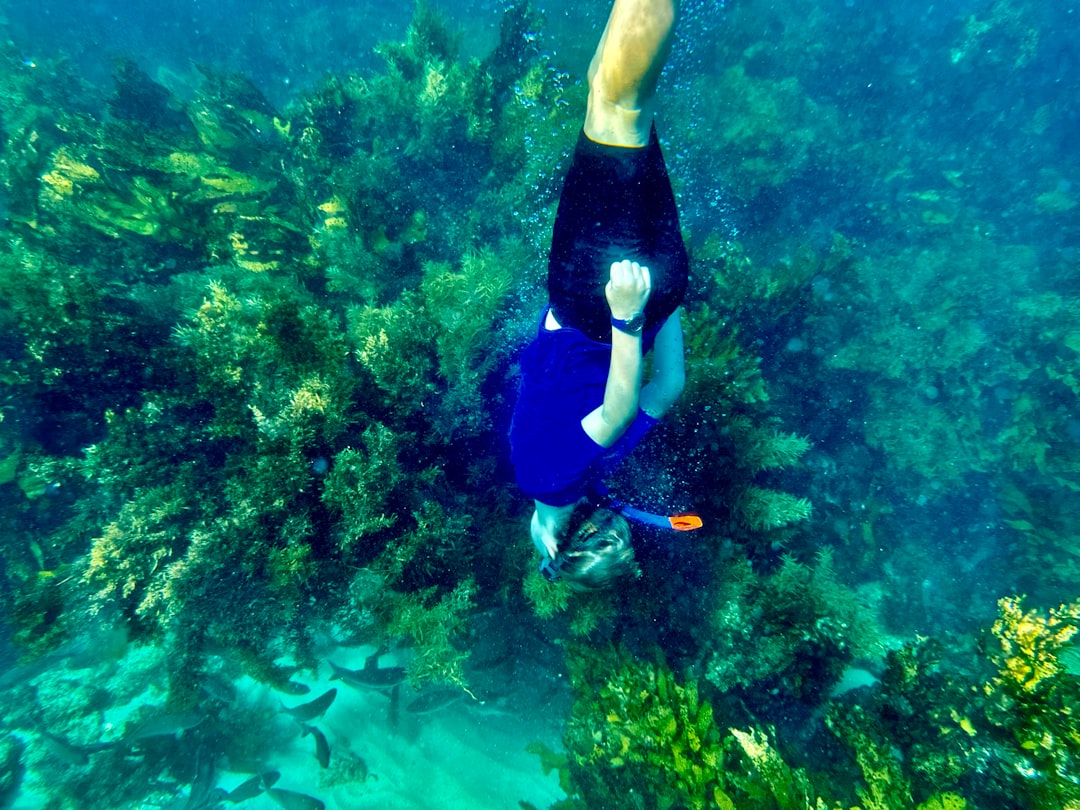
Have you ever wondered what lies beneath the shimmering surface of Australia’s Sunshine Coast, where crystal-clear waters meet an explosion of marine life just waiting to be discovered? Noosa, with its unique combination of protected marine parks, diverse ecosystems, and consistently pleasant water temperatures, offers some of the most spectacular snorkeling experiences in Australia. Whether you’re a first-time snorkeler or an underwater adventurer seeking new horizons, Noosa’s liquid landscapes promise unforgettable encounters with vibrant coral formations, playful dolphins, and countless fish species that call these waters home.
The Liquid Kaleidoscope: Understanding Noosa’s Underwater Realms
Noosa’s underwater world is a complex tapestry of marine environments, each offering its own unique attractions. The region benefits from its position at the northern edge of the Sunshine Coast, where warm tropical currents from the north meet cooler southern waters, creating an ecological melting pot that supports an incredible diversity of marine life.
Marine Parks and Protected Areas
Noosa is home to several protected marine areas that ensure the preservation of its underwater ecosystems. The Noosa National Park marine section, extending from the Alexandra Headland to Noosa North Shore, is particularly significant. This area features rocky headlands, sandy coves, and seagrass beds that support a rich variety of marine species.
Further north, the Great Sandy Marine Park encompasses over 6,000 square kilometers of ocean, including extensive seagrass meadows, mangrove estuaries, and coral reefs. This park provides crucial habitats for marine species and offers snorkelers diverse underwater landscapes to explore.
Seasonal Variations and Marine Life
Understanding Noosa’s seasonal patterns is essential for planning the best snorkeling experiences. The region experiences distinct marine seasons that bring different underwater attractions:
- Summer (December-February): Water temperatures average 24-27°C, with excellent visibility often exceeding 15 meters. This period is ideal for spotting tropical species that migrate south with the warmer currents.
- Autumn (March-May): Water remains warm (22-25°C) and visibility typically remains good. Many fish species spawn during this time, creating fascinating underwater displays.
- Winter (June-August): Water temperatures cool to 18-21°C, but visibility often improves to its best levels of the year. Humpback whales migrate along the coast during this period.
- Spring (September-November): Waters gradually warm back up, and marine activity increases as various species prepare for summer breeding seasons.
Underwater Topography
Noosa’s underwater landscape is surprisingly diverse for a region not typically associated with coral reefs. The area features:
- Rocky Reefs: Composed of volcanic stone, these reefs provide homes for colorful sponges, sea stars, and numerous fish species.
- Sandy Bottoms: These areas hide surprises like stingrays, flathead, and occasional sea turtles resting on the seabed.
- Seagrass Meadows: Important nurseries for many marine species, these meadows are excellent for spotting juvenile fish and rays.
- Coral Gardens: While not extensive, Noosa does have several coral gardens featuring soft corals and occasional hard coral formations.
From First Breath to Underwater Explorer: Progressive Skill Development
Snorkeling in Noosa can be as relaxing or as challenging as you make it, with techniques and locations suitable for all skill levels. This section provides a progressive approach to developing your snorkeling abilities, ensuring you can comfortably and confidently explore Noosa’s underwater wonders.
Beginner Foundations: Comfort and Confidence
For those new to snorkeling, building comfort in the water is the first priority. Noosa’s calm, protected bays like Tea Tree Bay and Granite Bay provide ideal learning environments.
- Equipment Familiarization: Before entering the water, practice adjusting your mask, snorkel, and fins in a shallow area. Ensure your mask creates a proper seal without excessive pressure.
- Basic Breathing Techniques: Practice breathing through your snorkel while keeping your face in the water. Focus on slow, relaxed breaths rather than deep, rapid ones.
- Mask Clearing: Learn to clear water from your mask without surfacing. This simple skill prevents interruptions and increases underwater time.
- Confidence Building: Start in shallow water where you can stand, gradually progressing to areas where you need to float. Take your time—there’s no rush.
Intermediate Techniques: Enhancing Your Experience
Once comfortable with the basics, intermediate snorkelers can focus on improving their underwater experience and exploring more diverse Noosa locations.
- Efficient Swimming: Use a gentle flutter kick with fins rather than thrashing. Conserve energy by maintaining a horizontal position and using your core for propulsion.
- Equalization: Learn proper equalization techniques to descend comfortably without discomfort. This is particularly useful when exploring deeper sections of Noosa’s offshore reefs.
- Marine Observation: Develop the ability to hover quietly in the water, becoming part of the environment rather than disrupting it. This approach allows for closer encounters with marine life.
- Navigation Skills: Learn to recognize underwater landmarks and basic navigation techniques to explore confidently without getting disoriented.
Advanced Adventures: Noosa’s Underwater Challenges
Experienced snorkelers can take their Noosa adventures to new levels with more challenging techniques and locations:
- Current Snorkeling: Noosa’s offshore reefs experience gentle currents that can be used to drift effortlessly along underwater landscapes. Expert Tip: Always enter the water upstream and carry a surface marker buoy for visibility to boat traffic.
- Deep Reef Exploration: The outer reefs around Noosa Head can reach depths of 10-15 meters, offering advanced snorkelers the chance to explore deeper reef ecosystems.
- Night Snorkeling: Experience Noosa’s nocturnal marine life with proper planning, equipment, and guidance. Many species behave differently at night, offering unique viewing opportunities.
- Underwater Photography: Capture Noosa’s marine beauty with proper camera equipment and techniques, while maintaining respect for the fragile underwater environment.
Noosa’s Hidden Treasures: Beyond the Tourist Trail
While many visitors stick to popular snorkeling spots like Noosa Main Beach or the Alexandria Bay, those willing to explore further are rewarded with exceptional underwater experiences away from the crowds. This section reveals some of Noosa’s lesser-known snorkeling gems that offer authentic encounters with marine life.
The Secret Bays of Noosa National Park
Noosa National Park conceals several picturesque coves with excellent snorkeling opportunities that most tourists never discover:
- Little Cove: Accessible via a short walk from the park entrance, this sheltered cove features rocky outcrops covered in colorful sponges and small fish. Morning visits offer the best visibility and light conditions for underwater photography.
- Tea Tree Bay: Famous for its relatively shallow, protected waters, this bay is ideal for beginners. The northern end features small reef formations with plenty of marine life.
- Granite Bay: A bit more challenging to access (requires a walk down stairs), this bay offers excellent snorkelling around its rocky headlands. The bay’s orientation means it’s often calmer than other exposed areas.
Offshore Reef Systems
Noosa’s most spectacular snorkeling experiences often lie just beyond the shore, accessible by boat or kayak:
- The Pinnacles: Located approximately 1.5km off Noosa Heads, this submerged rock formation rises from 15 meters to just below the surface. The nutrient-rich waters attract schools of pelagic fish, turtles, and occasionally manta rays.
- Double Island Point: While requiring a boat or longer kayak journey, this northern landmark features extensive reef systems with diverse coral formations and abundant marine life.
- Weyba Creek: This mangrove-lined estuary offers a different snorkeling experience, with opportunities to spot juvenile fish, stingrays, and even the occasional small shark in the protected waters.
Seasonal Specials
Noosa’s waters offer special seasonal attractions that reward timing your visit:
- Humpback Whale Season (June-November): While not a snorkeling activity per se, witnessing whales from the water is an unforgettable experience. Many tour operators offer snorkeling trips that include whale watching during migration periods.
- Sea Turtle Season (Summer): Green and loggerhead turtles are common in Noosa waters during warmer months, particularly around seagrass beds and reef areas.
- Coral Spawning (November-December): This natural phenomenon creates a spectacular underwater display as coral colonies release their gametes in synchronized events.
- Fish Migrations (Varies by species): Various fish species migrate through Noosa waters at different times of year, creating opportunities for unique encounters with large schools.
The Complete Aquatic Adventure: Planning Your Noosa Snorkeling Experience
A successful Noosa snorkeling adventure requires more than just knowing where to go—it involves careful planning around timing, equipment, safety considerations, and how to integrate snorkeling with other Noosa experiences. This section provides the practical framework for creating your perfect underwater journey.
Equipment Essentials
While basic snorkeling gear can be rented in Noosa, bringing your own mask, snorkel, and fins ensures proper fit and comfort:
- Mask: Choose a mask that creates a comfortable seal without excessive pressure. Silicone skirts are preferable to rubber for comfort and durability. Anti-fog treatments can significantly improve visibility.
- Snorkel: A dry snorkel with a valve mechanism prevents water entry when diving below the surface. Look for models with comfortable mouthpieces that won’t cause jaw fatigue.
- Fins: Well-fitting fins increase efficiency and reduce fatigue. Open-heel fins with adjustable straps are generally preferable for travel and varying foot sizes.
- Additional Gear: Consider rash protection (especially during summer), a waterproof camera, surface marker buoy for boat visibility, and a small dry bag for personal items.
Timing and Conditions
Understanding Noosa’s environmental factors will enhance your snorkeling experience:
- Daily Tides: Check tide tables before planning your snorkel. Slack tide often provides calmest conditions, particularly at locations affected by currents.
- Wind Patterns: Noosa’s geography means some areas are protected from certain wind directions. Morning snorkels are often calmer than afternoon sessions when sea breezes typically develop.
- Water Temperature: While summer waters are warmest (24-27°C), a wetsuit (3mm shorty) is recommended even in summer for comfort and protection from sunburn.
- Visibility: Best visibility typically occurs during winter months when plankton levels are lower, though summer often brings more marine activity.
Safety and Environmental Responsibility
Enjoying Noosa’s underwater world responsibly ensures these ecosystems remain healthy for future generations:
- Marine Park Regulations: Familiarize yourself with Queensland’s marine park regulations, which include restrictions on collecting specimens, feeding marine life, and using certain sunscreens that harm coral.
- Sun Protection: Use reef-safe sunscreen (oxybenzone and octinoxate free) or protective clothing to minimize your impact on fragile marine ecosystems.
- Wildlife Interaction: Maintain respectful distances from marine life and never chase or touch animals. Remember that you are a visitor in their home.
- Emergency Preparedness: Carry a whistle, know basic first aid, and be aware of emergency contacts and services available in the Noosa area.
Combining Snorkeling with Other Noosa Experiences
Noosa offers numerous activities that complement snorkeling adventures:
- Kayak Snorkelling: Many operators offer kayak tours that combine paddling with snorkelling at otherwise inaccessible locations.
- Hiking and Snorkelling: Noosa’s famous coastal walks connect several snorkelling spots, allowing for a full day of land and sea exploration.
- Dive Charters: Even if you don’t scuba dive, many dive boats welcome snorkelers for trips to offshore reefs and islands.
- Wildlife Tours: Combine snorkelling with other marine experiences like whale watching, dolphin spotting, or bird watching in Noosa’s diverse habitats.
Key Takeaways
- Noosa offers diverse snorkelling experiences suitable for all skill levels, from protected beginner bays to challenging offshore reefs
- Understanding seasonal patterns and marine migrations helps plan optimal snorkelling times in Noosa’s waters
- Progressive skill development enhances the snorkelling experience, from basic comfort techniques to advanced underwater exploration
- Many of Noosa’s best snorkelling spots are hidden gems accessible only to those willing to explore beyond the main tourist areas
- Responsible snorkelling practices, including reef-safe sunscreen and respectful wildlife interaction, help preserve Noosa’s fragile marine ecosystems
Noosa’s underwater world offers a remarkable blend of accessibility and adventure, where even first-time snorkelers can experience extraordinary marine encounters just minutes from shore. By understanding the region’s unique marine environments, developing appropriate skills, and exploring both popular and hidden locations, you’ll discover why Noosa has become one of Australia’s premier snorkelling destinations. Whether you’re floating above colorful coral formations, drifting with gentle currents, or encountering turtles and tropical fish, Noosa’s liquid landscapes promise memories that will last long after you’ve dried off and headed home.
Frequently Asked Questions
What makes Noosa a premier snorkeling destination in Australia?
Noosa offers spectacular snorkeling experiences due to its unique combination of protected marine parks, diverse ecosystems, and consistently pleasant water temperatures. The region benefits from warm tropical currents meeting cooler southern waters, creating an ecological melting pot that supports incredible marine biodiversity. Noosa is home to the Noosa National Park marine section and the Great Sandy Marine Park covering over 6,000 square kilometers, providing varied underwater landscapes including rocky reefs, sandy bottoms, seagrass meadows, and coral gardens.
How can snorkelers of different skill levels explore Noosa’s underwater world?
Noosa offers progressive snorkeling experiences suitable for all skill levels. Beginners can start in calm, protected bays like Tea Tree Bay and Granite Bay, focusing on equipment familiarization, basic breathing techniques, and mask clearing. Intermediate snorkelers can improve efficiency with gentle flutter kicks, equalization techniques, and marine observation skills. Advanced snorkelers can challenge themselves with current snorkeling at offshore reefs like The Pinnacles (1.5km off Noosa Heads), deep reef exploration reaching 10-15 meters, night snorkeling, and underwater photography.
When is the best time to snorkel in Noosa for optimal visibility?
The best visibility in Noosa generally occurs during winter and spring when plankton levels are lower, making it ideal for underwater photography and detailed exploration. Water temperatures during these months range from 18-21°C in winter and gradually warm in spring. Summer offers warmer waters (24-27°C) with excellent visibility often exceeding 15 meters and is best for spotting tropical species. Autumn (22-25°C) maintains good visibility and features fish spawning displays. Humpback whales migrate along the coast during winter months for a unique surface viewing experience.
What equipment is essential for snorkeling in Noosa and what are the costs involved?
Essential snorkeling equipment for Noosa includes a mask with silicone skirt, a dry snorkel with valve mechanism, and well-fitting open-heel fins. While basic gear can be rented locally, bringing your own ensures proper fit. Additional recommended items include rash protection, a waterproof camera, and a surface marker buoy for offshore safety. A 3mm shorty wetsuit is recommended even in summer for comfort and sun protection. Reef-safe sunscreen (oxybenzone and octinoxate free) is mandatory to protect marine ecosystems. Equipment costs vary, but quality masks range from $50-$150, snorkels from $30-$80, and fins from $70-$200.
What are some of Noosa’s hidden snorkeling gems beyond the popular tourist spots?
Beyond popular spots like Noosa Main Beach, Noosa National Park conceals several picturesque coves with excellent snorkeling. Little Cove features rocky outcrops covered in colorful sponges and small fish, best visited in morning. Tea Tree Bay offers protected, shallow waters ideal for beginners. Granite Bay provides excellent snorkelling around rocky headlands, though it requires stairs to access. Offshore, The Pinnacles (1.5km off Noosa Heads) is a submerged rock formation rising from 15 meters to just below surface, attracting schools of pelagic fish, turtles, and occasionally manta rays. Weyba Creek offers a different estuary experience with juvenile fish, stingrays, and small sharks.

Be the First to Comment
Sign in to start the conversation.