

The Honesty First: Answering “Are the Blue Mountains Worth It From Sydney?” Before We Begin
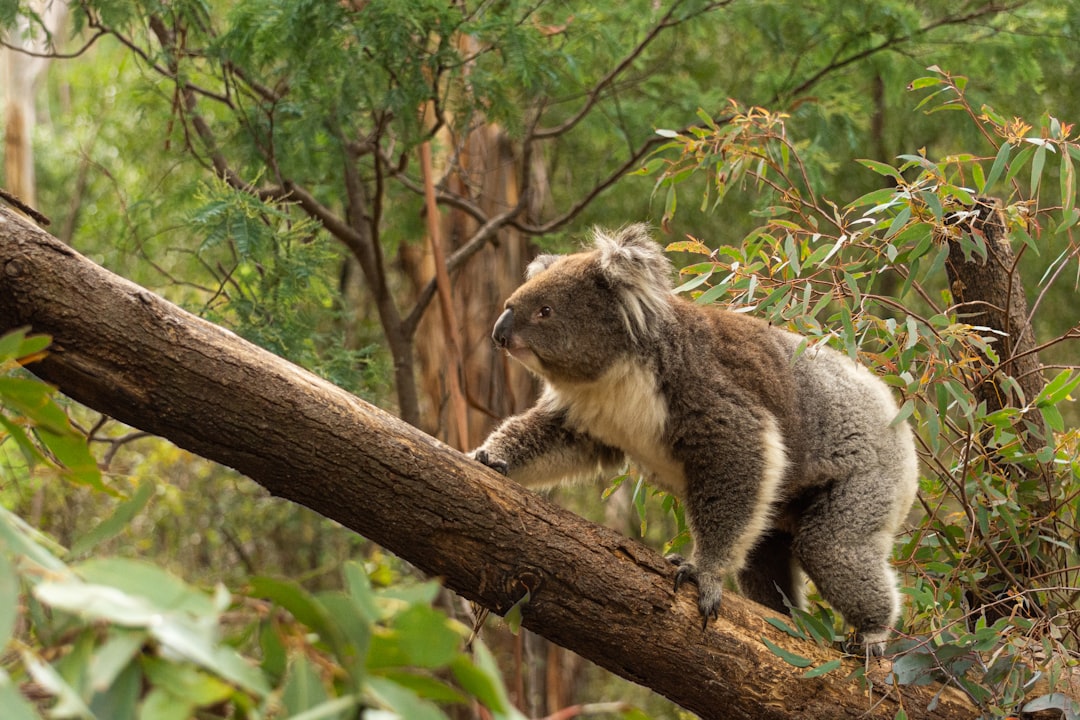
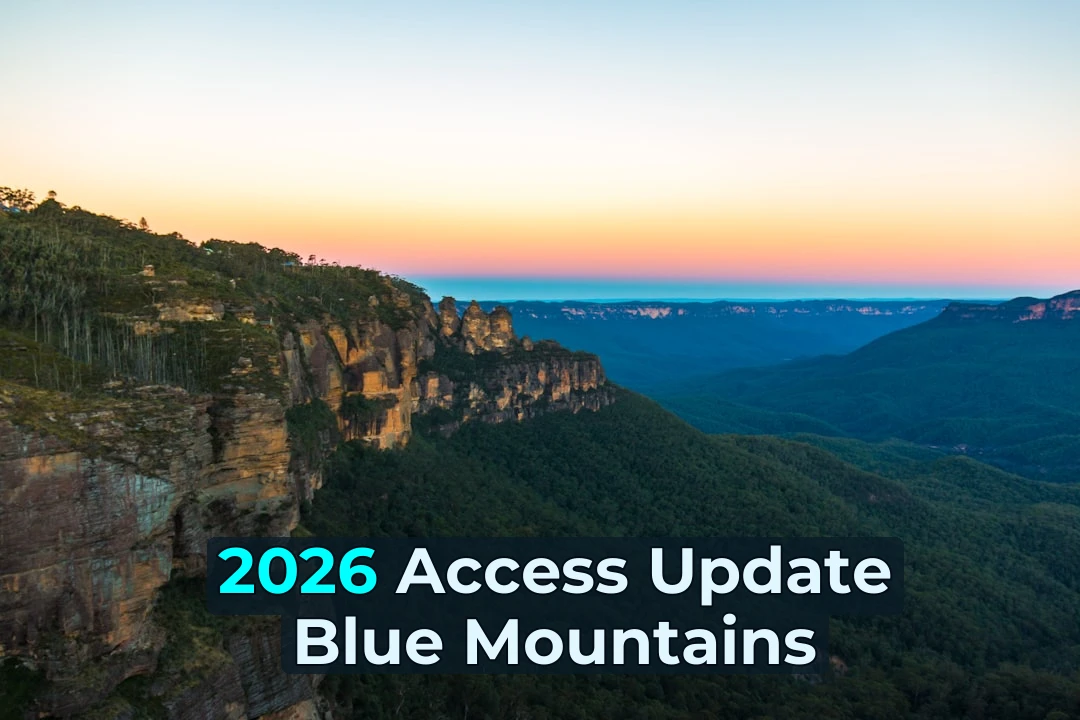
The Greater Blue Mountains World Heritage Area spans over one million hectares—yet fewer than 15% of the 4 million annual visitors venture beyond the Three Sisters lookout. The remaining 850,000+ hectares hold something most day-trippers never discover: Australia’s most accessible concentration of endemic wildlife, where 400+ animal species exist nowhere else on Earth.
This stark disparity between the crowds at Echo Point and the empty trails beyond raises the fundamental question every Sydney-sider and visitor eventually asks: are the Blue Mountains worth it from Sydney? The honest answer depends entirely on what you’re seeking—and whether you’re willing to trade convenience for genuine encounter.
Let’s address the practical realities first. The journey from Sydney CBD to Katoomba takes approximately two hours by car or two hours and fifteen minutes by train. That’s four to five hours of travel for a day trip. Add in the time spent negotiating crowds at major lookouts, queuing for car parks during peak periods, and the inevitable rushing to “fit everything in,” and you begin to understand why many visitors leave feeling underwhelmed. They’ve seen the postcard view, but they’ve experienced nothing of the living landscape that earned this region its World Heritage status.
For wildlife watchers specifically, the calculus shifts dramatically. The Blue Mountains host an extraordinary diversity of species: greater gliders that glide between ancient eucalypts under moonlight, lyrebirds that compose symphonies of mimicked sounds in damp gullies, and platypus that surface in quiet pools at dawn. But these animals do not operate on a day-trip timetable. They reveal themselves to those who arrive before the crowds, stay after the last tour bus departs, or—better yet—spend the night in habitat that borders wilderness.
When the Answer Is “Yes, Absolutely”
- You can stay overnight: Blue Mountains accommodation positions you for dawn and dusk wildlife activity, when crepuscular and nocturnal species are most active.
- You’re willing to walk beyond the first lookout: The further you venture from road access, the more likely you are to encounter undisturbed wildlife.
- You have specific species targets: If you’re seeking particular animals, the Blue Mountains offers reliable locations for everything from rock warblers to spotted-tailed quolls.
- You can visit mid-week or outside peak seasons: Wildlife behaviour changes dramatically in the presence of large crowds.
When the Answer Might Be “Probably Not”
- You’re planning a single summer day trip during school holidays: The combination of heat, crowds, and pressured wildlife makes for disappointing experiences.
- Your primary interest is the iconic view: If you’ve seen photographs of the Three Sisters, you’ve essentially seen what 85% of visitors experience.
- You’re not prepared for the climate: The mountains run 5-10°C cooler than Sydney and weather can shift rapidly.
Species by Habitat: Where Specific Animals Actually Live in the Blue Mountains
Wildlife researchers don’t organise their fieldwork around popular walking tracks or scenic lookouts. They think in ecosystems—specific habitat types that support particular communities of species. Adopting this same approach transforms a casual visit into a targeted expedition. Here’s how the Blue Mountains breaks down by habitat, and what you’re genuinely likely to find where.
Wet Sclerophyll Forests: The Tall Trees and Their Inhabitants
Found along sheltered slopes and gullies where moisture accumulates, wet sclerophyll forests represent the interface between open woodland and true rainforest. These are the domains of the greater glider, Australia’s largest gliding possum and a species that has suffered catastrophic decline across much of its range but maintains stable populations in protected Blue Mountains valleys.
Key species: Greater glider, powerful owl, sooty owl, satin bowerbird, green catbird, red-browed treecreeper
Prime locations: The valleys around Wentworth Falls, particularly the National Pass track (currently undergoing repairs—check NPWS alerts), and the longer routes into the Grose Valley from Blackheath.
Timing: Powerful owls begin calling at dusk and are most vocal on still, moonlit nights. Greater gliders emerge 20-30 minutes after sunset and can be spotted with a good torch (use red filters to minimise disturbance).
Dry Sclerophyll and Heathland: The Sun-Drenched Slopes
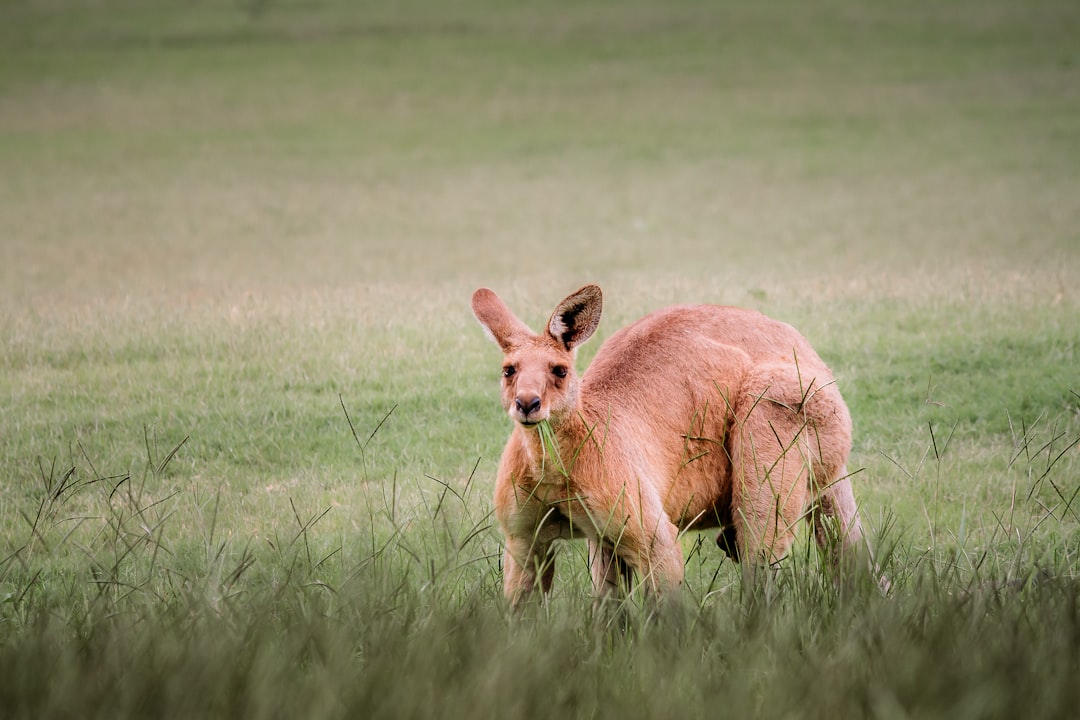
Exposed ridges and upper slopes support open forests of hard-leaved eucalypts and dense heathland. These habitats burst into life during flowering season, drawing nectar-feeding birds in extraordinary numbers. They’re also the preferred terrain for wallabies and, in more remote areas, spotted-tailed quolls.
Key species: Flame robin, scarlet honeyeater, eastern spinebill, swamp wallaby, brush-tailed rock-wallaby (rare, specific locations only), southern emu-wren
Prime locations: The cliff-top heath around Sublime Point in Leura, the exposed sections of the Grand Canyon track near Blackheath, and the Mount Hay area for those willing to drive unsealed roads.
Timing: Dawn brings the famous “chorus” of honeyeaters moving between flowering shrubs. Winter flowering of banksias and grevilleas creates reliable feeding stations that attract territorial birds for weeks.
Sandstone Grottos and Moist Crevices: The Hidden World
The Blue Mountains’ iconic sandstone cliffs create thousands of small caves, overhangs, and moist recesses where constant humidity supports specialised communities. These are the places to search for glowworms, native bees, and roosting insectivorous bats.
Key species: Glowworm (Arachnocampa flava), various microbat species, native bees, huntsman spiders, terrestrial orchids (seasonal)
Prime locations: The overhangs along the Federal Pass track, larger caves in the Wollemi National Park section, and the moist sections of canyon country (for experienced canyoners only).
Timing: Glowworms are visible after dark year-round, but their bioluminescence appears brightest on moonless nights. Avoid shining torches directly at their silk threads—light pollution can cause them to switch off their glow.
Riparian Corridors: Waterways and Their Wildlife
Where permanent water flows through the landscape, diversity concentrates. These corridors connect disparate habitats and support species that require reliable water access—including, most famously, the platypus and the eastern water dragon.
Key species: Platypus, eastern water dragon, Australian wood duck, white-throated treecreeper, Lewin’s honeyeater, azure kingfisher
Prime locations: The pools along the Cox’s River (remote access required), the quieter sections of the Grose River, and several undisclosed waterholes known primarily to researchers and long-term locals.
Timing: Platypus are most active at dawn and dusk, with individuals often following predictable routes along pool edges. Patience is essential—plan to sit motionless for at least 45 minutes before concluding an area is empty.
The Plateau’s Unique Microclimates
At elevation, the Newnes and Oberon plateaus experience colder temperatures and different rainfall patterns than the valleys below. These conditions support wildlife communities more typical of the Southern Highlands and Australian Alps.
Key species: Gang-gang cockatoo, flame robin (winter), pink robin (rare vagrant), olive whistler, superb lyrebird (dense undergrowth)
Prime locations: Newnes Plateau (access via Lithgow), the Kanangra-Boyd National Park high country, and the Hampton and Jenolan areas.
Timing: Winter brings flame robins down from higher elevations in noticeable waves. Gang-gangs move through the area year-round but are most visible when feeding on seeded eucalypts in autumn.
The Lodging Decision: Blue Mountains Accommodation for Wildlife Access
Where you stay in the Blue Mountains fundamentally shapes your wildlife watching experience. The standard accommodation options range from historic hotels in Katoomba to remote cabins bordering national park, and each serves different wildlife-watching goals. Understanding this landscape before you book can mean the difference between a forgettable stay and encounters that reshape your understanding of Australian wildlife.
Katoomba: Density and Convenience
As the Blue Mountains’ primary tourist hub, Katoomba offers the widest range of accommodation options—from heritage hotels to budget motels and short-term rentals. This density brings advantages: easy restaurant access, proximity to major attractions, and the convenience of having everything you might need within walking distance.
However, Katoomba’s wildlife value is compromised by the very factors that make it convenient. Traffic noise, light pollution, and constant human activity push sensitive species into surrounding bushland. You’ll still encounter common birds (crimson rosellas, king parrots, sulphur-crested cockatoos) and perhaps brush turkeys in gardens, but serious wildlife watching requires travel away from the town centre.
Best for: Visitors who want comfortable accommodation and restaurant access, with wildlife watching as one component of a broader trip rather than the primary focus.
Blackheath: The Dawn Advantage
Twenty minutes further west and 200 metres higher in elevation, Blackheath offers a distinctly different experience. The town is smaller, quieter, and positioned directly adjacent to some of the best wildlife habitat in the upper mountains. From many Blackheath accommodations, you can walk to dawn chorus locations without driving—a significant advantage when wildlife activity peaks before most people have finished breakfast.
The temperature differential matters too. Blackheath experiences colder nights and more frequent fog, conditions that influence animal behaviour in ways patient observers can exploit. Wallabies move through gardens at dawn. Lyrebirds sometimes call from properties bordering the national park. The breakfast sessions on accommodation decks can become impromptu bird hides.
Best for: Wildlife watchers prioritising dawn and dusk activity who want accommodation within walking distance of quality habitat.
Remote Cabins and Eco-Lodges: The Immersion Option
Scattered throughout the Blue Mountains region are accommodations that border national park or occupy large bushland properties. These range from basic cabins at caravan parks to architect-designed retreats positioned specifically to maximise wildlife viewing opportunities.
The advantage is obvious: you’re sleeping in wildlife habitat. Nocturnal species pass through properties overnight. Dawn chorus begins outside your window. The disadvantage is equally clear: you’re isolated from services, restaurants, and the social energy of town centres. Mobile reception may be limited. You’ll need to self-cater.
The Overnight Case: Why Day-Tipping handicaps Wildlife Watching
The mathematics of wildlife activity patterns favour overnight stays decisively. Consider a typical spring day:
- 5:30am: Dawn chorus begins (40 minutes before official sunrise)
- 6:15am – 8:00am: Peak bird activity period
- 9:00am – 4:00pm: Quieter period, reptiles active in warm weather
- 5:00pm – 7:00pm: Dusk peak for crepuscular species
- 7:30pm onwards: Nocturnal species emerge
A day-tripper departing Sydney at 7am arrives in Katoomba around 9am—missing the morning peak entirely. They typically leave by 4pm to avoid evening traffic, missing the dusk peak. The overnight visitor, by contrast, can be positioned at a promising location by 5:45am and still be watching for greater gliders at 8:30pm.
The question of are the Blue Mountains worth it from Sydney resolves differently depending on whether you can stay overnight. As a day trip, you’re trading five hours of travel for perhaps three hours of suboptimal wildlife watching. With overnight accommodation, those same travel hours unlock the full spectrum of Blue Mountains wildlife activity.
Timing Biology: When Animals Are Actually Active in the Blue Mountains
Wildlife watching success depends less on luck than on timing. Animals operate on schedules driven by temperature, light, food availability, and breeding cycles. Understanding these patterns transforms random searching into strategic planning.
Seasonal Patterns
Spring (September – November): Peak bird activity as breeding season brings territorial displays, nest building, and the return of summer migrants. Lyrebird displays reach their intensity. Snakes emerge from winter torpor. Wildflowers attract concentrations of nectar-feeders. This is the premier season for wildlife photography, though spring weather can be volatile.
Summer (December – February): Early starts are essential—bird activity drops dramatically once temperatures climb. Reptiles are highly active, including venomous snakes in rocky areas. Flying foxes may be present in large camps. The combination of heat and school holiday crowds makes summer challenging for serious wildlife watching, but early morning sessions remain productive.
Autumn (March – May): A second flowering peak attracts honeyeaters and lorikeets. Temperatures moderate, extending the comfortable watching hours. Migratory species begin moving through. This is perhaps the most pleasant season for extended field time, though some species become quieter as breeding activity subsides.
Winter (June – August): The mountains are coldest but quietest—both in terms of human crowds and some wildlife activity. However, winter brings flame robins down from the high country, and honeyeater activity concentrates around winter-flowering plants. Foggy mornings create atmospheric conditions perfect for photography, though road conditions require caution.
Daily Rhythms: The Mathematics of Dawn
The “dawn chorus” isn’t a single event but a structured sequence that wildlife observers can anticipate. Understanding this sequence allows you to position yourself for specific species.
- Civil twilight begins (approximately 30 minutes before sunrise): The first calls start—often grey shrikethrush, Australian magpie, and laughing kookaburra.
- Nautical twilight (sun 6-12° below horizon): The chorus intensifies as more species join. This is prime time for listening rather than seeing.
- Civil twilight ends/sunrise: Peak vocal activity as birds announce territory and begin foraging. Visibility improves dramatically.
- 30-90 minutes after sunrise: Feeding activity peaks as nocturnal insects remain active and birds exploit the early abundance.
- Mid-morning: Activity gradually decreases as birds become satiated and temperatures rise.
For wildlife watchers, this means arriving at your chosen location before civil twilight begins. The discomfort of a 5am departure from your Blue Mountains accommodation is rewarded with an experience impossible to access later in the day.
Weather as Wildlife Trigger
Weather fronts stimulate wildlife activity in predictable ways that experienced observers learn to exploit:
- Before rain: Birds often feed intensively, anticipating difficult foraging conditions.
- After rain: Frogs call vigorously, and insectivorous birds target emerging insects.
- Overcast days: Some nocturnal species remain active later into morning and emerge earlier in afternoon.
- Fog: Concentrates bird activity as visibility limits predator detection, making some species bolder than usual.
The Practical Field Guide: Blue Mountains Directions and Moving Quietly
Getting to the Blue Mountains from Sydney is straightforward. Getting into position for quality wildlife watching requires additional knowledge that most visitors never access.
Blue Mountains Directions: Train Versus Car
By train: Blue Mountains Line services depart Sydney Central regularly, stopping at major towns from Emu Plains through to Lithgow. For wildlife watchers, the train offers a significant advantage: you can walk trail sections point-to-point without returning to a vehicle. The downside is reduced flexibility—if dawn chorus peaks at 6am and the first train from Sydney doesn’t arrive until mid-morning, you’ve missed the optimal window.
By car: The Great Western Highway (M4/A32) and Bells Line of Road provide alternative routes. A car allows pre-dawn arrivals at trailheads and rapid repositioning between sites. The trade-off is parking—popular locations fill by 9am on weekends and school holidays, forcing long walks from overflow parking
Frequently Asked Questions
Are the Blue Mountains worth visiting from Sydney for wildlife watching?
The answer depends on your approach. The Blue Mountains span over one million hectares with 400+ animal species found nowhere else on Earth, yet fewer than 15% of the 4 million annual visitors venture beyond the Three Sisters lookout. For wildlife watchers specifically, the region offers extraordinary species including greater gliders, lyrebirds, and platypus. However, these animals don’t operate on a day-trip timetable. The journey takes approximately two hours by car or two hours and fifteen minutes by train from Sydney CBD. Staying overnight in Blue Mountains accommodation positions you for dawn and dusk wildlife activity, when crepuscular and nocturnal species are most active.
How do I increase my chances of spotting wildlife in the Blue Mountains?
Success depends on timing and location strategy. Dawn chorus begins approximately 30 minutes before sunrise, with peak bird activity occurring from 6:15am to 8:00am. Day-trippers departing Sydney at 7am arrive around 9am, missing this peak entirely. For nocturnal species like greater gliders, stay until at least 8:30pm as they emerge 20-30 minutes after sunset. Walk beyond the first lookout—fewer than 5% of recorded wildlife sightings occur within 500 metres of major tourist infrastructure. Use a torch with red filters to spot greater gliders without disturbance. For platypus, plan to sit motionless for at least 45 minutes at quiet pools during dawn or dusk.
When is the best time of year for wildlife watching in the Blue Mountains?
Spring (September to November) is the premier season, with peak bird activity during breeding season, intense lyrebird displays, and wildflowers attracting nectar-feeders. Autumn (March to May) offers a second flowering peak, moderate temperatures, and pleasant extended field time. Winter (June to August) brings flame robins down from high country and concentrates honeyeater activity around winter-flowering plants, with fewer human crowds. Summer (December to February) is challenging due to heat and school holiday crowds, though early morning sessions before temperatures climb remain productive. Visit mid-week or outside peak seasons whenever possible, as wildlife behaviour changes dramatically in the presence of large crowds.
Where should I stay in the Blue Mountains for the best wildlife access?
Blackheath offers distinct advantages over Katoomba for wildlife watchers. Located twenty minutes further west and 200 metres higher in elevation, Blackheath is quieter and positioned directly adjacent to excellent wildlife habitat. You can walk to dawn chorus locations without driving—a significant advantage when wildlife activity peaks before breakfast. Remote cabins and eco-lodges bordering national park provide immersion in wildlife habitat, with nocturnal species passing through properties overnight and dawn chorus beginning outside your window. The Blue Mountains run 5-10°C cooler than Sydney, so prepare accordingly. Ask accommodation hosts specifically about recent species sightings on their property before booking.
What wildlife species can I find in different Blue Mountains habitats?
Wet sclerophyll forests around Wentworth Falls and the Grose Valley host greater gliders, powerful owls, and satin bowerbirds. Dry sclerophyll and heathland areas like Sublime Point in Leura attract flame robins, scarlet honeyeaters, and swamp wallabies. Sandstone grottos along the Federal Pass track contain glowworms visible after dark on moonless nights. Riparian corridors including the Cox’s River and Grose River support platypus and eastern water dragons. The Newnes and Oberon plateaux support gang-gang cockatoos and superb lyrebirds in dense undergrowth. Citizen science data shows over 400 animal species exist nowhere else on Earth within this World Heritage Area.


Be the First to Comment
Sign in to start the conversation.