
What does silence sound like when it’s not just quiet, but alive?
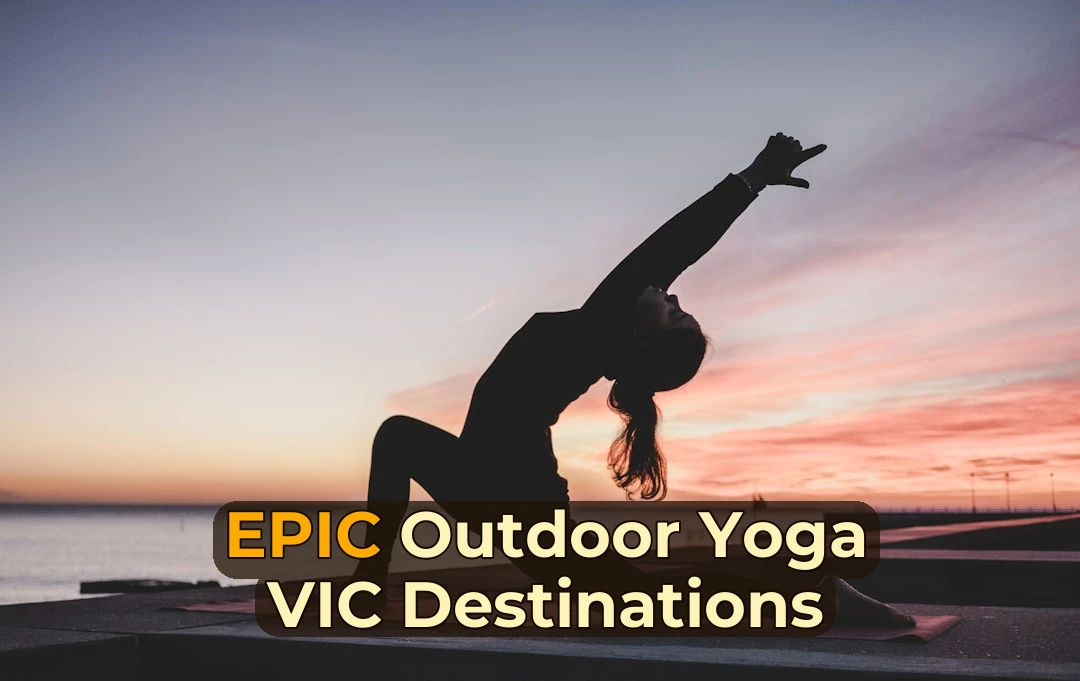
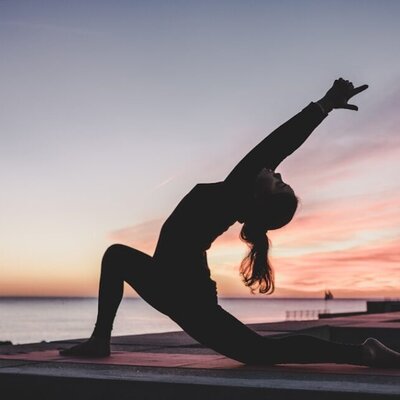
If you’ve never tried yoga outside on a crisp Victorian morning, imagine the sound of kookaburras breaking the stillness before you even strike your first pose. Picture the gentle rustle of eucalyptus leaves above and the distant, rhythmic hum of a city waking up beneath your feet. This isn’t the sterile quiet of a indoor studio; it’s the vibrant, breathing silence of practicing outdoor yoga in Melbourne. It’s grounding, literal and figurative, connecting you to the landscape that defines our state.
Melbourne’s reputation as Australia’s cultural capital is well-earned, but its outdoor fitness scene—particularly something as serene yet demanding as yoga—is where the magic truly happens. From the windswept beaches of St Kilda to the shaded, fern-laden trails of the Dandenong Ranges, Victoria offers a diverse playground for practitioners who crave more than just four walls and a mirror. Whether you’re looking to integrate home outdoor gym equipment into your daily routine or simply want to unroll a mat in nature, this guide explores the best spots, essential gear, and local wisdom to make your practice seamless.
The “Where” Beyond the Postcard: Hidden Gems vs. Tourist Traps
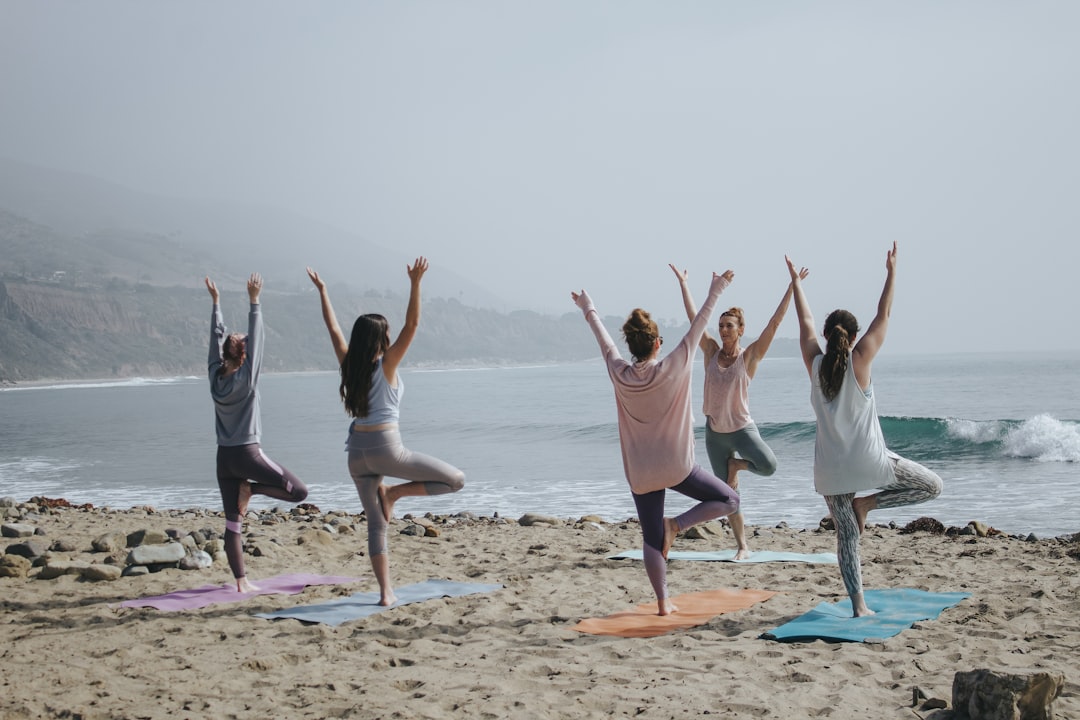
When planning your outdoor yoga session, the biggest mistake beginners make is following the tourist trail. Yes, St Kilda Beach offers iconic views of the city skyline and penguins, but it is often chaotic with pedestrians, cyclists, and shifting sands that make balancing in Tree Pose a challenge. Similarly, the Royal Botanic Gardens are stunning but can be crowded with tour groups on weekends.
To get the authentic experience, you need to look for a spot that balances accessibility with seclusion. Here is a quick “Spot Selection Matrix” to help you choose based on your priority:
* For Serenity: Head to the quieter coves of Port Phillip Bay’s eastern shore, such as Black Rock or Mentone Beach early in the morning. The wind here is usually manageable, and the sand is firm enough for stability without being too deep.
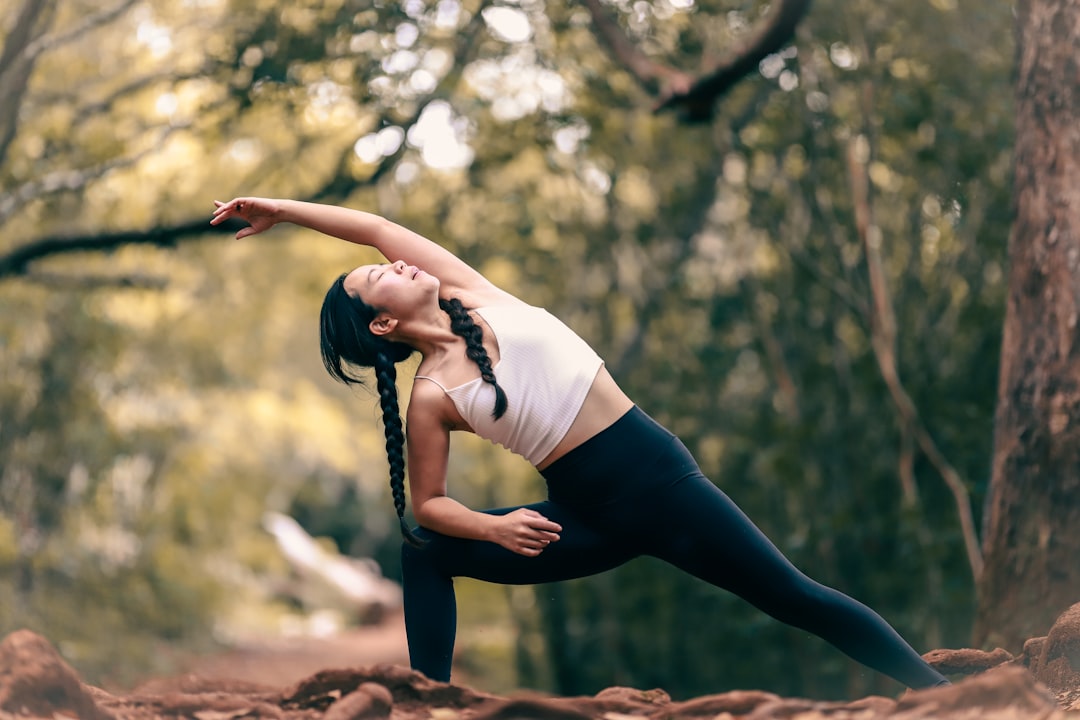
* For Shade and Ambience: Explore the shaded pockets of the Dandenong Ranges. Look for flat clearings under mature trees where the canopy filters the harsh midday sun.
* For Urban Convenience: Try the quieter corners of Alexandra Gardens near the Royal Exhibition Building. It’s urban, but tucked away enough to avoid traffic noise if you catch it before 7am.
> Pro Tip: Use a physical map app offline before you go, but trust your eyes more than the pin. The best spots are often 50 metres off the main path, obscured by native shrubs or rocks. A quick search on local community Facebook groups for “yoga groups Melbourne” often yields hidden gem recommendations from locals.
Weathering the Vic “Four Seasons in One Day”
Victoria is famous for its weather, and as locals know, you can experience all four seasons in a single afternoon. This variability is the biggest challenge for outdoor fitness enthusiasts. A sunny, 25-degree morning can quickly turn into a biting 15-degree wind by midday, especially near the water.
Timing is everything. You aren’t just fighting gravity; you’re fighting microclimates.
Golden Hours by Season:
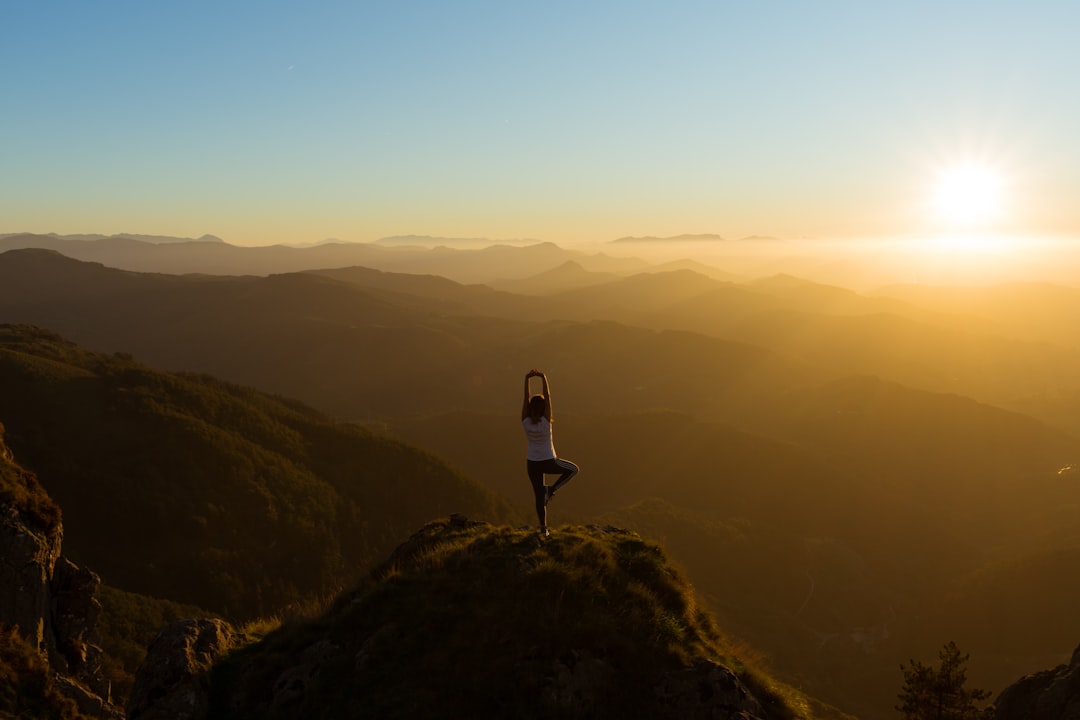
1. Summer (December – February): Aim for sunrise (5:30 AM). The heat is bearable, and the light is golden. Avoid midday exposure which can lead to overheating during inversions.
2. Autumn (March – May): This is the sweet spot. Late morning to early afternoon offers stable temperatures and crisp air.
3. Winter (June – August): You need sheltered nooks. Beaches are out; forest clearings or parks with southern exposure (sun-facing) are in. Look for spots near water bodies that retain heat slightly longer than open fields.
4. Spring (September – November): Unpredictable. Always check the forecast for wind speed, not just temperature.
> Safety Note: Always carry a lightweight windbreaker. In Victoria, the wind coming off the bay can drop your body temperature rapidly during cool-down poses (Savasana), leading to post-session shivers that ruin the relaxation benefit.
The Gear That Actually Works (and What You’re Overpacking)
There is a pervasive myth that outdoor yoga requires expensive, heavy-duty mats. It doesn’t. In fact, bringing too much gear can be a burden that discourages you from going at all. The goal of outdoor fitness australia is accessibility and connection, not lugging around a studio’s worth of props.
Here is the essential checklist for your next session:
* The Right Mat: You don’t need a $150 cork mat. A durable, medium-thickness yoga mat with good grip is essential because grass and sand can be abrasive.
* Wind Weights: This is the #1 piece of “home outdoor gym equipment” you actually need. These are small, weighted discs that sit on your mat’s corners to keep it from blowing away. Without them, your Downward Dog becomes a game of musical mats.
* Layering Clothes: Dress in layers that you can shed easily. Synthetic materials work best as they wick moisture, unlike cotton which stays cold and wet if the temperature drops.
* Non-Slip Towel: For sweaty palms or damp grass, a small microfiber towel provides extra grip.
> Expert Tip: Bring a small spray bottle with water and essential oils (like peppermint or eucalyptus). If you find insects bothering you near your mat, a light mist keeps them at bay without the harsh chemicals of standard bug spray.
Local Wisdom: Flora, Fauna, and The Unexpected Discovery
Practicing yoga outdoors in Melbourne requires a shift in awareness. You are no longer the centre of your own universe; you are sharing the space with nature. This requires a specific type of respect and preparation known as local knowledge.
Respecting the Local Ecosystem
Before you unroll your mat, take ten seconds to scan the area. Victoria is home to various species of snakes and spiders that prefer the warmth of early morning or late evening.
* Check for Snakes: Look under logs, rocks, or dense grass patches where your mat might lie.
* Spider Awareness: Avoid placing your hands directly into dark, creviced areas of rocks or tree stumps.
The “Unexpected Discovery” Story
Last autumn, I was looking for a spot near the Yarra River with good Wi-Fi to call my clients. Instead, I turned down a small, unmarked track behind a bungalow in Fairfield. It led to a secluded riverbank nook, completely obscured from the main path and Google Maps. The trees formed a natural amphitheatre over the water. I practiced there for an hour, sharing space with a family of ducks who seemed entirely unimpressed by my balance. It was a reminder that the best outdoor exercise equipment near me is often just off the beaten path, waiting to be found.
Start Your Practice: Finding Your Quiet Corner
So, what does silence sound like when it’s alive? It sounds like birdsong, wind, and your own breath.
This week, I challenge you to find one “quiet corner” in your own neighborhood or local park. It doesn’t need to be a world-famous landmark or a pristine beach. It just needs to be outside. Unroll that mat, feel the ground beneath you, and let the best outdoor fitness australia has to offer wash over you.
Whether you’re chasing the best outdoor fitness routines or just seeking a moment of peace, remember: the view is secondary to the feeling. Welcome to outdoor yoga in Victoria—it’s not just exercise; it’s a homecoming.
Frequently Asked Questions
What are some recommended outdoor yoga spots in Melbourne that avoid crowded tourist areas?
To avoid the chaos of St Kilda Beach or busy weekends at the Royal Botanic Gardens, consider these quieter alternatives. For serenity, try the firmer sands of Black Rock or Mentone Beach on Port Phillip Bay’s eastern shore. If you prefer shade, look for flat clearings under mature trees in the Dandenong Ranges. For urban convenience, Alexandra Gardens near the Royal Exhibition Building offer seclusion if you visit before 7am. Locals also suggest searching community Facebook groups for hidden gems located roughly 50 metres off main paths.
What specific gear is essential for practicing outdoor yoga in Victoria?
You do not need expensive cork mats; a durable, medium-thickness mat with good grip is sufficient for grass or sand. The most critical piece of equipment is wind weights—small weighted discs that sit on your mat’s corners to prevent it from blowing away during poses. Additionally, dress in synthetic layers that wick moisture rather than cotton, which stays cold when wet. A non-slip microfiber towel helps with sweaty palms or damp grass, and a small spray bottle with water and essential oils like peppermint can deter insects without harsh chemicals.
How should I time my outdoor yoga sessions based on the Victorian seasons?
Timing is crucial due to Victoria’s variable weather. In summer (December–February), aim for sunrise around 5:30 AM to avoid overheating during inversions. Autumn (March–May) is the sweet spot, offering stable temperatures from late morning to early afternoon. During winter (June–August), seek sheltered forest clearings or parks with southern exposure, as beaches are often too cold. In spring (September–November), always check the forecast for wind speed, not just temperature, as conditions can be unpredictable.
What safety precautions should I take regarding local wildlife in Victoria?
Victoria’s ecosystem includes snakes and spiders that seek warmth in the early morning or late evening. Before unrolling your mat, scan logs, rocks, and dense grass patches for snakes. Be mindful of spiders by avoiding placing your hands directly into dark crevices on rocks or tree stumps. Additionally, always carry a lightweight windbreaker; the wind off Port Phillip Bay can drop your body temperature rapidly during cool-down poses like Savasana, leading to post-session shivers that disrupt relaxation.
Be the First to Comment
Sign in to start the conversation.