

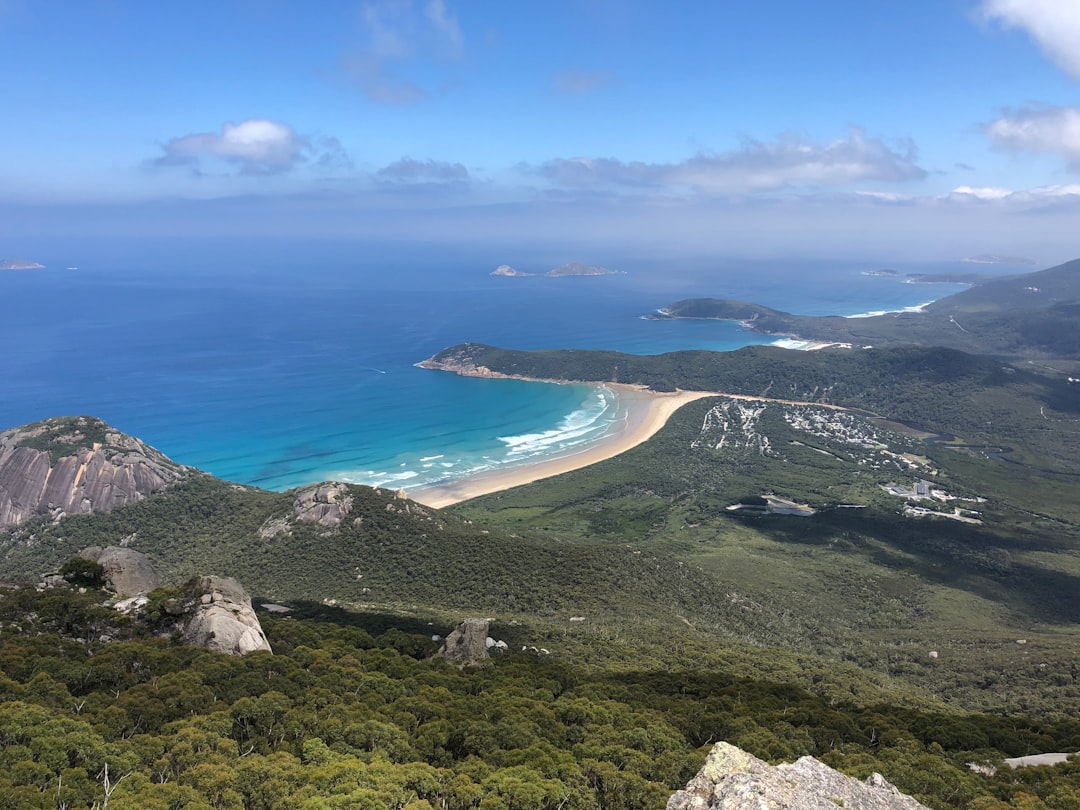
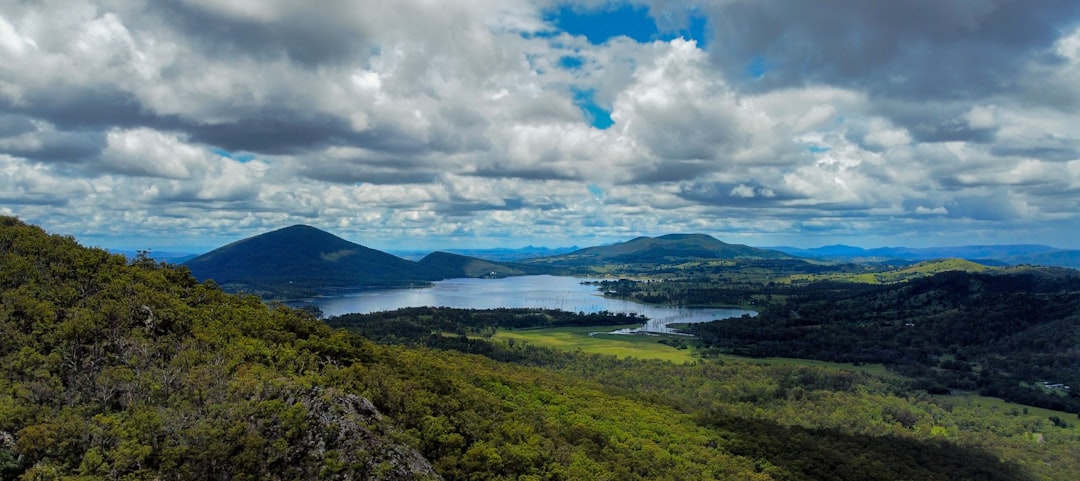
The sharp scent of crushed eucalyptus leaves fills your lungs, a pungent, medicinal aroma that seems to punch through the heavy coastal humidity of Sydney as you climb. The air grows noticeably cooler, carrying a damp, earthy weight from the decaying gum litter beneath your boots. Above, the canopy of ancient forest filters the sunlight into dappled patterns on the red dirt track, while in the distance, a distinct, hollow clack echoes off sandstone cliffs—a sound that is both inviting and slightly ominous. Then, the trees break, revealing a valley shrouded in layers of indigo and violet haze—the reason this place bears its name. But as you stand on the precipice, admiring the vast expanse of the Blue Mountains National Park in New South Wales, you realize that this beauty is not merely a backdrop for a photograph. It is a complex, living ecosystem that demands respect, offering challenges that range from family-friendly strolls to treacherous scrambles across sheer escarpments.
The Blue Mountains: More Than Just a View
For the uninitiated, the Blue Mountains are often dismissed as a day trip—a scenic drive past a giant “Welcome” sign and a photo op at a lookout. However, for the serious hiker or the dedicated family adventurer, this region is one of Australia’s most diverse and demanding outdoor playgrounds. Located just a two-hour drive west of Sydney, the Blue Mountains National Park spans over 10,385 square kilometres of rugged terrain, ancient rainforests, and towering cliffs.
Navigating this landscape requires more than just a pair of sneakers and a water bottle. It demands an understanding of the specific geology, the unpredictable microclimates, and the delicate ecological balance that defines this UNESCO World Heritage site. Whether you are seeking the adrenaline of technical scree slopes, the gentle accessibility of waterfall circuits, or the solitude of multi-day wilderness treks, this guide provides a comprehensive framework for experiencing the Blue Mountains safely and authentically.
Section 1: The Stone Cathedral – Navigating Sandstone & Scree
The geological backbone of the Blue Mountains is Triassic sandstone, formed over 300 million years ago. This unique rock formation creates the steep cliffs and narrow ridges that define the region’s hiking experience. For intermediate to advanced hikers, this terrain offers a physical challenge that is distinct from the soft bush tracks of Queensland or the arid outback trails of Western Australia.
Hiking in these areas is not merely about endurance; it is about technical precision. The “Easy” signs on NSW National Parks signage can be misleading, often referring to distance rather than gradient. A 2-kilometre walk to a lookout can involve hundreds of metres of vertical ascent over loose rock and steep steps.
Understanding the Terrain
The key to enjoying these trails lies in respecting the mechanics of descent. Falling on loose scree is a common cause of injury in the Blue Mountains. When traversing steep sections, particularly on the Prince Henry Cliff Walk or the Prince Edward Walk, hikers must adopt a “chicken footing” technique—placing the entire sole of the foot flat on stable rock rather than just the toes. This distributes weight and prevents slipping into loose stones that can roll away, causing ankle rolls.
“The sandstone here is like broken glass when wet,” explains local guide Sarah Jenkins, who has led tours in the region for over a decade. “Wear boots with aggressive tread patterns. Trail runners might be comfortable on the dry ridges, but they offer zero protection against a slip on wet, moss-covered boulders.”
Footwear and Gear Selection
Investing in proper footwear is non-negotiable. High-ankle boots provide stability on uneven ground, while flexible trail shoes allow for better terrain reading. Always check the weather before heading out; after heavy rain, many sandstone trails become slick mud slides or are closed entirely due to the risk of rockfalls. This is not a suggestion—it is a safety requirement enforced by National Parks New South Wales.
The “False Summit” Trap: A Personal Story
I recall a hike up the Grand Canyon Track in winter. The air was crisp, and we moved with confidence. About halfway up the eastern ridge, my partner pointed to a wooden sign marking the “summit” of that particular spur. We were exhausted, our thighs burning from the constant incline. But as we crested that hill, expecting the reward of a panoramic view, another ridge line immediately rose before us. It was a classic “false summit”—a deceptive feature common in this region due to the narrow, undulating spine of the escarpment.
The disappointment was palpable. It tested our mental resilience, forcing us to ask: Do we turn back now, or do we continue despite the fatigue? We chose to continue. The final ascent was grueling, but reaching the true lookout at sunset made every drop of sweat worthwhile. This experience taught me that hiking in the Blue Mountains is as much about managing disappointment and pacing oneself as it is about physical strength. Always carry enough water to last longer than you think you need, especially when the terrain lies about its difficulty.
Section 2: The Water’s Edge – Cascades, Creeks & Family Accessibility
Not every hike in the Blue Mountains requires climbing to the top of a cliff. For families, beginners, or those seeking relaxation, the region’s waterways offer some of the most rewarding and accessible trails in Australia. Waterfalls like Wentworth Falls, Kedumba Falls, and Lawson Falls provide spectacular scenery with minimal physical exertion.
This section of the guide focuses on “low-effort, high-reward” experiences. These trails are generally well-maintained, stroller-friendly (in parts), and offer stunning photographic opportunities without the risk of steep drops.
Curated Family-Friendly Trails
1. The Wentworth Falls Longer Circuit: While the short circuit to the lookout is crowded, the longer circuit takes you through dense regrowth forest to secret grottos and viewing platforms. It is flat, shaded, and engaging for children who enjoy spotting wildlife.
2. Bell to Katoomba via Cl風呂 (Cliffs Path): This is a gentle, mostly flat track that follows the cliff edge. It offers views without the steep descents into valleys. The trailhead is easily accessible, and there are plenty of benches to rest on.
3. The Lakes Circuit (Lakes Entrance): Located near Mount Boyce, this circuit takes hikers past several serene alpine lakes. The path is clearly marked and offers a sense of isolation despite being close to the highway.
Wildlife Interactions: The Kookaburra Heist
While these trails are safe for families, they are not free of wildlife encounters. The Blue Mountains is home to a high population of kookaburras, laughing jays, and pesky possums. They are accustomed to humans and have learned that picnic bags equal free food.
I once left a half-eaten sandwich on a rock while photographing a wedge-tailed eagle. When I turned back, the sandwich was gone. A few metres away, a kookaburra sat on a branch, its distinctive laughter echoing through the trees. It was funny in retrospect, but it serves as a critical safety reminder: never leave food unattended. These birds can be bold, and other wildlife, such as rats or possums, will investigate open bags. Use sealed containers and eat at designated picnic areas.
Section 3: The Ancient Forest – Multiday Trekking & Wilderness Ethics
For the experienced adventurer, the Blue Mountains offer a taste of true wilderness. While not as remote as the Kimberley or the Simpson Desert, backcountry routes within the park provide isolation and a profound connection to nature. Multi-day hikes allow you to explore areas inaccessible by day-trip buses, offering a deeper understanding of the region’s ecology.
Suggested Multi-Day Routes
The Blue Mountains Wallumattagal Track: This 5-day trek takes you from Katoomba to the Hawkesbury River. It passes through ancient rainforests, past waterfalls, and along cliff edges. It requires careful planning for resupply points.
The Grand Canyon Walk: While often done as a day hike, extending it to include the backcountry sections near Mount Solitary offers solitude and challenging scrambling over rocky spines.
Leave No Trace Principles
Multiday hiking in the Blue Mountains requires strict adherence to Leave No Trace principles. The ecosystem is fragile, and human impact can be lasting.
- Water Sourcing: Creek water may look clean, but it can contain bacteria or parasites. Always filter or boil water before drinking.
- Waste Disposal: Pack out all trash, including food scraps. Burying toilet paper is discouraged in high-traffic areas; use wag bags if available.
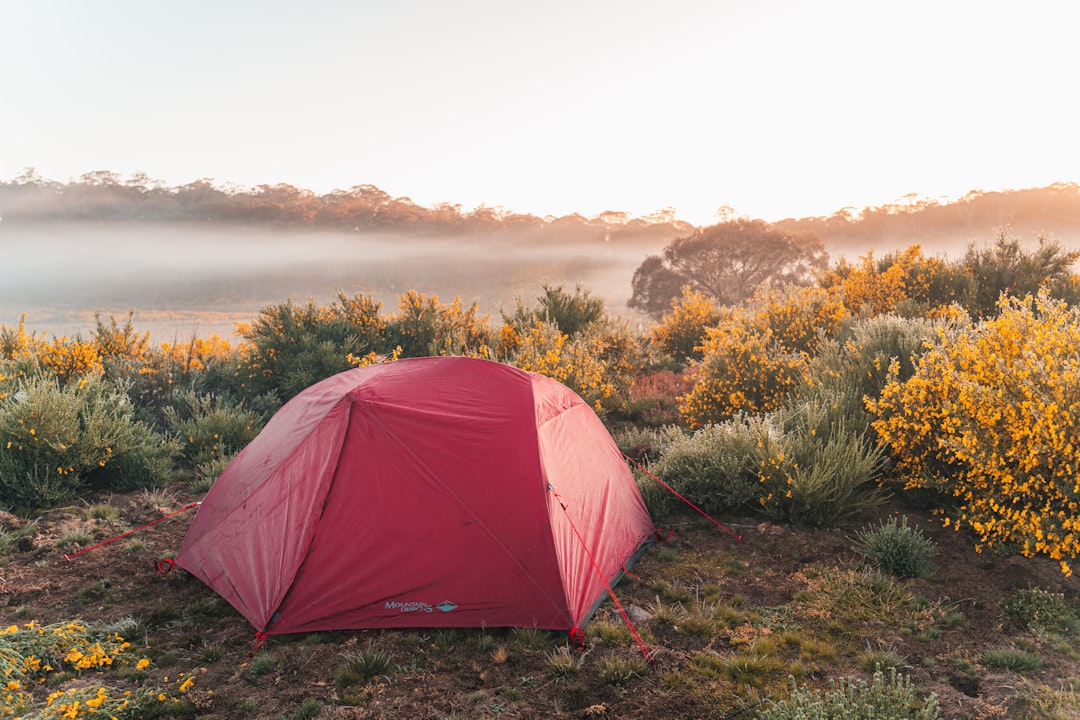
- Camping Regulations: Camping is only permitted in designated areas. You must obtain a camping permit from NSW National Parks. Wild camping is prohibited and heavily fined.
The Weather Whiplash: An Unexpected Discovery
The Blue Mountains are famous for their “weather whiplash.” One moment, you are baking in 30-degree summer heat on the cliff edge; an hour later, thick fog rolls in, dropping the temperature by 15 degrees and turning the trail into a muddy slipstream.
I experienced this on a solo trip near Mount Hay. The sky was clear, and I had packed only shorts and a t-shirt. By mid-afternoon, the air turned cold and damp. Rain began to fall—not a shower, but a steady, soaking drizzle that lasted for hours. My t-shirt offered no protection against the chill. I was forced to shelter under a rock overhang for two hours, shivering and anxious.
This incident reinforced the importance of layering. Always carry a waterproof shell and an insulating layer, even in summer. The microclimate of the mountains changes rapidly, and being unprepared can turn a pleasant hike into a dangerous situation. Respect the weather, not just the terrain.
Section 4: The Digital Trail – Apps, Maps & Real-Time Safety
In the modern age of hiking, technology is both a tool and a potential crutch. For hikers in the Blue Mountains, having the right digital resources can mean the difference between a smooth experience and a dangerous predicament.
Mapping Apps vs. Physical Maps
While apps like AllTrails and Gaia GPS are invaluable for route planning, they are not infallible. Trail markers can be overgrown or obscured by fallen branches after storms. Always carry a physical map as a backup. The “Blue Mountains National Park Map” series from Landric is highly recommended for its detailed contour lines and clear trail markings.
Real-Time Safety Resources
The NSW National Parks “Park Hoppers” app provides real-time alerts about trail closures, weather warnings, and wildlife sightings. It is an essential tool for staying informed. Additionally, the NSW Ambulance “999” app can be downloaded in advance, providing quick access to emergency services.
- Checklist for Digital Prep:
- Download offline maps (Gaia GPS, AllTrails)
- Install the NSW National Parks app for alerts
- Ensure your phone is fully charged, and carry a power bank
- Bookmark the emergency contact page for NSW National Parks
Conclusion: The “Leave the Blue” Pledge
The Blue Mountains are not a theme park. They are a living, breathing entity that has stood for millions of years, long before humans walked these trails. As you plan your hiking adventures in this region, remember that you are a guest in someone else’s home.
“The Blue is not just a place; it’s a promise. A promise to leave no trace, to respect the wildlife, and to protect this fragile ecosystem for future generations.”
We encourage every hiker to make a personal pledge: leave the Blue better than you found it. Take only photographs, leave only footprints. By doing so, you ensure that the sharp scent of eucalyptus and the hollow echo of the sandstone will continue to welcome hikers for generations to come.
- Tech & Safety: Always carry offline maps and a physical backup. Check the NSW National Parks app for real-time closures.
- Terrain: Respect the sandstone. Wear appropriate footwear and use proper descent techniques on scree.
- Family: Choose water-based trails for accessibility, but watch for wildlife like kookaburras and possums.
- Wilderness: Multi-day hikes require permits, proper gear, and strict Leave No Trace ethics.
- Mindset: The Blue Mountains are a promise to protect nature. Leave no trace.
Frequently Asked Questions
What is the Blue Mountains National Park and how do I access it?
The Blue Mountains National Park is a vast, UNESCO World Heritage site located approximately two hours west of Sydney. Spanning over 10,385 square kilometres, it features rugged terrain, ancient rainforests, and towering sandstone cliffs. It is not merely a scenic drive but a complex ecosystem requiring respect for its geology and microclimates. The park offers diverse hiking options, from family-friendly strolls to technical scrambles across sheer escarpments. For the most accurate information on entry points and current conditions, always consult the official NSW National Parks website before your trip.
What footwear and gear are essential for hiking the sandstone terrain?
Proper footwear is non-negotiable in the Blue Mountains due to the Triassic sandstone, which becomes slick and dangerous when wet. Local guides recommend high-ankle boots with aggressive tread patterns to provide stability on uneven ground and prevent ankle rolls. While flexible trail shoes may work on dry ridges, they offer zero protection against slips on wet, moss-covered boulders. Additionally, always check the NSW National Parks website for closures caused by erosion or landslides, and carry a waterproof shell and insulating layer to handle rapid weather changes.
How should hikers navigate steep descents and loose scree safely?
When traversing steep sections, particularly on trails like the Prince Henry Cliff Walk or Prince Edward Walk, hikers must adopt a ‘chicken footing’ technique. This involves placing the entire sole of your foot flat on stable rock rather than just your toes, which distributes weight and prevents slipping into loose stones. Falling on scree is a common cause of injury in the region. If signs indicate ‘Easy’ walks, remember these often refer to distance rather than gradient, and may involve hundreds of metres of vertical ascent over loose rock. Always prioritize technical precision over speed.
When is the best time to visit popular waterfalls to avoid crowds?
To avoid the heavy tour bus crowds that flood main lookouts on weekends, it is best to visit waterfalls like Wentworth Falls or Lawson Falls early in the morning before 9am, or late in the afternoon. These times also provide softer light for photography and a more peaceful experience on family-friendly trails such as the Bell to Katoomba Cliffs Path. The longer circuit at Wentworth Falls is particularly engaging for children, offering flat, shaded paths through regrowth forest to secret grottos without the steep risks associated with cliff-edge hikes.
What are the costs and logistics for camping in designated areas?
Camping is strictly permitted only in designated areas within the Blue Mountains National Park, and wild camping is prohibited with heavy fines. You must obtain a camping permit from NSW National Parks before your trip. For multi-day hikes, such as the 5-day Blue Mountains Wallumattagal Track from Katoomba to the Hawkesbury River, careful planning for resupply points is essential. Additionally, you must adhere to strict Leave No Trace principles: pack out all trash, filter or boil creek water before drinking, and use wag bags for waste disposal where available.




Be the First to Comment
Sign in to start the conversation.