
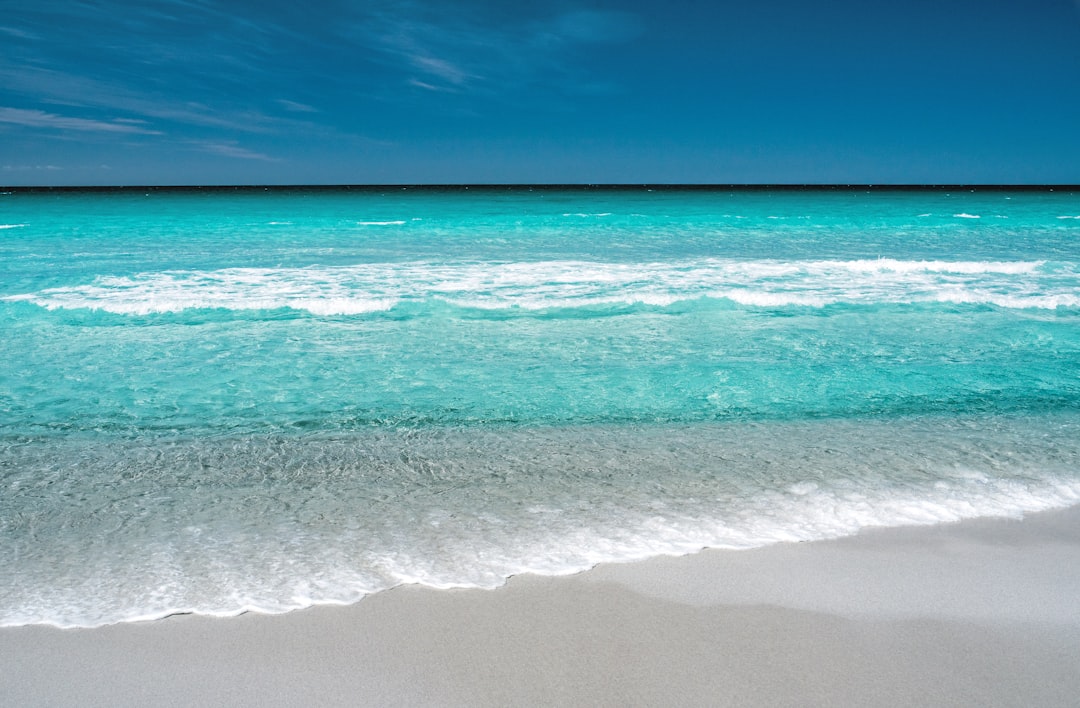
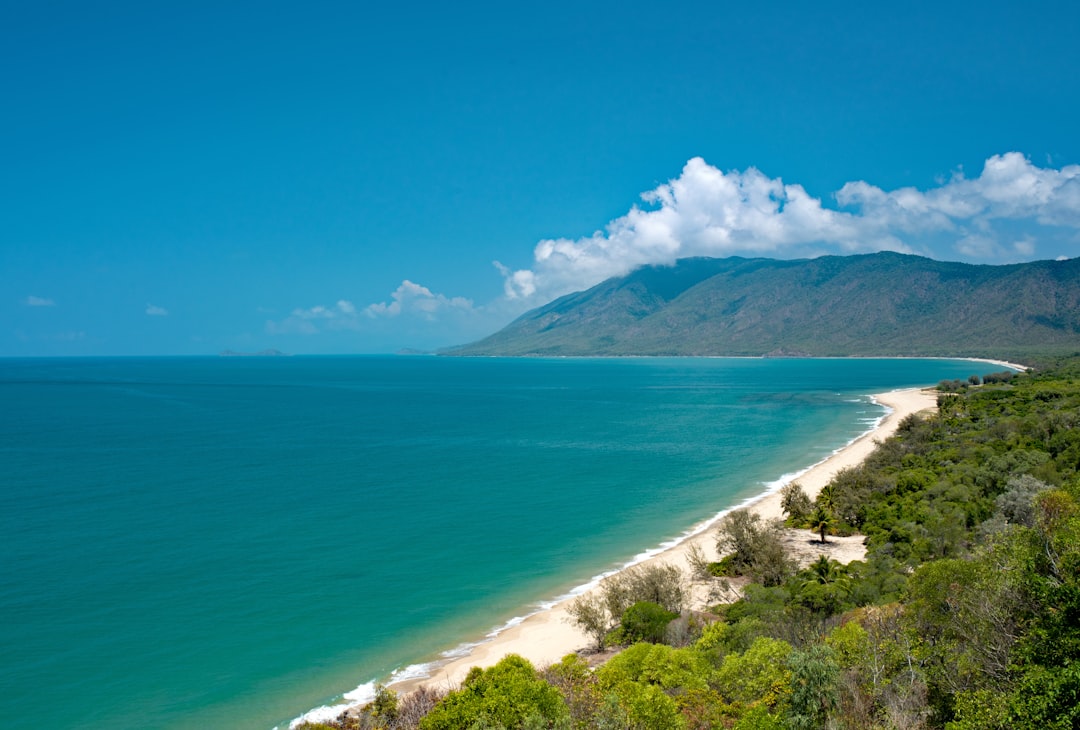
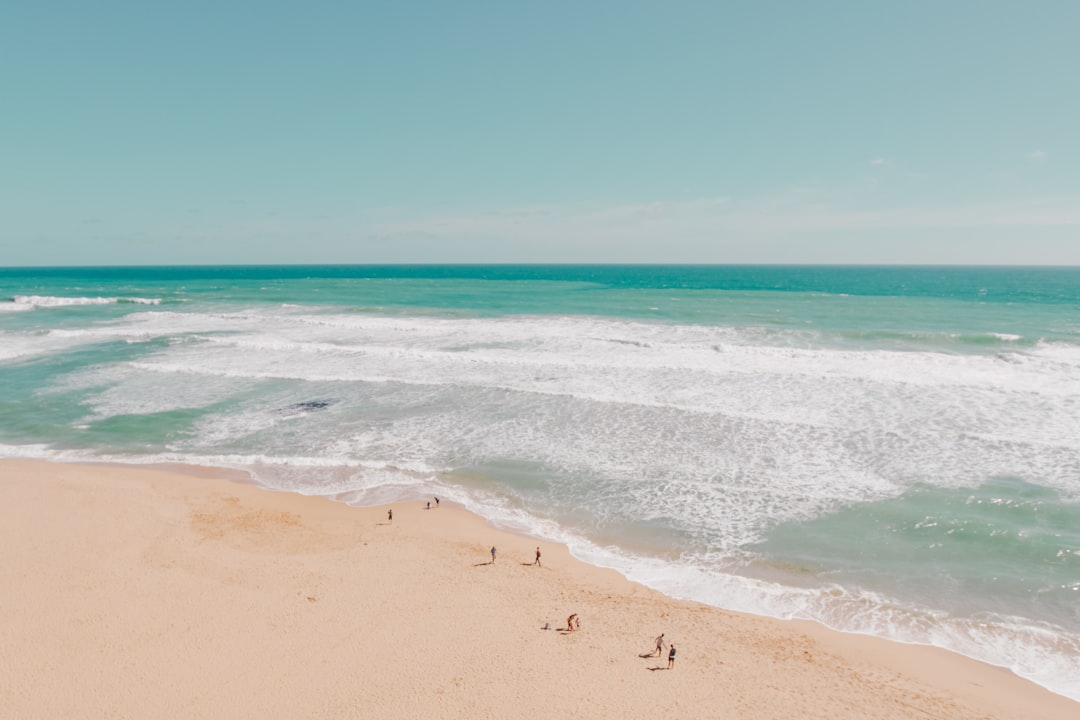
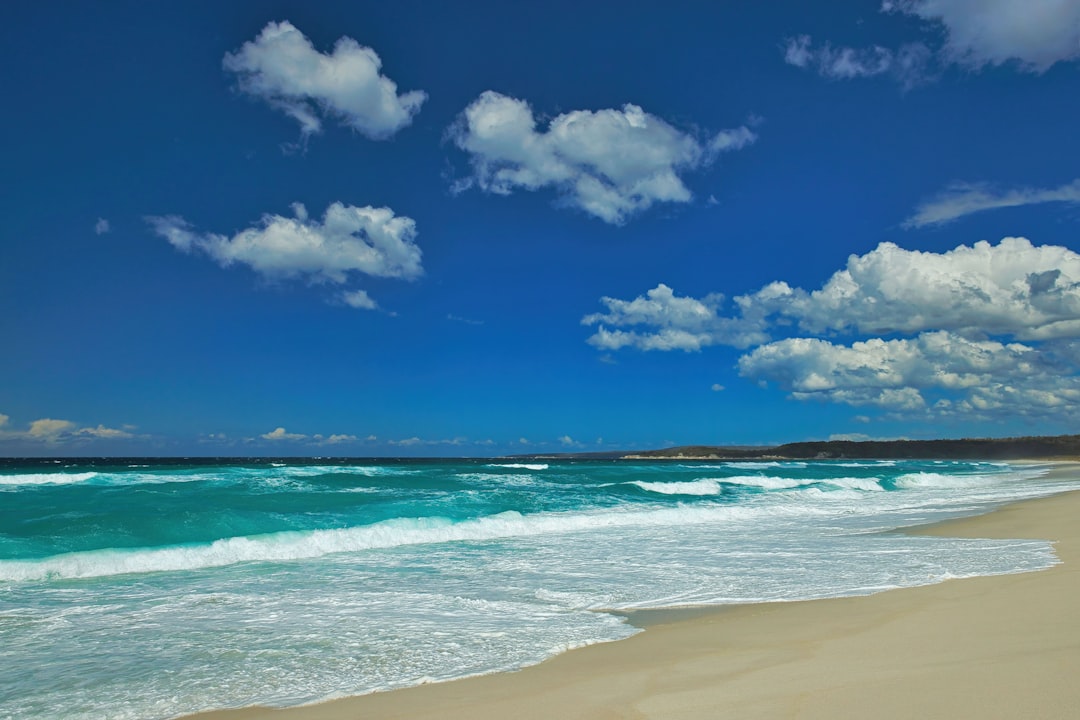
Have you ever wondered why a workout by the water leaves you feeling more invigorated than an hour in the gym, even when you’ve done half the reps? It is a sensation that many outdoor enthusiasts experience intuitively, yet few fully understand the physiological mechanics behind it. While the concept of “beach fitness” typically conjures images of crashing ocean waves and salty sea air, the ultimate expression of this training methodology is found in the heart of Victoria. In the majestic Grampians National Park (Gariwerd), the rugged landscape offers a unique twist on aquatic training. Here, we trade the unpredictable tides of the coast for the serene, glass-like surfaces of inland reservoirs like Lake Bellfield and Lake Wartook. This geographical shift does not diminish the workout; rather, it amplifies it. By combining the endurance mindset of a coastal athlete with the altitude and rocky terrain of the Grampians, we uncover a “blue space” training ground that challenges the body in ways a flat, sandy ocean beach simply cannot. This is where the search for the ultimate “beach” fitness experience paradoxically leads inland—to the rugged shorelines of one of Australia’s most ancient mountain ranges.
The Biomechanics of Blue Space Training
To understand why training by the water is so effective, we must look beyond the aesthetic appeal and examine the biomechanics of the environment. In the fitness world, we often discuss “proprioceptive richness”—the body’s ability to sense movement, action, and location. A standard gym floor offers zero proprioceptive challenge; it is flat, predictable, and stable. The shorelines of the Grampians, however, are the antithesis of a gym floor.
When you step onto the variable terrain of Lake Bellfield’s edge, your body is instantly forced to engage stabilising muscles that remain dormant during pavement running. The sand shifts, the submerged rocks are slippery with algae, and the angle of the bank is constantly changing. This instability forces a higher neuromuscular demand. Your brain processes information from your eyes, inner ear, and muscles at a rapid rate to keep you upright. This is “functional training” in its truest form.
The Altitude Factor
Adding another layer to this complex biomechanical puzzle is the elevation. The Grampians region sits significantly above sea level. When you perform high-intensity intervals at this altitude, combined with the resistance of water or sand, you are placing a unique load on your cardiovascular system. Unlike sea-level beach training where oxygen is plentiful, the thinner air here forces your heart and lungs to work harder to oxygenate the blood. This creates an efficient training stimulus that improves VO2 max (the maximum amount of oxygen your body can utilise during exercise) more effectively than similar efforts at lower elevations.
Research into “Blue Mind”—the mildly meditative state induced by water—suggests that the visual proximity to water lowers cortisol levels and reduces psychological stress. A specific study cited in the Journal of Environmental Psychology highlights that blue spaces trigger a parasympathetic nervous response (rest and digest). However, in the Grampians, this is juxtaposed with the visual intensity of the region’s famous red sandstone rock against the deep blue of the water. This contrast doesn’t just relax you; it sharpens visual acuity and mental focus, creating a state of “calm alertness” that is ideal for high-performance training.
The Gariwerd Shoreline Circuit: A “No-Equipment” Blueprint
You do not need a gym membership, kettlebells, or resistance bands to get a world-class workout in the Grampians. The landscape provides all the equipment you need. The following circuit is designed to be performed on the variable banks of the region’s lakes, utilising the natural architecture for resistance.
Before you begin, it is crucial to perform a dynamic warm-up. We are not just stretching muscles here; we are preparing the fascia and nervous system for uneven ground. Spend five minutes walking barefoot (if safe) to awaken the sensory receptors in your feet.
The Sand Plank
Find a patch of sand near the water’s edge where the ground is soft but not powdery deep. The instability of the sand increases the recruitment of the core, obliques, and shoulder stabilisers.
- Position: Assume a high plank position. Your feet should be digging slightly into the sand for grip.
- The Movement: Hold for 60 seconds. To increase difficulty, lift one leg for 15 seconds, then switch.
- The Grampians Twist: Due to the sloping nature of lake shores, try placing your feet uphill and your hands downhill. This anti-rotation force forces your obliques to fire aggressively to prevent your hips from sagging downhill.
Rock-Hop Agility
This drill targets fast-twitch muscle fibers and improves explosive power and coordination. It mimics the movement requirements of bouldering or trail running.
- Setup: Locate a series of exposed rocks or boulders along the shoreline. They should be of varying heights but stable enough to support your weight.
- The Movement: Explosively jump from one rock to the next, landing softly on the balls of your feet to absorb the impact.
- Sets: Perform 3 sets of 30 hops.
- Focus: Focus on the speed of your feet leaving the ground. Minimise ground contact time.
Water Resistance Running
This is the brutal finale of the circuit. Water provides multidirectional resistance that air cannot match. For every action, there is an equal and opposite reaction, and moving through water forces you to push against a dense medium.
- Depth: Wade out until the water is at waist level.
- The Sprint: Run with high knees for 20 seconds against the resistance of the water. Drive your arms hard.
- Recovery: Jog back or walk slowly for 40 seconds.
- Repeat: Complete 8 rounds.
Understanding Limitations
While this circuit is comprehensive, we must be honest about what cannot be safely replicated in this environment. Heavy, compound lifts like squats or deadlifts require a perfectly flat, stable surface to protect the spine and lower back. Attempting heavy barbell lifts on uneven shoreline rocks is a recipe for injury. If your training program requires heavy loading, save it for a gym or a solid concrete pad at your campsite. Use the shoreline for agility, stability, endurance, and explosiveness, and use the gym for raw strength.
The Micro-Climate Map: Reading the Water
Success in outdoor fitness is as much about reading the environment as it is about physical exertion. The Grampians creates its own weather patterns, and the waterways act as a mirror and a modifier for these conditions. Treating the lakes as static entities is a mistake; they are dynamic systems that change throughout the day.
Morning Mist vs. Afternoon Glare
Understanding light is critical for safety. In the early hours, particularly around the southern faces of Lake Bellfield, the temperature differential often creates a thick, ethereal mist. While beautiful, this reduces visibility significantly. If you are planning a rock-hop agility session or a run along the rocky perimeter, wait until the sun burns the mist off, usually by mid-morning. Conversely, by mid-afternoon, the Australian sun reflects intensely off the water. This isn’t just a comfort issue; it affects depth perception. The glare can flatten the visual field, making it difficult to judge the distance between rocks. When training in the afternoon, always wear polarised sunglasses and keep your head on a swivel.
Wind Tunnels and Canyon Resistance
The geological structure of the Grampians acts as a massive wind tunnel. The canyons funnel air currents, accelerating wind speed significantly compared to open plains. You can use this to your advantage. A headwind adds natural resistance to your running or walking intervals, forcing you to generate more power to maintain speed. However, be aware of crosswinds. If you are performing balance exercises (like single-leg deadlifts on a rock), a sudden crosswind gust can throw off your centre of gravity.
The “Dry-Land” Survival Guide: Nutrition & Recovery
The physiological demands of shoreline training in the Grampians are unique, and therefore, the recovery strategy must be equally specific. The environmental challenges—altitude, wind, and reflective UV—create a different internal stress profile than a standard gym session.
The Dehydration Myth of Cool Climates
One of the biggest dangers for campers and athletes in this region is the deceptive nature of the climate. Because the air is often cooler and drier, especially near the water in the morning, you do not feel the drenching sweat you would in a humid coastal environment. However, the wind and altitude accelerate evaporation from the skin. You can be losing electrolytes at a rapid rate while feeling relatively dry. This “silent dehydration” leads to fatigue, cramping, and slower recovery later that night around the campfire.
Hydration strategy must be proactive, not reactive. Do not wait until you are thirsty. Add electrolytes to your water bottle before you even start your warm-up. Look for formulas that include sodium, magnesium, and potassium to replace what is lost through sweat and respiration in the thin mountain air.
Post-Workout Recovery for the Camper
Recovery is often the hardest part of family camping Australia trips. You don’t have a ice bath or a massage therapist on hand. You have a camp chair and a cooler. However, you can improvise an effective protocol.
- Active Cool Down: Do not sit down immediately after your lake circuit. Walk for 5-10 minutes on flat ground to allow your heart rate to gradually return to baseline and to flush metabolic waste products (like lactic acid) from your muscles.
- The Cooler Ice Bath: If you have ice in your esky for your drinks, you have a recovery tool. Fill a large bucket or even a dry bag with cold lake water and dump some ice in it. Immersing your legs for 10 minutes can significantly reduce inflammation and muscle soreness.
- Nutrition: Within 30 minutes of finishing, consume a mix of protein and carbohydrates. For camping scenarios, this could be a simple tuna salad wrap, a protein shake, or even jerky and a piece of fruit. The goal is to replenish glycogen stores and provide amino acids for muscle repair.
Unexpected Discoveries & Local Secrets
One of the joys of returning to the Grampians year after year is witnessing the subtle changes in the landscape. The water levels in the reservoirs fluctuate seasonally, revealing new training grounds that simply did not exist the previous year.
At the southern end of Lake Bellfield, there is a “hidden sandbar” that only emerges during the summer drawdown. For most of the year, it is underwater, a submerged hazard for boats. But as the water recedes in the heat of January and February, it rises as a crescent of pristine, packed sand. It is an ephemeral training ground, available for only a few weeks a year. Finding it feels like discovering a secret room in a house you’ve lived in for years. It serves as a reminder that nature is not a static gym; it is a living entity that changes the rules of the workout. Training here rewards the observant athlete—the one who notices the water line dropping and anticipates the new terrain it will expose.
“There is a rhythm to the land that you have to listen to. You can’t force a workout on a day when the wind is howling and the rocks are slick. You have to adapt. That adaptability is the real workout.”
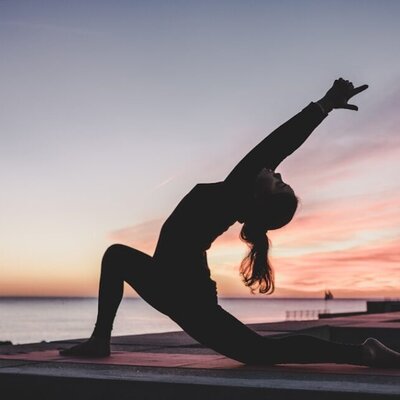
This adaptability is embodied by a local park ranger I’ve seen frequently near the trailhead of ‘The Pinnacle’. He has a routine that is as precise as any military drill. He uses a specific jagged rocky outcrop, not for climbing, but for calisthenics. I’ve watched him perform a movement he calls “The Ranger Reach”—a dynamic stretch where he hooks his heel over a protruding root and leans his entire torso backward, opening up his hip flexors and thoracic spine. It is a move that looks precarious, almost painful, but he performs it with the ease of drinking coffee. It is a testament to the specific conditioning required to move efficiently in this environment. It isn’t about gym strength; it’s about mobility, confidence, and trusting your grip on ancient stone. Seeing him move through his routine adds a layer of authenticity to the experience—a reminder that the best training is often learned by watching those who live and work in the wild, not just by following a manual.
Conclusion
Pack your trainers, but leave your expectations of a flat, gym-floor safety net behind. The next time you set up camp near the water’s edge, remember: the best equipment you have is the shifting ground beneath your feet. The question isn’t whether you can handle the workout, but whether the landscape is ready for you.
I encourage you to simply pick one rock or one patch of sand on your next trip to the Grampians and attempt a single movement. Observe how your body responds naturally. Feel the engagement of the stabilising muscles, the cool air in your lungs, and the resistance of the terrain. It is in that single moment of connection between your body and the Australian outdoors that the true value of this training is found.
Key Takeaways
- Proprioceptive Richness: Training on the unstable, rocky shorelines of the Grampians engages stabilising muscles far more effectively than flat gym floors.
- Altitude Advantage: Combine the resistance of water/sand with the elevation of the ranges to create a unique cardiovascular load that boosts VO2 max.
- Environmental Awareness: Success depends on reading the micro-climate—managing wind tunnels, afternoon glare, and slippery algae.
- Silent Dehydration: The cool, dry mountain air masks sweat loss; proactive electrolyte intake is essential.
- Ephemeral Terrain: Seasonal water level changes reveal new training grounds, like the hidden sandbar at Lake Bellfield, rewarding regular visitors.
Frequently Asked Questions
What is ‘blue space’ training in the Grampians?
Blue space training refers to exercising near water to leverage both physical and psychological benefits. In the Grampians National Park (Gariwerd), this involves utilising the inland reservoirs of Lake Bellfield and Lake Wartook. Unlike coastal beaches, the inland shorelines provide rugged, variable terrain combined with altitude. This environment forces the body to engage stabilising muscles to navigate slippery rocks and shifting sand, while the elevation places a unique load on the cardiovascular system to improve VO2 max.
How do I perform the Rock-Hop Agility drill safely?
To perform the Rock-Hop Agility drill, locate a series of exposed, stable boulders along the shoreline. Explosively jump from one rock to the next, landing softly on the balls of your feet to absorb impact, aiming for 3 sets of 30 hops. Safety is paramount: always test the stability of a rock with your full body weight before jumping, as wet algae can make rocks extremely slippery. If the rocks are too slick, substitute this drill with high-knees running in shallow water instead.
When is the best time to train at Lake Bellfield to avoid visibility issues?
The best time to train at Lake Bellfield depends on managing light conditions. In the early hours, a thick mist often forms on the southern faces, significantly reducing visibility for activities like rock-hopping; you should wait until mid-morning for the sun to burn this off. Conversely, by mid-afternoon, the Australian sun reflects intensely off the water, creating glare that flattens the visual field. If training in the afternoon, always wear polarised sunglasses to accurately judge distances between rocks.
What is the ‘hidden sandbar’ at Lake Bellfield?
The ‘hidden sandbar’ is an ephemeral training ground located at the southern end of Lake Bellfield. It remains submerged for most of the year but emerges as a crescent of pristine, packed sand during the summer drawdown, typically in January and February. This seasonal feature rewards observant athletes who notice the water line dropping, offering a unique terrain that exists for only a few weeks each year.
What are the essential recovery and nutrition tips for camping fitness trips?
Recovery in the Grampians requires addressing ‘silent dehydration’ caused by cool, dry mountain air that accelerates evaporation. Proactively add electrolytes containing sodium and magnesium to your water before you start. Post-workout, perform an active cool-down by walking on flat ground for 5-10 minutes rather than sitting immediately. For nutrition, consume a mix of protein and carbohydrates within 30 minutes, such as a tuna salad wrap or jerky and fruit, to replenish glycogen stores and aid muscle repair.



Be the First to Comment
Sign in to start the conversation.