

The Ultimate Australian Hiking Guide: Conquering the Blue Mountains
The heavy, humid silence of the Sydney basin suddenly gives way to a cooler, sharper air that smells distinctly of eucalyptus oil and damp earth. There is a visceral shift in the atmosphere as you cross the boundary from urban sprawl into ancient wilderness. The auditory landscape transforms dramatically: the distant hum of traffic is replaced by the sudden, deafening roar of the Grose River canyon tumbling over sandstone cliffs, contrasted only by the dry crunch of leaves under your boots. This is not merely a change in scenery; it is an immersion into a different ecological era. As you stand at the edge of the Blue Mountains National Park, stretching your stiff legs after the drive from the city, you feel the transition—from the concrete rigidity of metropolitan life to the wild, breathing rhythm of one of Australia’s most iconic geological formations. This sensory threshold marks the beginning of a journey that is not just about exercise, but about reconnecting with the land in its rawest form.
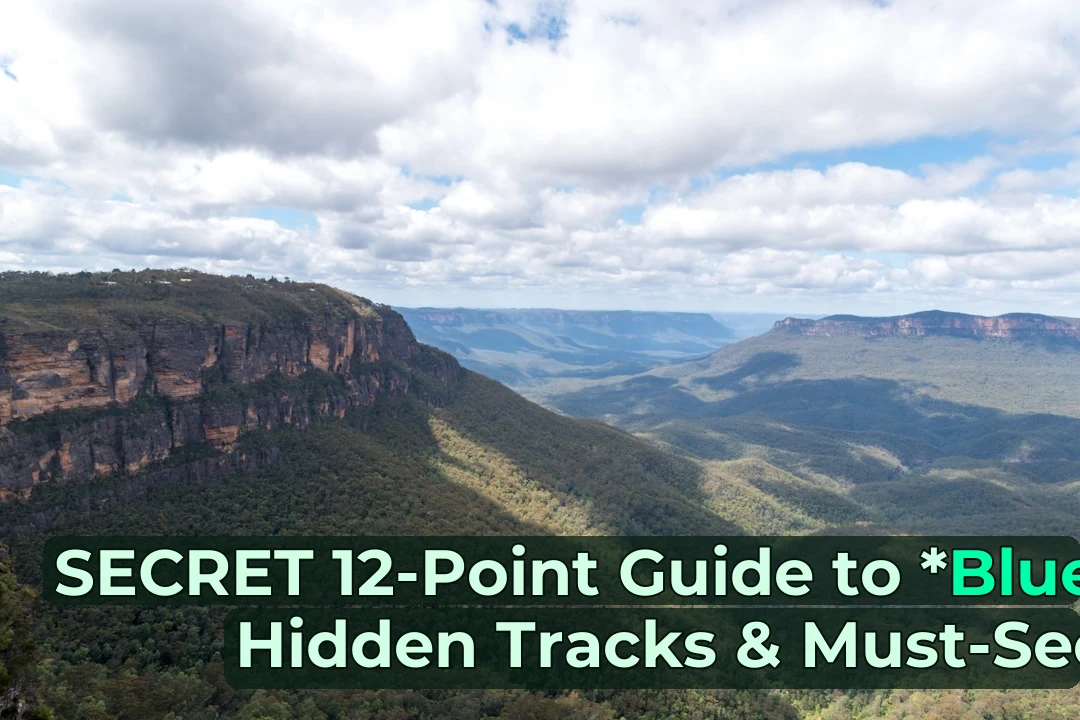
The Blue Mountains, a UNESCO World Heritage Area straddling the Great Dividing Range west of Sydney, offer more than just breathtaking vistas. They present a complex tapestry of ecosystems, from coastal heathlands to tall open eucalypt forests and ancient rainforest gullies. For the outdoor enthusiast, this region is a playground of sandstone escarpments and deep valleys that have been eroding for millions of years. Whether you are seeking a gentle family stroll or a grueling multi-day expedition, the answer lies in understanding not just where to go, but how to move through this landscape with respect and preparation.
The Gear as Second Skin: Preparation for Specific Micro-Climates
Gone are the days when “comfortable shoes” and a water bottle were sufficient for any trek. The Blue Mountains present specific micro-climates that can catch the unprepared hiker off guard. One moment you might be basking in full sun on an exposed ridge, where UV levels are extreme due to the thinner atmospheric layer at altitude; ten minutes later, you could be descending into a shaded gully where the air is thick with moisture and fern spores.
Your gear should be treated as a second skin. In NSW, humidity spikes can occur rapidly, turning sweat into cold discomfort during rests. Moisture-wicking fabrics are non-negotiable to regulate body temperature. Furthermore, sun protection must account for the high UV levels that penetrate even under the canopy of eucalyptus trees. A wide-brimmed hat, sunglasses with UV protection, and high-SPF sunscreen should be applied before you start walking, not after.
Honest Limitation: It is crucial to admit that no gear can fully protect against the unpredictable shifting of sandstone. The terrain here is ancient, unstable in places, and subject to rapid weather changes. Respect the terrain over equipment. A $500 boot will not save you from a misstep on loose shale, but it might give you the confidence to place your foot with greater precision. Always prioritise technique and awareness over reliance on expensive gear.
Decoding the Trail Hierarchy: Skill-Level Segmentation
To truly appreciate the Blue Mountains, we must categorise hikes not just by distance, but by the *type* of engagement required. The following tiers provide a clear framework for selecting trails that match your current capability and desired experience.
The Window Seat (Beginner/Family)
Focus: Short, accessible trails with immediate visual rewards. These hikes are designed for low barrier to entry and high accessibility.
- Wentworth Falls (4-step walk): A paved, well-maintained track that descends through the rainforest to the lookout. Perfect for strollers and young children, it offers 20 minutes of hiking for one of the region’s most iconic views.
- Meadow Creek Falls: A gentle 1km return walk from Blackheath. The trail is flat and winds through a lush gully, ending with the sight of cascading water over sandstone ledges.
- The Three Sisters (Echo Point): While crowded, the flat walk from Katoah village to the lookout is accessible and offers immediate context for the region’s most famous landmark.
The Scramble (Intermediate)
Focus: Trails requiring moderate physical exertion and basic navigation skills. These hikes introduce technical elements like steep descents and uneven terrain.
- The Grand Canyon Walk (Bilpin): A 7km return trek that involves significant elevation changes. The terrain is rugged, with narrow paths and exposed sections. Focus on technique—descend slowly to protect your knees, using trekking poles if available.
- Mt Solitary via Montrose Falls: A 9km return hike that takes you to the highest peak in the Katoah area. The final ascent is steep and involves scrambling over rocks, offering panoramic views of the Nepean River. It requires sturdy footwear and a head for heights.
- Lugger Mountain Loop: A 5km circuit that combines rainforest gullies with exposed ridge walks. It is moderately strenuous and offers a great mix of flora and fauna spotting.
The Expedition (Advanced)
Focus: Multi-day or strenuous single days requiring self-sufficiency. These hikes demand careful logistics, water sourcing planning, and emergency protocols.
- Mt Wilson to Blue Mountain Gap: A challenging 14km one-way trek. This route involves crossing several creek beds, navigating steep ridges, and requires carrying all necessary water as there are no reliable sources on the ridge.
- The Mountains to Sea Track (Section 1): While the full track extends far beyond, completing sections like the 20km journey from Leura Cascades to the coast requires rigorous planning, overnight camping permits (where applicable), and advanced navigation skills.
- Cape Escarpment Walk (Southern Highlands): For those venturing south, this multi-day trek requires bushcraft skills and awareness of fire bans and seasonal closures.
Key Takeaways:
- Beginner: Focus on accessibility and immediate views. Stick to paved or well-maintained tracks.
- Intermediate: Expect elevation changes and uneven terrain. Focus on knee protection and steady pacing.
- Advanced: Self-sufficiency is key. Plan water, food, and emergency exits. Check weather conditions meticulously.
The Unseen Rules of the Bush: Expert Insights and Local Knowledge
Moving beyond the physical challenges, there is a cultural and environmental etiquette that separates tourists from respectful hikers. The Blue Mountains are home to fragile ecosystems that have been damaged by well-meaning but ignorant visitors. Understanding “Leave No Trace” in the context of Australian flora is paramount.
Local Knowledge: Be aware of “bush tucker” plants. While many natives are edible, others are toxic. Do not consume any plant unless you are 100% certain of its identity with an expert. Furthermore, respect nesting birds and wildlife habitats. Keep dogs on leashes at all times to protect ground-nesting species like the Regent Honeyeater.
Beyond the Postcard: Unexpected Discovery and Personal Story
It is impossible to discuss the Blue Mountains without mentioning the Three Sisters. However, relying solely on iconic landmarks limits your connection to the land. The best moments often come from stepping off the main track and embracing uncertainty.
“I remember my first serious hike near Mount Solitary. I was eager to reach the summit before sunset, pushing hard up the steep scree slope. Overconfident and rushing, I slipped on loose rock, sliding ten metres down a shale chute before my trekking pole caught on a root. I was bruised, embarrassed, and utterly humbled. That slip taught me more about the mountain than any guidebook ever could: respect the terrain, place your feet deliberately, and never rush a descent.”
This “Scree Slide” anecdote is not just a cautionary tale; it’s a practical demonstration of the importance of technique and humility. It reminds us that even experienced hikers make mistakes, which builds trust with beginners who fear failure.
The Silence of the Wollemi Pines (Ecological Wonder):
Further afield, on specific guided walks into the Wollemi National Park (adjacent to the Blue Mountains), you may encounter the Wollemi Pine (*Wollemia nobilis*). These ancient trees, thought to be extinct for millions of years until their rediscovery in 1994, are a living fossil. Walking through the shaded gullies where giant tree ferns tower overhead, you feel a profound shift in focus—from *conquering* the trail to *witnessing* it. This biodiversity is a testament to the resilience of Australian flora and offers an “Unexpected Discovery” that transcends standard tourism.
The Gear Failure Reality Check:
I once experienced a phone battery dying in minutes during a cold canyon hike. The combination of low temperatures and high altitude drained my device rapidly, leaving me without GPS or emergency contact capability. This failure highlighted the need for a physical map and compass as backup, regardless of technology. Always prepare for technical failures; they happen when you least expect them.
Beyond the Postcard: Unexpected Discovery and Personal Story
It is impossible to discuss the Blue Mountains without mentioning the Three Sisters. However, relying solely on iconic landmarks limits your connection to the land. The best moments often come from stepping off the main track and embracing uncertainty.
“I remember my first serious hike near Mount Solitary. I was eager to reach the summit before sunset, pushing hard up the steep scree slope. Overconfident and rushing, I slipped on loose rock, sliding ten metres down a shale chute before my trekking pole caught on a root. I was bruised, embarrassed, and utterly humbled. That slip taught me more about the mountain than any guidebook ever could: respect the terrain, place your feet deliberately, and never rush a descent.”
This “Scree Slide” anecdote is not just a cautionary tale; it’s a practical demonstration of the importance of technique and humility. It reminds us that even experienced hikers make mistakes, which builds trust with beginners who fear failure.
The Silence of the Wollemi Pines (Ecological Wonder):
Further afield, on specific guided walks into the Wollemi National Park (adjacent to the Blue Mountains), you may encounter the Wollemi Pine (*Wollemia nobilis*). These ancient trees, thought to be extinct for millions of years until their rediscovery in 1994, are a living fossil. Walking through the shaded gullies where giant tree ferns tower overhead, you feel a profound shift in focus—from *conquering* the trail to *witnessing* it. This biodiversity is a testament to the resilience of Australian flora and offers an “Unexpected Discovery” that transcends standard tourism.
The Gear Failure Reality Check:
I once experienced a phone battery dying in minutes during a cold canyon hike. The combination of low temperatures and high altitude drained my device rapidly, leaving me without GPS or emergency contact capability. This failure highlighted the need for a physical map and compass as backup, regardless of technology. Always prepare for technical failures; they happen when you least expect them.
The Echo of the Trail: Closing Thoughts
Returning to the car park after a day on the trails is a moment of quiet reflection. The fatigue in your legs, the smell of sweat and eucalyptus on your skin, and the quiet satisfaction of having navigated complex terrain all contribute to a sense of accomplishment. This is not just about collecting miles; it’s about cultivating a relationship with the landscape.
The Takeaway: The “Ultimate Guide” is not about conquering the most difficult trail, but about understanding your limits and respecting the environment. Whether you are a beginner enjoying the Window Seat trails or an expert tackling the Grand Canyon, the key is mindful engagement with nature.
Final Actionable Step: Leave one piece of litter you didn’t pick up (a metaphorical or literal small act) and share your own “hidden gem” discoveries in the comments. Let’s build a community of respectful hikers who value the Blue Mountains as much for their silence and secrecy as for their vistas. For further resources, check out the official NSW National Parks website for real-time trail conditions and safety alerts.
Ready to lace up your boots? The Blue Mountains are waiting. Remember: the trail is not just a path through the forest; it is a conversation with the earth. Listen closely, and you might just hear the echo of your own footsteps.
Frequently Asked Questions
What makes the Blue Mountains National Park unique geologically and ecologically?
The Blue Mountains are a UNESCO World Heritage Area straddling the Great Dividing Range west of Sydney, featuring complex ecosystems from coastal heathlands to tall open eucalypt forests. Geologically, they are defined by sandstone escarpments and deep valleys eroding for millions of years. The region’s name comes from the blue haze emitted by eucalyptus trees, caused by sunlight scattering off volatile oils in the leaves. Ecologically, it supports diverse life, including the famous Blue Gum Forest with trees over 100 metres tall and rare species like the Wollemi Pine (*Wollemia nobilis*), thought extinct until rediscovered in 1994.
What specific gear is required for hiking in the Blue Mountains?
Standard city sneakers are insufficient due to sharp, rocky scree; you must invest in hiking boots with aggressive tread patterns designed for loose rock to prevent foot injuries. Moisture-wicking fabrics are non-negotiable to regulate body temperature during rapid humidity spikes. Sun protection must account for extreme UV levels, requiring a wide-brimmed hat, UV-protection sunglasses, and high-SPF sunscreen. Additionally, pack a lightweight windbreaker for exposed ridges like Katoah Peak Walk, where gusty conditions can cause rapid heat loss.
How should hikers categorise their skill level and choose appropriate trails?
Trails are segmented into three tiers: Beginner, Intermediate, and Advanced. Beginners should stick to accessible, paved tracks like the Wentworth Falls 4-step walk (20 minutes) or Meadow Creek Falls (1km return). Intermediate hikers tackling routes like the Grand Canyon Walk (7km return) must expect significant elevation changes and uneven terrain, focusing on knee protection. Advanced hikers undertaking multi-day treks like the Mt Wilson to Blue Mountain Gap (14km one-way) must prioritise self-sufficiency, carrying all water and planning emergency exits as there are no reliable sources on the ridge.
When is the best time of day and year to hike in the Blue Mountains?
Timing is critical for safety and comfort. Avoid midday sun on exposed sandstone ridges where temperatures can soar above 40°C (104°F). Start early before 8am or later in the afternoon after 3pm to avoid heat stress and crowds. During summer, always check the NSW National Parks website for fire bans, as many trails close due to extreme risk. For quieter experiences, weekday mornings on the Bells Line of Road are recommended.
What are the costs and legal obligations for hiking in this region?
While general access to the Blue Mountains National Park does not require an entry fee for day visitors, ignoring trail closures during summer fire bans carries heavy fines and endangers firefighters. There are no costs associated with most beginner trails, but advanced multi-day treks may require overnight camping permits where applicable. Hikers must also adhere to strict environmental laws, such as keeping dogs on leashes to protect ground-nesting species like the Regent Honeyeater, and avoiding the consumption of toxic native plants unless identified by an expert.


Be the First to Comment
Sign in to start the conversation.