
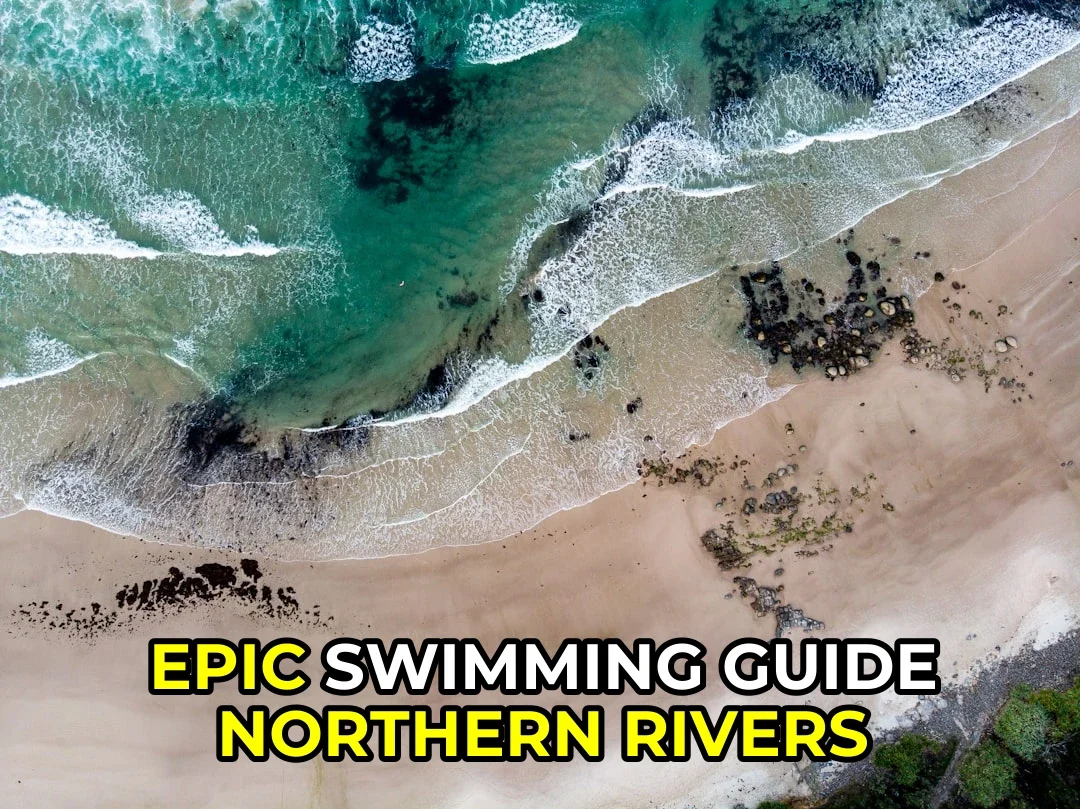
The car winds around the final bend off Byron Bay Road, and suddenly, the thick, humid air of a typical Northern Rivers morning breaks into sudden clarity. Standing at the edge of Wategos Beach just before sunrise, you feel the sand still cool underfoot while the only sound is the rhythmic hush of the Pacific against the coral reef break. The water here looks less like an ocean and more like liquid glass, stretching out toward the lighthouse silhouetted against a pale sky. This “blue silence” is the hook—the promise of what happens when you stop looking at your phone and start reading the water. It establishes a tone that isn’t about adrenaline-pumping danger, but rather finding your place in a vast, ancient system. We immediately ground the reader in local knowledge: this specific spot is protected by its geography, making it calm and perfect for beginners, a stark contrast to the wilder surf that rolls in further north along the rugged coastline.
Reading the “Invisible Map”
Before you even pack your bag, you must understand that swimming in the Northern Rivers is dictated by tides and currents, not just whether it’s sunny. This region, anchored by the iconic Byron Lighthouse—the easternmost point of mainland Australia—features unique geography that changes how water moves along the shore.
When you swim here, you aren’t in a pool; you are in a dynamic system influenced by the corner of the continent.
* Byron Bay: The southern side of the bay (The Pass) is often rougher, while Wategos and Granite Bay are sheltered by headlands.
* Ballina: The river mouth at Billabong Beach can be tricky during high tide, with shifting sandbars.
* Brunswick Heads: The river entry creates a unique “washout” effect that can pull swimmers out quickly if you aren’t paying attention to the channel.
> Warning: While spots like Wategos are sheltered, always check the ocean conditions. Some beautiful stretches of coast in this region have strong rips that are dangerous for weak swimmers. Never turn your back on the ocean, even when it looks calm.
Understanding these local landmarks helps you choose a spot that matches your ability. For instance, the shadow of the Byron Lighthouse casting over specific coves at low tide reveals shallow rocks and sandbars that disappear completely at high tide. Swimming here is less about endurance and more about reading the water’s behaviour.
The Gear That Doesn’t Feel Like Gear
Most guides simply list “swimsuit” and “towel.” However, to truly enjoy the Northern Rivers, you need gear that respects the local environment. This isn’t about looking like a professional athlete; it’s about comfort and protection in one of the sunniest regions of Australia.
* Silicone Caps: Essential for keeping hair dry and preventing chlorine or salt damage, especially if you are swimming in river mouths where water quality can vary.
* Wetsuit Selection: During shoulder seasons (autumn and spring), water temperatures can fluctuate. A 2mm full suit is often sufficient for most of the year, but a 3/2mm might be needed during winter months (June–August) when the ocean feels sharper.
* Zinc Application: Use a non-nano zinc sunscreen applied 20 minutes before entering the water. It creates a physical barrier that lasts longer than chemical sunscreens and is safer for the coral reef ecosystem.
> Pro Tip: Don’t forget water shoes if you plan to swim near the rocky points of Brunswick Heads. The coral rocks can be sharp and slippery, so having grip is vital for a safe swim.
This preparation feels less like a chore and more like a ritual of respect for the place you are visiting.
Timing Your Dip: Seasonal Advice
The Northern Rivers offer a diverse range of swimming experiences depending on the time of year. Maximising your experience means choosing when to go based on what you value: solitude or warmth.
| Season | Water Temperature | Crowd Levels | Best For |
| :— | :— | :— | :— |
| Summer (Dec-Feb) | 23°C – 25°C | High | Families, late swims |
| Autumn (Mar-May) | 21°C – 23°C | Medium | Clear water, fewer crowds |
| Winter (Jun-Aug) | 18°C – 20°C | Low | Solitude, crisp air |
| Spring (Sep-Nov) | 19°C – 21°C | Medium | Wildflower views, mild waters |
Local Insight: The Bureau of Meteorology’s ocean forecasts are useful, but local surfers’ reports on social media or at your local cafe often give a more accurate picture of current conditions.
Swimming in June might be cold, but it offers solitude and crisp air that you can’t get during school holidays. Conversely, swimming in January requires early morning dips (before 9am) to avoid the crowds and midday heat.
> Expert Tip: Always check the rip current flags at patrolled beaches. If you are swimming outside of patrol hours, always swim with a buddy and stay close to shore.
Stories from the Water: Discovery & Limitation
To truly understand how to plan your swimming, you need to hear from those who know these waters. Here are two contrasting stories that highlight the rewards and risks of swimming in this region.
The Unexpected Discovery: Tallow Beach
One afternoon, while avoiding the main tourist strip at Main Beach, a local guide suggested exploring the far end of Tallow Beach. It was midday, and while most tourists flocked to the central section, this area featured a quiet, shallow pool formed by natural rock formations. Even in winter, the water here was warm enough to swim without a wetsuit for short periods. This discovery highlights the reward of exploring beyond the obvious tourist traps—a tangible “secret” that rewards curiosity.
The Honest Limitation: Cowan Cowan Beach
Not every swim goes perfectly. On one occasion, a visitor underestimated the current at Cowan Cowan Beach. The rip pulled them slightly offshore, leading to a brief moment of panic. However, staying calm and following the local advice to swim parallel to shore rather than directly back against the current saved the day. It wasn’t a failure; it was a vital lesson in respecting the ocean’s power, reinforcing the importance of understanding rip currents without fear-mongering.
Leave No Trace: The Final Reflection
We avoid a summary of steps here because the best swimming experiences aren’t about checking boxes. Instead, we end with a value-driven reflection on your relationship with the Northern Rivers ecosystem.
When you swim in Byron Bay, Brunswick Heads, or Ballina, view your next dip not as a workout, but as an interaction with a living environment. Encourage yourself to take one piece of trash you see (even if it’s not yours) and leave the beach better than you found it. This ties back to the authentic experience of being a responsible guest in this beautiful part of Australia.
> Key Takeaways:
> * Choose sheltered spots like Wategos for beginners.
> * Respect tides and currents—they change rapidly.
> * Use reef-safe sunscreen to protect local marine life.
> * Explore beyond the main tourist strips for hidden gems like Tallow Beach’s pools.
The best swim isn’t measured in laps, but in how quietly you can listen to the ocean.
Frequently Asked Questions
Which swimming spots in the Northern Rivers are best for beginners?
For beginners, Wategos Beach is highly recommended due to its geography. Located just before the bend off Byron Bay Road, it is protected by a coral reef break which creates calm ‘liquid glass’ waters, contrasting with the wilder surf further north. Granite Bay is also sheltered by headlands. In contrast, avoid the southern side of Byron Bay (The Pass), which is often rougher, and steer clear of Brunswick Heads’ river entry where the ‘washout’ effect can pull swimmers out quickly if you do not pay attention to the channel.
What gear is essential for swimming in this region?
To respect the local environment and ensure comfort, you should pack silicone caps to protect hair from salt or river water quality issues. For wetsuits, a 2mm full suit is usually sufficient during shoulder seasons (autumn and spring), but you will need a 3/2mm suit in winter (June–August). Apply non-nano zinc sunscreen 20 minutes before entering to create a physical barrier that is safer for the coral reef ecosystem. Additionally, bring water shoes if swimming near rocky points like Brunswick Heads to protect your feet from sharp coral rocks.
When is the best time of year to swim in the Northern Rivers?
The ideal time depends on your priorities. For warm water (23°C–25°C) and family-friendly conditions, summer (December–February) is best, though crowds are high. Autumn (March–May) offers clear water and fewer crowds with temperatures of 21°C–23°C. If you prefer solitude and crisp air, winter (June–August) is ideal with lower crowds and water temperatures of 18°C–20°C. Note that in January, you should swim before 9am to avoid midday heat and crowds.
What should I do if I get caught in a rip current?
If you are pulled offshore by a rip, such as at Cowan Cowan Beach, stay calm and do not swim directly back against the current. Instead, follow local advice to swim parallel to the shore until you are out of the pull, then angle back to land. Always check for rip current flags at patrolled beaches like Billabong Beach, where shifting sandbars can be tricky. If swimming outside patrol hours, always swim with a buddy and stay close to shore to ensure safety.

Be the First to Comment
Sign in to start the conversation.