

🔥 The sun beats down as I stand at the trailhead, surrounded by towering eucalyptus trees, with nothing but my gear and a decision to make – trust the handheld GPS or rely on my phone’s navigation app? After countless adventures through Australia’s stunning landscapes, I’ve put both through their paces to find out which one actually delivers when it matters most!
📊 Quick Comparison Overview
Let’s cut to the chase – I’ve tested both traditional GPS devices and phone navigation apps across everything from coastal walks in Noosa to multi-day hikes in the Blue Mountains. Here’s the skinny: GPS units offer reliability and battery life but cost heaps, while phone apps are convenient but drain your battery faster than a thirsty kangaroo at a waterhole. The real question is which trade-off works for YOUR adventures?
🅰️ GPS Device Deep Dive
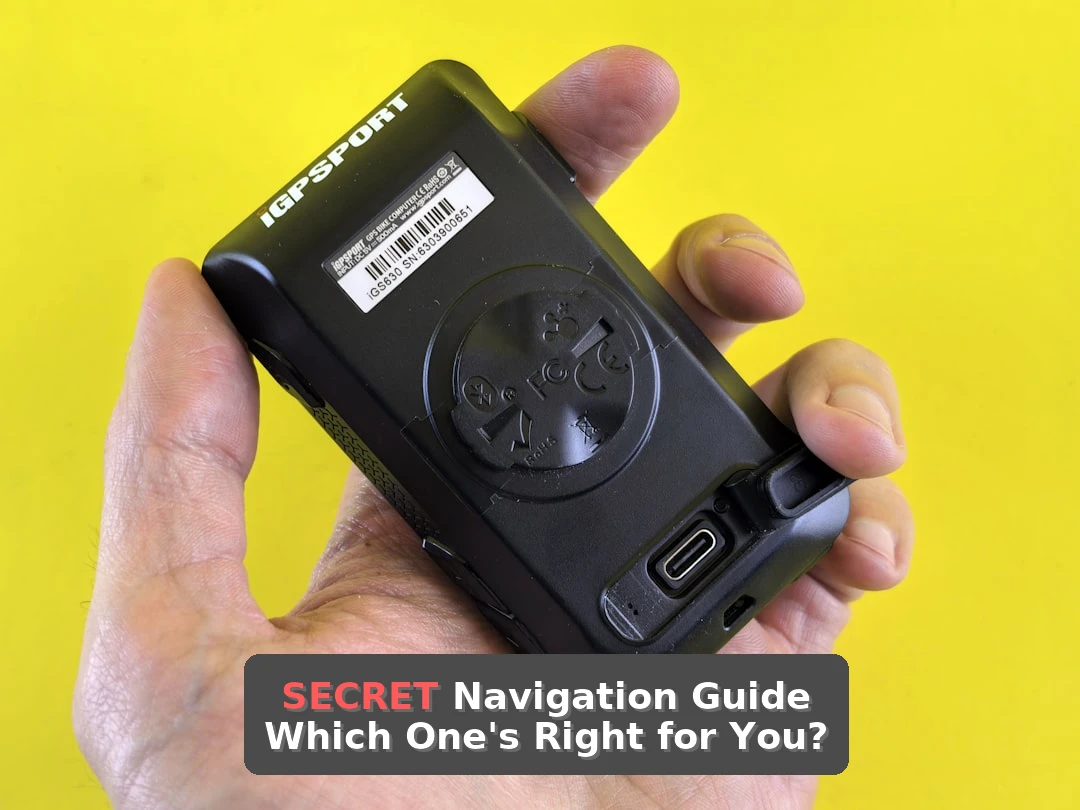
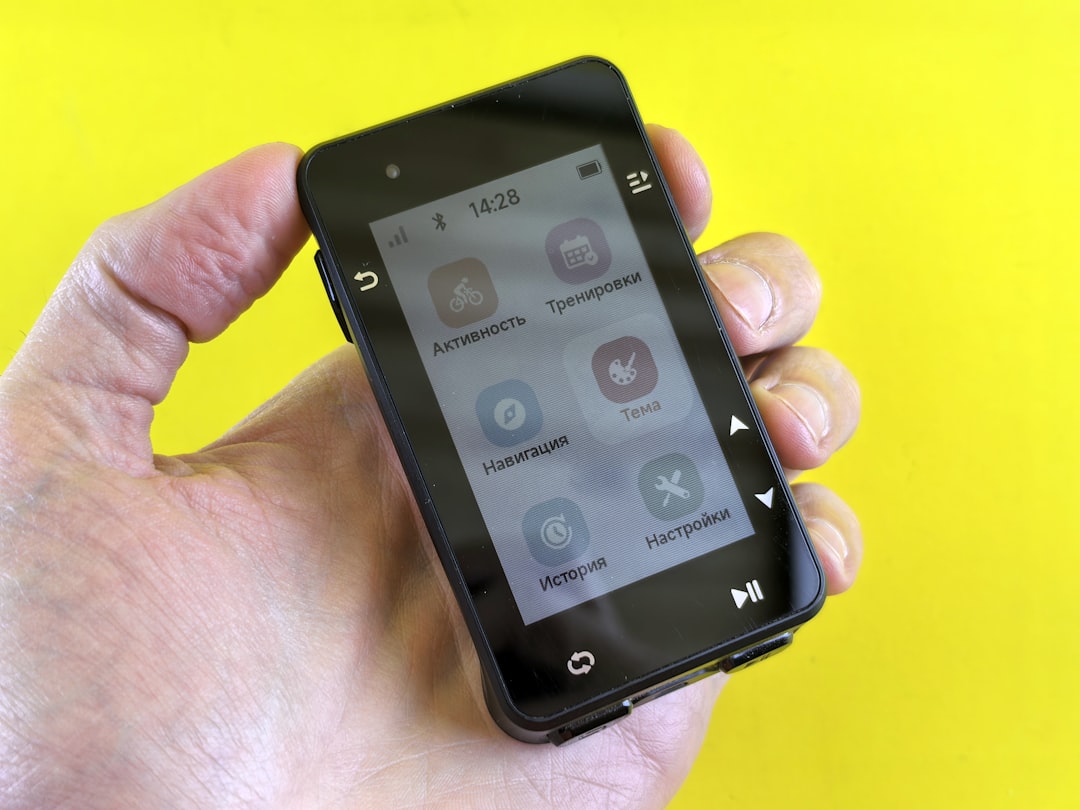
Alright, let’s talk about proper GPS units like the Garmin inReach Mini 2 or the Garmin GPSMAP 66i. These little ripper machines are built tough – I’ve dropped mine, submerged it briefly, and it still keeps ticking. The battery life is phenomenal, lasting weeks on a single charge, which is bloody fantastic for multi-day trips. They work anywhere, no signal required, and the SOS feature gives serious peace of mind when you’re out in the middle of nowhere. Downside? They cost a pretty penny, and the mapping can sometimes feel a bit behind the times.
🅱️ Phone Navigation Reality Check
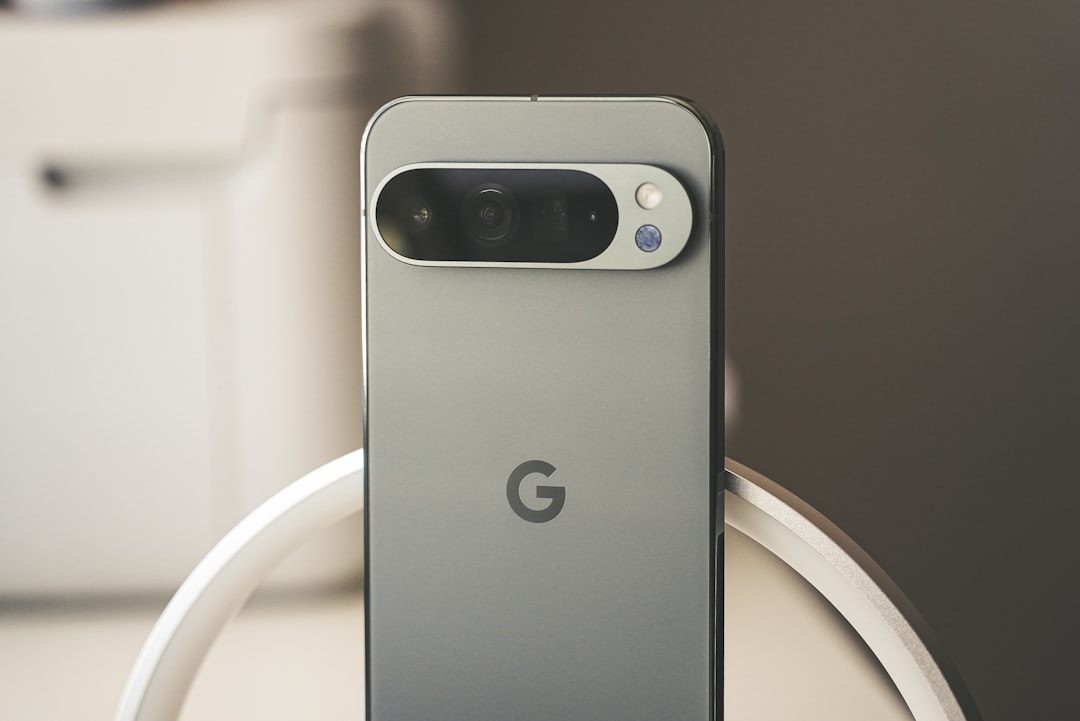
Now onto the phone apps – I’m talking about AllTrails, Maps.me, and Google Maps. These are absolute game-changers for day trips and well-marked trails. The interface is heaps user-friendly, you get real-time updates, and you can snap photos and share your location with mates. Plus, you’ve already got it in your pocket! But here’s the kicker – battery drain is real. I’ve had my phone die halfway through a walk, leaving me proper stuffed. And when you’re out of cell range? You’re basically navigating with a fancy paperweight.
⚔️ Head-to-Head Breakdown
Let’s put these side by side:
✅ GPS Units:
• Battery life: 2-4 weeks
• Durability: Built like a tank
• Cost: $300-$600 upfront
• Features: SOS, tracking, weather
✅ Phone Apps:
• Battery life: 4-8 hours (heavy use)
• Durability: Depends on your phone case
• Cost: Free-$50/year
• Features: Real-time updates, photos, social sharing
For serious adventuring, GPS can’t be beaten. For casual day trips, your phone will do the trick just fine.
🏆 The Winner Is…
After all my testing, here’s my verdict: if you’re a serious outdoor enthusiast doing multi-day trips or heading into remote areas, a proper GPS unit is worth every cent. The reliability and battery life are game-changers. But for most weekend warriors and day trippers, a good phone app with a portable charger will see you right. Me? I’ve got both – GPS for the big adventures and phone apps for everything else. It’s all about having the right tool for the job!
💡 Tips & Warnings
✅ Always carry a portable charger if using phone navigation – you’ll thank me when your battery hits 10%!
❌ Don’t rely solely on phone navigation in remote areas – download offline maps as backup
⚠️ ⚠️ Weather can affect GPS accuracy – always have a physical map as emergency backup
✅ Do test your navigation setup at home before heading out on big adventures
🚀 Which one would you pick? A reliable GPS unit for serious adventures or the convenience of your phone with a backup battery? Let me know in the comments! 🚀
#outdooradventures #gpsvsphone #navigation #australianexplorer #hikingtips #adventuregear #outdoorequipment #campinglife #australiatravel




Be the First to Comment
Sign in to start the conversation.