
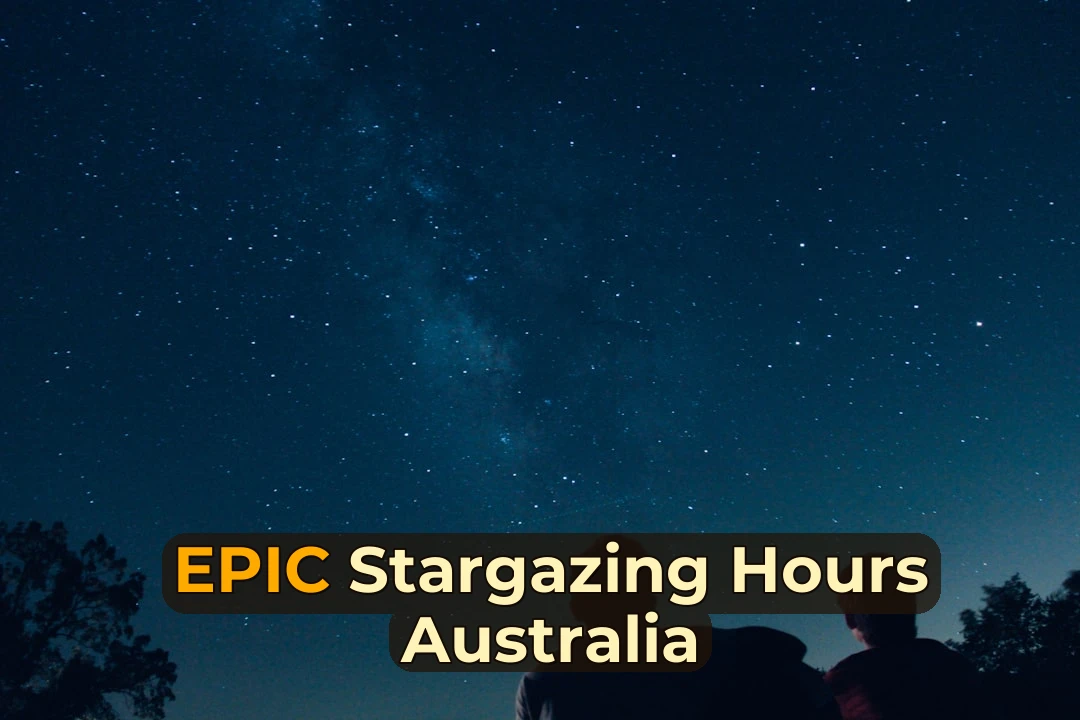
🔥 With light pollution blocking out the stars for over 80% of the world’s population, getting a clear view of the southern sky is a rare treat these days. I’ve spent heaps of nights out bush trying to find that perfect dark sky patch, and let me tell you, being prepared makes the difference between a magical night and a shivering disaster!
🔭 The Optics Setup
✅ **Red Light Torch** – Crucial for preserving night vision. White light ruins your eyes’ ability to see dim stars for about 20 minutes!
✅ **Binoculars (10×50 recommended)** – Perfect starter gear. You’ll see nebulae and star clusters you didn’t know existed.
✅ **Planisphere (Star Wheel)** – An old-school rotating map to help you identify constellations like the Southern Cross.
✅ **Laser Pointer** – Great for pointing out stars to mates (just be careful near airports!)
👕 Clothing & Warmth
✅ **Thermal Base Layer** – It gets bloody cold in the outback at night, even in summer.
✅ **Fleece or Puffer Jacket** – Layering is key. You can always take it off if you’re too hot.
✅ **Beanie & Gloves** – Heat escapes from your head and hands fast. Keep ’em covered!
✅ **Sturdy Boots** – No thongs! You’ll be walking on uneven ground in the dark.
🪑 Comfort & Seating
✅ **Camping Chair** – Standing for hours looking up kills your neck. Get a comfy one with a headrest.
✅ **Thermos or Flask** – Nothing beats a hot cuppa or coffee while watching the stars.
✅ **Picnic Blanket** – Good for lying back and staring straight up at the Milky Way.
✅ **Insect Repellent** – The moths and mosquitoes can be vicious near light sources.
📱 Tech & Navigation
✅ **Stargazing App (SkySafari or Stellarium)** – Point your phone at the sky to identify stars and planets in real-time.
✅ **Offline Maps** – You’ll often have zero reception out at dark sky sites. Download them beforehand!
✅ **Portable Power Bank** – Cold weather drains phone batteries fast.
✅ **Head Torch** – Hands-free is best for setting up gear.
🥪 Snacks & Supplies
✅ **High-Energy Snacks** – Nuts, chocolate, or muesli bars to keep you going.
✅ **Plenty of Water** – Dehydration is a real risk, especially in dry desert areas.
✅ **Rubbish Bags** – Leave no trace, mate. Pack it in, pack it out.
📋 Practical Info
📍 Warrumbungle National Park, NSW 2828 (Australia’s only Dark Sky Park)
🚗 From Sydney, approx. 5.5 hours drive via the M41 and Castlereagh Highway
💰 $12 per vehicle per day (NPWS pass)
🕐 Best viewing 1-5 days after New Moon. Arrive before sunset to set up.
⏱️ 3-4 hours for a solid session, or overnight if camping
💡 Tips & Warnings
✅ Check the moon phase before you go – a full moon washes out the stars!
❌ Don’t use white light torches around other astronomers, it ruins their night vision instantly.
⚠️ Let someone know your itinerary if you’re heading deep into the outback alone.
✅ Give your eyes at least 20 minutes to adjust to the darkness.
🚀 What else is on your packing list? 🚀
#stargazing #astronomy #Australia #outdoors #darksky #camping #nature #MilkyWay
Be the First to Comment
Sign in to start the conversation.