

Australia has produced over 47 professional cyclists currently competing in European pelotons, yet most riders don’t realise the same roads that nurture elite talent—like those winding through Healesville and Kinglake in the Yarra Valley—remain accessible to everyday cyclists year-round. These bitumen ribbons, where future GreenEDGE stars (the official australian cycling team name recognised globally) sharpen their climbing legs, offer some of the most rewarding bike touring in the country. With the australian road cycling championships 2026 recently wrapped up and already etching themselves into local cycling folklore, there’s never been a better time to explore Greater Melbourne’s cycling heartland by two wheels.
Why Autumn Changes Everything: The Golden Window for Cycling Australia’s South-East
Autumn in the Yarra Valley isn’t just pleasant—it’s transformative. Between March and May, the region sheds its summer harshness and reveals something gentler: golden vineyards, misty mornings that burn off by 10am, and road surfaces that aren’t melting under 40-degree heat.
For anyone planning a bike touring adventure connected to cycling australia culture, this is your window. The numbers back it up:
- Average daytime temperatures: 18–24°C (compared to 28–35°C in summer)
- Daylight hours: 11–13 hours (enough for long days in the saddle)
- Rainfall: Moderate, but typically concentrated in short bursts rather than all-day drizzle
- Wind patterns: Calmer mornings, predictable afternoon breezes from the south
But let’s be honest about what autumn doesn’t offer. You’ll lose daylight by 7:30pm in late March, earlier as May approaches. The weather can turn quickly—Toolangi State Forest holds mist like a secret, and that scenic climb can become a cold, damp grind if you’re caught out after 4pm.
Still, this beats summer touring hands down. No dehydration headaches. No fighting the holiday crowds. Just you, the bike, and roads that have carried everyone from weekend warriors to riders chasing national titles.
The Championship Afterglow
The australian road cycling championships 2026 held in Ballarat this past January have already set the tone for the year. Cadel Evans’s legacy continues to inspire, and the ripple effect reaches right into the Yarra Valley. Local clubs report record membership numbers. Cafés in Yarra Glen and Healesville now stock cycling magazines alongside wine lists. The sport’s visibility is at an all-time high—and that energy permeates every ride you’ll take here.
Three Routes That Shaped Australian Cycling
These aren’t just pretty rides. Each route has played a role in cycling australia‘s development pathway—the proving grounds where young riders test themselves before chasing contracts in Europe. Here’s how to experience them, whether you’re a seasoned tourer or hauling panniers for the first time.
1. Healesville to Marysville via Black Spur (Recovery Ride)
Distance: 45km one way
Elevation gain: 580m
Difficulty: Moderate—family-friendly with e-bikes
This is the entry point. The Black Spur Drive, with its towering mountain ash and fern-lined corridors, is one of Victoria’s most photographed roads—and yes, it’s even better from a saddle than a car window.
The gradient never exceeds 6%, making it achievable for most fitness levels. Stop at the Maroondah Highway lookout for the classic shot, but the real magic happens in the quiet moments: a wallaby watching from the treeline, the smell of eucalypt after overnight rain.
2. The Kinglake Climb (Where Australian Cycling Team Name Athletes Train)
Distance: 65km loop from Eltham
Elevation gain: 1,100m
Difficulty: Challenging—not recommended for beginners
This is where it gets serious. The Kinglake climb—approached via St Andrews and Strathewen—has been a training ground for riders connected to the australian cycling team name (GreenEDGE and its development squads) for over a decade. It’s a proper test: 7km of sustained climbing, sections hitting 10%, and very few places to hide.
The descent into Kinglake rewards the effort. Panoramic views across to the city skyline on a clear day, and a bakery that does excellent coffee and even better scallop pies. The ride home via Kangaroo Ground offers gentler terrain and the chance to spin out the legs.
3. Warburton Rail Trail (Wine Country Flat)
Distance: 38km one way (Lilydale to Warburton)
Elevation gain: Minimal (converted rail corridor)
Difficulty: Easy—suitable for all fitness levels
Sometimes you don’t want to climb. Sometimes you want vineyards, wineries, and a gradient that barely registers. The Warburton Rail Trail delivers exactly that—a traffic-free corridor connecting Lilydale to Warburton through the heart of Yarra Valley wine country.
This is touring at its most relaxed. Stop at Yering Station for a tasting (they’ll look after your bike). Grab lunch in Warburton at the old station precinct. Ride back at your own pace, or catch the bus with bike storage if you’ve overindulged.
Gear That Survives the Yarra Valley Reality
I learned this the hard way. Three punctures in 8km on the Kinglake approach, a kind local named Dave who took pity and handed over his last spare tube, and the slow realisation that guidebooks don’t tell you everything. Here’s what actually matters.
The Non-Negotiables
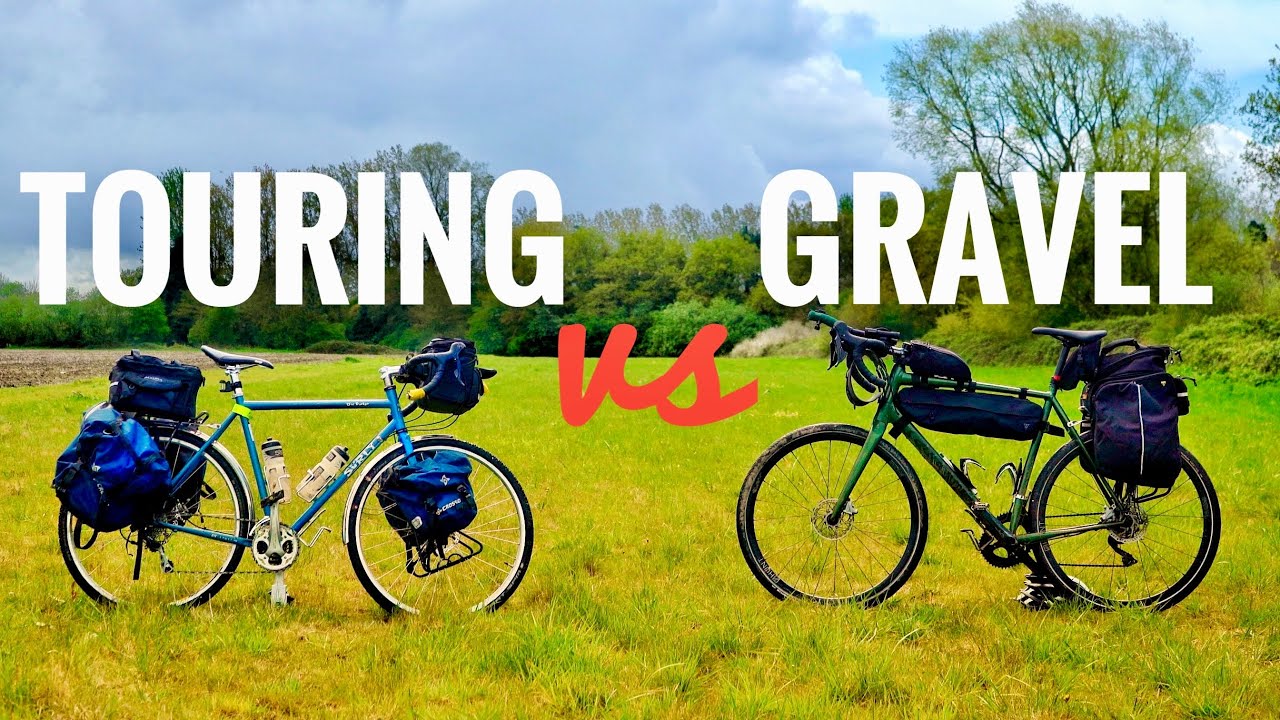
- Tubeless tyres (or tubeless-ready with sealant): Yarra Valley roads throw up debris—small stones, twigs, the occasional nail from construction vehicles. Tubeless setup with quality sealant handles 90% of punctures without you stopping. If you’re running tubes, carry at least three spares and a patch kit.
- Fat tyres (32mm minimum): The chipseal on secondary roads will rattle your teeth on 25mm racing rubber. 35–40mm is ideal for touring, especially if you’re venturing onto gravel sections.
- Front and rear lights: Autumn mornings in Toolangi State Forest can be genuinely dark under the canopy. You’ll want 400+ lumens front, and a solid rear flasher.
- Layers, not bulk: Start cold. You’ll warm up within 20 minutes. A gilet, arm warmers, and a light rain shell cover 90% of conditions.
What to Skip
Don’t overpack. Every touring cyclist makes this mistake. You don’t need four water bottles—cafés in Healesville, Yarra Glen, and Warburton will refill bottles for free if you ask nicely. You don’t need a full tool kit—a multi-tool, tyre levers, and a pump cover most scenarios. Mobile reception is decent across the valley; help is rarely far away.
The Championship Connection: Your 2026 Roadmap
The australian road cycling championships 2026 might have wrapped up in January, but their influence on Victorian cycling will reverberate throughout the year. Here’s how to make the most of it.
Riding the Same Roads
While the championships were held in Ballarat, many riders base themselves in the Yarra Valley for training blocks before and after the event. The terrain is similar—rolling hills, punchy climbs, variable weather—and the infrastructure is better. You’ll find bike-friendly accommodation, mechanics who understand touring setups, and roads that see enough cycling traffic that drivers are generally patient.
Planning Your Trip Around Cycling Australia’s Calendar
If you’re thinking ahead to future championships or want to ride when the pros are training:
- January–February: Peak training season. Expect more traffic on popular routes, especially weekends.
- March–April: Ideal for touring. Post-championship calm, mild weather, autumn colours.
- May–June: Quieter roads, cooler temperatures. Pack for changeable conditions.
- July–August: Cold, wet, short days. Only for the committed.
Where the Future GreenEDGE Riders Train
Stop in at Yarra Glen on a Tuesday or Thursday morning and you might see them—development squad riders, juniors with national ambitions, the next generation who’ll eventually wear the australian cycling team name on the world stage. They’re easy to spot: matching kit, structured interval efforts, that distinctive smooth pedalling style that separates the aspirational from the contracted.
Chat to them. They’re approachable, and they’ll point you toward routes you won’t find on Strava. The Yarra Valley cycling community is small enough that everyone knows everyone—and generous enough to share.
Before You Go
Drop into one of the local bike shops in Lilydale or Healesville before tackling any of these routes. Road conditions change—recent sealing works, logging truck schedules, the occasional bridge closure. The staff will give you current beta that no guidebook can match.
And when you’re grinding up Kinglake, legs burning, wondering why you didn’t take up a sensible hobby like lawn bowls—remember this: by the time the next national championships roll around, you won’t just be watching from the sidelines. You’ll recognise the pinches, the descents, the exact moments of suffering. Because you’ve ridden it. Maybe slower, maybe with panniers, but you’ve been there.
That’s the connection cycling australia offers—not just watching the sport, but living it, one kilometre at a time.
Frequently Asked Questions
What makes autumn the best season for bike touring in Melbourne’s Yarra Valley?
Autumn (March to May) offers ideal cycling conditions with average daytime temperatures of 18–24°C compared to summer’s 28–35°C heat. You’ll get 11–13 hours of daylight, moderate rainfall typically in short bursts, and calmer mornings with predictable afternoon southerly breezes. The region transforms with golden vineyards and misty mornings that clear by 10am. Just note that daylight ends by 7:30pm in late March (earlier approaching May), and Toolangi State Forest can hold mist making climbs damp and cold if caught out after 4pm.
How difficult is the Healesville to Marysville ride via Black Spur?
The Black Spur route covers 45km one way with 580m elevation gain at a moderate difficulty—family-friendly with e-bikes. The gradient never exceeds 6%, making it achievable for most fitness levels. The route features towering mountain ash and fern-lined corridors along one of Victoria’s most photographed roads. For a quieter alternative to the highway stretch, locals recommend Badger Creek Road to avoid logging trucks, especially when riding midweek.
What cycling gear do I need for touring the Yarra Valley roads?
Essential gear includes tubeless tyres (or tubeless-ready with sealant) as Yarra Valley roads have debris causing punctures—if using tubes, carry at least three spares plus a patch kit. Run fat tyres (32mm minimum, ideally 35–40mm) as chipseal on secondary roads will rattle you on narrower rubber. Front and rear lights are essential—400+ lumens front for dark autumn mornings under the Toolangi State Forest canopy. Pack layers (gilet, arm warmers, light rain shell) rather than bulk. Don’t overpack: cafés in Healesville, Yarra Glen, and Warburton will refill bottles for free.
What is the Warburton Rail Trail distance and difficulty level?
The Warburton Rail Trail runs 38km one way from Lilydale to Warburton through Yarra Valley wine country with minimal elevation gain. It’s rated easy and suitable for all fitness levels as a converted rail corridor where the gradient never exceeds 3%—originally engineered for steam trains. This traffic-free route passes vineyards and wineries like Yering Station (which offers bike-friendly tastings), with lunch options at Warburton’s old station precinct. You can ride back or catch the bus with bike storage if you’ve overindulged.
Be the First to Comment
Sign in to start the conversation.