
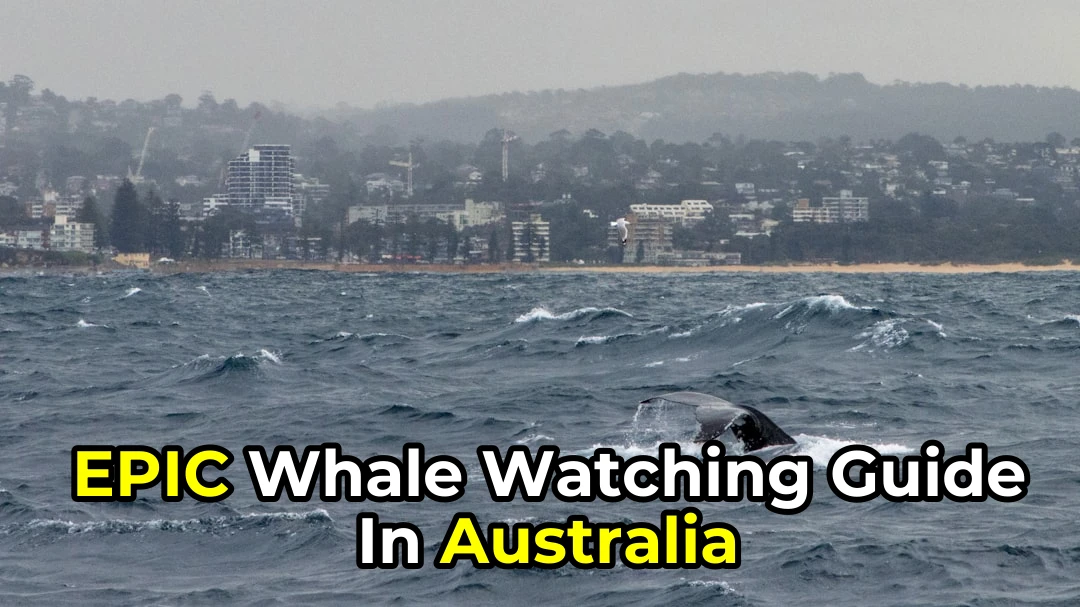
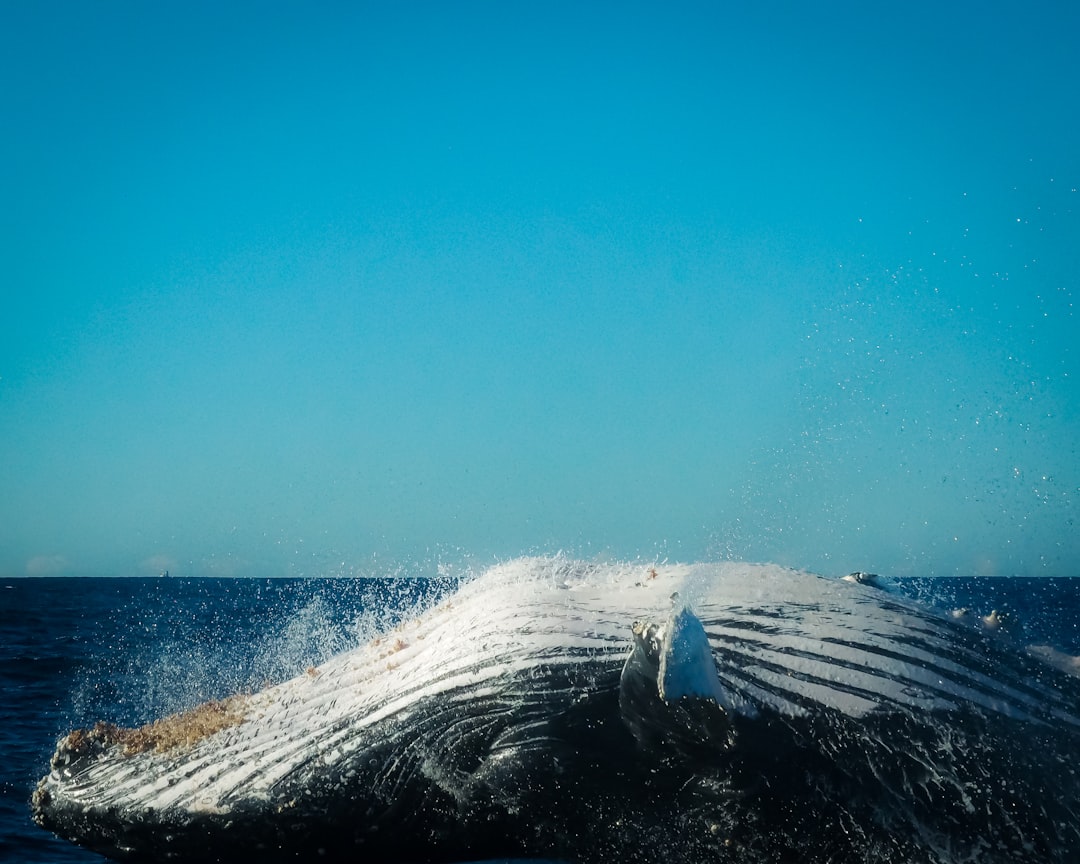
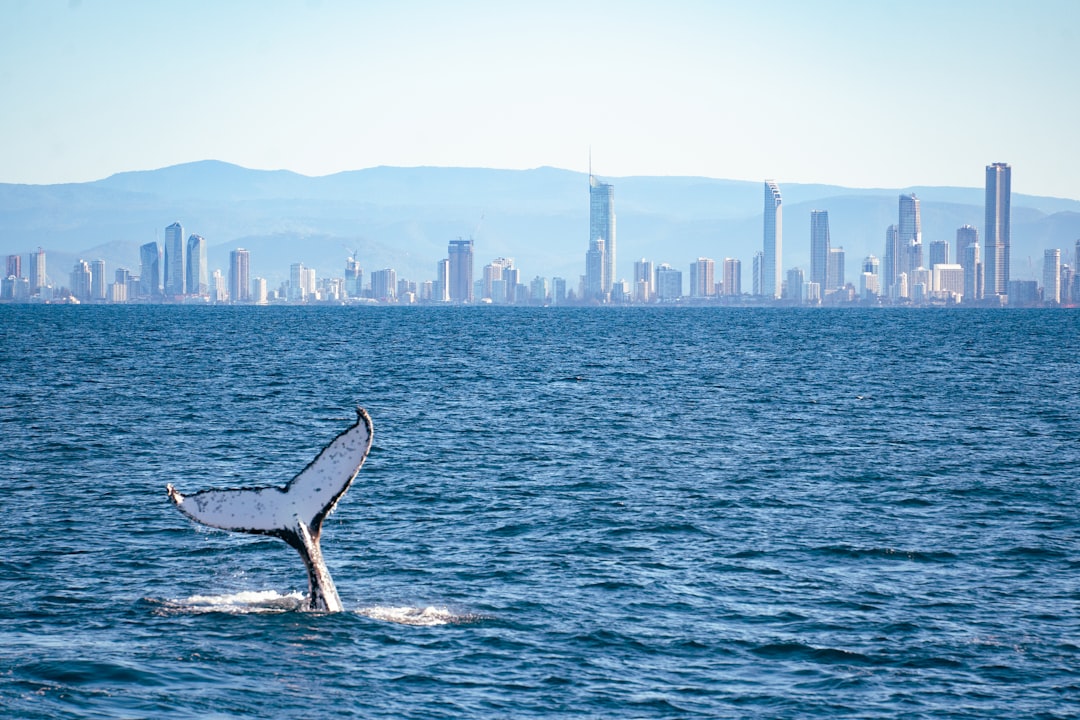
The salt spray hits your face before you register the sound—a thunderous crash that vibrates through your chest cavity and leaves your ears ringing. Two seconds earlier, the water off Cape Byron had been glass-still, the boat engine cut, a collective held breath among twelve strangers who’d never met but now shared the same primal anticipation. Then the explosion: a 40-tonne humpback whale launching its entire body skyward, barnacled fins spread wide against the morning sun, hanging impossibly in the air before gravity reclaimed it. The splash reached the boat. Someone gasped. A child started crying, then laughing. This is whale watching in Byron Bay—not passive observation from a distant shore, but visceral encounter with the world’s largest migrating mammals along Australia’s most easterly point.
The Migration Clock: When Australia’s East Coast Becomes a Whale Highway
Understanding whale watching in Byron Bay means first understanding the rhythm of our planet’s longest mammal migration. Each year, approximately 30,000 humpback whales travel 10,000 kilometres from Antarctic feeding grounds to Queensland breeding waters and back again. Cape Byron’s easterly projection—the most easterly point of the Australian continent—places you directly in the path of this ancient highway, making it one of Australia’s premier Byron Bay things to do for wildlife enthusiasts.
The Northward Journey: May to July
During the northern migration, humpbacks pass Byron Bay with purpose. They’re hungry—they haven’t eaten substantially since leaving Antarctica—and they’re driven by the biological imperative to reach warm tropical waters for breeding. These whales move steadily, often 5 to 8 kilometres offshore, their blows visible as tall, bushy plumes against the horizon.
The northward passing offers consistent sightings but less surface activity. You’ll witness travelling blows, occasional tail slaps, and the rhythmic arch of diving backs. For first-time whale watchers, this period provides reliable introduction to humpback behaviour without the variability of calf-rearing dynamics.
The Southward Return: August to November
The southern migration transforms the experience entirely. Mothers travel slowly with newborn calves, resting in the protected waters of Byron Bay’s coastline. They’re teaching their young to breach, to slap tails, to navigate ocean currents. This is when Byron Bay things to do adults becomes genuinely magical—extended surface time, repeated breaching, and the heart-stopping moment when a calf attempts its first full-body launch beside its 40-tonne mother.
Peak viewing windows for Byron Bay fall between late June and early August (northward) and mid-September through November (southward). The southern window generally offers more dramatic encounters due to calf presence, though weather becomes less predictable as summer approaches.
Three Tiers of Encounter: Land, Boat, and In-Water Experiences
Not all whale watching experiences serve the same traveller. Among the many Byron Bay things to do, whale watching uniquely offers tiered engagement—you choose your depth of encounter based on comfort, budget, and emotional readiness.
Land-Based Watching: Accessible and Surprisingly Effective
Before commercial whale watching existed, Australians watched from headlands. Cape Byron’s geography makes this traditional method remarkably effective. The lighthouse viewing platform offers 360-degree ocean visibility. Little Wategos Beach provides closer water-level perspective. Tallow Beach to the south catches migrating whales hugging the coastline during southern migration.
Land-based watching costs nothing, requires no booking, and eliminates seasickness concerns entirely. Bring binoculars (8×42 or 10×42 specifications work best for ocean scanning), a thermos of coffee, and patience. Early morning—particularly the hour after sunrise—offers calmest seas and active whale behaviour before afternoon winds pick up.
Boat Tours: From Two-Hour Sprints to Half-Day Expeditions
Boat tours transform whale watching from observation to immersion. Byron Bay operators typically offer two formats: the 2.5-hour sprint tour and the half-day (4-5 hour) expedition. The difference matters more than you might expect.
Sprint tours maximise time-poor travellers’ schedules but can feel rushed. If whales aren’t immediately visible, captains must decide quickly whether to extend or return. Half-day expeditions allow captains to travel further, wait longer, and respond to whale behaviour without clock-watching. For serious wildlife enthusiasts, the longer option significantly increases quality encounters.
Swimming with Whales: The Expert Tier
True in-water whale encounters don’t occur in Byron Bay proper—they’re restricted to specific Queensland locations where regulations permit controlled swim experiences. However, understanding this tier helps contextualise what Byron Bay things to do adults can include for those willing to travel slightly north.
Swimming with dwarf minke whales (June-July) and humpback whales (July-September) operates under strict permits. Operators must maintain distance protocols. You cannot chase whales—you float while they approach. Some whales ignore swimmers entirely. Others circle for extended periods, eye contact possible through the blue haze. The emotional preparation required exceeds physical fitness—these encounters demand comfort with deep water, large animals, and the humility of being a guest in someone else’s world.
The Authentic Byron Experience: Where Whale Watching Meets Local Life
Whale watching doesn’t exist in isolation—it connects to everything else that makes Byron Bay distinctive. Building a day around your whale encounter transforms it from tourist activity to integrated experience. This section addresses how Byron Bay markets and local culture naturally complement migration season.
The Pre-Dawn Lighthouse Walk
Before any boat departure, walk the Cape Byron track at dawn. Starting from Wategos Beach in darkness, you’ll reach the lighthouse as sunrise paints the Pacific. This serves dual purposes: you’ll scout whale activity from the headland (informing expectations for your boat tour), and you’ll understand why Cape Byron holds spiritual significance for the Arakwal people and subsequent communities. The lighthouse walk takes approximately 90 minutes at moderate pace, finishing at Captain Cook Lookout—the precise spot where land-based whale watching peaks.
Thursday Farmers Market: The Whale Watcher’s Breakfast
Byron Bay Farmers Market operates Thursday mornings from 7am at Butler Street Reserve. For early whale watching departures (most boats leave between 7-8am), this requires strategic timing—but the payoff is worth it. Local bakers arrive by 6:30am with fresh sourdough and pastries. Coffee vendors serve single-origin brews alongside organic dairy alternatives. You can assemble a breakfast that fuels a four-hour boat expedition while supporting the same local economy that advocates for marine protection.
The farmers market also offers a cultural entry point into Byron’s community. The same people selling you breakfast may have been on boats that morning checking conditions. They know which operators prioritise whale welfare over tourist satisfaction. They’ll tell you honestly whether yesterday’s sightings were spectacular or disappointing. This local intelligence—accessible through market conversation—improves your whale watching experience more than any online review.
First Sunday Markets: Anchoring a Whale Watching Weekend
The Byron Bay Markets—the main monthly gathering—occur on the first Sunday of each month at Butler Street Reserve. If you’re planning a whale watching trip around peak season (June-November), synchronising with market weekend creates a fuller experience. Saturday becomes your whale day. Sunday morning transitions from ocean to market, from wildlife to local craft, from salt air to the smell of chai and incense.
Reading the Water: What You’re Actually Looking At
First-time whale watchers often miss 70% of what’s happening around them. They’re waiting for the dramatic breach while ignoring the subtle communications happening at the surface. Understanding whale behaviour transforms passive watching into active participation.
The Language of Surface Behaviours
Breaching—the full-body launch we’ve discussed—serves multiple purposes scientists still debate. It may dislodge parasites, communicate location to distant pods, signal aggression to competitors, or simply feel good. Juvenile whales breach more frequently than adults, suggesting a play component. When you witness repeated breaching, you’re watching a whale that’s chosen to be visible—respond to that generosity with patient observation rather than demanding more.
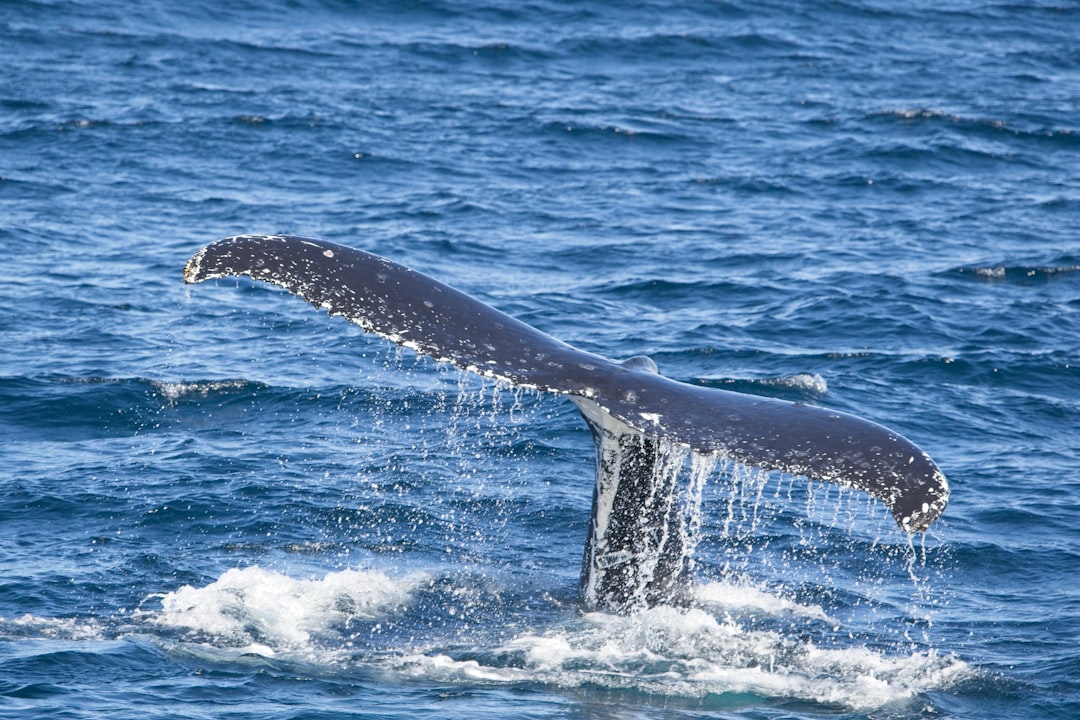
Tail slapping (lobtailing) produces sound that travels kilometres underwater. Mothers tail-slap to communicate with calves. Whales separated from pods tail-slap to re-establish contact. Aggressive tail-slapping—repeated, forceful, directed—signals irritation. If a whale starts tail-slapping near your boat, the captain should increase distance. You’re being warned.
Spy hopping occurs when a whale rises vertically, head above water, apparently looking around. This isn’t coincidence—humpbacks have excellent vision and genuine curiosity about surface activity. A spy-hopping whale is watching you as much as you’re watching it. Maintain stillness. Don’t wave arms or make sudden movements. Let the whale complete its observation without feeling threatened.
Identifying What You’re Seeing
Byron Bay waters host three primary whale species during migration season:
- Humpback whales: The stars of the show. Identified by long pectoral fins (one-third body length), knobbly heads, and distinctive dorsal hump before diving. Their blows are tall and bushy, reaching 3-4 metres.
- Southern right whales: Less common but increasingly spotted. Identified by lack of dorsal fin, V-shaped blow, and callosities (white growths) on their heads. They move slower and spend more time at surface.
- Minke whales: The smallest of the baleen whales, often overlooked due to their inconspicuous blow and quick movements. Their curiosity sometimes brings them close to boats without warning.
The Sound Story: Hearing What Surface Observers Miss
The first time I heard whale song through a hydrophone—underwater microphone—I assumed equipment malfunction. The sounds were too structured, too almost-electronic, too complex for biological origin. What I heard was a male humpback broadcasting his availability to females and his dominance to competitors, the song cycling through themes with recognisable patterns.
Some Byron Bay operators deploy hydrophones during tours. Ask when booking whether this service exists. The acoustic experience differs dramatically from visual observation—you’re hearing the underwater world whales actually inhabit, where sound travels four times faster than air and communication happens across kilometres.
During competitive groupings (multiple males pursuing one female), songs become aggressive and fragmented. When mothers communicate with calves, the sounds soften to almost purring quality. The whale you’re watching at the surface is also listening to whales you cannot see, navigating a soundscape invisible to surface observers.
The Unspoken Truths: Limitations, Ethics, and Managing Expectations
Honest content about Byron Bay things to do must acknowledge what whale watching cannot guarantee. This isn’t a theme park ride. Wild animals behave according to their own priorities, not visitor schedules.
When Whales Don’t Cooperate
I’ve experienced three-hour tours where only distant blows punctuated the horizon. No breaching. No close approaches. No calves playing at the surface. These days happen. Weather moves whales further offshore. Feeding opportunities draw them away from boat routes. The ocean simply offers nothing on certain mornings.
What makes these tours valuable despite the absence? The ocean itself—albatross circling, dolphins occasionally appearing, the recalibration of expectations. Good guides fill empty whale time with education about marine ecosystems, migration challenges, and conservation successes. The best operators acknowledge disappointment honestly rather than overpromising compensation.
Ethical Considerations: Choosing Responsible Operators
Australia maintains strict whale watching regulations—approach distances, behaviour protocols, vessel limitations. However, enforcement varies, and operator ethics differ significantly. Ask potential operators these questions:
- What’s your approach distance policy? (Legal minimum is 100 metres for whales; ethical operators often stay further.)
- How do you respond when whales approach your vessel? (They sometimes do—proper response is cutting engines and waiting.)
- Are you affiliated with any research or conservation organisations?
- How do you manage passenger expectations on low-activity days?
Operators invested in whale welfare will answer transparently. Those evading these questions may prioritise proximity over animal comfort. Your tourism dollars support either model—choose consciously.
The Non-Sighting Truth: Finding Value Beyond Whales
On my third whale watching tour in Byron Bay, we saw two distant blows across four hours. The captain apologised repeatedly. Passengers grew restless. But I also saw an albatross—my first—its two-metre wingspan gliding inches above swell troughs. I watched a pod of offshore bottlenose dolphins surfing our bow wave for twenty minutes. I learned that humpback populations have recovered from approximately 500 individuals in the 1960s to over 30,000 today—one of conservation’s genuine success stories.
The whale-free tour taught me something about the nature of wildlife experiences: they’re not transactional. You don’t pay money, receive breach. You enter a wild system, accept what’s offered. This humility transforms whale watching from entertainment to witness—and witnessing, it turns out, offers deeper satisfaction than any guaranteed spectacle.
Key Takeaways
- Timing matters: Late June to early August (northward migration) and mid-September to November (southern with calves) offer peak Byron Bay viewing.
- Choose your tier: Land-based watching from Cape Byron Lighthouse is free and effective; half-day boat tours beat sprints for serious encounters.
- Integrate with local life: Thursday Farmers Market breakfasts and first-Sunday Byron Bay Markets complement whale watching weekends.
- Learn to read behaviour: Breaching, tail-slapping, and spy-hopping communicate different whale states—understanding enriches experience.
- Manage expectations: Wild animals don’t perform on schedule; ethical operators and patient attitudes maximise any outcome.
Conclusion: From Watching to Witnessing
Whale watching in Byron Bay offers something increasingly rare: direct encounter with wild systems operating at scales beyond human control. When that 40-tonne humpback breaks the surface beside your boat—when you feel the splash on your face, hear the crash, see the barnacles clustered around its eye—you’re participating in a migration that predates human existence and will hopefully continue long after we’re gone.
The shift from watching to witnessing matters. A watcher seeks entertainment, demands performance, leaves disappointed if the show fails. A witness understands they’re observing something they cannot control, learning from presence rather than demanding production. Byron Bay—with its lighthouse headland, its protective community, its markets that gather locals around food and craft each week—offers the infrastructure for this shift. The whales offer the experience.
Next time you’re on a boat with engines cut, holding your breath in the sudden quiet, you’ll know what to listen for. You’ll recognise the surface patterns indicating underwater movement. You’ll understand that the whale choosing to approach your vessel is making a decision, not performing a trick. You’ll know what you’re looking at, and more importantly, you’ll understand why it matters that we’re looking at all.
The whales will return next year. Byron Bay will be here—changed, certainly, but still guarding its easterly position, still catching the first Pacific light, still hosting humans who want something more than curated experiences. Whether you’re standing at the lighthouse with binoculars or floating beside a boat in deep water, you’re participating in something ancient. That’s the real Byron Bay things to do adults experience—not distraction from daily life, but reconnection with the living world that contains it.
Frequently Asked Questions
When is the best time to go whale watching in Byron Bay?
Peak whale watching in Byron Bay falls during two distinct windows: late June to early August for the northward migration, and mid-September through November for the southern return with calves. The southern migration generally offers more dramatic encounters because mothers travel slowly with newborn calves, resting in protected waters while teaching them to breach and navigate. Approximately 30,000 humpback whales pass Cape Byron annually on their 10,000-kilometre journey from Antarctica to Queensland breeding waters.
What are the different ways to watch whales in Byron Bay?
Whale watching in Byron Bay offers three tiers of engagement. Land-based watching from Cape Byron Lighthouse (94 metres above sea level) is free and allows you to spot up to 20 whales per hour on clear peak-season days. Boat tours come in two formats: 2.5-hour sprint tours for time-poor travellers, and half-day (4-5 hour) expeditions that allow captains to travel further and wait longer. In-water swim experiences are not permitted in Byron Bay proper but operate in Queensland locations under strict permits.
How should I choose an ethical whale watching operator?
Ask potential operators four key questions: What’s your approach distance policy? (The legal minimum is 100 metres, but ethical operators often stay further.) How do you respond when whales approach your vessel? (Proper response is cutting engines and waiting.) Are you affiliated with any research or conservation organisations? How do you manage passenger expectations on low-activity days? Operators invested in whale welfare will answer transparently, while those evading questions may prioritise proximity over animal comfort.
What happens if no whales appear during my boat tour?
‘Whale sighting guaranteed’ rarely means a refund—most operators offer a free return trip instead. Always ask specifically about the policy before booking. Weather cancellations prioritise passenger safety over commercial schedules. On quiet days, good guides fill the time with education about marine ecosystems, migration challenges, and conservation successes. Humpback populations have recovered from approximately 500 individuals in the 1960s to over 30,000 today, making sightings increasingly likely during peak season.
What whale species can I see in Byron Bay waters?
Byron Bay hosts three primary whale species during migration season. Humpback whales are the main attraction, identified by long pectoral fins (one-third body length), knobbly heads, and tall bushy blows reaching 3-4 metres. Southern right whales are less common but increasingly spotted, recognised by their lack of dorsal fin, V-shaped blow, and white callosities on their heads. Minke whales are the smallest baleen whales, often overlooked due to their inconspicuous blow, but sometimes approach boats out of curiosity.



Be the First to Comment
Sign in to start the conversation.