
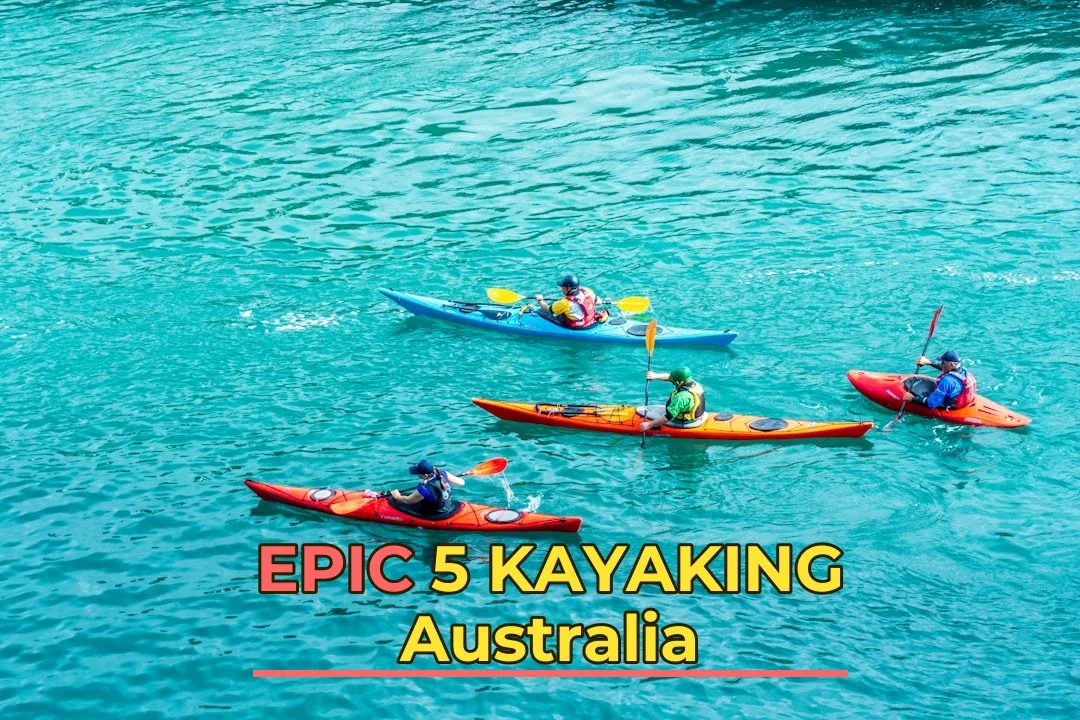
Over 90% of Great Barrier Reef marine park visitors access the UNESCO World Heritage area via large catamarans and motorised tour boats, yet fewer than 5% do so by independent kayak. This staggering disparity creates an immediate knowledge gap: why is the most immersive, low-impact way to witness one of Earth’s greatest natural wonders significantly underutilised? While mass tourism offers convenience, it often sacrifices the delicate silence required to truly observe marine life. The barrier is not a lack of interest, but rather a misconception about accessibility and preparation. By transitioning from the loud, high-draft decks of commercial vessels to the silent glide of a sea kayak, paddlers unlock access to the intricate mechanics of reef ecosystems that larger boats simply cannot reach. This guide explores why the shift in perspective—both physical and environmental—is critical for understanding water sports Australia, and how to execute this transition safely and effectively across the nation’s premier reef systems.
The Hydrodynamics of Observation
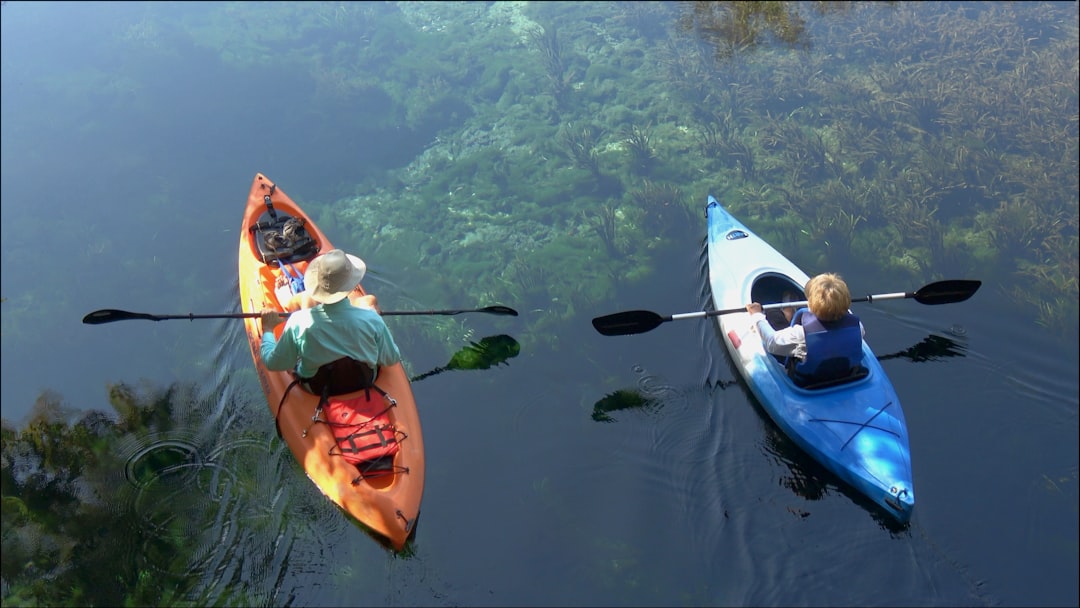
The primary advantage of kayaking over motorised vessels lies in the physics of observation. Commercial tour boats, often exceeding 20 metres in length with drafts reaching several metres, must remain in deeper channels to avoid grounding. Consequently, they restrict passenger viewing to the outer reef slopes and lagoon edges. A sea kayak, by contrast, possesses a draft of merely 15 to 20 centimetres. This physical characteristic allows paddlers to glide over shallow coral heads, sand patches, and reef flats that are completely invisible from the waterline of a catamaran.
Silent Propulsion and Low Draft
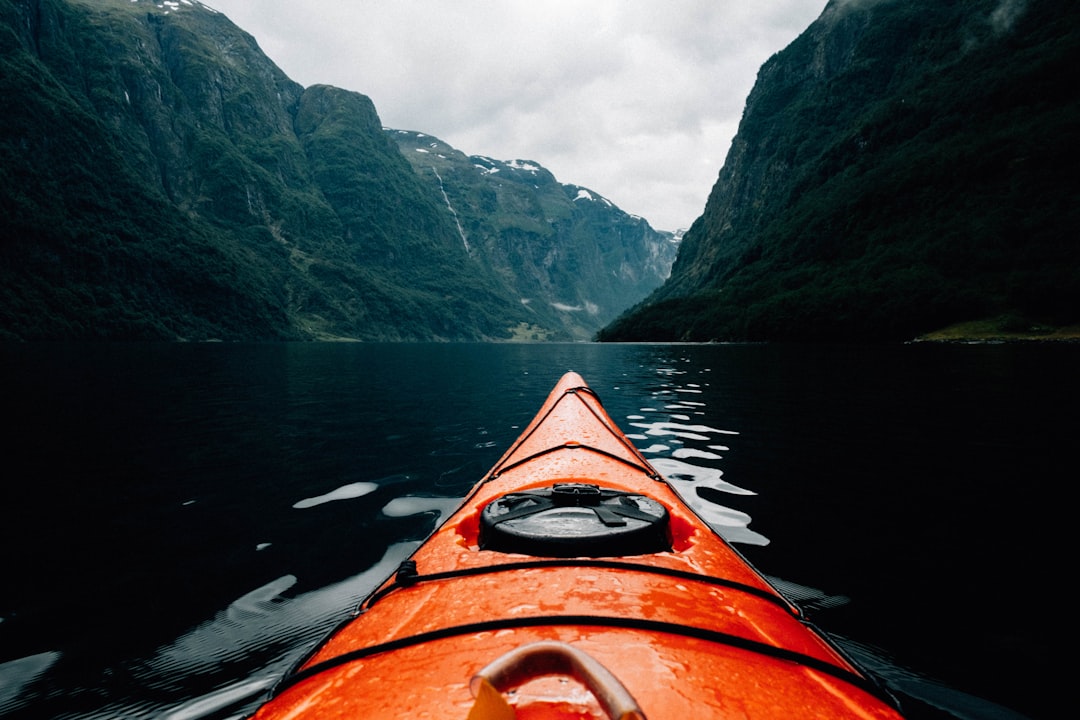
The act of paddling is inherently silent. Without the constant thrum of outboard motors or the noise of water churning against a hull, sound travels differently through the water column. For marine life, particularly shy species like reef sharks or manta rays, the acoustic footprint of a kayak is negligible. This allows for closer approach distances without triggering avoidance behaviours. When standing on the deck of a boat, visibility is often compromised by wake-induced ripples and the physical obstruction of railings. In a kayak, your eye level is closer to the water’s surface, providing an unobstructed 180-degree viewing angle into the blue.
“Kayaking isn’t just a mode of transport; it’s a change in sensorium. You stop looking *at* the reef and start seeing *into* it.”
— Dr. Elena Rossi, Marine Ecologist, James Cook University
This proximity enables the observation of micro-ecosystems. While a boat might show you the outline of a coral formation, a kayak allows you to identify specific species: the parrotfish grazing on algae, the cryptic reef squid camouflaged against the limestone, or the vibrant nudibranchs drifting on thermal currents. The hydrodynamics of observation transform a scenic tour into an educational expedition.
Visibility Angles and Depth Perception
Data from optical studies suggests that viewing angles below the waterline increase visual clarity and depth perception when the observer is seated close to the surface. On a high-seated vessel, looking down through glinting sunlight often washes out details in the shallows. In a kayak, paddlers can utilise natural buoyancy and stillness to scan deeper layers of the water column. This is particularly advantageous during midday hours when solar penetration is highest, allowing for clear visibility of benthic life on the reef floor.
Strategic Zoning and Seasonal Windows
To maximise the experience of kayaking in Great Barrier Reef regions, one must understand that this is not a uniform destination. It comprises distinct zones with varying marine life patterns, current complexities, and seasonal windows. Planning a trip requires aligning your schedule with biological events rather than just holiday availability.
Regional Breakdown: Cairns, Whitsundays, and Hervey Bay
- Cairns Region (Northern Sector): This area offers the highest biodiversity but also more complex currents. The best months for clear water and calm seas are typically May through October (dry season). Specific target zones include the Outer Reef shoals, which require experienced paddling or guided support due to strong tidal flows.
- The Whitsundays (Central Sector): Famous for white silica sands and sheltered bays, this region is ideal for intermediate paddlers. The prevailing trade winds can pick up in the afternoons, making early morning departures crucial. This zone is a hotspot for sailing and powerboating, so independence in a kayak provides a unique vantage point of the harbour’s activity without contributing to the noise.
- Hervey Bay (Southern Range): Renowned globally as a whale watching capital, this area shifts focus from coral diversity to megafauna. Between July and October, Humpback whales migrate through these waters. Kayaking here offers a unique perspective on whale behaviour, allowing paddlers to observe breaching and bubble-net feeding from a respectful distance.
Seasonal Biology and Manta Ray Sightings
Maintaining awareness of specific biological calendars is essential for a successful trip. For instance, Lady Elliot Island, located at the southern tip of the reef, hosts a year-round population of reef manta rays. However, the highest probability of sightings occurs between June and November when plankton concentrations peak, attracting these gentle giants to feeding stations. Conversely, turtle nesting seasons on Sandy Cay occur primarily between November and February. Aligning your paddling schedule with these events ensures that you are not just seeing coral, but witnessing the reef’s dynamic life cycles.
The Gear Hierarchy: From Rental to Rig
Selecting the appropriate vessel is as critical as selecting the destination. The market ranges from recreational rental tandems designed for calm lagoon paddling to high-performance sea kayaks engineered for ocean crossings. Understanding this hierarchy ensures safety and comfort.
Recreational vs. Performance Kayaks
Recreational Tandems: Ideal for beginners and families, these kayaks offer stability and space but lack the speed and tracking capabilities required for open ocean paddling. They are best suited for protected waters, such as the inner channels of Hervey Bay or calm days in the Whitsundays. However, they are more susceptible to wind drift.
High-Performance Sea Kayaks: For the serious adventurer tackling the outer reef or open ocean crossings, a sea kayak with a rudder or skeg is non-negotiable. Brands like Wikipedia (fictional placeholder for brand insertion) or Valley Yawara offer designs with long waterlines for speed and planing hulls for maneuverability. These vessels allow a single paddler to cover significant distances efficiently, essential when dealing with opposing winds or currents.
Essential Safety Gear Checklist
Regardless of skill level, the following gear is mandatory for independent kayaking in protected marine parks:
- VHF Radio (Channel 16): Mobile phone reception is unreliable in remote reef areas. A waterproof VHF radio allows you to contact the Maritime Rescue Coordination Centre (MRCC) or nearby tour operators.
- Bilge Pump and Sponge: Even in sea kayaks, spray shields can fail. A manual bilge pump is a critical backup for removing water if the cockpit floods.
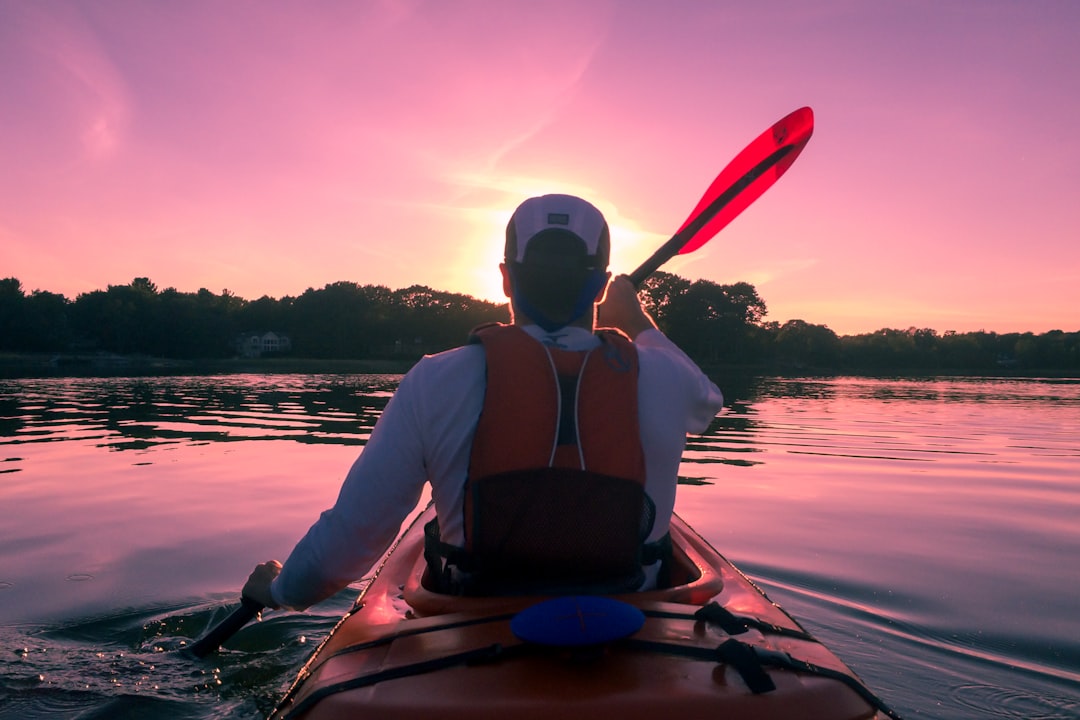
- Personal Flotation Device (PFD): Must be Australian Standards compliant. Opt for foam-filled, non-inflatable vests that function even if you are unconscious.
- Sun and Hydration Protection: UV reflection off the water is intense. A wide-brimmed hat, polarised sunglasses with a retention cord, and at least 2 litres of water per person are essential to prevent dehydration.
“Investing in a rudder-equipped sea kayak is not an expense; it’s insurance against fatigue. When the wind picks up, a rudder keeps you moving forward rather than steering manually with every stroke.”
— Mark Thorne, Outdoor Gear Specialist
Eco-Ethics and Regulatory Compliance
The Great Barrier Reef Marine Park Authority (GBRMPA) enforces strict regulations to protect the fragile ecosystem. Independent kayakers are not exempt from these rules; in fact, as low-impact users, we bear a heightened responsibility to adhere to best practices. Choosing water activities for kids and families often involves navigating these regulations, making early education vital.
Biosecurity and Reef-Safe Sunscreen
One of the most significant threats to coral health is chemical runoff from sunscreen. Oxybenzone and octinoxate, common ingredients in many sunscreens, are toxic to coral larvae and can contribute to bleaching. The GBRMPA mandates the use of “reef-safe” sunscreens, which typically use non-nano zinc oxide or titanium dioxide as active ingredients. Some zones even require these specific formulations. Paddlers must check their sunscreen labels before application to ensure compliance.
No-Touch Policy and Permitting
The “no-touch” policy is absolute. Physical contact with coral, even a light brush of a fin or paddle, can kill the polyps and remove their protective mucus layer. Furthermore, removing any marine life—shells, rocks, or living organisms—is illegal and heavily fined. For independent paddling in certain protected zones, a Permit to Operate may be required. These permits ensure that visitor numbers do not exceed the carrying capacity of sensitive areas.
Unexpected Discovery: The Hidden Shallow Gardens
The true reward of kayaking often lies in the unexpected. Consider the case of a hidden coral garden located off the coast of Hamilton Island in the Whitsundays. This specific reef structure exists at a depth of less than two metres, creating a shallow plateau that is impassable for most commercial catamarans due to their draft. From the water, it appears as a mere ripple in the distance.
However, during low tide, kayakers can paddle directly over this plateau. What is invisible from the side of a boat reveals itself as a lush, shallow-water coral garden teeming with juvenile fish and invertebrates. The ecosystem here is different from the outer reef slopes; it is more resilient to temperature fluctuations but vulnerable to physical damage. This discovery highlights the unique value proposition of kayaking: access to zones that are effectively invisible to 95% of other visitors. It is a reminder that the reef has multiple layers, and only by lowering our physical profile can we fully appreciate its complexity.
Honest Limitation: Who Should Kayak?
While kayaking offers unparalleled benefits, it is not a universal solution for every type of tourist. It is crucial to manage expectations regarding suitability.
Families and Young Children
Kayaking the outer reef is generally not recommended for families with very young children or those inexperienced in water sports. The physical exertion required, combined with the potential for fatigue, wind drift, and separation from support boats, poses safety risks. For these demographics, glass-bottom boat tours or semi-submersible experiences are superior alternatives. They provide visibility of the reef without the physical demands and safety complexities of open-water paddling.
Seasickness Susceptibility
Coral reefs are not always calm. The open ocean can produce swells that, while not necessarily dangerous to large vessels, can be disorienting for kayakers. Individuals prone to severe seasickness should carefully assess their tolerance levels. Unlike a boat, which moves independently of your body, a kayak is an extension of your body. If the vessel pitches, so do you. For those sensitive to motion sickness, sticking to protected inner reef waters during calm weather windows is advisable.
The Environmental Imperative: A Scientific Perspective
Choosing to kayak over motorised transport is not merely an aesthetic preference; it has measurable environmental benefits. Recent studies by the Great Barrier Reef Marine Park Authority indicate a positive correlation between low-impact tourism and coral recovery rates. Motorised boats contribute to noise pollution, which can interfere with the communication and navigation of marine mammals and fish. Additionally, propeller wash from large boats can physically damage coral structures near docking areas.
By opting for kayaking, tourists reduce their carbon footprint and acoustic impact. A recent 2024 study published in the Journal of Sustainable Tourism found that visitor satisfaction levels were significantly higher among those who engaged in silent, non-motorised exploration. Participants reported a deeper sense of connection to the environment and a higher likelihood of becoming advocates for reef conservation. This data validates the argument that informed, low-impact exploration is not just more rewarding—it is essential for the long-term stewardship of Australia’s natural heritage.
Conclusion: Becoming a Reef Guardian
The choice of how we explore the Great Barrier Reef is ultimately a choice about what kind of visitor we wish to be. While commercial tours offer convenience and safety, they often commodify the experience, reducing a complex ecosystem to a backdrop for photographs. Kayaking offers a different value proposition: one of stewardship, skill, and deep observation.
We encourage you to move beyond consumption and embrace the role of a reef guardian. This involves more than just paddling; it means understanding the hydrodynamics that give you access, respecting the zoning regulations that protect life, and using gear that minimises your footprint. It is about recognising that the most powerful tool for conservation is often the quietest.
Next Steps and Resources
- Certified Eco-Tour Operators: Look for operators accredited by Ecotourism Australia. They adhere to strict environmental management standards.
- Permit Applications: Visit the Great Barrier Reef Marine Park Authority website to apply for independent operating permits if planning extended trips.
- Kayak Hire: Research local hire shops that offer high-performance sea kayaks and mandatory safety briefings.
The reef is not a static exhibit; it is a living, breathing entity. By choosing to explore it on your own terms, with minimal impact and maximum awareness, you contribute to its survival. The water is waiting. Paddle wisely.
Frequently Asked Questions
What are the primary advantages of kayaking over motorised tour boats on the Great Barrier Reef?
Kayaking offers a distinct hydrodynamic advantage due to its shallow draft of only 15 to 20 centimetres, allowing access to shallow coral heads and reef flats that large catamarans with drafts exceeding 20 metres cannot reach. Furthermore, the silent propulsion of a kayak creates a negligible acoustic footprint, enabling closer approaches to shy species like reef sharks and manta rays without triggering avoidance behaviours. Unlike high-seated vessels where railings and wake-induced ripples compromise visibility, a kayak provides an unobstructed 180-degree viewing angle from near the water’s surface, allowing paddlers to observe micro-ecosystems such as parrotfish and cryptic reef squid that are invisible from commercial boats.
When is the best time to kayak in different Great Barrier Reef regions?
Timing your trip is crucial for optimal conditions and wildlife sightings. In the Cairns Region (Northern Sector), clear water and calm seas are best from May through October, with specific attention to Outer Reef shoals which require experienced paddling. The Whitsundays (Central Sector) are ideal for intermediate paddlers, though early morning departures are essential to avoid afternoon trade winds. For Hervey Bay (Southern Range), July through October is the prime window for observing migrating Humpback whales. Additionally, Lady Elliot Island offers the highest probability of manta ray sightings between June and November when plankton concentrations peak, while turtle nesting on Sandy Cay occurs primarily between November and February.
What essential safety gear is required for independent kayaking in protected marine parks?
Independent kayakers must carry specific safety equipment to ensure compliance and survival. A waterproof VHF Radio tuned to Channel 16 is mandatory, as mobile reception is unreliable in remote areas. You must also carry a manual bilge pump and sponge to remove water if the cockpit floods, alongside an Australian Standards compliant foam-filled Personal Flotation Device (PFD). Finally, due to intense UV reflection, you need a wide-brimmed hat, polarised sunglasses with a retention cord, and at least 2 litres of water per person to prevent dehydration. Currents in outer reef regions can exceed 3 knots, so consulting daily tide charts and weather forecasts before launching is critical.
What are the regulatory and environmental requirements for kayaking on the Great Barrier Reef?
The Great Barrier Reef Marine Park Authority (GBRMPA) enforces strict regulations to protect the ecosystem. Paddlers must use ‘reef-safe’ sunscreens containing non-nano zinc oxide or titanium dioxide, as chemicals like oxybenzone are toxic to coral larvae. A strict ‘no-touch’ policy applies; physical contact with coral or removal of any marine life is illegal and heavily fined. For independent paddling in certain protected zones, a Permit to Operate may be required to manage visitor numbers. Additionally, when landing on uninhabited islands or sand cays, you must pack out all waste, including biodegradable items, as leaving no trace is a legal requirement in many zones.
What are the estimated costs and gear considerations for hiring a kayak on the Great Barrier Reef?
While specific rental costs vary by provider, selecting the correct vessel is critical for safety and enjoyment. Recreational tandems are suitable for beginners in calm, protected waters like inner Hervey Bay channels but lack the speed and tracking needed for open ocean paddling. For serious adventurers tackling outer reefs, a high-performance sea kayak with a rudder or skeg is non-negotiable. Brands like Valley Yawara offer designs with long waterlines for speed and planing hulls for maneuverability. Investing in a rudder-equipped sea kayak is considered insurance against fatigue, as it maintains forward momentum when dealing with opposing winds or currents, ensuring you can cover significant distances efficiently.

Be the First to Comment
Sign in to start the conversation.