
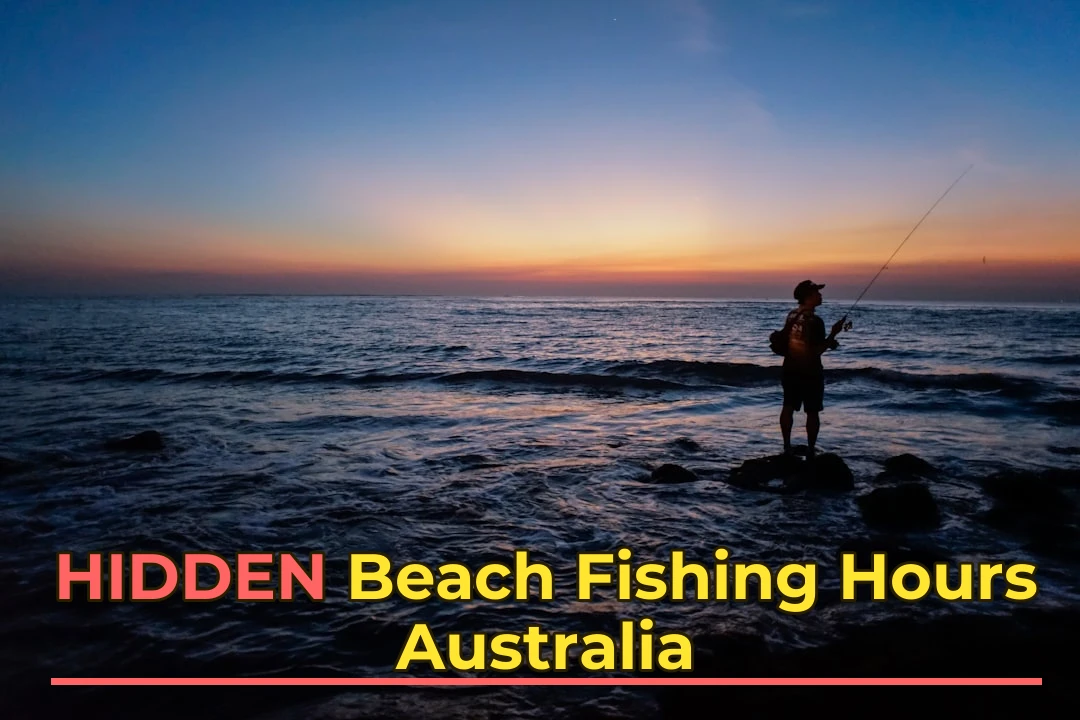
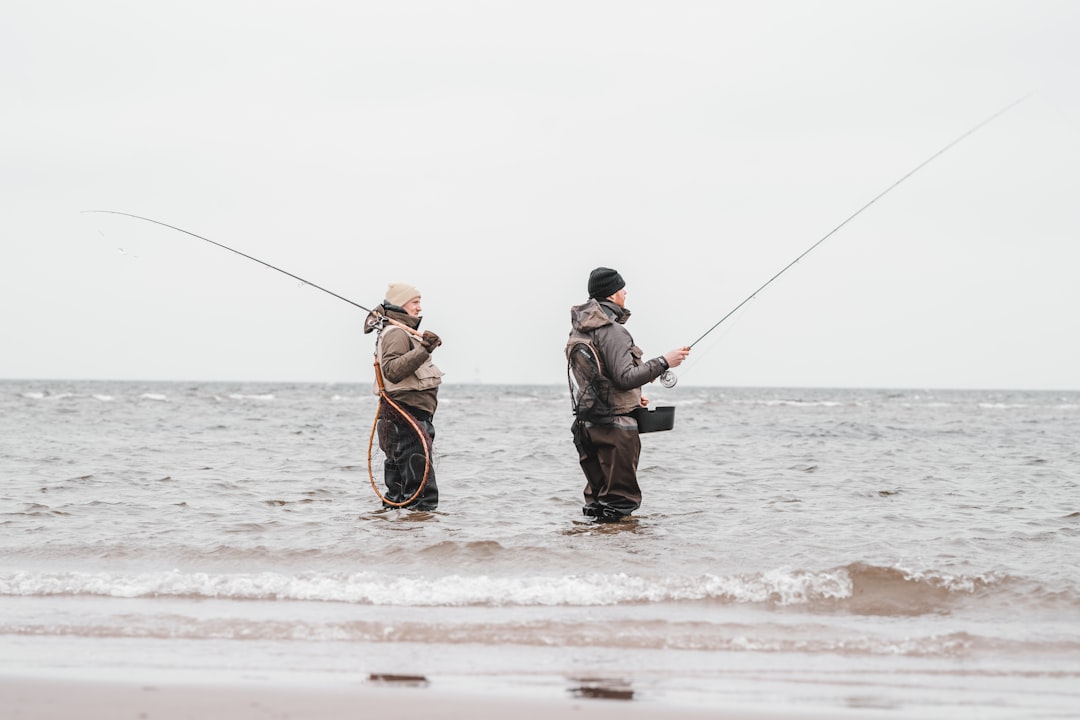
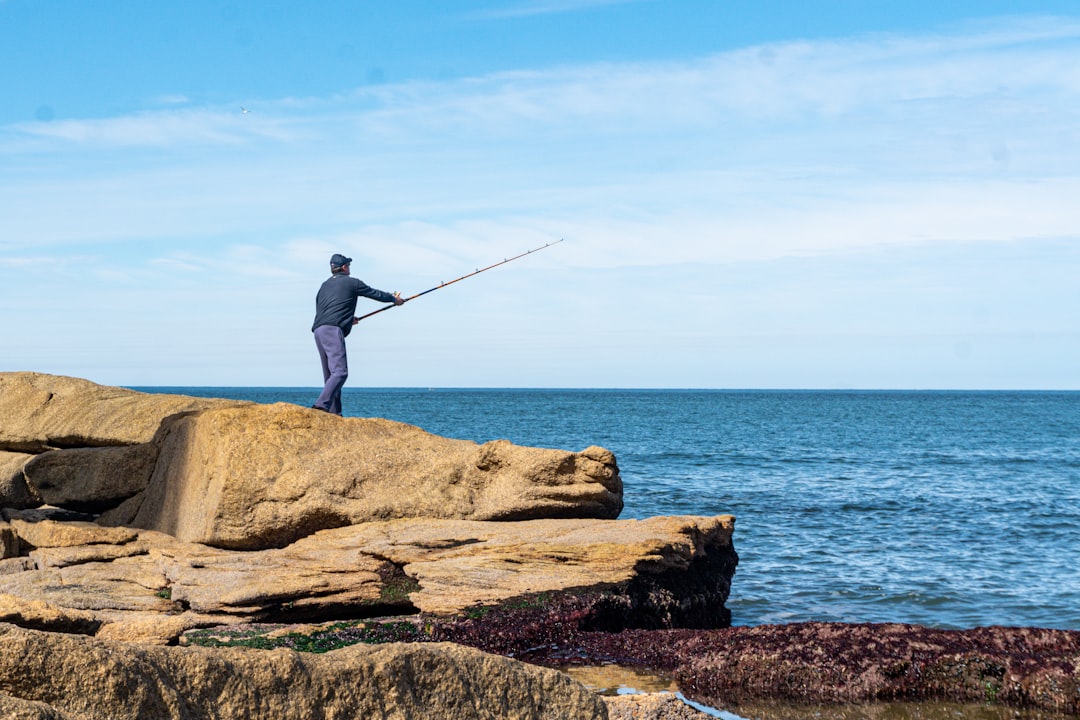

The sharp tang of salt spray mingles with the earthy scent of kelp as you stand ankle-deep in the wet sand, listening to the rhythmic slap of ocean waves against the shore. It is just before dawn on a cold Australian morning, and the sun begins to bleed orange across the horizon, casting long shadows over the dunes. The air fills your lungs with crisp chill and the promise of adventure, grounding you in a moment where time seems to slow down. Before you even cast your line into the surf, you realise that beach fishing is as much about the atmosphere and timing as it is about the catch. Understanding when to cast your line into these pristine waters is not just a logistical detail—it’s the key to unlocking the best experiences along our vast coastline.
The Golden Windows: Decoding the Tidal Clock
In beach fishing, the clock is measured in tides, not hours. Most anglers make the mistake of arriving at sunrise without checking the water movement, but fish operate on a biological rhythm dictated by the moon and the ocean’s pull.
The most critical times to fish are during the moving tide, specifically:
* The 2-3 hours leading up to high tide.
* The first hour after the tide turns and begins to recede.
During these windows, baitfish move into shallow waters to feed, drawing in larger predators like Bream, Snapper, and Tailor.
How to Read the Tide for Your Region
Reading a tide chart is simpler than it looks. Look for “High” and “Low” markers, but pay attention to the *direction* of the water.
| Region | Best Tidal Strategy | Prime Species |
| :— | :— | :— |
| New South Wales | Slack tide to rising (early morning) | Bream, Flathead, Whiting |
| Queensland | Rising to high tide (afternoon) | Snapper, Trevally, Trevalley |
| Victoria | High tide to early falling | Salmon, Tailor, Yellowtail |
Pro Tip: Don’t just look at the tide height; look at the *current*. A strong current moving shoreward is often better than a high tide with no movement.
Regional Rhythms: Where to Cast and When
Australia’s coastline is vast, meaning “best time” varies wildly depending on where you stand. The golden rule of Australian fishing is that summer brings heat and crowds, while winter offers solitude and larger fish.
The East Coast Summer Run
If you’re fishing the Eastern Seaboard in summer, the Tailor run is a spectacular event. Typically occurring between March and May (spring/autumn), these fish can be found in large numbers on exposed beaches.
* When to go: Late afternoon into dusk.
* Where to look: Sandy bays with strong currents.
The Southern Estuaries
Further south, in estuaries like those around Victoria and Tasmania, Bream fishing is a year-round activity. However, winter offers the best opportunities for larger, more mature fish.
* When to go: Early morning during rising tides in June or July (current season).
* Local Tip: Look for jetty pilings or rocky headlands that break the current, creating a calm zone where bream rest.
For those seeking less crowded spots, consider the lesser-known stretches of the Sunshine Coast’s hinterland rivers or hidden bays in Western Australia. These areas offer authentic experiences without the tourist-heavy crowds of Manly or Bondi Beaches, especially if you venture out early on a weekday.
The Unspoken Rules: Safety, Ethics, and Local Etiquette
Beach fishing is not always about the catch. Sometimes it’s about respecting the ocean’s mood and ensuring you make it home safely. The ocean is powerful, unpredictable, and demands respect.
Warning: Always check local council regulations regarding fishing hours, protected species, and equipment restrictions before you cast.
Critical Safety Checks
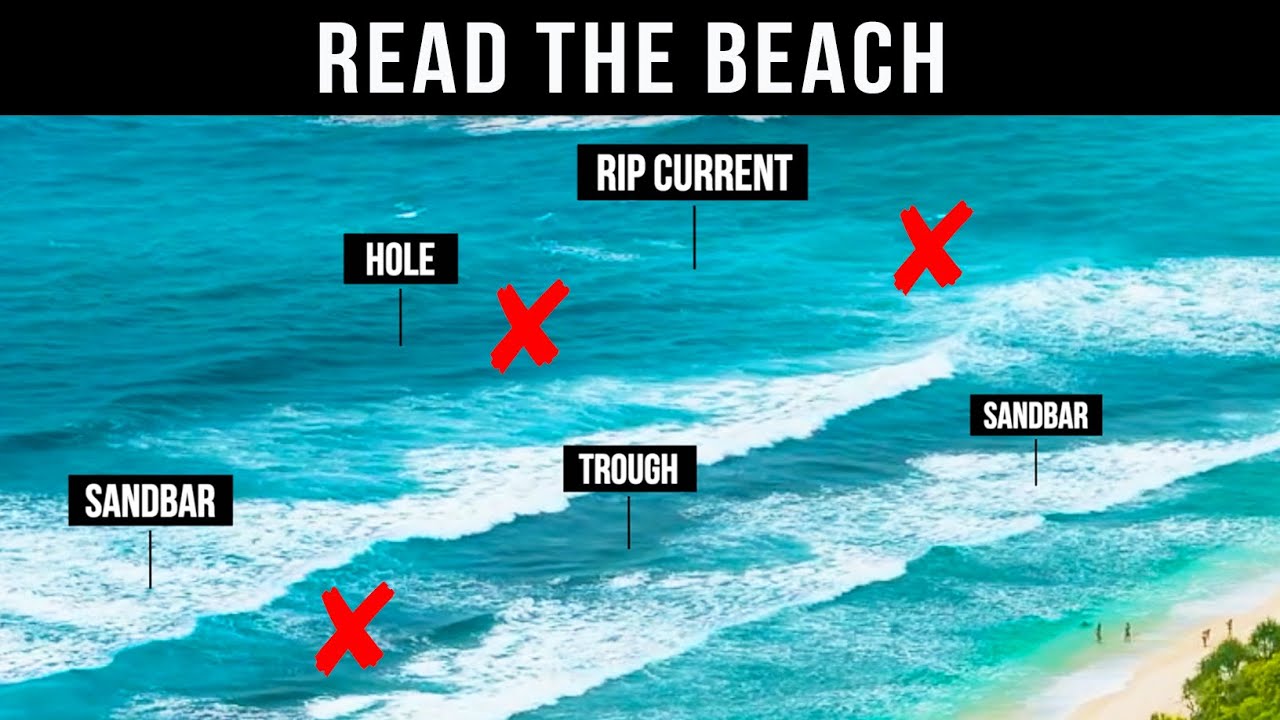
* Rip Currents: Identify where rips are located. Fish along the edges of rips, not in them, to avoid being swept out to sea.
* Shark Safety Zones: Adhere strictly to marked shark safety zones and heed warning flags.
* Weather Changes: The weather on the coast can change in minutes.
Local Etiquette
Respect other anglers’ space, especially on busy beaches. Don’t cast into someone else’s line, and clean up any discarded monofilament fishing line immediately. Being a good angler means being a responsible steward of our coastal environment.
“Fishing isn’t just about what you catch; it’s about how you respect the water that gives.” – Local Angler, Sydney Harbour
Why We Cast: The Cortisol Connection
You might be wondering, “does fishing reduce cortisol?” Scientific and anecdotal evidence suggests a resounding yes. Beach fishing offers a unique therapeutic reset for stressed urbanites and families seeking connection.
The Mental Health Benefits
1. Mindfulness: The repetitive action of casting and reeling anchors your mind in the present moment.
2. Nature Immersion: Exposure to fresh air and sunlight boosts Vitamin D and reduces anxiety.
3. Family Bonding: Teaching a child to cast fosters patience and creates lasting memories, regardless of the size of the fish.
Did you know: Studies have shown that spending time near water bodies can significantly lower blood pressure and heart rate, making beach fishing a valid form of stress management.
A Sudden Storm Story
I once learned this the hard way during a trip to a secluded beach in NSW. Ignoring the rapidly falling tide and darkening skies, I stayed too long trying to catch one last fish. The water rose faster than expected, cutting off my escape route and forcing a hurried, cold scramble back to the car. It was a humbling reminder: respect the ocean’s timing over persistence.
Final Thoughts on Beach Fishing in Australia
Beach fishing is more than a pastime; it’s an immersion into Australia’s coastal rhythm. It challenges us to observe, adapt, and connect with nature. Whether you’re an experienced angler targeting Snapper or a parent teaching your child their first cast, the value lies in the experience.
So, when is the best time to go? The answer is whenever you feel ready to listen to the waves. Leave with a sense of peace, regardless of your catch count. The next time you stand on the shoreline at dawn, remember: the best time to fish is always now.
Frequently Asked Questions
What are the best times of day to beach fish in Australia?
The most effective fishing windows are dictated by tidal movement rather than the clock. You should target the 2-3 hours leading up to high tide and the first hour after the tide turns and begins to recede. During these periods, baitfish move into shallow waters to feed, which attracts larger predators like Bream, Snapper, and Tailor. Arriving at sunrise without checking the water movement is a common mistake; instead, focus on when the current is actively moving.
How do tidal strategies differ between NSW, Queensland, and Victoria?
Regional variations significantly impact the best tidal strategy for your target species. In New South Wales, aim for slack tide to rising during the early morning to catch Bream, Flathead, and Whiting. Queensland anglers should focus on rising to high tide in the afternoon for Snapper, Trevally, and Trevalley. Meanwhile, Victoria is best suited for high tide to early falling conditions, offering opportunities for Salmon, Tailor, and Yellowtail. Always prioritise current direction over tide height.
When is the best time to target Tailor on the East Coast?
The Tailor run is a spectacular event typically occurring between March and May, which spans spring and autumn on the Eastern Seaboard. These fish appear in large numbers on exposed beaches, particularly sandy bays with strong currents. The optimal time to cast your line is late afternoon into dusk during this migration period. This seasonal window offers some of the most accessible and exciting beach fishing experiences in Australia.
What safety checks and ethical practices are essential for beach fishing?
Always check local council regulations regarding fishing hours, protected species, and equipment restrictions before casting. Critically, identify rip currents and fish along their edges rather than in them to avoid being swept out. Adhere strictly to marked shark safety zones and heed warning flags, as coastal weather can change rapidly. Ethically, respect other anglers’ space, never cast into someone else’s line, and immediately clean up any discarded monofilament fishing line to protect the coastal environment.


Be the First to Comment
Sign in to start the conversation.