
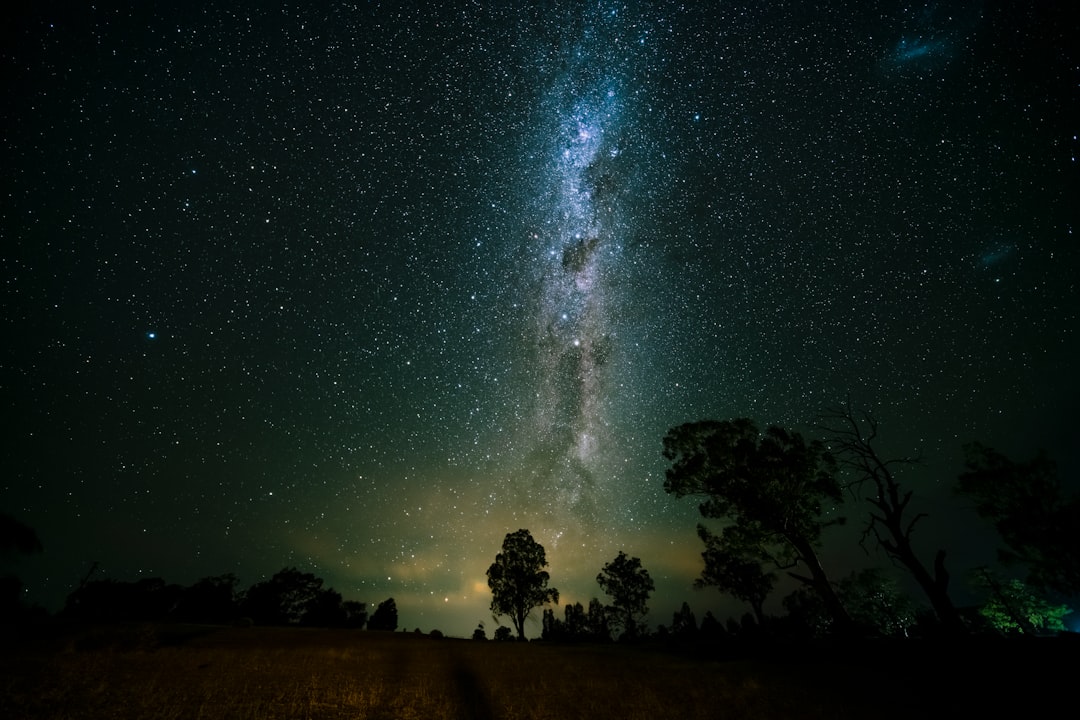
The last car tail lights disappear around the bend at 11:47 PM, and suddenly the Great Ocean Road surrenders to true darkness. Standing at the edge of Apollo Bay, the temperature drops three degrees in as many minutes as the coastal breeze stills. What was moments ago a familiar tourist coastline transforms into something entirely different—a frontier between the known world and the vast southern sky. The first stars appear quickly, the bright sentinels of the Southern Cross and Orion, but the real magic requires patience. Wait fifteen minutes and the Milky Way emerges from the blackness. Wait thirty and it gains texture. Wait forty-five and you’re not looking at stars anymore—you’re seeing depth, dimension, the dusty lanes of our galaxy arching overhead with a clarity that most Australians never experience despite living under some of the world’s darkest accessible skies.
What Darkness Actually Means Here
The Southern Hemisphere offers astronomical advantages that northern hemisphere visitors often don’t appreciate until they experience them firsthand. At latitude 38°S, the Great Ocean Road region sits beneath some of the darkest skies remaining in the developed world, but the advantages go far beyond simple absence of light pollution.
The Milky Way’s galactic centre—the brightest, most spectacular portion of our home galaxy—passes directly overhead during the Australian winter months. In the northern hemisphere, this same region hangs low on the horizon, its light filtered through thick atmosphere and washed out by terrestrial glow. Here, it dominates the sky, so bright that on truly dark nights it can cast faint shadows on the ground below.
Then there are the Magellanic Clouds. These two irregular dwarf galaxies orbit our own Milky Way, appearing as distinct “clouds” that never move with the weather. The Large Magellanic Cloud and its smaller companion are visible exclusively from the southern hemisphere—astronomers in Europe, North America, and most of Asia have never seen them with the naked eye. For many international visitors, spotting these galaxies becomes a genuine bucket-list moment.
But honesty matters here too. Coastal stargazing comes with inherent challenges. The same ocean that creates those dramatic daytime vistas also generates fog, particularly in the transitional seasons. Sea spray and atmospheric moisture scatter light, reducing contrast even when skies appear clear. And genuinely optimal conditions often require staying up well past 2 AM, waiting for the moon to set or for atmospheric turbulence to settle.
The best stargazing nights along the Great Ocean Road share specific characteristics: clear skies forecast for at least 48 hours, wind speeds below 15 km/h to minimise atmospheric shimmer, moon phases at or below 25% illumination, and the absence of recent bushfire smoke. Planning around these factors dramatically improves your chances of a memorable session.
The Great Ocean Road After Dark
Understanding where to stop requires rethinking how most people experience this famous drive. During daylight hours, the Great Ocean Road maps logically—Torquay marks the beginning, the 12 Apostles draw the crowds, and Allansford signals the end. But for stargazing, this geographic sequence matters far less than darkness quality, which follows its own irregular pattern along the coastline.
Torquay to Anglesea: The Transition Zone
The surfing capital’s glow extends further than most realise. Torquay’s light pollution affects skies for roughly 15 kilometres west, though pockets of reasonable darkness exist around Point Addis if you’re willing to walk 10 minutes from the carpark. The Anglesea Heath area offers better conditions, particularly the smaller pull-ins along the Great Ocean Road rather than the main Anglesea River carpark, which attracts headlight traffic throughout the night.
Aireys Inlet to Lorne: Improving Conditions
Past Anglesea, the coastline becomes more rugged and development sparser. The clifftop carparks between Aireys Inlet and Fairhaven provide surprisingly good viewing, though morning traffic begins early with fishing enthusiasts. Split Point Lighthouse creates some light interference, but the carparks 500 metres either side offer reasonable compromise between accessibility and darkness.
Lorne itself generates significant light pollution, but the stretch between Lorne and Wye River includes several exceptional spots. The climbing hairpin turns offer pull-ins with elevated positions above the coastal fog layer—look for the unsigned gravel shoulders around the 15 kilometre mark past Lorne. These locations require care when parking after dark, but the elevated perspective often places you above low-lying mist.
Wye River to Apollo Bay: True Dark Sky Territory
This 40-kilometre section delivers the most consistently dark skies on the entire route. The separation from major towns, the forest backdrop of the Otway Ranges, and limited development combine to create genuinely exceptional conditions. Wye River’s small settlement generates minimal light, and the carparks at nearby Kennett River offer excellent viewing with the convenience of facilities.
The section around Grey River Road deserves special mention. Several unmarked pull-ins provide flat, stable parking with unobstructed southern horizons—critical for observing the Magellanic Clouds and the Southern Cross at its lowest transit. The forest edge here creates a natural light barrier, and mobile reception is essentially non-existent, which keeps casual traffic to a minimum.
Apollo Bay to Lavers Hill: The Premium Zone
Apollo Bay itself produces light pollution, but drive 20 minutes inland toward Lavers Hill and conditions transform dramatically. The climb into the Otways creates physical separation from coastal glow, and the higher elevation places you above the marine layer that often hugs the shoreline.
Lavers Hill to the 12 Apostles: Variable but Worthwhile
The descent from Lavers Hill toward the coast presents challenges—the road steepens and pull-ins become scarcer—but several locations reward patient observers. The approach to Castle Cove includes a marked carpark that, while popular during the day, empties completely after sunset. The elevated viewing platform creates some obstruction, but the adjacent open areas provide clear sightlines.
The 12 Apostles Problem (And Its Solution)
Here’s the uncomfortable truth that most stargazing guides won’t mention: the 12 Apostles viewing area is actually a mediocre location for serious astronomy. The popularity that makes this site an essential daytime stop creates significant challenges after dark.
The main viewing platforms remain accessible overnight, but passing traffic on the Great Ocean Road creates constant headlight interference. Security lighting, while minimal, affects dark adaptation. And the sheer number of people—even at 2 AM during summer months—means you’re unlikely to experience true solitude. For casual stargazing, a quick stop here satisfies. For the transformative experience this article describes, you’ll want alternatives.
Where Rangers Actually Go
Through conversations with Parks Victoria staff and local astronomy groups, several lesser-known locations have emerged as preferred spots for those in the know:
Gibson Steps: The beach access here closes at official sunset, but the clifftop carpark remains accessible. During the quarter-moon phases, the western orientation provides excellent viewing of setting constellations with minimal interference. The cliff face blocks most ground-level light, creating a natural amphitheatre effect.
The Gables Lookout: Often overlooked in favour of the main Apostles complex, this smaller viewing area near Port Campbell offers similar limestone stack views with dramatically less traffic. The access road is unsealed for the final 500 metres, which discourages casual visitors. The southern horizon here is particularly good for observing the Milky Way’s central bulge during winter months.
Castle Rock: Not to be confused with the formation of the same name elsewhere along the coast, this location near Peterborough requires a short walk from the carpark but rewards with exceptional darkness. The surrounding vegetation creates a natural windbreak—valuable during those cold winter sessions when coastal gusts can cut through even the warmest layers.
London Bridge Precinct: The collapse of the natural arch in 1990 created one of Australia’s most photographed coastal features, but after dark the area transforms. The main carpark sees minimal traffic, and the elevated position provides clear sightlines to the southern sky. Arrive before complete darkness to scout your position, as the coastal terrain can be treacherous when navigating by starlight alone.
What You’re Actually Looking At
Understanding the night sky transforms the experience from passive observation to active discovery. Rather than organising by skill level—which assumes a linear progression that doesn’t reflect how people actually learn—the following sections describe what typically emerges as your eyes adapt and your familiarity grows.
What Appears First (0-10 Minutes)
Even before full dark adaptation, several objects command attention. Planets appear as the first “stars” visible—Venus often dazzles near the western horizon after sunset, while Jupiter’s steady glow distinguishes it from the twinkling true stars. Saturn’s yellowish hue and Mars’s distinctive orange-red colour become reliable markers as the sky darkens.
The Southern Cross (Crux) dominates the southern sky for Australian observers. Its distinctive kite shape appears on the national flag, but seeing it against a star-filled background rather than a blue rectangle creates a genuine moment of recognition. The two pointer stars—Alpha and Beta Centauri—guide the eye toward the Cross and provide orientation for the entire southern sky.
What Emerges After 20 Minutes
With partial dark adaptation, the sky reveals structure. The Milky Way transforms from a vague bright band into an organised system with visible lanes of dark dust and concentrated star clusters. The constellation Scorpius, with its red supergiant heart-star Antares, becomes one of the most easily recognised patterns in the winter sky.
The Jewel Box cluster near the Southern Cross—a group of about 100 young stars—appears as a fuzzy patch to the naked eye but resolves into individual points with even modest binoculars. The orange star at its edge, Kappa Crucis, provides a distinctive marker for locating this beautiful object.
What Rewards Patience (45+ Minutes)
Full dark adaptation takes 45 minutes to an hour and can be destroyed instantly by a single glance at a phone screen or car headlight. But for those who protect their night vision, the rewards are substantial.
Satellites become frequent visitors—particularly the string of Starlink satellites that cross the sky in predictable formations. While some astronomers bemoan their presence, there’s something undeniably compelling about watching human-made objects traverse the cosmos. The International Space Station, when visible, outshines everything except the moon and Venus, moving steadily across the sky over several minutes.
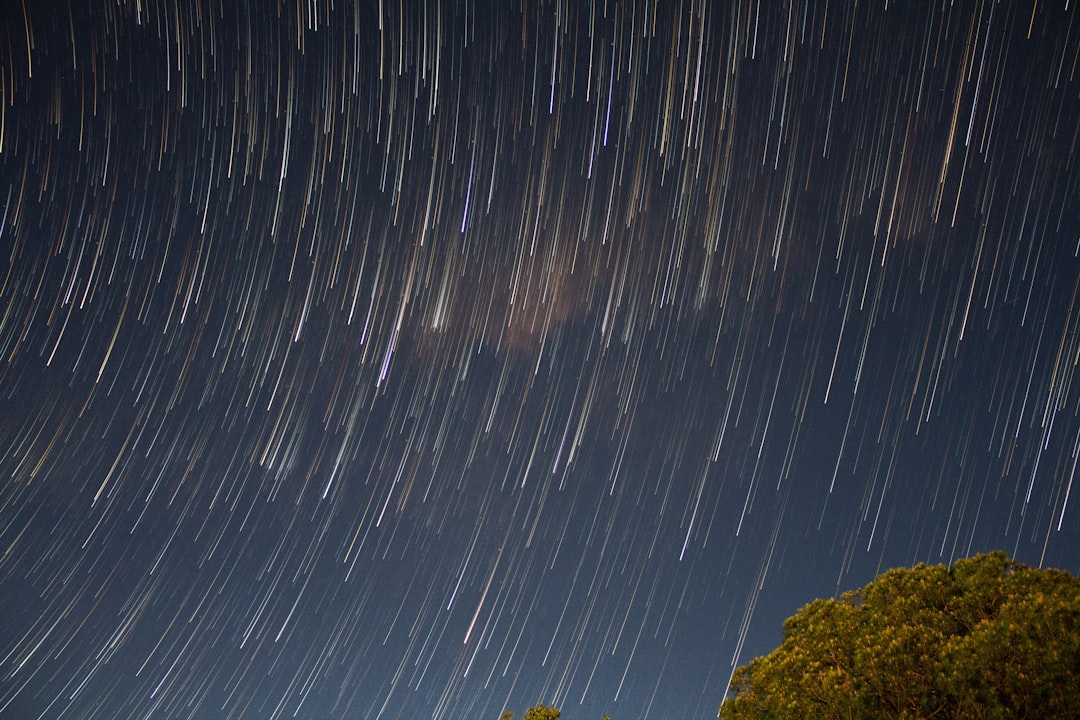
Shooting stars—meteors—appear more frequently than most people expect once you’re settled into extended observation. The key is maintaining consistent attention on one region of sky rather than constantly scanning. Peripheral vision detects fainter meteors than central vision, an oddity of human optical physics that experienced observers learn to exploit.
With binoculars, nebulae and distant galaxies become accessible. The Eta Carinae Nebula, a massive star-forming region approximately 8,500 light-years distant, appears as a cloudy patch with several bright stars embedded within it. The globular cluster 47 Tucanae, visible near the Small Magellanic Cloud, resolves into thousands of individual stars with decent optics.
Equipment Recommendations
Most Great Ocean Road visitors won’t pack dedicated astronomical equipment, and honestly, you don’t need to. Several smartphone apps provide excellent guidance: Stellarium (free version available) offers real-time sky mapping that works offline if you download the relevant star catalogues in advance. SkySafari provides similar functionality with more detailed object information.
For those wanting to enhance the experience without significant investment, binoculars offer the best return. Look for 7×50 or 10×50 specifications—the first number indicates magnification (7x or 10x), while the second indicates the objective lens diameter in millimetres. These sizes provide good light gathering while remaining hand-holdable. Avoid zoom binoculars or compact models with smaller objective lenses; the light loss outweighs the convenience.
Planning Around the Uncontrollable
Successful stargazing requires working with factors outside your control. The moon, weather, and seasonal variations dictate what’s possible—but understanding these elements allows you to stack the odds in your favour.
Moon Phase Windows
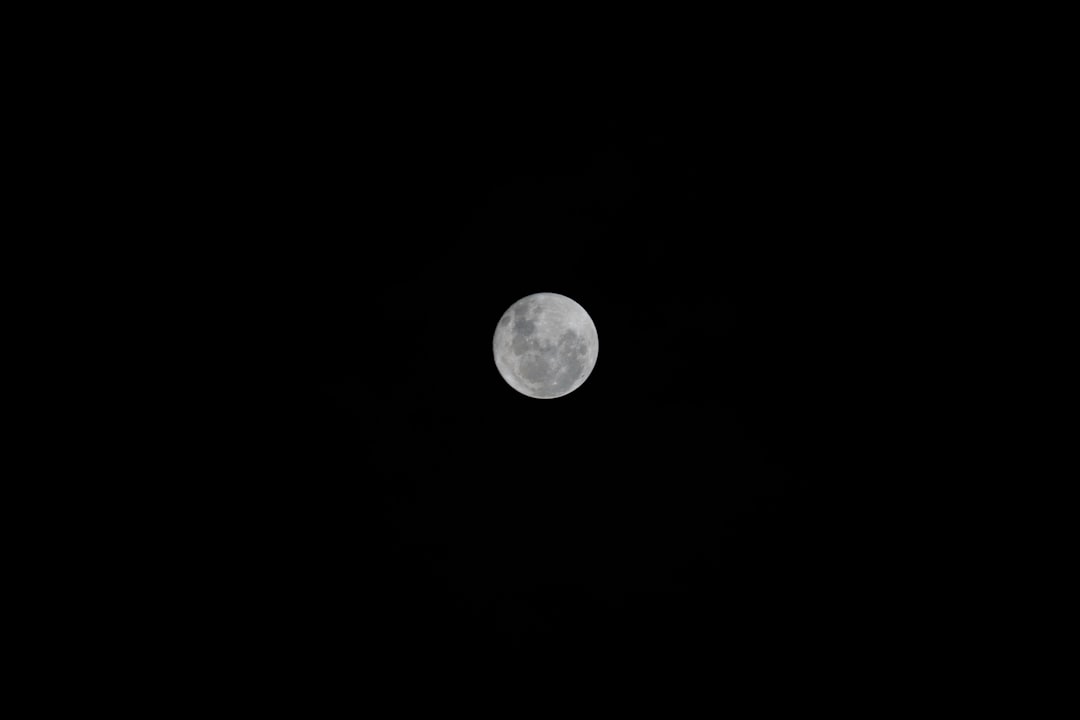
The moon’s phase determines your stargazing window more than any other single factor. During the full moon, even the darkest sites lose their magic—the scattered light washes out all but the brightest stars. The optimal window opens three to four days after the last quarter moon and closes three to four days before the first quarter.
For 2026, the best stargazing periods along the Great Ocean Road align with these new moon dates:
- Late January (summer—warm nights but potential bushfire smoke)
- Late February (excellent balance of temperature and darkness)
- Mid-March (transition season—increasing cloud risk but comfortable conditions)
- Mid-April (Milky Way centre visible in early evening)
- Early June (peak Milky Way season but cold overnight temperatures)
- Late July (darkest skies of the year, challenging conditions)
- Late August (beginning of better weather, galaxy season)
- Mid-October (spring instability but warming nights)
- Late November (approaching summer, good conditions)
- Late December (holiday period traffic, plan for weekday sessions)
Weather Resources
The Bureau of Meteorology (BOM) provides essential forecasting tools, but knowing which products matter makes the difference between a successful session and a wasted drive. The satellite loop—updated every 30 minutes—reveals approaching weather systems with more accuracy than point forecasts. Look for clear regions rather than trusting percentage cloud-cover predictions.
For more detailed astronomical forecasts, the Clear Outside app and website provide hour-by-hour predictions specifically designed for stargazing, including cloud cover at different atmospheric levels, transparency, and “seeing” (a measure of atmospheric turbulence that affects how steady stars appear).
Seasonal Considerations
Summer (December-February) offers the most comfortable temperatures but brings increased traffic, longer twilight periods, and potential bushfire smoke that can persist for weeks after major fires. The nights are shorter, meaning true darkness lasts only a few hours.
Autumn (March-May) provides perhaps the best balance—stable weather patterns, reasonable temperatures, and excellent visibility of the Milky Way’s central regions. The transition to standard time in early April extends evening darkness by an hour relative to clock time.
Winter (June-August) delivers the darkest skies and longest nights but demands commitment. Overnight temperatures regularly drop below 5°C along the coast, and cold fronts can sweep through with little warning. The Milky Way centre passes directly overhead during mid-year months, making this the premium season for serious observers willing to endure the conditions.
Spring (September-November) brings variable weather and the notorious Melbourne “four seasons in one day” effect can extend to the Great Ocean Road. Plan flexible timing and check forecasts within 24 hours of your intended session.
Astronomy Club Resources
The Astronomical Society of Victoria runs public viewing nights throughout the year, including sessions at dark sky sites accessible from the Great Ocean Road region. These events provide access to experienced observers and quality equipment without requiring personal investment. The society’s website publishes a calendar of events, and members often share real-time conditions reports during favourable periods.
Key Takeaways
- The Great Ocean Road offers some of the most accessible dark skies in Australia, but optimal locations differ from popular daytime stops
- Southern hemisphere advantages include the Milky Way’s galactic centre overhead and exclusive visibility of the Magellanic Clouds
- The 12 Apostles area suffers from light pollution—seek alternatives like The Gables, Castle Rock, and the Lavers Hill region
- Full dark adaptation takes 45+ minutes and can be destroyed instantly by artificial light exposure
- Plan around moon phases: the week centred on new moon provides the darkest conditions
- Winter offers the darkest skies but requires preparation for cold, changeable weather
- Simple binoculars (7×50 or 10×50) dramatically enhance the experience without requiring major investment
- Offline sky mapping apps like Stellarium provide essential guidance without requiring mobile reception
The Moment of Recognition
That first night at Apollo Bay, something shifted around the 40-minute mark. The sky had transformed from a collection of bright points into a recognisable structure. The Milky Way’s dust lanes—dark rifts where starlight obscures the more distant galaxy beyond—appeared as distinct features rather than vague absence. The Southern Cross had rotated noticeably, its long axis now pointing toward a region of sky that, months later, would host the rising Scorpius.
And there, beside the Southern Cross, a fuzzy patch that many dismiss as atmospheric haze revealed itself as the Eta Carinae Nebula—a stellar nursery where new stars ignite in clouds of hydrogen and
Frequently Asked Questions
Where are the best stargazing locations along the Great Ocean Road?
The 40-kilometre stretch between Wye River and Apollo Bay offers the most consistently dark skies. The Lavers Hill region is particularly exceptional—a small unsigned pull-in approximately 3 kilometres past Lavers Hill on the Apollo Bay side provides some of the darkest accessible skies with 360-degree horizons. Avoid the 12 Apostles main viewing area due to headlight interference; instead try The Gables Lookout near Port Campbell, Castle Rock near Peterborough, or the London Bridge precinct for similar limestone views with better darkness.
How long does it take for eyes to fully adapt to darkness for stargazing?
Full dark adaptation takes 45 minutes to an hour of complete darkness. The process begins immediately, with bright planets and the Southern Cross visible within the first 10 minutes. After 20 minutes, the Milky Way gains structure and star clusters emerge. However, a single glance at a phone screen or car headlight can destroy this adaptation instantly, requiring you to start the process again. Protect your night vision by avoiding all artificial light sources during your session.
When is the best time to go stargazing along the Great Ocean Road in 2026?
The optimal stargazing window occurs three to four days after the last quarter moon until three to four days before the first quarter. For 2026, the best periods include late February (excellent temperature and darkness balance), mid-April (Milky Way centre visible in early evening), and early June (peak Milky Way season despite cold overnight temperatures). Winter delivers the darkest skies with the Milky Way centre passing directly overhead, while summer offers comfortable temperatures but shorter nights and potential bushfire smoke.
What equipment do I need for stargazing on the Great Ocean Road?
You don’t need expensive equipment—binoculars with 7×50 or 10×50 specifications offer the best return, gathering about 50 times more light than your dark-adapted eye while remaining hand-holdable. Download offline sky mapping apps like Stellarium (free) or SkySafari before your trip since mobile reception is essentially non-existent in prime locations like Grey River Road. Avoid zoom binoculars or compact models with smaller objective lenses as the light loss outweighs any convenience.
What celestial objects can only be seen from the southern hemisphere?
The Magellanic Clouds—two irregular dwarf galaxies orbiting the Milky Way—are visible exclusively from the southern hemisphere. The Large Magellanic Cloud contains approximately 30 billion stars and sits about 160,000 light-years from Earth, while the Small Magellanic Cloud is roughly 200,000 light-years distant. Both appear as distinct ‘clouds’ that never move with weather. Additionally, the Milky Way’s galactic centre passes directly overhead during Australian winter, appearing far brighter than northern hemisphere observers experience.



Be the First to Comment
Sign in to start the conversation.