
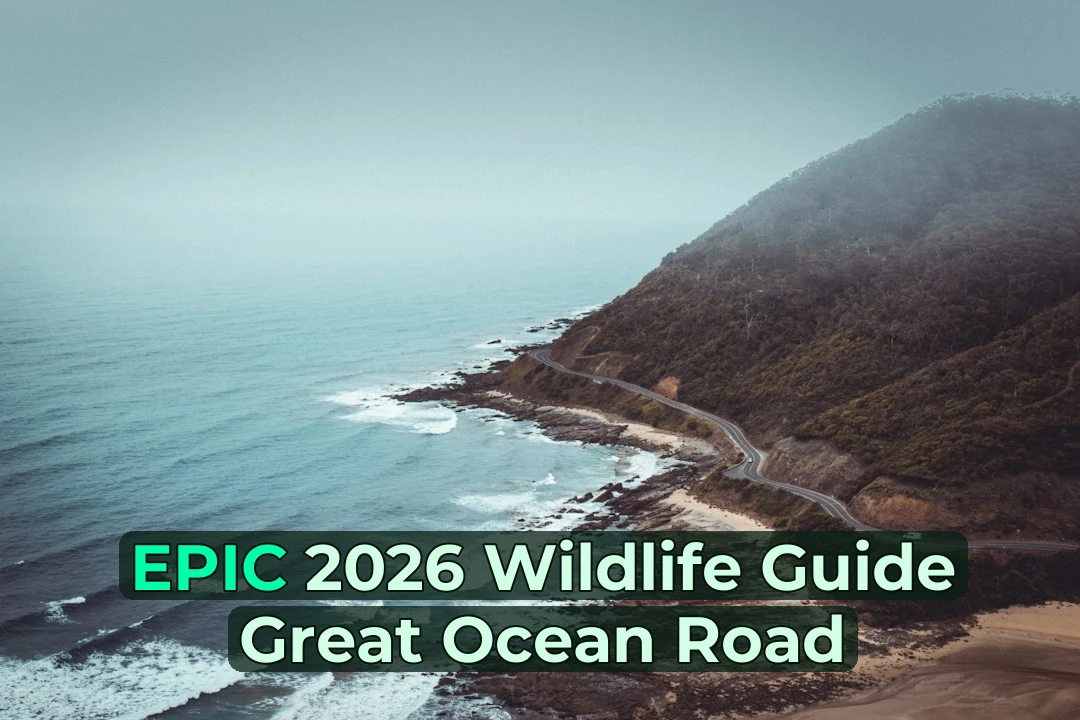
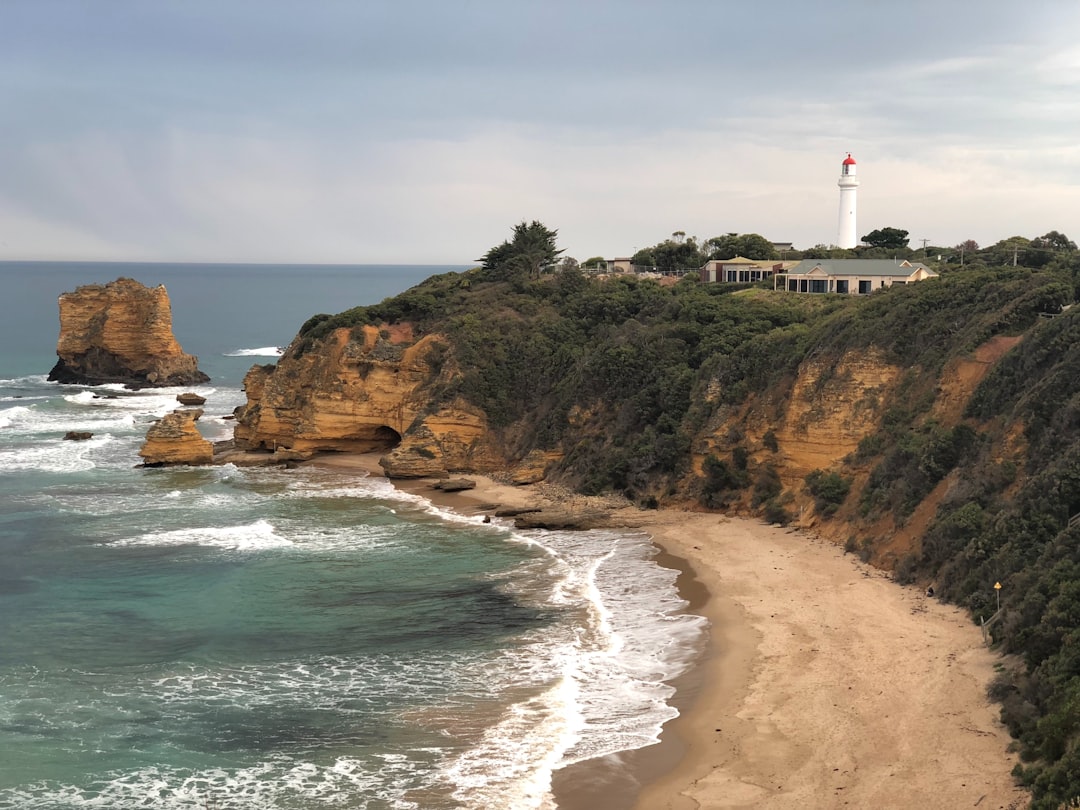
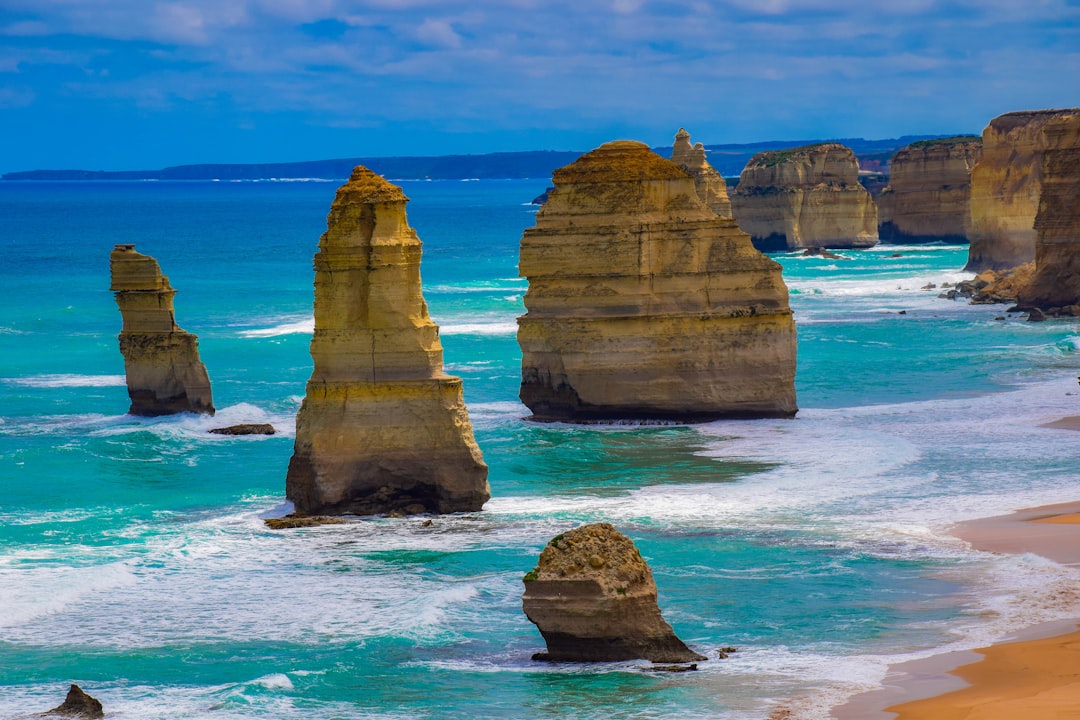
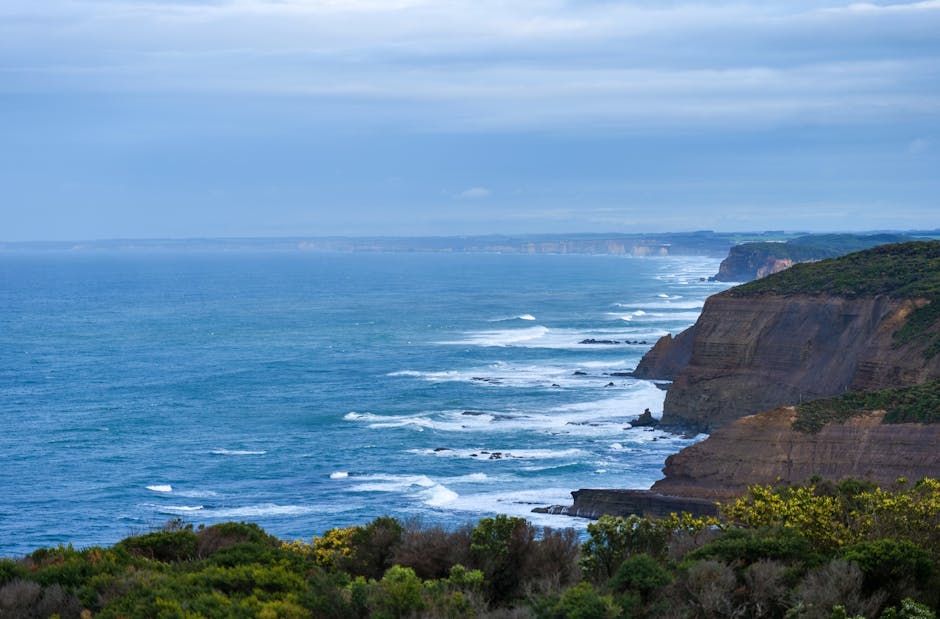
🔥 The salty sea breeze mingles with the scent of blooming banksias as you pull over near Port Campbell, and suddenly a wedge-tailed eagle swoops low overhead—want to learn how to spot Australia’s wild side on the Great Ocean Road? Here’s exactly how I did it over five years of coastal exploration.
🎒 What You’ll Need for the Adventure
Before you hit the road, grab a pair of 8×42 binoculars—trust me, they’re worth the extra weight over phone zoom. Pack a reusable water bottle (keep it plastic-free, mate), sturdy walking shoes with grip for rocky tracks, and a lightweight rain jacket because the weather here changes faster than a koala’s mood. Don’t forget your sunnies and sunscreen; the UV along the coast is no joke in 2026. If you’re into birding, a pocket field guide or an app like BirdNet helps ID calls instantly. Lastly, pack a thermos of flat white—nothing says ‘well done’ like caffeine on a cold morning!
1️⃣ Timing is Everything: When to Go
This is the biggest mistake beginners make—they turn up at noon when everyone’s hiding! The golden hours are sunrise (5:30–7:30 AM) and late afternoon (4:00–6:00 PM). This is when animals are most active, feeding or moving between habitats. In 2026, check the Bureau of Meteorology for wind speeds; if it’s gusting over 40km/h, marine life stays deeper, but seabirds are still active. Winter (June–August) brings bigger whales on their migration, while spring (Sept–Nov) is great for seeing joeys in the wild. Pro tip: Avoid public holidays if you want solitude!
2️⃣ Spotting the Giants: Whale & Seal Watching
Head to Apollo Bay or Warrnambool for southern right whales (May–July). Look for spouts—those distinct water fountains shooting 3–4 meters high. Use binoculars to spot calving pairs near the shore. For seals, head to Wauchope River or Gibson Steps. You’ll see them basking on rocks; keep your distance (at least 50m). If you’re lucky, you might spot a Little Penguin returning to shore at sunset near Loch Ard Gorge—keep quiet and use red-light flashlights if you have a guide tour!
3️⃣ Birding the Coast: Seabirds & Migrants
The Great Ocean Road is a seabird highway. At the 12 Apostles visitor centre, look for pelicans diving in groups—they’re spectacular! Scan the cliff tops for ospreys and wedge-tailed eagles. If you’re near wetlands like Rietvlei Nature Reserve (near Warrnambool), keep an eye out for brolgas and migratory shorebirds. Listen for the distinct call of the kookaburra; it echoes off the limestone cliffs and is a good indicator of nearby activity. Remember: never chase birds; they’ll just fly off!
4️⃣ Land Lovers: Wallabies & Koalas
Wallabies are everywhere! At Otway National Park, you’ll often see eastern grey wallabies hopping near the car parks. Look for them in early morning or late afternoon. For koalas, head to Kennett River; there’s a boardwalk specifically designed for viewing them in eucalypt forests. They sleep high up, so scan the canopy! If you see a joey (baby), give the mother space. Never feed them—wild animals shouldn’t rely on humans for food.
5️⃣ Ethical Viewing: Leave No Trace
Respecting wildlife is non-negotiable. Keep dogs on leashes (or better, leave them at home), stay on marked paths to avoid disturbing nesting grounds, and never use flash photography for nocturnal animals. If an animal changes its behaviour because of your presence, you’re too close—back off! In 2026, many parks have stricter penalties for approaching wildlife within 100m of marine mammals. Let them live their lives; you’re just a guest in their backyard.
💡 Pro Tips for 2026
Download offline maps—cell service vanishes fast along the coast. Join a local guided tour once; it teaches you the ‘reading’ of tracks and signs. Carry a first-aid kit with antiseptic for any scratch from brambles. And remember, patience is your best gear! You might spend 20 minutes seeing nothing, then 5 minutes capturing memories of a lifetime.
📋 Practical Info
📍 Great Ocean Road, Victoria (Start: Torquay 3265, End: Allans Ford 3240)
🚗 From Melbourne CBD, 2.5 hours by car via Princes Highway (M1)
💰 $0–$30 entry fees; Guided tours $50–$120 per person
🕐 Visitor centres 9 AM – 5 PM daily; Wildlife active at dawn/dusk
⏱️ Full day (6–8 hours) recommended for multiple stops
💡 Tips & Warnings
✅ ✅ Visit during ‘golden hours’ (sunrise/sunset) when animals are most active and light is perfect for photos.
❌ ❌ Don’t feed wildlife or use drones near nesting sites; it stresses animals and can result in heavy fines.
⚠️ ⚠️ Weather changes instantly on the coast; always carry a rain jacket and check surf reports before hiking cliff tracks.
🚀 Give it a crack and let me know how you go! 🚀
#GreatOceanRoad #WildlifeWatching #AustraliaTravel #NaturePhotography #EcoTourism #VisitVic2026

Be the First to Comment
Sign in to start the conversation.