
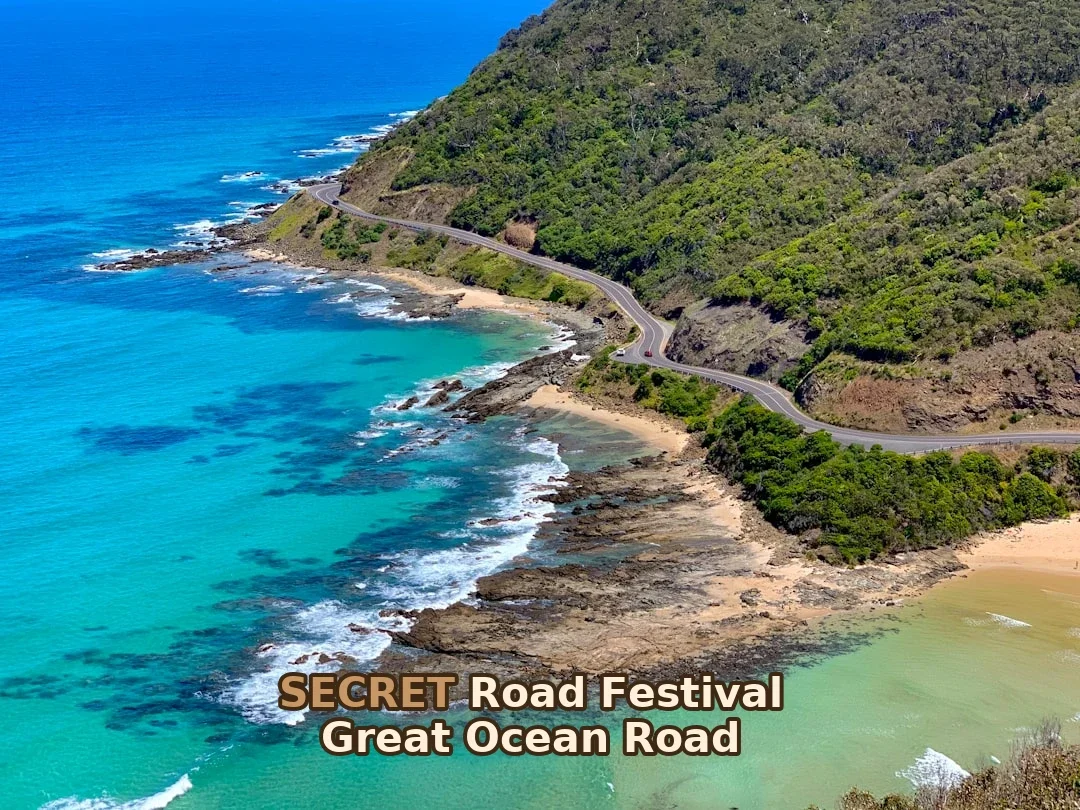
What if I told you that just a few hours from Melbourne lies a road where koalas nap in eucalyptus trees, whales breach offshore seasonally, and ancient rock formations stand as sentinels against the Southern Ocean? The Great Ocean Road isn’t just a drive—it’s an Australian rite of passage waiting to unfold. This 243-kilometer stretch of coastal highway hugs dramatic cliffs, winds through lush rainforests, and offers endless opportunities for adventure, making it one of the world’s most scenic road trips.
The Unscripted Journey: Where the Road Becomes the Destination
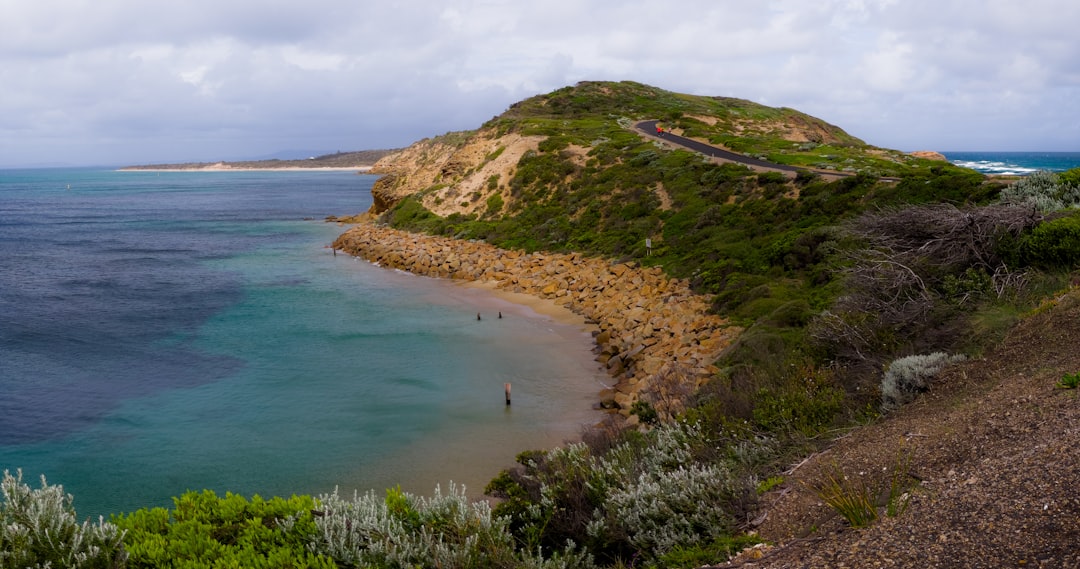
The beauty of the Great Ocean Road lies not just in its iconic landmarks but in the rhythm of the journey itself. This isn’t a race to reach the Twelve Apostles or Loch Ard Gorge—it’s about embracing the unexpected discoveries along the way. The road is designed to slow you down, with countless pullouts inviting you to pause and soak in the ever-changing coastal vistas.
The Coastal Symphony: From Torquay to Apollo Bay
Your journey typically begins in Torquay, where the road officially starts. From here, the landscape gradually transforms from familiar beach towns to increasingly dramatic coastal scenery. The stretch between Anglesea and Lorne offers some of the most accessible viewpoints, perfect for first-time visitors.
The Rainforest Heart: Otway National Park
As you continue west, the landscape shifts dramatically as you enter the Otway National Park. This section is where the road climbs inland, taking you through temperate rainforests alive with native wildlife. The Maits Rest Rainforest Walk is a must-do—a boardwalk trail that takes you through ancient gullies where giant ferns and towering myrtle beech trees create a cathedral-like atmosphere.
Beyond the Tourist Trail: Hidden Gems & Honest Realities
While the Twelve Apostles rightfully draw visitors from around the world, some of the most rewarding experiences come from venturing slightly off the beaten path. These hidden gems offer authentic local experiences without the crowds.
The Secret Beaches
Between Lorne and Apollo Bay lies a series of stunning beaches that most tourists never discover. Blanket Bay, with its turquoise waters and dramatic rock formations, feels like a hidden paradise. The access road is unsealed, requiring careful navigation, but the reward is a pristine swimming beach often completely deserted even during peak season.
Apollo Bay’s Local Secrets
The charming fishing town of Apollo Bay serves as both a perfect stopping point and a destination in itself. While most visitors head straight to the main harbor, locals know that the real magic happens early morning.
Bay of Islands Coastal Park
Just west of Apollo Bay, the Bay of Islands Coastal Park offers dramatic rock formations similar to the Twelve Apostles but without the crowds. The Mokes Lookout provides panoramic views of this rugged coastline where the Southern Ocean relentlessly carves into ancient limestone.
The Prepared Wanderer: Smart Planning for Unforgettable Memories
The Great Ocean Road can be enjoyed year-round, but each season offers a different character. Planning ahead ensures you experience the road at its best while avoiding common pitfalls that can turn an adventure into a challenge.
Seasonal Considerations
The Great Ocean Road is a year-round destination, but each season brings unique advantages and challenges:
- Summer (December-February): Warm weather perfect for beach activities, but also the busiest season with higher accommodation prices and crowded attractions
- Autumn (March-May): Often considered the sweet spot with pleasant temperatures, fewer crowds, and beautiful fall colors in the Otway rainforests
- Winter (June-August): Fewer tourists, dramatic stormy seas, and potential whale watching opportunities, but cooler temperatures and some attractions may have reduced hours
- Spring (September-November): Wildflower season in the national parks, whale migration begins, and accommodation prices start to rise but haven’t peaked yet
Accommodation Strategies
The Great Ocean Road offers accommodation options ranging from luxury resorts to budget-friendly campgrounds. Booking well in advance is crucial, especially during peak season, but consider these insider tips:
“The best accommodation isn’t always the most expensive—it’s the one that puts you closest to where you want to be at sunrise or sunset.”
For Twelve Apostles access, consider staying in Port Campbell rather than Apollo Bay. While Apollo Bay has more dining options, Port Campbell puts you just 20 minutes from the sunrise viewing spot at the Twelve Apostles, where the first light creates magical conditions for photography.
Vehicle Preparation
Key Takeaways:
- Check your vehicle’s fuel gauge regularly—fill up in Apollo Bay as fuel stations become scarce westward
- Download offline maps as mobile coverage becomes intermittent between towns
- Pack layers—even on warm days, coastal areas can experience sudden temperature drops
- Always carry extra water, especially during summer months
Conclusion
The Great Ocean Road isn’t just a destination on a map—it’s a state of mind. The best moments often come when you veer off the planned path, follow a local’s suggestion, or simply pull over to watch the waves crash against ancient cliffs. Whether you’re seeking adventure, relaxation, or connection with Australia’s natural beauty, this iconic road delivers experiences that linger long after your journey ends. Pack your sense of wonder along with your snacks, and let the road itself become your guide.
Frequently Asked Questions
What is the Great Ocean Road and why is it considered significant?
The Great Ocean Road is a 243-kilometer coastal highway in Victoria, Australia, considered an Australian rite of passage. It was built between 1919 and 1932 by 3,500 returned soldiers as a war memorial and public works project, taking almost 13 years to complete. The road offers dramatic coastal scenery, lush rainforests, and opportunities to see wildlife like koalas and whales, making it one of the world’s most scenic road trips.
How should I prepare for driving the winding sections of the Great Ocean Road?
The Great Ocean Road has challenging winding sections, particularly through Otway National Park where the road becomes steep and narrow. Drivers uncomfortable with these conditions should take extra time, especially in the Otway section. A standard 2WD vehicle can handle the main route, but higher clearance is recommended for exploring beyond the highway. Always check your fuel gauge regularly, filling up in Apollo Bay as fuel stations become scarce westward, and download offline maps as mobile coverage becomes intermittent between towns.
When is the best time to visit the Great Ocean Road for fewer crowds?
Autumn (March-May) is often considered the sweet spot for visiting the Great Ocean Road, offering pleasant temperatures, fewer crowds, and beautiful fall colors in the Otway rainforests. Winter (June-August) also has fewer tourists and provides opportunities for dramatic stormy seas and potential whale watching, though temperatures are cooler and some attractions may have reduced hours. Spring (September-November) features wildflower season and beginning whale migration.
What accommodation strategy offers the best experience for visiting the Twelve Apostles?
For optimal Twelve Apostles access, consider staying in Port Campbell rather than Apollo Bay. While Apollo Bay offers more dining options, Port Campbell positions you just 20 minutes from the sunrise viewing spot at the Twelve Apostles, where the first light creates magical photography conditions. Booking well in advance is crucial, especially during peak season (December-February), when accommodation prices are higher and attractions become crowded.



Be the First to Comment
Sign in to start the conversation.