
What if the difference between a forgettable drive and a life-changing wildlife encounter comes down to knowing exactly where to pull over? Imagine this: you’re crawling along the Great Ocean Road at dawn, stuck behind a caravan of campervans queuing for the same koala viewing platform that every guidebook recommends. Meanwhile, seven kilometres down an unmarked side road, a mob of eastern grey kangaroos gathers at a local swimming hole, a platypus surfaces in the creek below, and not a single tourist is there to see it. This isn’t fantasy—it’s the reality of how wildlife watching actually works on Australian roads. The animals are there. The question is whether you’ll know where to look.
The Anatomy of a Wildlife-Rich Road Trip
Planning road trips australia through the lens of wildlife watching requires a fundamental shift in how most people think about travel itineraries. The standard approach—pick destinations, drive between them, hope to see animals along the way—produces exactly the hit-and-miss results most visitors experience. Reliable wildlife encounters require the opposite approach: understanding animal behaviour patterns first, then building your route around them.
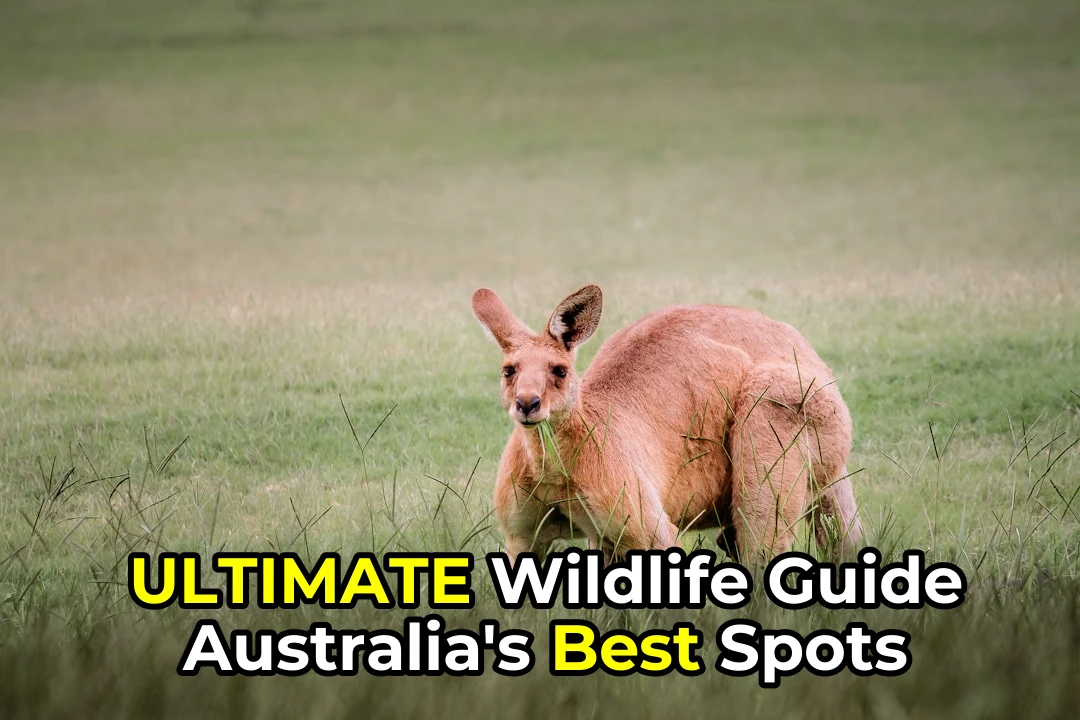
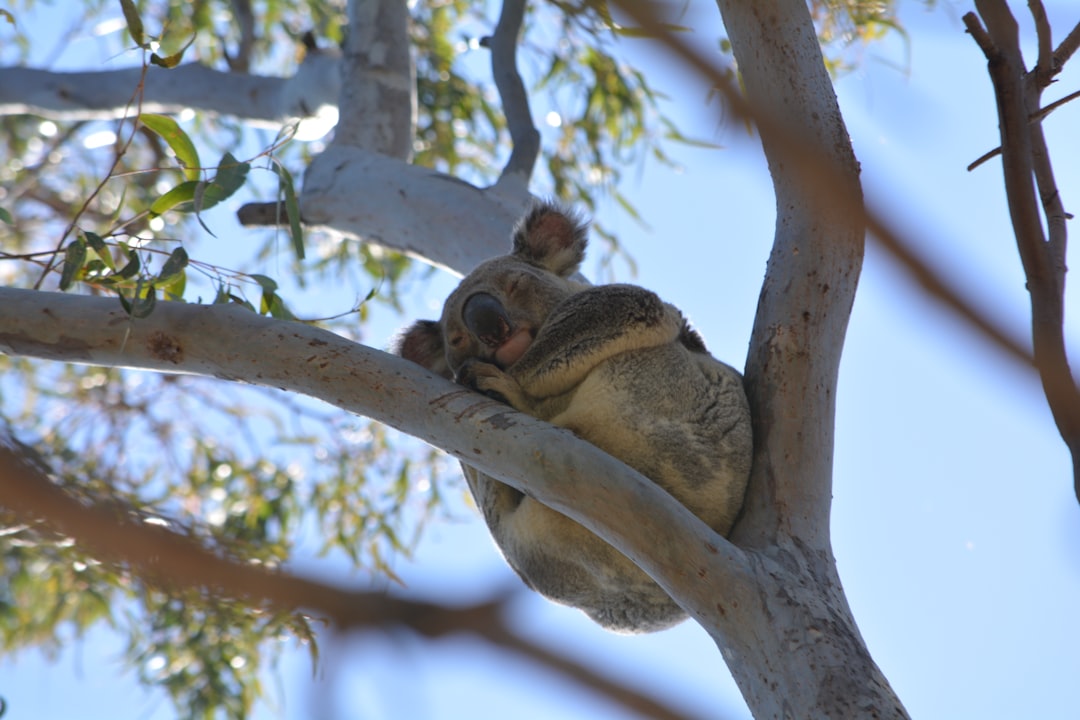
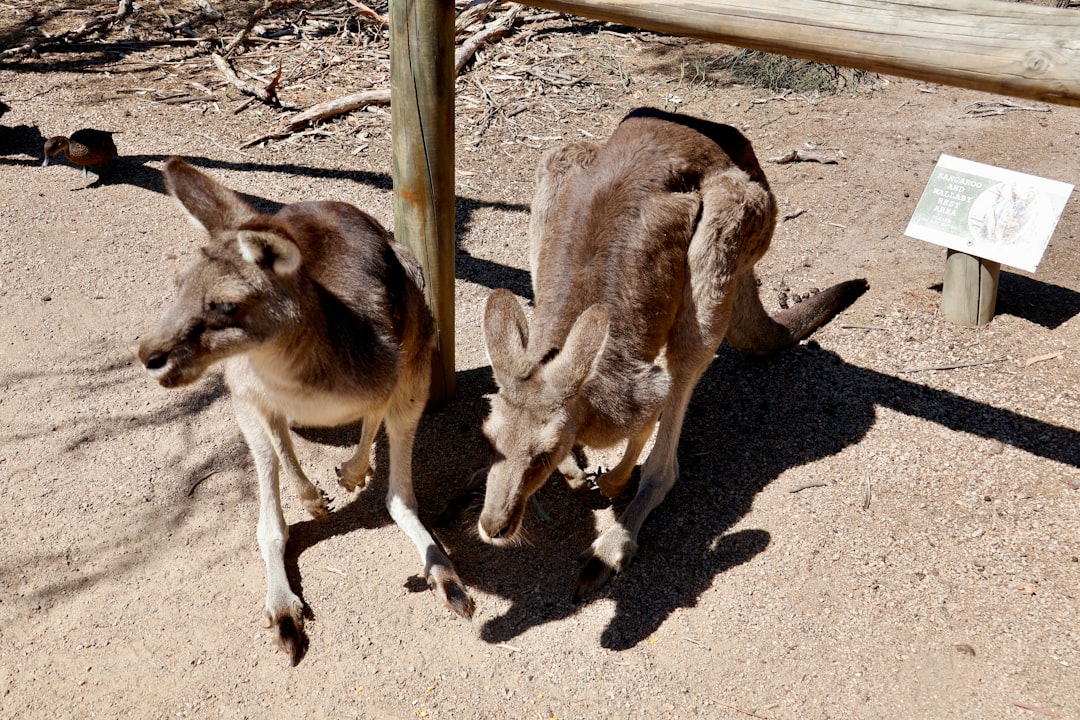
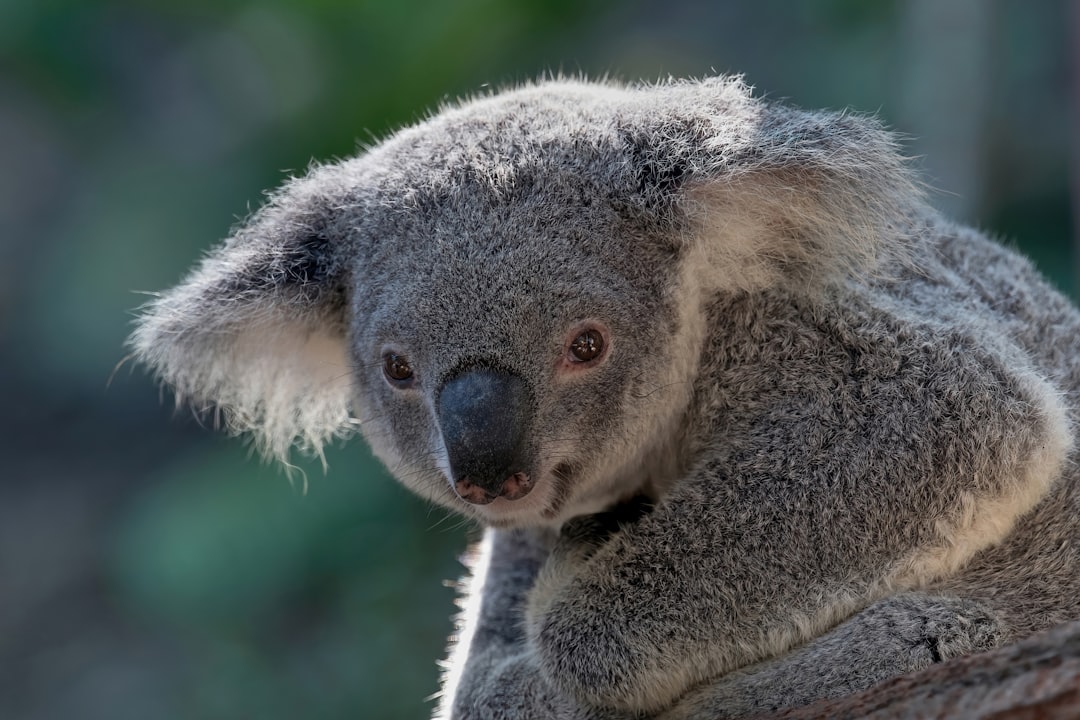
Australia’s wildlife operates on rhythms that are both predictable and radically different from what international visitors expect. Kangaroos and wallabies graze most actively in the two hours after dawn and the two hours before dusk—not because they prefer these times aesthetically, but because these are the periods when dew on grass provides crucial hydration and temperatures are tolerable for heavy-bodied marsupials. Koalas sleep up to 20 hours daily, but their active periods follow a pattern tied to the specific eucalyptus species they favour. Understanding these rhythms transforms wildlife watching from a game of chance to something approaching a reliable system.
The Great Ocean Road as a Living Wildlife Corridor
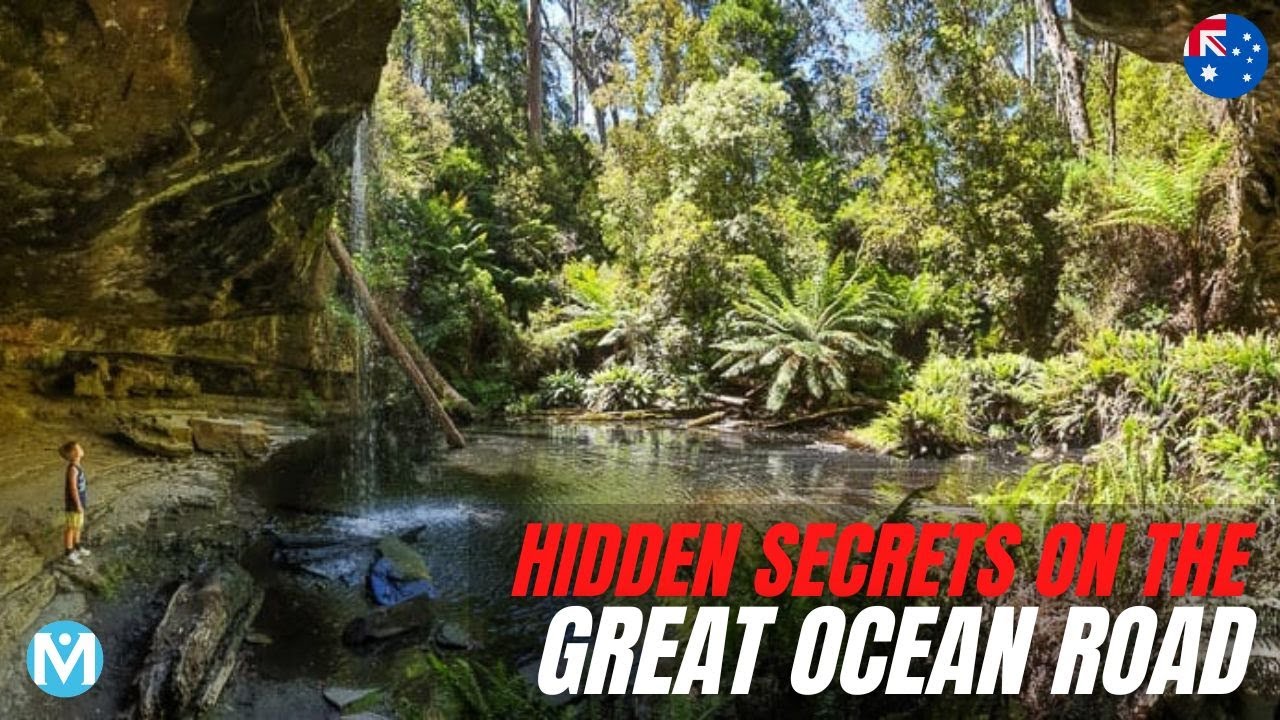
The Great Ocean Road isn’t merely a scenic drive—it’s one of Australia’s most accessible wildlife corridors, connecting the Otway Ranges’ temperate rainforests with coastal heathland and marine environments. This diversity means that within a single day’s drive, you can encounter species ranging from swamp wallabies and echidnas in the forests to Australian fur seals and little penguins along the coast. The key is knowing which sections favour which species, and at what times.
The section between Lorne and Apollo Bay, for instance, cuts through moist forest that supports dense koala populations—but the animals cluster around specific food trees (manna gum and swamp gum particularly) rather than distributing evenly. The coast between Princeton and Port Campbell offers some of the continent’s most accessible whale-watching during winter migration, yet most drivers speed past the unmarked headlands where southern right whales rest with their calves. Wildlife watching here isn’t about luck. It’s about corridor knowledge.
Key Takeaways: Wildlife Corridor Thinking
- Build routes around animal activity patterns, not just scenic destinations
- The Great Ocean Road connects three distinct ecosystems—plan stops in each
- Dawn and dusk aren’t just “better” for wildlife—they’re when animals are actually active
- Unmarked pull-overs often outperform official viewing platforms
7-Day Road Trip From Sydney — The Wildlife-First Route
A 7-day road trip from Sydney built around wildlife encounters requires honest assessment of what’s achievable. This route prioritises reliable animal sightings over maximum distance covered, tracking south through the Southern Highlands and down the far South Coast before cutting inland toward Victoria. It’s not the most direct path to Melbourne—but it’s the path that will show you animals.
Days 1-2: Southern Highlands — Platypus Country
Depart Sydney early—genuinely early, not “holiday early”—and head directly to the Southern Highlands. This region, roughly 90 minutes southwest of Sydney, offers one of Australia’s most reliable platypus viewing opportunities, but only if you understand the conditions that make sightings possible. Platypus are crepuscular (active primarily at dawn and dusk) and extremely sensitive to disturbance. They favour pools with overhanging vegetation in creeks with clear water and sandy or gravel bottoms.
Specific locations matter enormously here. The Wingecarribee River near Bowral and several creeks around Fitzroy Falls have resident platypus populations, but your success depends on arriving before other humans disturb the water. Plan to be at your chosen location by 5:30am in summer (slightly later in winter). Stay motionless. Scan the water’s surface for the characteristic ring patterns that indicate a surfacing animal. And here’s the uncomfortable truth that tourism operators won’t tell you: even at known locations, platypus sightings are never guaranteed. Weather, water levels, human activity, and seasonal breeding cycles all affect visibility. You might see three platypus in an hour. You might see none after three mornings of trying. This is genuine wildlife watching—not a zoo.
The Southern Highlands also offers excellent opportunities for spotting eastern grey kangaroos (particularly in the paddocks around Berrima and Sutton Forest), as well as wombats in the reserves around Mittagong. Wombats, unlike many Australian mammals, can be spotted during daylight hours in cooler months, grazing on grassy verges near forest edges.
Days 3-4: The Far South Coast — Whales and Seals
Continue south through Canberra (worth a stop at the Tidbinbilla Nature Reserve for koala and wallaby sightings) and down to the far South Coast. This stretch of coastline, from Narooma through Eden, offers some of Australia’s most accessible whale watching during migration season (May to November for humpbacks heading north, September to December for southbound returns with calves). But the whale experience here differs dramatically from the crowded boat tours of the Gold Coast or Hervey Bay.
Headlands between Narooma and Bermagui offer land-based whale watching that, in the right conditions, rivals any boat tour. The key is understanding that whales follow the continental shelf edge—visible from shore as the line where deep blue water meets the lighter coastal zone. Bring binoculars. Patience helps. On calm days, you may see blows, breaches, and tail slaps from species including humpbacks, southern rights, and occasionally orcas. The area around Eden has a particularly rich whaling history (worth understanding for context) and offers the Killer Whale Museum for those interested in the complex relationship between humans and cetaceans in Australian waters.
Seal watching is equally rewarding here. Montague Island, offshore from Narooma, hosts a colony of Australian and New Zealand fur seals, with boat tours available. But budget-conscious travellers can often spot seals from shore at the Barunguba Montague Island viewing area or from various headlands along the coast. Look for dark shapes “rafting” (resting in groups) on the water’s surface, or haul-outs on rocky platforms.
Days 5-7: Into Victoria’s Coastal Corridor
From the South Coast, the route cuts across to the Victorian border and follows the coast toward Melbourne. This section offers some of the most reliable koala sightings on the entire eastern seaboard—specifically, the stretch between Cape Conran and Bairnsdale where the roads pass through manna gum forest. Koalas here are often visible from the car, their grey forms contrasting against the white trunks of eucalypts. Unlike the crowded koala viewing areas further west, this section sees relatively light traffic, and patient observers can often watch koalas feeding, climbing, or (more likely) sleeping without another vehicle present.
The approach to Melbourne offers a choice: continue directly to the city, or detour to Phillip Island for the famous Penguin Parade. The Penguin Parade is worth experiencing once—the nightly return of little penguins (the smallest penguin species) to their burrows after a day fishing at sea. But understand what you’re getting: a managed tourist experience with boardwalks, grandstands, and hundreds of fellow visitors. For those seeking a quieter alternative, the 7-day road trip from sydney route offers opportunities to see little penguins at various points along the coast, including areas near Warrnambool and on the Mornington Peninsula, where smaller colonies come ashore in relative solitude.
The 10-Day Loop — Victoria to South Australia via the Great Ocean Road
For travellers with more time, a comprehensive 10-day road trip australia itinerary can loop from Melbourne through the Great Ocean Road and into South Australia’s wildlife-rich zones before returning via the interior. This route builds on the shorter Sydney-Melbourne journey, adding depth and variety to create one of the continent’s most wildlife-dense driving experiences.
Days 1-3: Melbourne to the Great Ocean Road
Begin in Melbourne and head southwest toward Torquay, the official start of the Great Ocean Road. The first wildlife opportunity appears before you even reach the famous coastal section: the wetlands around Lake Connewarre and the Barwon Heads area support significant bird populations, including black swans, pelicans, and various wading species. For serious birdwatchers, a stop here with a field guide can yield 30+ species in a morning.
The Great Ocean Road itself needs no introduction as one of the world’s great scenic drives, but its wildlife potential is consistently underestimated. Between Anglesea and Lorne, watch for swamp wallabies in the forest margins and koalas in the manna gums near Erskine River. The section from Lorne to Apollo Bay cuts through the Angahook-Lorne State Park, where birdlife is prolific—look for crimson rosellas, king parrots, and the massive yellow-tailed black cockatoos that announce themselves with a distinctive, mournful call.
Apollo Bay deserves at least one night’s stay, and not merely for its charm as a fishing village. The nearby Great Otway National Park offers some of the Great Ocean Road’s best wildlife watching, including a reliable colony of Australian fur seals at Cape Otway (accessible via the Cape Otway Lightstation), koalas in the manna gums along Lighthouse Road, and, for those willing to walk after dark, the chance to see glow-worms in the gullies near Melba Gully.
The Apollo Bay Dawn Discovery
Arriving at a nondescript pull-over near Apollo Bay at 5:45am—not an official viewing area, just a local tip from a ranger—I watched as a mob of twenty-plus eastern grey kangaroos emerged from the treeline to graze in the paddock beside the car. A koala climbed slowly overhead in a manna gum, its movements audible in the still air. For forty minutes, I was the only human present. The first tourist vehicle didn’t arrive until after 7am, by which time the kangaroos had retreated to the forest edge and the koala had settled into a crook for its daytime sleep. The difference between my experience and the typical tourist’s wasn’t luck. It was timing and local knowledge.
Days 4-6: The Shipwreck Coast and Into South Australia
Continue west along the Great Ocean Road through the Twelve Apostles region (worth seeing, though the crowds can be intense) toward Port Campbell and Warrnambool. This section offers winter whale watching from Logan’s Beach, where southern right whales calve in the sheltered waters close to shore. A purpose-built viewing platform provides land-based whale watching that, during peak season (June to September), can be extraordinary. Outside whale season, the platform still offers excellent views of the coastline and the chance to spot dolphins, seals, and seabirds.
From Warrnambool, the route continues west into South Australia, passing through Mount Gambier and toward the Coorong. This transition from Victoria to South Australia marks a shift in ecosystems—from the moist forests of the Otways to the drier mallee and coastal wetlands of the Coorong region. Wildlife changes accordingly. The Coorong is one of Australia’s most significant bird areas, supporting vast populations of waterbirds including pelicans, swans, and migratory waders that travel from as far as Siberia and Alaska. For birdwatchers, this section alone justifies the 10-day road trip australia investment.
Days 7-8: Kangaroo Island — The Wildlife Intensive
A wildlife-focused 10-day road trip australia itinerary should include Kangaroo Island, accessible by ferry from Cape Jervis. This island, separated from the mainland for thousands of years, supports wildlife populations that are both abundant and unusually approachable—having evolved without the predator pressure that affects mainland populations. Kangaroos (a distinct subspecies, the Kangaroo Island kangaroo), tammar wallabies, koalas, echidnas, and Australian sea lions can all be seen here with reliability that’s rare on the mainland.
Key locations include Seal Bay (a protected Australian sea lion colony where guided walks take you onto the beach among the animals), Flinders Chase National Park (for kangaroos, koalas, and the remarkable echidnas that can often be seen foraging during daylight hours), and the various bays around Penneshaw where little penguins come ashore at dusk. The island deserves at least two full days, and budget-conscious travellers should note that accommodation and tours are expensive—book well in advance.
Days 9-10: The Return Journey
Return from Kangaroo Island and head back toward Melbourne via the interior route through the Grampians (Gariwerd) National Park. This detour adds significant wildlife value to the return journey—the Grampians support dense populations of kangaroos, wallabies, and emus, plus some of Victoria’s best opportunities for spotting koalas in the wild. The park’s rocky outcrops also support significant reptile populations, including lace monitors and various skink species. Birdwatchers should watch for the emu-wren, a tiny, endemic species that favours the park’s heathland areas.
The Uncomfortable Truths About Australian Wildlife Watching
Building expert credibility requires honesty about what tourism operators won’t tell you. Wildlife watching on road trips australia isn’t the guaranteed experience that marketing materials suggest, and understanding the limitations is essential for managing expectations and planning effectively.
Animals Don’t Operate on Your Schedule
The most common visitor disappointment stems from a fundamental misunderstanding: Australian wildlife evolved to survive in a harsh, unpredictable environment, and their behaviour reflects this. Kangaroos may be visible by the dozen one morning and absent from the same location the next—because they’ve moved to follow fresh grass after rain, or because human activity has disturbed their feeding pattern. Koalas sleep most of the day, every day, and seeing them active requires being in the right place during their brief feeding windows (typically the hour after sunset and the hour before dawn). Platypus are so sensitive to disturbance that a single careless approach to a creek bank can ruin sightings for everyone else that day.
Wildlife watching requires patience, flexibility, and a willingness to return to locations multiple times. The visitors who see the most animals are those who build redundancy into their itineraries—planning multiple potential sighting opportunities rather than counting on any single location to deliver.
Not All “Wildlife Encounters” Are What They Seem
Australia’s wildlife tourism industry includes operators ranging from genuinely ethical conservation-focused organisations to essentially petting zoos marketed deceptively as “wild” experiences. The distinction matters for travellers seeking authentic encounters. A “koala experience” where animals are held by visitors, for instance, involves captive animals managed for handling—wild koalas cannot legally be touched, and would experience significant stress from such contact. Similarly, some “sanctuary” operations breed animals specifically for tourist interaction while contributing little to conservation.
Authentic wildlife watching involves observing animals in their natural habitat, engaging in natural behaviours, without direct interaction. The best operators understand this distinction and facilitate genuine encounters rather than staged photo opportunities.
The Roadkill Reality
This is the uncomfortable truth that most wildlife guides avoid entirely: road trips australia involve confronting roadkill, sometimes in distressing quantities. Australian wildlife—particularly kangaroos, wallabies, and wombats—are active at dawn and dusk, exactly when visibility is poorest and drivers are most likely to be tired. The result is a level of road mortality that can be genuinely confronting for visitors, particularly on inland routes and in areas where wildlife populations are dense.
Responsible wildlife watchers drive defensively during peak animal activity times, adhering strictly to speed limits and remaining alert for animals on road verges. Many experienced travellers plan their driving to avoid the dawn/dusk periods entirely, using these hours for wildlife watching from stationary positions rather than covering distance. This approach is both safer and more productive—you’ll see more animals by stopping and watching than by driving past.
Ethical Wildlife Watching: The Non-Negotiables
Wildlife watching carries responsibilities that responsible travellers take seriously. The core principles are straightforward but often violated by visitors who simply don’t know better:
- Never feed wildlife — human food causes serious
Frequently Asked Questions
When is the best time to see kangaroos and wallabies during an Australian road trip?
Kangaroos and wallabies are most active during the two hours after dawn and the two hours before dusk. These periods provide crucial hydration from dew on grass and tolerable temperatures for heavy-bodied marsupials. Plan to arrive at viewing locations by 5:30am in summer for optimal sightings. This timing applies consistently across locations like the Southern Highlands paddocks around Berrima and Sutton Forest, where eastern grey kangaroos gather to graze.
Where can I reliably spot platypus in the Southern Highlands near Sydney?
The Wingecarribee River near Bowral and several creeks around Fitzroy Falls have resident platypus populations. Success requires arriving before 5:30am in summer to avoid human disturbance, staying motionless, and scanning for characteristic ring patterns on the water’s surface. Platypus favour pools with overhanging vegetation, clear water, and sandy or gravel bottoms. Note that sightings are never guaranteed—weather, water levels, and breeding cycles all affect visibility.
How should I plan a wildlife-focused 7-day road trip from Sydney to Melbourne?
Start with the Southern Highlands (Days 1-2) for platypus at Wingecarribee River and wombats near Mittagong. Continue through Canberra’s Tidbinbilla Nature Reserve, then the far South Coast (Days 3-4) for whale watching between Narooma and Eden during migration season (May to December). The Victorian coastal corridor (Days 5-7) between Cape Conran and Bairnsdale offers reliable koala sightings from the road. This route prioritises animal sightings over maximum distance.
What wildlife can I expect to see on the Great Ocean Road between Lorne and Apollo Bay?
The Lorne to Apollo Bay section cuts through moist forest supporting dense koala populations clustered around manna gum and swamp gum trees. You’ll also find swamp wallabies in forest margins, and birdlife including crimson rosellas, king parrots, and yellow-tailed black cockatoos in Angahook-Lorne State Park. The nearby Cape Otway hosts a reliable Australian fur seal colony accessible via the Cape Otway Lightstation, plus koalas along Lighthouse Road.
What does a 10-day wildlife road trip from Melbourne through South Australia cost and include?
A 10-day loop from Melbourne via the Great Ocean Road to South Australia includes Kangaroo Island (Days 7-8), accessible by ferry from Cape Jervis. Key wildlife experiences include Seal Bay’s guided sea lion walks, Flinders Chase National Park for Kangaroo Island kangaroos and echidnas, and the Coorong’s vast waterbird populations. Note that Kangaroo Island accommodation and tours are expensive—book well in advance. The return via the Grampians adds kangaroos, wallabies, emus, and koala sightings.

Be the First to Comment
Sign in to start the conversation.