
Why Byron Bay Changes Everything for Whale Watching
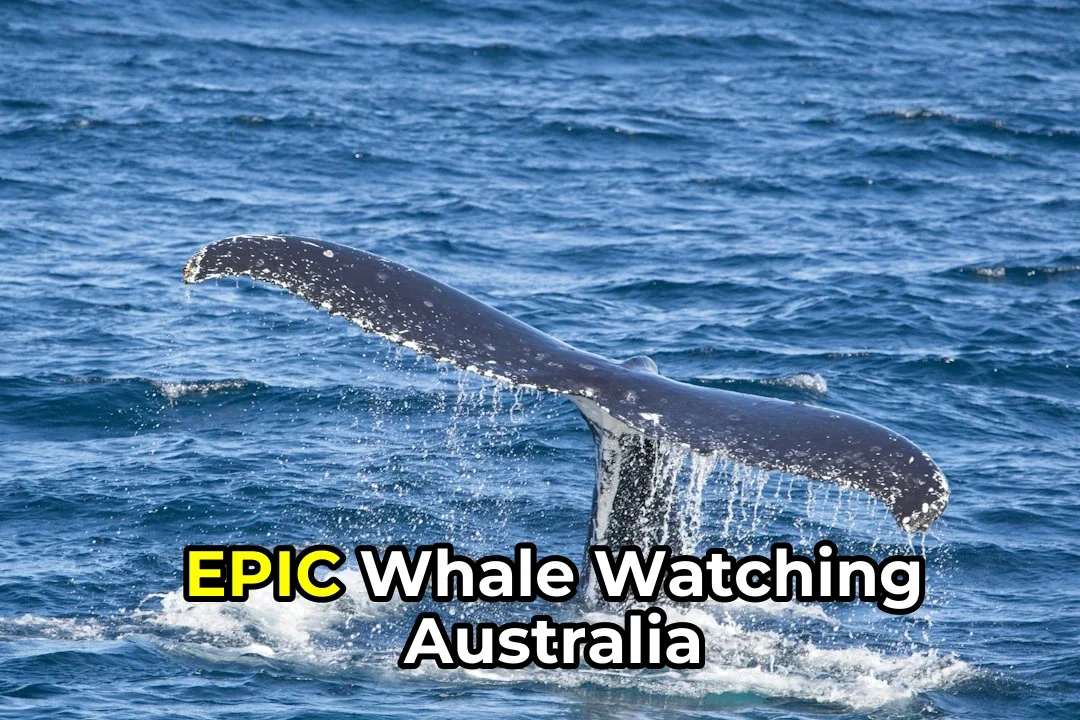
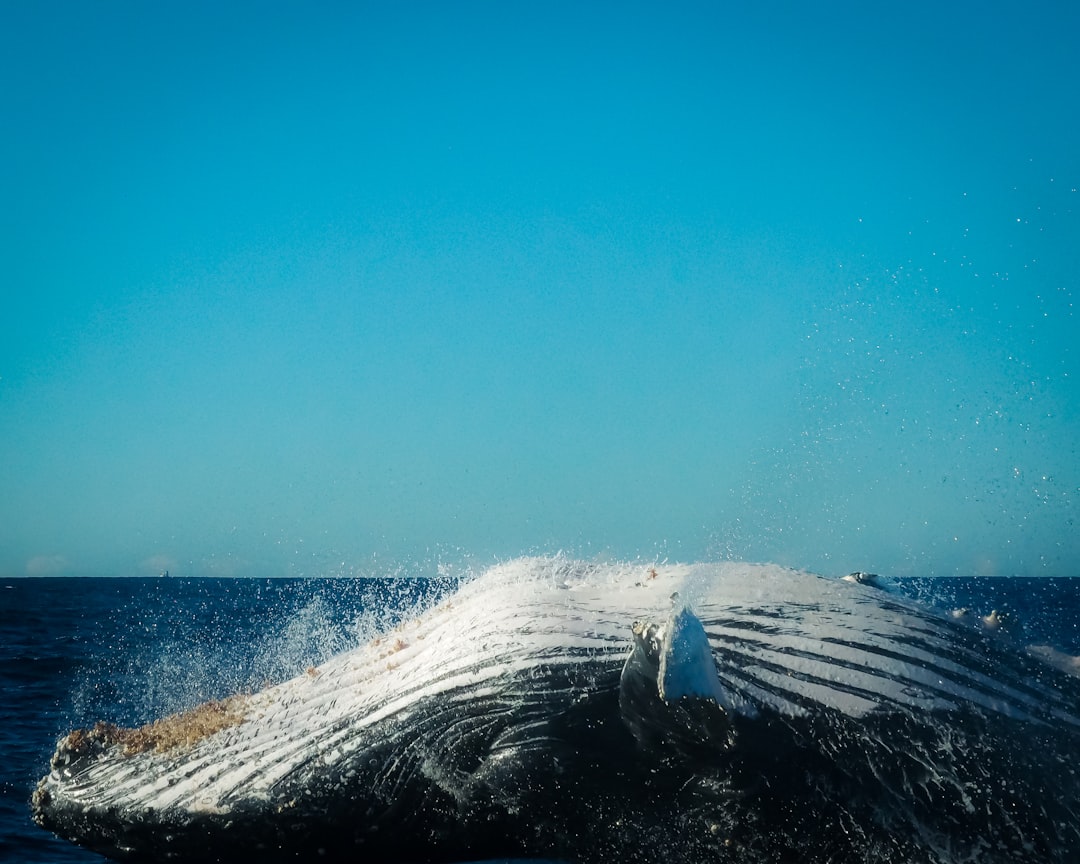
Salt spray clings to your face as the boat cuts through the swell, and then it happens—a humpback whale the size of a bus launches itself entirely clear of the water, hanging suspended for an impossible moment before crashing down with a thunderous splash that vibrates through your chest. The sudden hush that falls over everyone on board, the collective intake of breath, that primal recognition that something enormous and ancient shares this stretch of ocean—this is the essence of whale watching in Byron Bay. The crisp morning air mingles with diesel and anticipation as you scan the horizon, waiting for the next blow, the next breach, the next reminder that the world still holds moments that cannot be captured on a screen.
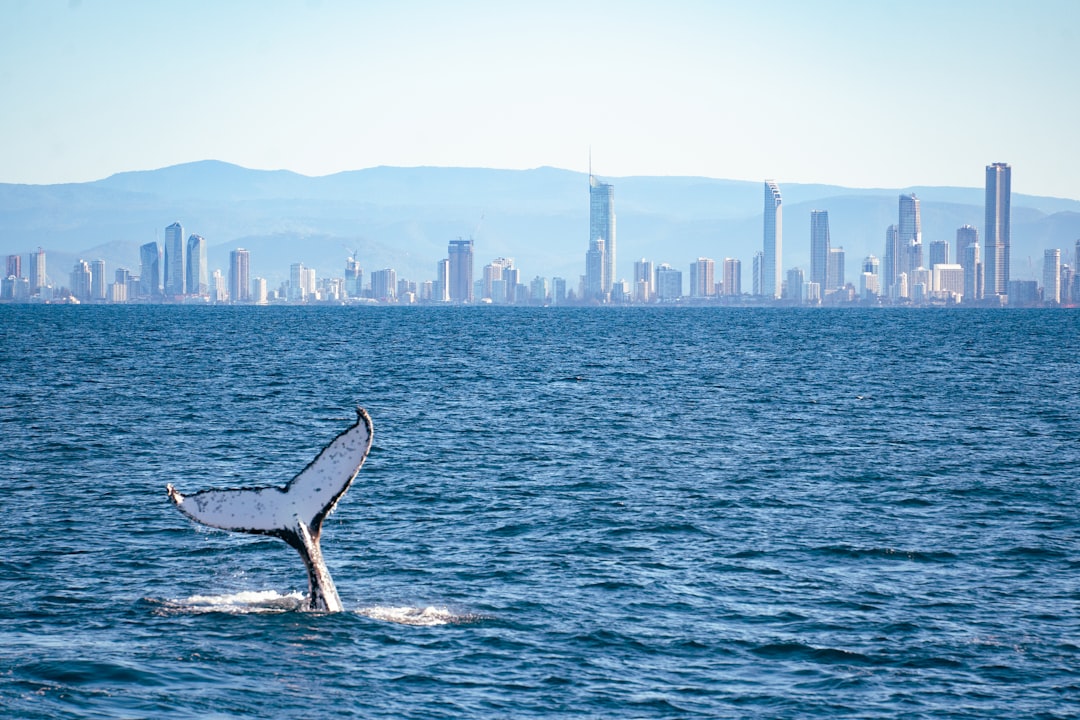
Byron Bay has earned its reputation as one of Australia’s premier whale watching destinations, and the reasons become apparent the moment you understand the geography. Cape Byron, jutting further east than any other point on the Australian mainland, places you directly in the path of the East Australian Current—a submerged highway that thousands of humpback whales follow during their annual migration. This proximity means whales often pass within metres of the headland, close enough to hear them breathe, making Byron Bay a standout among byron bay things to do for visitors seeking encounters with the ocean’s most charismatic giants.
The migration season runs from May through November, with the East Australian Current carrying an estimated 40,000 humpback whales past Byron Bay’s doorstep each year. This remarkable recovery from near-extinction—when commercial whaling reduced populations to fewer than 500 individuals in Australian waters—represents one of conservation’s greatest success stories. Today, these gentle giants return reliably, offering front-row seats to one of nature’s most spectacular journeys.
The Cape Byron Advantage
What distinguishes Byron Bay from other Australian whale watching locations is accessibility. The Cape Byron headland rises 94 metres above sea level, crowned by an iconic lighthouse that serves as a viewing platform rivalling any boat tour. From here, you can witness breaching, tail-slapping, and spy-hopping without getting wet, spending hours observing behaviour patterns that boat tours can only offer in brief glimpses. This makes whale watching accessible to everyone—families with young children, visitors with mobility constraints, and those prone to seasickness.
The Complete Watching Toolkit: From First-Timer to Expert
Level 1: First-Timer Foundations
Your first whale watching experience will likely differ from Instagram expectations, and understanding this upfront prevents disappointment. Whales are wild animals operating on their own schedules—they don’t perform on cue, and sometimes they simply swim past with barely a flick of their tails. The magic lies in the waiting, the scanning, the moment when a distant blow transforms into a close encounter.
For land-based watching, three locations offer consistently excellent vantage points:
- Cape Byron Lighthouse: The premier spot, with 360-degree ocean views and elevated positioning that reveals whales kilometres out. Arrive early morning when seas are calmer and whales more active near the surface.
- Wategos Beach: The sheltered northern side of Cape Byron offers closer encounters when whales cruise past the headland. Bring binoculars and patience.
- Broken Head Nature Reserve: South of Byron, this less-crowded alternative provides elevated viewing with the added bonus of coastal rainforest walks between scanning sessions.
The question of free versus paid experiences deserves honest consideration. Land-based watching costs nothing and can deliver extraordinary encounters—on good days, you’ll see everything boat passengers see. However, boats offer proximity and perspective impossible from shore. The ideal approach combines both: scout from the lighthouse, then decide whether a tour suits your budget and constitution.
Level 2: Boat Tour Navigation
Byron Bay operators offer two primary vessel types, each with distinct advantages and limitations:
Rigid Inflatable Boats (RIBs): These nimble vessels carry 12-24 passengers and reach whale pods quickly. The low seating places you at water level, creating intimate encounters but exposing everyone to spray and bumps. They’re fast, exciting, and genuinely adventurous—unsuitable for anyone with back problems, pregnancy, or mobility limitations.
Larger Cruisers: Carrying 40-60 passengers, these stable vessels offer covered decks, toilets, and smoother rides. You’re higher above the water, which can feel less intimate but often provides better overall visibility. The concession to comfort means slower response times when whales appear.
Morning versus afternoon tours present different experiences entirely. Mornings typically offer calmer seas—important for photography and those testing their sea legs. Whales seem more active in the gentle light of dawn, breaching more frequently. Afternoon light creates dramatic conditions for photography, but winds often pick up, making spotting conditions more challenging.
Level 3: Expert-Level Engagement
Understanding whale behaviour transforms passive observation into active appreciation. Each surface behaviour has meaning:
- Breaching: The spectacular full-body leap serves multiple purposes—communication across distances, parasite removal, and possibly pure play. When a whale breaches repeatedly, it’s often signalling to other pod members.
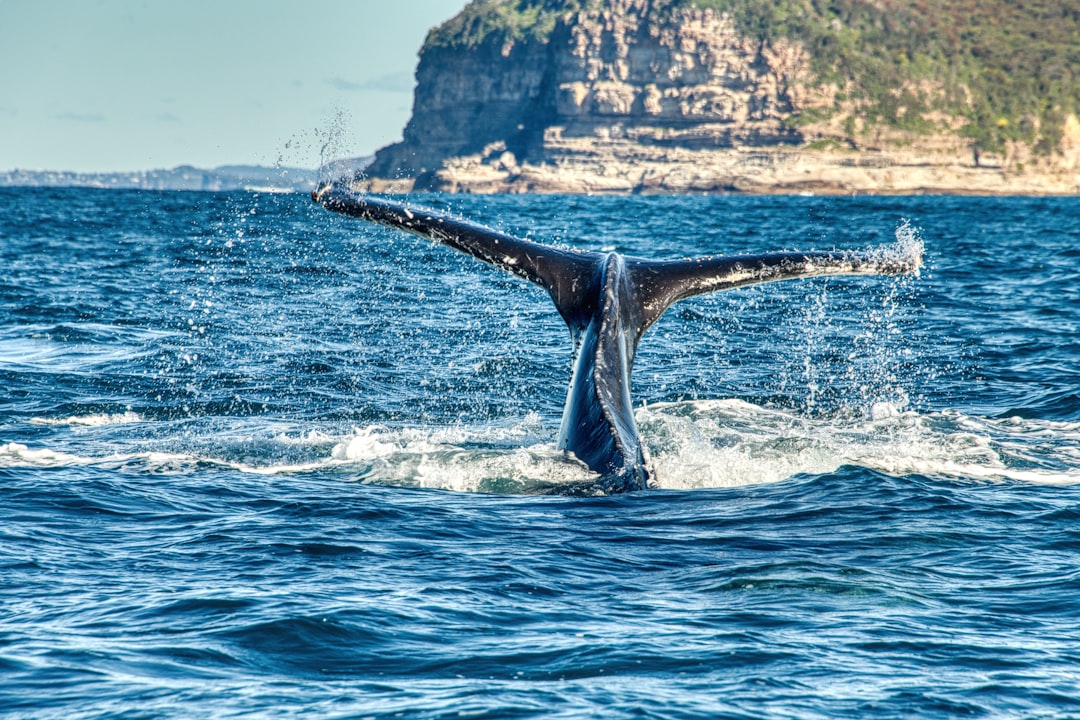
- Tail-slapping (lobtailing): Repeated slapping of the tail fluke against water creates sound that travels kilometres underwater. Common during southern migration when mothers teach calves communication.
- Spy-hopping: Rising vertically to expose the head and eyes above water. This isn’t showing off—whales are genuinely observing what’s happening above the surface.
- Pectoral slapping: Raising a massive fin and slapping it sideways, often during social interaction between whales.
Some Byron Bay operators now deploy hydrophones—underwater microphones—allowing passengers to hear whale vocalisations in real-time. Male humpbacks produce complex songs lasting up to 20 minutes, repeated for hours during breeding season. Hearing these haunting melodies while watching a whale breach creates multisensory memories impossible to replicate.
Photography at sea demands different techniques than land-based shooting. Increase your shutter speed to at least 1/1000th of a second to freeze breaching action. Disable continuous autofocus—whales against open water confuse most AF systems. Instead, pre-focus on the approximate distance and switch to manual. And always, always keep one eye on the whale rather than the viewfinder—the experience matters more than the image.
Level 4: Conservation-Conscious Watching
Responsible whale watching acknowledges that these encounters occur on whale terms, not ours. Australian regulations prohibit approach closer than 100 metres for vessels, 300 metres if a calf is present. These distances exist because disturbance affects feeding, resting, and nursing—behaviours essential to population recovery.
Choosing responsible operators matters because tourism dollars fund research and conservation. Several Byron Bay operators partner with Southern Cross University’s Whale Research Centre, contributing sighting data that advances scientific understanding. This is whale watching as citizen science—your tour directly contributes to whale protection.
The Migration Unfolded: A Month-by-Month Guide
Planning your visit around migration patterns dramatically improves sighting success. The humpback highway flows in two directions annually, each phase offering distinct experiences.
May–June: Northern Migration
The first whales appear in late autumn, adult males leading the charge toward tropical calving grounds in the Great Barrier Reef waters. These are lean, hungry animals focused on reaching breeding grounds—they travel fast and breach frequently, possibly establishing dominance or signalling presence to potential mates. This period rewards patient observers with dramatic displays from animals travelling with purpose.
July–August: Peak Activity
Mid-winter brings the greatest whale density past Byron Bay. Males compete for females through elaborate displays—competitive groups of multiple males trailing a single female create surface chaos visible from kilometres away. Breaching competitions, where males leap repeatedly, represent some of the most dramatic encounters possible. This is peak season for a reason.
September–October: Southern Migration with Calves
The southern migration offers something entirely different: mothers travelling with newborn calves. These pairs move slowly, the calf building strength for the journey south to Antarctic feeding grounds. Mothers are protective and calves curious—sometimes approaching boats while mother keeps a watchful distance. These encounters feel profoundly tender, witnessing the next generation learning the ancient route.
Calves breach constantly, not from communication needs but from exuberance and muscle development. Watching a calf attempt to copy its mother’s behaviour, succeeding clumsily, then trying again—these moments connect observers to whales as individuals, not just spectacular animals.
November: Season’s End
Late-season stragglers provide special encounters. These are often older, larger animals or mothers whose calves weren’t ready to travel earlier. November also brings the first sightings of dwarf minke whales and occasionally orcas following the humpback migration. The crowds have departed, weather remains pleasant, and the slower pace creates contemplative watching.
Beyond the Boats: The Complete Byron Bay Whale Weekend
Whale watching integrates naturally into a broader Byron Bay itinerary, creating memorable weekends that combine wildlife encounters with the region’s distinctive culture. Here’s how to structure a perfect whale watching weekend.
Saturday: The Full Immersion
Dawn: Begin at Cape Byron Lighthouse for the sunrise watch. Arrive by 6am during peak season—the carpark fills quickly, and the best viewing spots go early. Bring warm layers even in summer; the headland catches every breeze. Scan the horizon for blows—tall, bushy plumes that hang in still air. When you spot activity, note the direction and wait. Whales often surface multiple times in sequence.
Mid-Morning: After the lighthouse session, descend to Byron Bay markets (Saturdays at the Butler Street Reserve, though the famed Byron Bay Markets run on the first Sunday of each month). Here you’ll find local artisans, fresh produce, and the distinctive Byron vibe that draws visitors worldwide. The Farmers Markets on Thursday mornings offer exceptional local produce if your timing aligns.
Afternoon: Book an afternoon boat tour when morning lighthouse watching confirms whale presence and activity levels. Alternatively, rent a kayak from Wategos Beach—dolphins often accompany kayakers, and whale sightings from water level create unforgettable perspectives. Several operators offer guided kayak tours with whale watching components.
Evening: Beachside dining at Wategos or The Pass offers sunset views and potential whale spotting between courses. The Beach Hotel serves classic Australian pub fare with ocean views, while more upscale options like Raes on Wategos provide special-occasion dining.
Sunday: Culture and Conservation
If your visit falls on the first Sunday of the month, the main Byron Bay Markets operate from 8am to 3pm. This is among the region’s largest markets, featuring over 300 stalls spanning crafts, clothing, food, and music. Arrive early—the experience transforms as crowds build through mid-morning.
For byron bay things to do adults seeking cultural depth, the Arakwal National Park offers guided walks led by traditional owners who share the Bundjalung people’s whale dreaming stories. The Cape Byron Marine Park encompasses the waters you’ve been watching, and understanding Indigenous connections to this Country enriches every whale encounter. The stories of Nguthungulli, the father of the world who rests in the caves off Julian Rocks, transform whales from tourist attractions into sacred visitors following ancient paths.
Afternoon options include the coastal walk from Wategos to Tallow Beach, passing through littoral rainforest with elevated ocean views—the perfect final opportunity for land-based whale spotting. The walk takes roughly 90 minutes at a leisurely pace, concluding at Suffolk Park where cafes await.
The Answers to Questions You Haven’t Asked Yet
“What if we don’t see any whales?”
The honest answer: it happens. Even during peak season, weather and whale distribution create variability. Reputable operators offer rebooking or “whale guarantee” vouchers allowing free return trips. Read the fine print—some guarantees require multiple attempted returns, while others expire after the season ends. Realistic expectations help: during peak season, sighting rates exceed 95% for boat tours, but land-based watching from the lighthouse produces roughly 80% success rates for visitors spending two or more hours actively scanning.
“Can I swim with them?”
In Australian waters, swimming with humpback whales is prohibited—the regulations are clear and penalties substantial. However, Dwarf Minke whale swimming encounters operate legally in Queensland waters during June-July, though these require travelling north from Byron Bay. If any operator promises humpback swimming experiences, they’re either operating outside the law or misrepresenting what they offer. The ethical stance is clear: observe without interference, letting whales control the encounter distance.
“Is it worth it with young children?”
Age-appropriate expectations matter enormously. Children under five rarely have the patience for land-based watching and the unpredictability of boat tours can overwhelm them. Ages 5-10 often embrace the adventure, particularly if you’ve prepared them with whale videos and behaviour guides beforehand. Boat tours typically set minimum ages (often 5-8 years depending on vessel type). The lighthouse approach works brilliantly for families—children can move around, you can leave whenever patience expires, and the cost is simply your time.
“Why do some operators guarantee sightings and others don’t?”
Sighting guarantees typically work as rebooking promises rather than refunds—the operator commits to taking you again until you see whales. Operators who don’t offer guarantees aren’t necessarily less confident; many believe guarantees create pressure to approach whales too closely or stay out too long in deteriorating conditions. Ask operators directly about their philosophy. The best answers acknowledge nature’s unpredictability while expressing genuine confidence built on years of experience.
The Conservation Forward-Look
Every whale watching experience in Byron Bay connects to a larger story—the remarkable recovery of humpback whales from the brink of extinction. When commercial whaling ended in Australian waters in 1978, eastern Australian humpback populations numbered perhaps 150 individuals. Today, more than 40,000 whales migrate past Byron Bay annually, a population growing at roughly 10% per year.
This recovery exists partly because people learned to value whales alive rather than rendered into oil and baleen. Whale watching tourism—responsible, conservation-conscious tourism—created economic incentives for protection. Your tour fees support research, your interest sustains political will for marine protected areas, your photographs become identification data in citizen science projects.
The annual Byron Bay Whale Festival, held each June, celebrates this connection between tourism and conservation. The festival combines art, music, Indigenous culture, and marine science in a weekend of events spanning from the lighthouse to the town centre. It’s an opportunity to meet researchers from Southern Cross University, learn about whale adoption programs, and understand how individual whales are tracked through distinctive tail fluke patterns—each as unique as a fingerprint.
Key Takeaways
- Byron Bay’s position on Australia’s easternmost point places you directly on the humpback highway, offering world-class whale watching from both land and sea
- The migration season spans May through November, with peak activity July-August and tender mother-calf encounters September-October
- Land-based watching from Cape Byron Lighthouse costs nothing and can rival boat experiences—ideal for families and those with motion sensitivity
- Boat tours offer intimacy and perspective impossible from shore; choose vessel type based on your physical comfort and adventure tolerance
- Responsible operators prioritise whale welfare over proximity; ask about approach distances and conservation partnerships when booking
- Integrate whale watching with Byron Bay’s markets, coastal walks, and Indigenous cultural experiences for a complete weekend
When that first blow rises on the horizon—a tall, bushy plume catching morning light—you’ll understand why people return to Byron Bay every winter. Not just to see whales, but to remember that the world still holds moments that can’t be captured on a screen. The humpbacks will keep coming, following their ancient path along the coast their ancestors swam long before humans stood on headlands with binoculars. Our privilege is simply to witness their passage, respecting that these waters belong first to the whales.
Frequently Asked Questions
What makes Byron Bay such a special location for whale watching in Australia?
Byron Bay is one of Australia’s premier whale watching destinations because Cape Byron juts further east than any other point on the Australian mainland, placing you directly in the path of the East Australian Current. This submerged highway sees an estimated 40,000 humpback whales pass during migration season. Whales often pass within metres of the headland, and you can watch from the Cape Byron Lighthouse—which sits 94 metres above sea level—without even getting on a boat.
When is the best time to go whale watching in Byron Bay?
The whale migration season runs from May through November. July to August brings peak activity with the greatest whale density and dramatic male competitions. September to October offers tender encounters with mothers and newborn calves travelling south. For daily timing, arrive at the lighthouse by 6am during peak season—mornings typically offer calmer seas and whales tend to be more active near the surface. Afternoon light creates dramatic photography conditions but winds often pick up.
How much does whale watching cost and what are the options?
Land-based whale watching from Cape Byron Lighthouse, Wategos Beach, or Broken Head Nature Reserve costs nothing and can deliver extraordinary encounters. Boat tours offer closer proximity, with two main options: Rigid Inflatable Boats (RIBs) carrying 12-24 passengers provide intimate water-level encounters, while larger cruisers with 40-60 passengers offer covered decks, toilets, and smoother rides. During peak season, boat tour sighting rates exceed 95%, while land-based watching produces roughly 80% success rates for visitors spending two or more hours scanning.
How can I choose a responsible whale watching tour operator?
Australian regulations prohibit vessels approaching closer than 100 metres to whales, or 300 metres if a calf is present. Ask potential tour companies about their approach distances, whether they’ve signed the Australian Whale Watching Operators Code of Conduct, and how they respond when whales approach voluntarily. Several Byron Bay operators partner with Southern Cross University’s Whale Research Centre, contributing sighting data that advances scientific understanding. Avoid operators who guarantee close encounters—they may be prioritising marketing over ethics.
What whale watching options work best for families with young children?
The lighthouse approach works brilliantly for families—children can move around, you can leave whenever patience expires, and it costs nothing. Children under five rarely have the patience for land-based watching or the unpredictability of boat tours. Ages 5-10 often embrace the adventure, particularly with preparation beforehand. Boat tours typically set minimum ages of 5-8 years depending on vessel type. Rigid Inflatable Boats are unsuitable for anyone with back problems, pregnancy, or mobility limitations—larger cruisers offer a more family-friendly stable option.



Be the First to Comment
Sign in to start the conversation.