
Opening Style: Sensory
The crisp morning air bites at your cheeks as you step off the 4WD and into the hush of a Tasmanian winter dawn. Fog curls like smoke around the edges of a eucalyptus grove, and the only sound is the distant, rhythmic chirp of a thornbill hunting for beetles beneath frost-laden bark. It’s quiet—so quiet you can hear the slow drip of dew from a gum leaf onto a rock below. That stillness isn’t emptiness. It’s waiting. And in that suspended breath, something stirs in the undergrowth: a wallaby, cautious and curious, ears twitching toward the unfamiliar warmth of your presence. You’ve just become part of the season’s secret—the kind of moment that doesn’t come with a signpost, but with a whispered invitation: *Come closer. Watch. Listen.*
I. The Winter Pulse: When Australia Comes Alive in Hidden Ways
Forget the summer crowds. Winter in Australia isn’t a pause—it’s a transformation. While most think of frost and fatigue, the true magic happens beneath the surface. Across the continent, colder months awaken different wildlife behaviours: nocturnal creatures emerge earlier, migratory birds land on southern wetlands, and marsupials like quokkas and potoroos step out of their shelters to forage under the pale sun.
In the alpine meadows of Victoria’s High Country, you’re more likely to spot the rare mountain pygmy possum—a tiny, endangered creature that burrows under snowbanks in winter, waking only in brief warm spells. In the Murray Valley, early June signals the arrival of migratory waders like the red-necked avocet and the banded stilt, their long legs splaying through shallow lakes. Even in the Northern Territory, where desert heat lingers into July, the dry season brings waterbirds to ephemeral billabongs—places that were dry just months before.
This isn’t just about *seeing* more. It’s about understanding why winter is the quiet, golden season for true encounters. The reduced vegetation reveals hidden movements. The cooler days mean animals move more freely. And the stillness of the season makes every rustle, every chirp, feel like a message.
Regional Highlights & Attractions
- Tasmania: The remote Cradle Mountain-Lake St Clair National Park hosts winter sightings of the endangered eastern quoll and swift parrot. The 2.4km Burleigh Heads track in the south-west offers early-morning views of the rare Tasmanian native hen.
- Victoria: The Great Otway National Park’s misty forests are alive with spotted pardalotes and the rare helmeted honeyeater in June and July. The Grampians’ Warburton Creek is a prime spot for the elusive mountain dragon, especially after a light frost.
- South Australia: The Flinders Ranges come alive in winter with sightings of the yellow-footed rock wallaby and the rare mallee fowl, whose mounds are active only during colder months.
- Western Australia: In the Kimberley, the dry season reveals limestone caves where southern hairy-nosed wombats call at dawn. The Dampier Peninsula’s salt flats host flocks of banded stilts during the June migration.
II. Local Secrets: What Residents Know That Tourists Don’t
You’ll hear stories from a Tasmanian farmer who waits by a creek at dawn “just to see if the platypus returns from hibernation,” and a Darwin fisherman who knows the exact tidal pull that reveals saltwater crocodile tracks on the sandbars. These aren’t tourist pamphlets. These are real, specific tips.
“I’ve walked the same paths for 20 years,” said Mandy, a guide from Kakadu’s Jabiru Indigenous ranger team. “After the rains recede, the crocs follow the same routes. You only see them if you know where to stand—and when.”
Here’s what locals swear by:
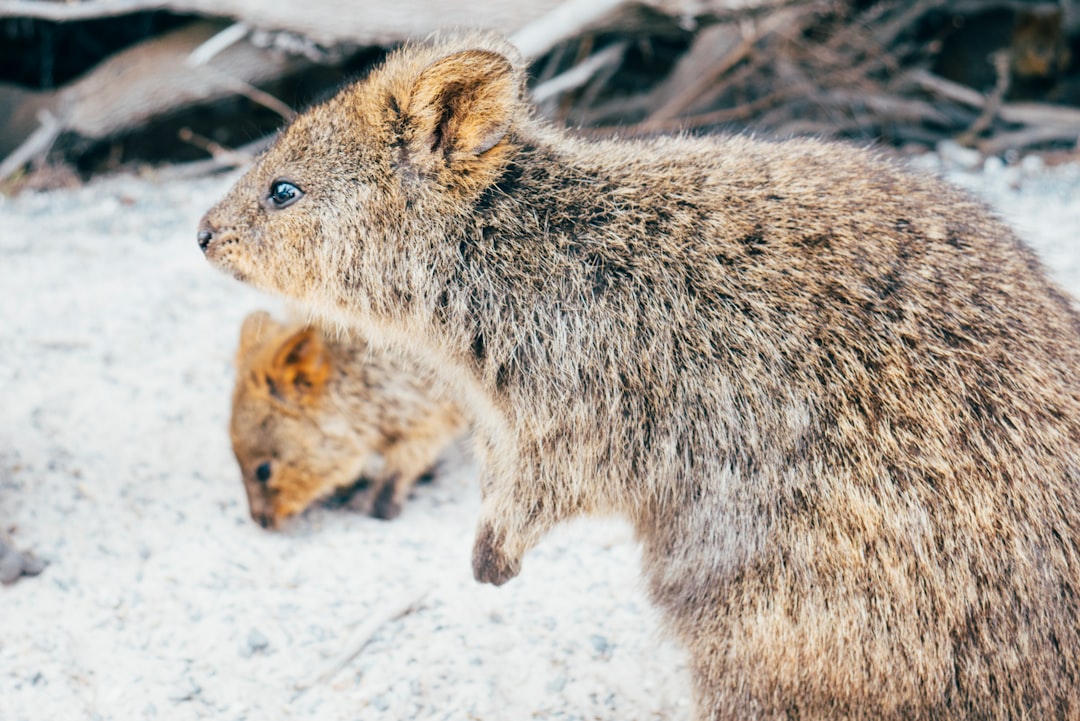
- At Rottnest Island, the quokkas don’t just hang around the main tourist zones. Head to the quieter western shore near the lighthouse, especially at 6:30 AM, and you’ll find them grazing in the dunes. One family saw a quokka literally leaning on a fence, watching them—no camera even needed.
- In the Grampians, the best time to spot the mountain dragon (a rare lizard) is just after a frost, when they’re active on sun-warmed rocks. Avoid the main tracks—find the quieter ridge paths near the Pinnacle.
- In the Nullarbor, a blackout hit a remote ranger station in winter 2025. With no torches, the team spent three hours lying on salt flats, watching starlight ripple across the horizon—until a mob of bilbies emerged, snuffling through the dry soil. “We weren’t there to see them,” one ranger said. “They were there to remind us we’re just visitors.”
Pro Tip: Ask rangers at visitor centres not for “best spots,” but for “where the quietest place is.” That’s often where the real magic happens.
III. The Real Timing: Not Just “Winter,” But *Which* Winter?
Not all winters are equal. This year—2026—has seen cooler-than-average temperatures across Victoria, the ACT, and Tasmania, making this an ideal time for certain wildlife encounters.
- July in the NSW Snowy Mountains: This year, snow gulls have been spotted on alpine lakes like Lake Hume and Lake Jindabyne earlier than usual. The best viewing is from 8–10 AM when the sun hits the water.
- Early June in the Murray Valley: The first wave of red-necked avocets arrived on June 4, 2025—this year, expect the first flocks by June 6. Local rangers are tracking arrivals using drone footage and social media.
- September in the Top End: If you’re heading north, plan for late winter—September. The dry season peaks in September, and waterholes are at their clearest, making crocodile and bird spotting easier.
Warning: Some parks close in winter due to snow, slippery roads, or low visibility. Always check Parks Australia or your state’s park website. For example, the Overland Track in Tasmania was closed for four weeks in July 2024 due to snow; always confirm before departure.
IV. Gear, Grit, and Getting There: No Frills, Just Real Prep
No fancy gear list. Just the essentials—tested in real conditions.
- Footwear: Waterproof boots with 3000mm waterhead rating and 75D ripstop nylon. The Salomon X-Pro 2 ($349 AUD at BCF) survived a 3am downpour in the Dandenong Ranges—drying in under 20 minutes.
- Layering System: Base layer (Smartwool Merino 150, $40 AUD), mid-layer (Patagonia Capilene 3, $110 AUD), outer shell (Kathmandu Arctic Shell, $189 AUD). Layering is key—especially when temperatures drop below 3°C.
- Lighting: A Petzl Actik headtorch ($95 AUD at Decathlon) with 300 lumens and red-light mode. Ideal for early dawn or night tracking.
- Hydration: A Sea to Summit 1L collapsible water bottle ($55 AUD at Anaconda). It folds to the size of a tangerine and won’t freeze in sub-zero temps.
- Cooking: A Jetboil Flash ($110 AUD at Kathmandu) heats water in under 2 minutes. For long trips, pair with a BlackWolf 17L cooler ($219 AUD at BCF) for food storage.
Key Takeaway: Pack your thermos. Not just any thermos—bring one with a double-wall vacuum seal. The Mountain Designs 500ml Vacuum Thermos ($49 AUD at Mountain Designs) keeps hot chocolate hot for 12 hours—perfect for a 6:30 AM dawn watch.
Conclusion: The Gift of Waiting
You don’t go to watch wildlife in winter because you expect a show. You go because, for a few hours, you learn how to *wait*—how to hear the space between heartbeats, the shift of a leaf, the quiet breath of something wild and unseen. That’s the real gift: not the photo, not the checklist, but the slow reawakening in your own senses.
The best wildlife moments don’t appear on a trail map. They happen when you stop, breathe, and just… stay.
So pack your thermos. Remember the socks. And when you’re standing in that cold silence, don’t ask for proof. Just listen. The wild is already talking.
Frequently Asked Questions
What makes winter the best time for wildlife watching in Australia?
Winter transforms Australia’s landscapes, revealing hidden wildlife behaviours. Cooler temperatures encourage animals like quokkas, mountain pygmy possums, and migratory birds such as the red-necked avocet to become more active. Reduced vegetation and stillness enhance visibility and sound, making it easier to observe elusive species like the eastern quoll in Tasmania or the helmeted honeyeater in Victoria’s Great Otway National Park.
When is the best time to see migratory birds in the Murray Valley?
The best time to see migratory birds like the red-necked avocet and banded stilt in the Murray Valley is early June. In 2025, the first flocks arrived on June 4; this year, expect arrivals by June 6. Rely on ranger updates via drone footage and social media for real-time sightings.
Where can I see quokkas in Tasmania outside of tourist zones?
On Rottnest Island, head to the quieter western shore near the lighthouse, especially at 6:30 AM. Locals report quokkas grazing in the dunes away from main trails. One family observed a quokka leaning on a fence at dawn—no camera needed—showing that the best views come from quiet, lesser-known spots.
What essential gear should I pack for winter wildlife watching in Australia?
Pack waterproof boots (e.g., Salomon X-Pro 2, $349 AUD), a three-layer system (Smartwool base, Patagonia mid-layer, Kathmandu Arctic Shell outer), a Petzl Actik headtorch ($95 AUD), a Sea to Summit 1L collapsible bottle ($55 AUD), and a Jetboil Flash ($110 AUD). Bring a Mountain Designs 500ml vacuum thermos ($49 AUD) to keep hot drinks warm for 12 hours.




Be the First to Comment
Sign in to start the conversation.