
Ever stood on a sun-baked ridge in the Flinders Ranges, wind whipping through your hair, and wondered if the dusty trail beneath your wheels was the only thing holding you to the real world?
The Trail Doesn’t Lie – Where the Ranges Whisper Their Secrets
The Flinders Ranges aren’t just a backdrop—they’re a living, breathing storybook written in ironstone, spinifex, and silence. For mountain bikers, the true magic lies not just in the climbs, but in the way the land shifts beneath your wheels. The inner circle of Wilpena Pound, a 50km loop that traces the ancient rim, is a pilgrimage for seasoned riders. But don’t rush it—take the 1.2km loop from the summit to the Kanyaka lookout: it’s the first place you’ll hear the wind breathe through the canyon walls.
Just beyond, near Parachilna Gorge, lies a lesser-known gem: the old gold tramway track, now a rugged 8km stretch through ironbark forest. In early autumn, the eucalyptus sap glimmers with a golden sheen, and the track’s gravel crunches under tires like crushed quartz. At dusk, the shadows stretch into deep canyons, and the air turns so still you can hear your own heartbeat syncing with the wind gusts.
And if you’re lucky—or persistent—you might stumble upon the hidden rock art near the old Mount Woods mine. Last season, a group from Adelaide found a series of ochre markings depicting kangaroos and ancestral figures, half-buried under scrub.
“This place remembers your footprints,”
said an elder from the local Anangu community. “Don’t erase them.” That rider now volunteers with the regional heritage trail project—and his bike now carries a small red feather from the site.
Prime Routes & Seasonal Conditions
- Wilpena Pound Inner Loop (50km): Best in May–July. Track is dry but not blistering. Water sources at the base of the Pound refill in winter months.
- Parachilna Gorge Track (8km): Ideal in September–October. Wildflowers bloom in reds and yellows, turning the dust into a living carpet.
- Blakely’s Hill to Beltana (22km): Rideable year-round, but avoid mid-summer. Ideal for families with kids—gentler gradients, open views.
The Locals Know the Dirt – Stories from Men in Dusty Hats and Women with Maps
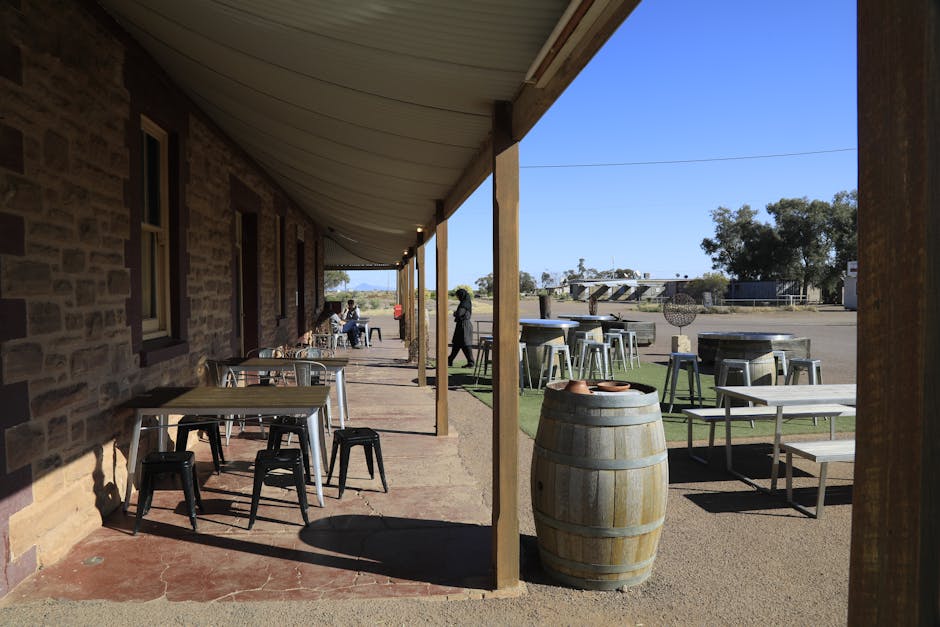
You won’t find the real secrets in a blog post. You’ll find them in the creaky wooden chairs at the Parachilna Pub, where the bartender—23 years in the same job—keeps a sun-bleached hand-drawn map under the bar. “This one’s not on Google Maps,” he says, tapping a red X near an old mining trail. “People think it’s closed. But it’s just been forgotten. Ride it in spring. The wildflowers come up like a red carpet through the dust.”
Then there’s Margo, a retired schoolteacher from Blinman who still rides the old gold tramway route with her granddaughter every Saturday. “I’ve done it 327 times,” she says, laughing. “But every time, I see something I missed.” Her advice? “Never ride without a second set of handlebar grips. The heat makes them soften—then they slip. I learned that the hard way in 2019.”
At Beltana, ex-ranger Tom runs a tiny bike repair shack out of a converted shed. “We don’t have phone service,” he says bluntly. “So yes, you *can* ride the full Wilpena loop. But if your tire blows and the sun’s beating down? You’re waiting for someone who *might* come by—maybe tomorrow. That’s the Outback. No backup. No second chances. Pack light, but pack wisely.”
“The land doesn’t care if you’re a beginner or a pro. It only cares if you respect it.”
– Tom, Beltana Bike Shack, 2025
Local Wisdom: What They Won’t Tell You on the Map
- Water sources near Wilpena Pound are seasonal—check the Flinders Ranges Conservation Parks website *before* you go.
- Don’t park your bike unattended near salt lakes. Even during the day, dingo packs patrol the edges.
- At night, the temperature drops fast. Wear a base layer—even in early autumn.
Timing Is Everything – When the Outback Breathes
The Flinders Ranges don’t follow a calendar—they follow the weather.
- Early Autumn (April–June): The “golden hush.” Temperatures hover around 15–25°C. The land dries after winter rains, and the trails are firm. Perfect for beginners and families. The Flinders Ranges Festival runs in late May—local markets, music, and guided rides.
- Mid-Winter (June–August): Crisp mornings and white snow caps on the higher peaks. Tracks remain dry—no mud, no sludge. But nights drop to -5°C. Use a sleeping bag rated to -10°C.
- Summer (November–February): The desert breathes fire. Temperatures reach 45°C+ during the day. Only ride before 7am or after 5pm. In January 2025, a rider suffered heat exhaustion near Nepabunna after starting at 10am. Don’t be that person.
“When the kangaroos move, the land moves with them. Listen when they start walking—rain’s coming. Ride then.”
– Elder from the Maralinga Tjaru community, 2024
Your Ride Starts at the Gear Shed – Real Talk on What to Pack (and What to Leave)
Let’s talk gear—not the flashy, Instagram-ready stuff, but the kind that *actually* works.
Packing Checklist (Real World Tested – April 2026)
- Hydration: 5 litres of water (use a HydraPak 4L with a filter — $79 at Decathlon)
- Filter: LifeStraw Go ($49 at BCF) — better than most UV purifiers in sand-heavy areas.
- Shelter: BlackWolf Outback 2 ($399 at BCF), or a 23Zero swag ($349 at Anaconda)
- Warmth: Mountain Designs DownLite 300 sleeping bag (rated -10°C, $345 at Snowys Outdoors)
- Light: Petzl Actik Core headtorch ($89 at Decathlon) — 200 lumens, 12-hour battery
- Food: Dehydrated meals (check Backpacker’s Pantry at BCF) — 3 days’ worth, no fridge needed
“I packed my ‘ultra-light’ tent—it collapsed the first night. It wasn’t my fault. It just wasn’t built for 60km rides on gravel.”
– Ben, Adelaide, 2025
Key Takeaways
- The Flinders Ranges aren’t just a destination—they’re a teacher. Ride with respect, not conquest.
- Timing your ride to early autumn or winter drastically improves safety and comfort.
- Local wisdom beats GPS every time. Talk to people at the Parachilna Pub or Beltana Shack.
- Always carry two pumps, a full water filter, and a backup power source—regardless of how “light” you’re trying to be.
- Respect cultural sites. Leave no trace, and carry a red feather as a silent promise.
So you’ve packed your bag, checked the map, and rolled out of town with one eye on the ridge and the other on the sky. You didn’t just ride a trail—you learned its language. The crunch of gravel. The way a wind gust tugs your handlebars in the same rhythm as a heartbeat. You didn’t just visit the Flinders—it changed the way you look at the land. And maybe, just maybe, you left a little of yourself behind in the dust.
Because here, you don’t conquer the Outback.
You learn to listen to it.
And sometimes, it says more than any guidebook ever could.
Frequently Asked Questions
What are the best times of year to ride mountain bikes in the Flinders Ranges?
The best times are early autumn (April–June) and mid-winter (June–August). During April–June, temperatures are mild (15–25°C), trails are dry and firm, and the Flinders Ranges Festival offers guided rides and markets. Winter offers dry tracks with crisp mornings and snow on higher peaks, though nights drop to -5°C. Avoid summer (November–February) due to extreme heat, which can exceed 45°C, and only ride before 7am or after 5pm.
Which mountain biking routes in the Flinders Ranges are ideal for beginners and families?
The Blakely’s Hill to Beltana route (22km) is ideal for families and beginners, featuring gentle gradients and open views. It’s rideable year-round, though mid-summer should be avoided. The 1.2km loop from the Wilpena Pound summit to the Kanyaka lookout offers a shorter, scenic introduction to the area, while also allowing riders to experience the canyon’s natural acoustics and wind patterns.
What essential gear should I pack for a mountain biking trip in the Flinders Ranges?
Pack 5 litres of water in a HydraPak 4L with a LifeStraw Go filter ($49), a portable power station like the Jackery Explorer 500 ($549), and a shelter such as the BlackWolf Outback 2 ($399) or a 23Zero swag ($349). Include a sleeping bag rated to -10°C (e.g., Mountain Designs DownLite 300, $345), a Petzl Actik Core headtorch ($89), dehydrated meals, and two pumps. Always carry a backup power source and water filter regardless of trip length.
How can I access local knowledge and find hidden trails in the Flinders Ranges?
Visit the Parachilna Pub, where the bartender keeps a sun-bleached hand-drawn map under the bar, including forgotten mining trails. At Beltana, Tom runs a bike repair shack in a converted shed and provides vital real-time advice—warning that mobile service is unavailable. Locals from the Anangu and Maralinga Tjaru communities share insights through cultural wisdom, such as reading kangaroo movement to predict weather. Talking to people on the ground is more reliable than GPS.
![Top 12 Gear for Nature Walks | Been using the [gear] for [6 months] – here’s my honest take!](https://img.youtube.com/vi/fepGmn4fBig/maxresdefault.jpg)
Be the First to Comment
Sign in to start the conversation.