
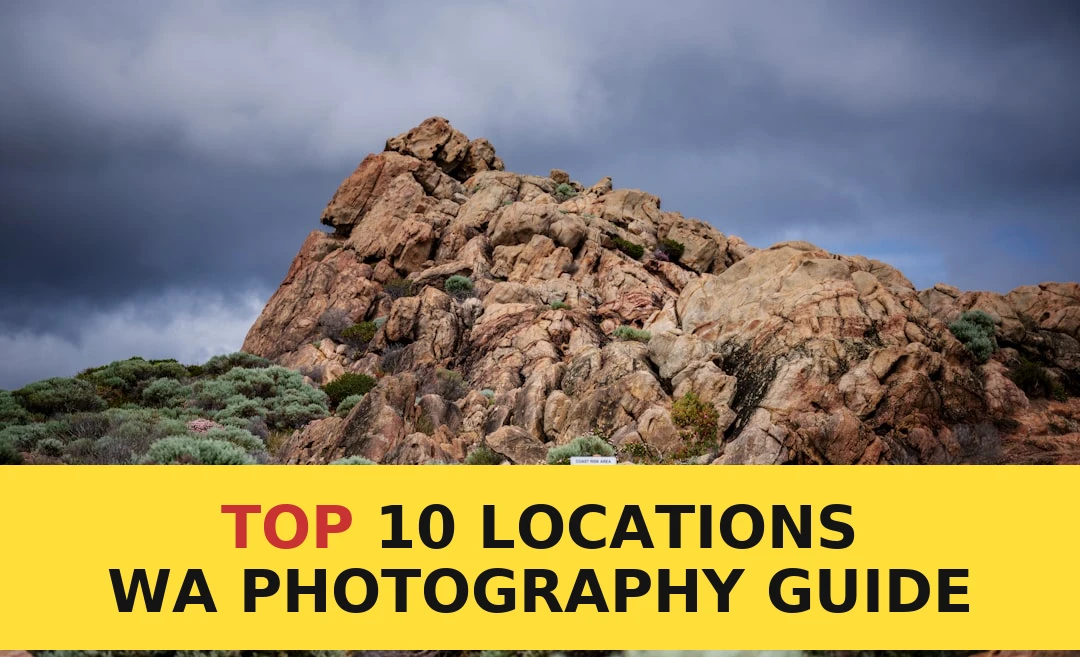
Ever scrolled through social media and wondered how photographers capture those jaw-dropping WA landscapes that look almost unreal? What if I told you that within a few hours’ drive of Perth, you could create images that would make your followers think you’ve been secretly traveling the globe? Western Australia offers a breathtaking tapestry of photographic opportunities, from rugged coastlines and ancient gorges to pristine beaches and dramatic rock formations. This guide reveals the hidden gems and iconic spots that will transform your photography portfolio and ignite your passion for exploring the incredible landscapes surrounding Perth.
The Hidden Lens: Discovering WA’s Photographic Secrets
When most people think of WA photography, they imagine the well-trotted paths to popular landmarks. But true photographic magic happens when you venture beyond the obvious and discover locations that tell a different story. Western Australia’s diverse geography means you can capture everything from coastal vistas to desert landscapes, all within a day’s journey from Perth. The key is learning to see differently—finding unique angles, unexpected compositions, and moments when light transforms familiar scenes into something extraordinary.
Western Australia’s unique position offers photographers the chance to capture some of the most diverse landscapes in the country. From the turquoise waters of the coast to the red earth of the outback, each location presents its own character and photographic challenges. The state’s relatively low population density means you’ll often have these stunning views all to yourself, especially if you’re willing to explore beyond the main tourist trails.
Approaching Each Location with Fresh Eyes
Photography in WA isn’t just about pointing your camera at the prettiest view—it’s about understanding the story each landscape wants to tell. Before heading out, take time to research the location’s history, geology, and cultural significance. This background knowledge will help you capture images with depth and meaning, rather than just pretty postcards.
“The best photographs happen when you connect with the landscape on a deeper level. Spend time getting to know the place, and it will reward you with moments of magic that no guidebook could predict.” – Local WA photographer
Seasonal Shutter: Timing Your WA Photography Adventure
Western Australia’s distinct seasons create dramatically different photographic opportunities throughout the year. Understanding these seasonal patterns can mean the difference between good shots and truly breathtaking ones. The state’s vast size means different regions experience optimal conditions at various times, making timing crucial for your photography adventure.
Best Months for Each Location
- Cape Naturaliste and Cape Leeuwin: September to November for wildflowers and migrating whales
- The Pinnacles Desert: August to October for cooler temperatures and softer light
- Kalbarri National Park: May to September for wildflowers and comfortable hiking conditions
- The Valley of the Giants: December to February for dappled light through the canopy
- Rottnest Island: March to May for perfect water clarity and fewer crowds
Weather Patterns and Photographic Opportunities
WA’s weather can be both a photographer’s best friend and greatest challenge. The state experiences some of the most dramatic lighting conditions in Australia, particularly during storm season when moody skies create dramatic backdrops for landscapes. Winter rains bring waterfalls to life, while summer’s harsh light can be tamed by shooting during the golden hours of dawn and dusk.
Lens & Journey: Practical Photography Tips for WA
Preparing for a photography expedition in WA requires careful consideration of both equipment and technique. The state’s diverse environments—from coastal cliffs to desert dunes—present unique challenges that demand the right gear and knowledge. Whether you’re a beginner with a smartphone or a professional with a full DSLR setup, these practical tips will help you capture the essence of Western Australia’s landscapes.
Equipment Recommendations
For WA photography, versatility is key. A good starting point includes:
- A sturdy tripod for those long exposures at sunrise and sunset
- A polarizing filter to enhance the already vibrant WA skies and reduce glare on water surfaces
- A wide-angle lens for capturing expansive landscapes and seascapes
- A telephoto lens for compressing distances and isolating details in the vast WA scenery
- A dust-proof camera body and lenses—Western Australia’s red dust can be unforgiving on equipment
Technical Settings for WA Landscapes
While every scene requires different settings, these general guidelines work well for most WA photography:
- Use aperture priority mode (A/Av) with an aperture of f/8 to f/11 for maximum sharpness throughout the scene
- Set ISO to the lowest possible setting (100 or 200) to minimize noise
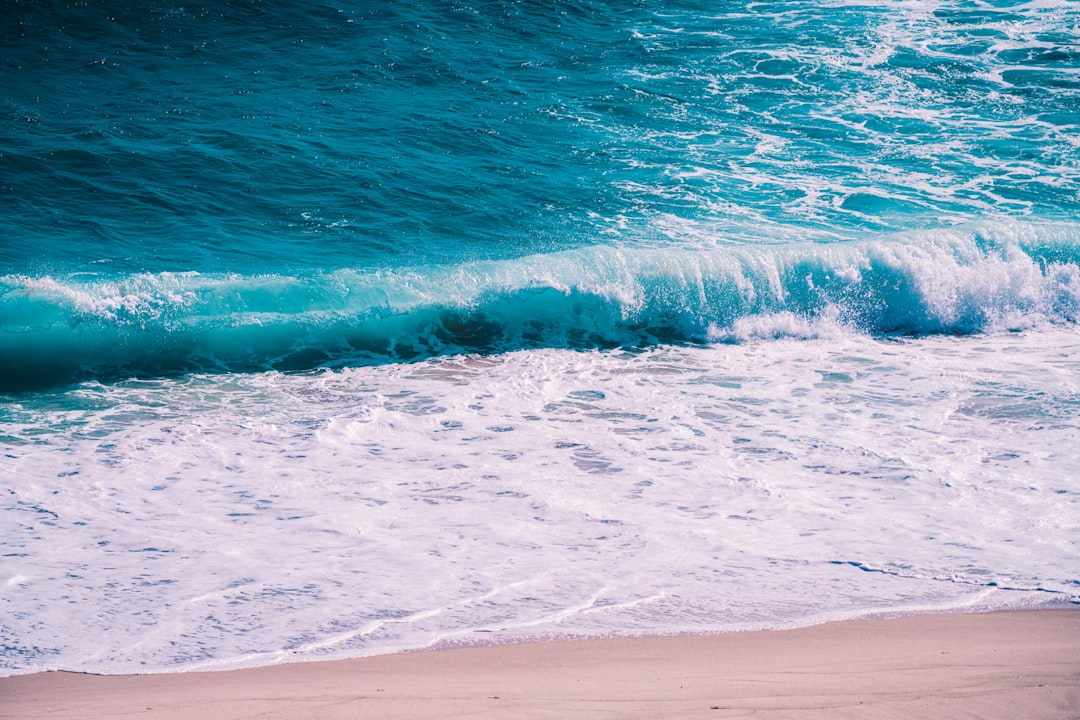
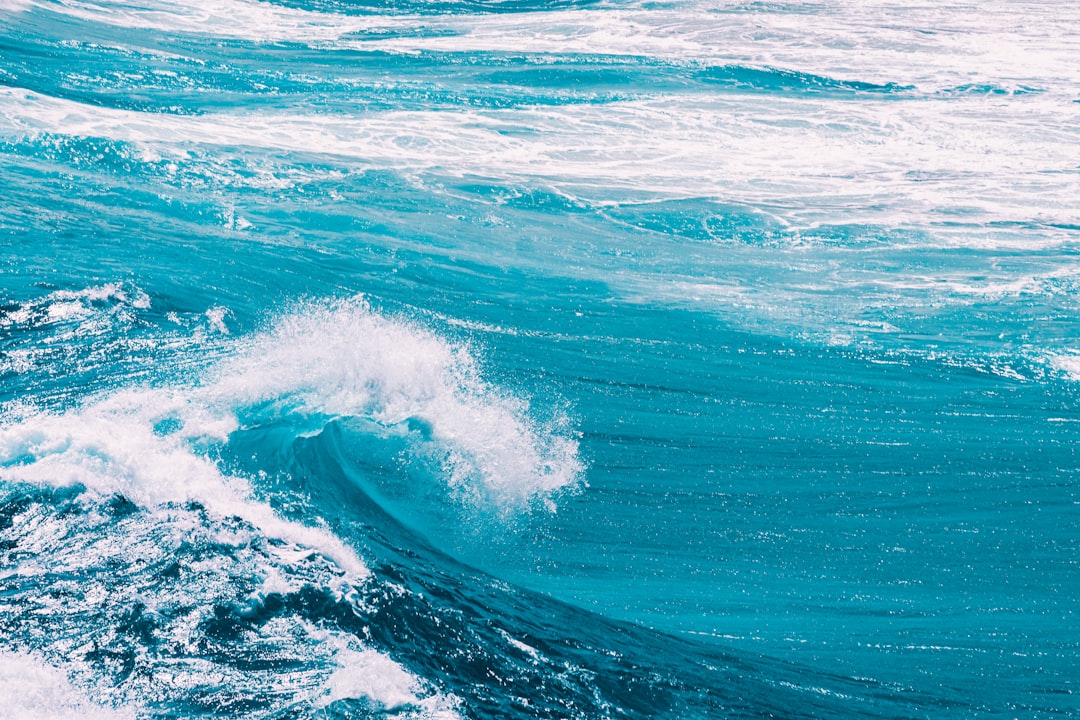
- For coastal shots, use a faster shutter speed (1/500s or higher) to freeze the movement of waves
- For waterfall shots, use a slower shutter speed (1s or longer) with a tripod to create that silky water effect
- When shooting in bright conditions, consider using a neutral density filter to allow for longer exposures
Beyond the Frame: Living the WA Photography Experience
The most rewarding photography experiences in WA come when you immerse yourself in the local culture and environment. Connecting with communities, respecting sacred sites, and understanding the ecological significance of the places you photograph will not only enrich your images but also create meaningful connections with this extraordinary part of the world.
Connecting with Local Communities
Many of WA’s best photography locations are on traditional Aboriginal lands. Taking the time to learn about the cultural significance of these sites and seeking permission to photograph them respectfully can lead to deeper understanding and more authentic images. Local tour operators often provide valuable insights into the stories behind the landscapes, adding layers of meaning to your photographs.
Interesting Fact: Many WA rock formations have Dreaming stories associated with them that stretch back tens of thousands of years. Understanding these stories can help you approach your photography with greater respect and intention.
Unexpected Discoveries
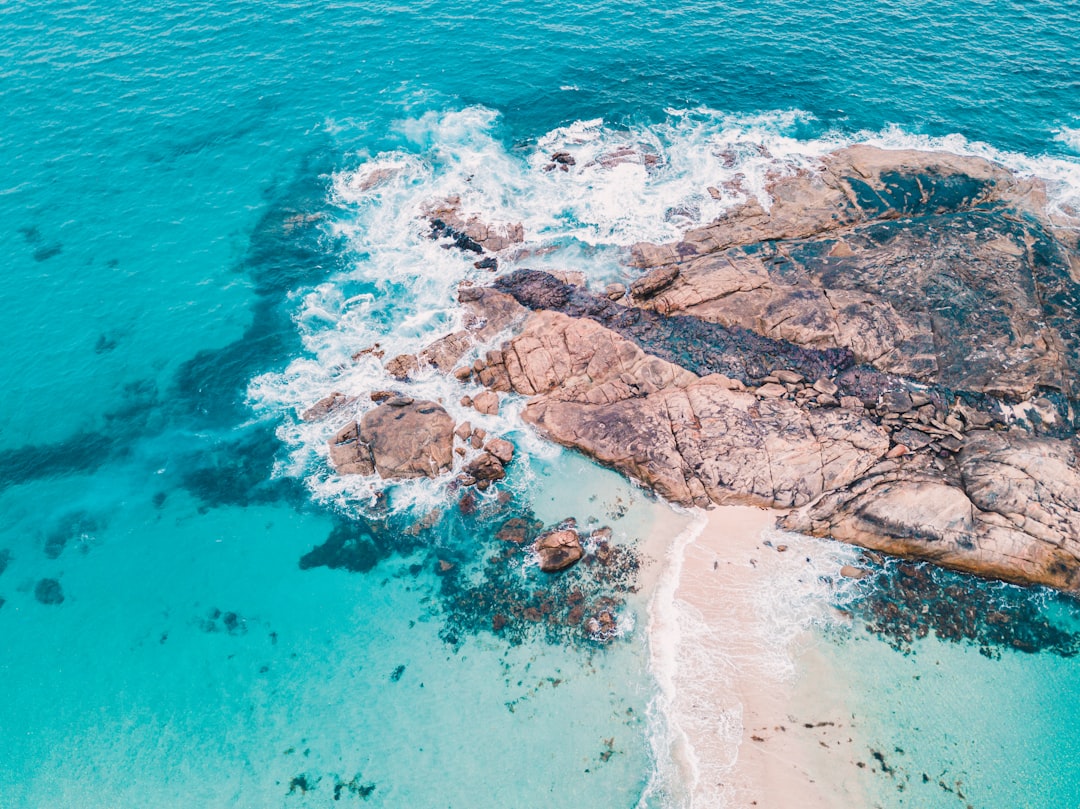
Some of the most memorable shots come from unplanned detours. Last year, while exploring the coast near Denmark, I followed a narrow track marked only by a faded sign and discovered a hidden cove with crystal-clear water and striking granite formations. No guidebook mentioned this spot, and I had the entire vista to myself for hours. These are the moments that define great photography adventures.
The beauty of WA photography isn’t just in the final image but in the journey of discovery—those moments when you turn a corner and find yourself standing before a vista that takes your breath away. What hidden gems will you uncover on your WA photography adventure? Share your discoveries using #WAPhotographyGuide and become part of our growing community of explorers who see the world through a different lens.
Frequently Asked Questions
What are the best months to photograph Cape Naturaliste and Cape Leeuwin?
The ideal time to photograph Cape Naturaliste and Cape Leeuwin is between September to November. During this period, you can capture stunning wildflower displays and migrating whales along the coastline. The spring season offers excellent lighting conditions and comfortable temperatures for photography, making it a prime window to capture these iconic Western Australian locations.
What equipment should I bring for WA photography expeditions?
For WA photography, essential equipment includes a sturdy tripod for sunrise/sunset shots, a polarizing filter to enhance vibrant skies and reduce water glare, a wide-angle lens for expansive landscapes, and a telephoto lens for compressing distances. Additionally, bring a dust-proof camera body and lenses as Western Australia’s red dust can damage equipment. Consider neutral density filters for longer exposures in bright conditions.
How can I capture the best waterfall shots in Western Australia?
To capture stunning waterfall shots in WA, use a slower shutter speed of 1s or longer with a tripod to create the silky water effect. Set your camera to aperture priority mode at f/8 to f/11 for maximum sharpness and use the lowest ISO setting (100 or 200) to minimize noise. Winter rains typically bring waterfalls to life, so plan your visits between May to September for the best results.
What cultural considerations should I keep in mind when photographing in Western Australia?
Many of WA’s best photography locations are on traditional Aboriginal lands. It’s important to learn about the cultural significance of these sites and seek permission to photograph them respectfully. Some rock formations have Dreaming stories stretching back tens of thousands of years. Consider connecting with local tour operators who can provide insights into the stories behind the landscapes, adding depth to your photography while showing respect for indigenous culture.



Be the First to Comment
Sign in to start the conversation.