
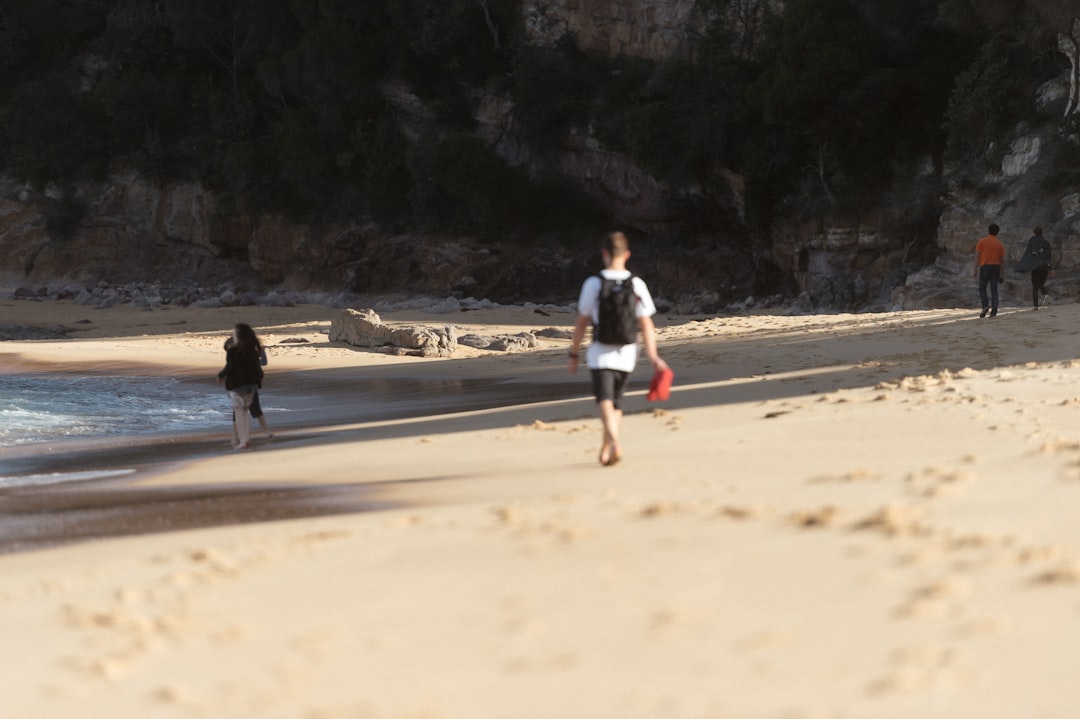
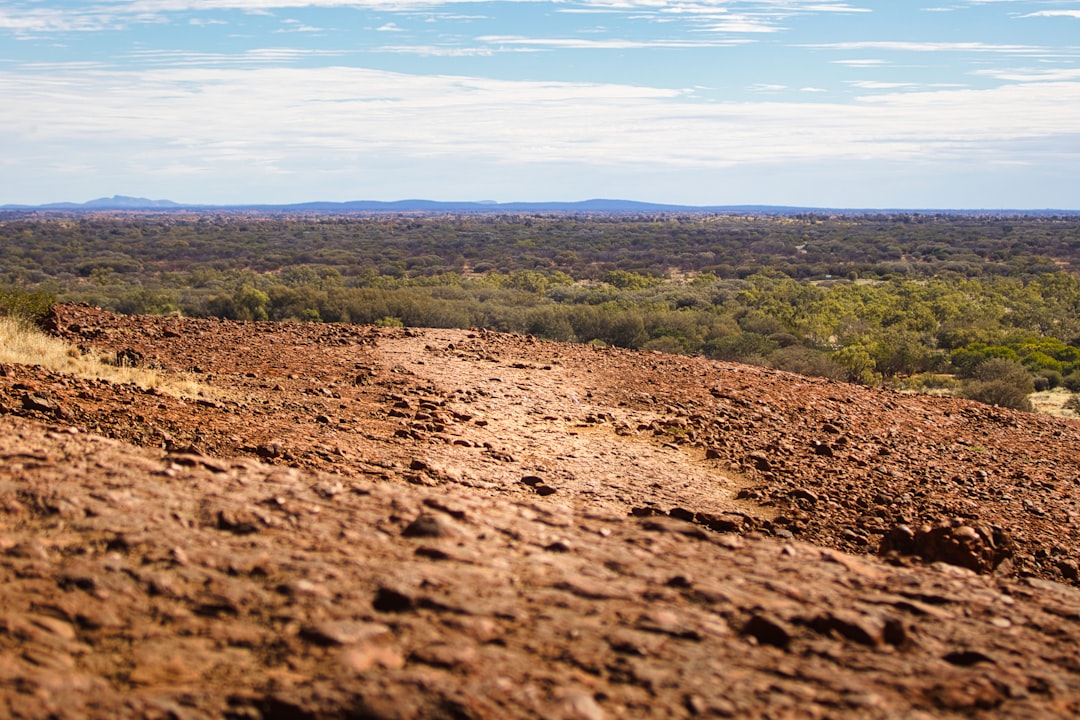
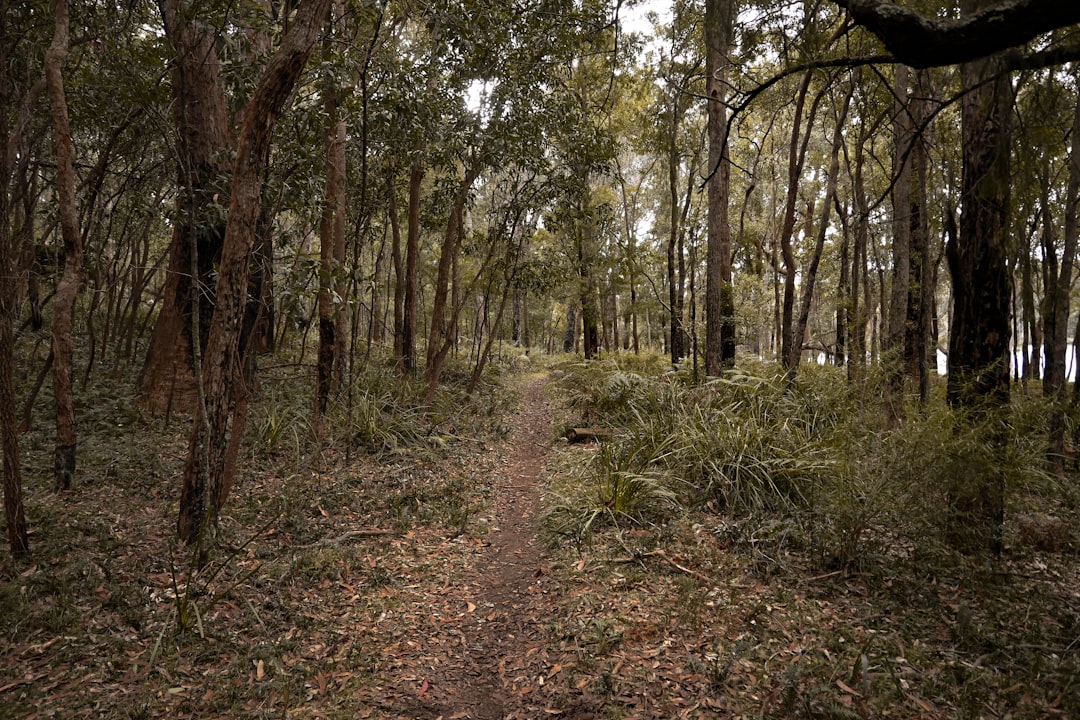
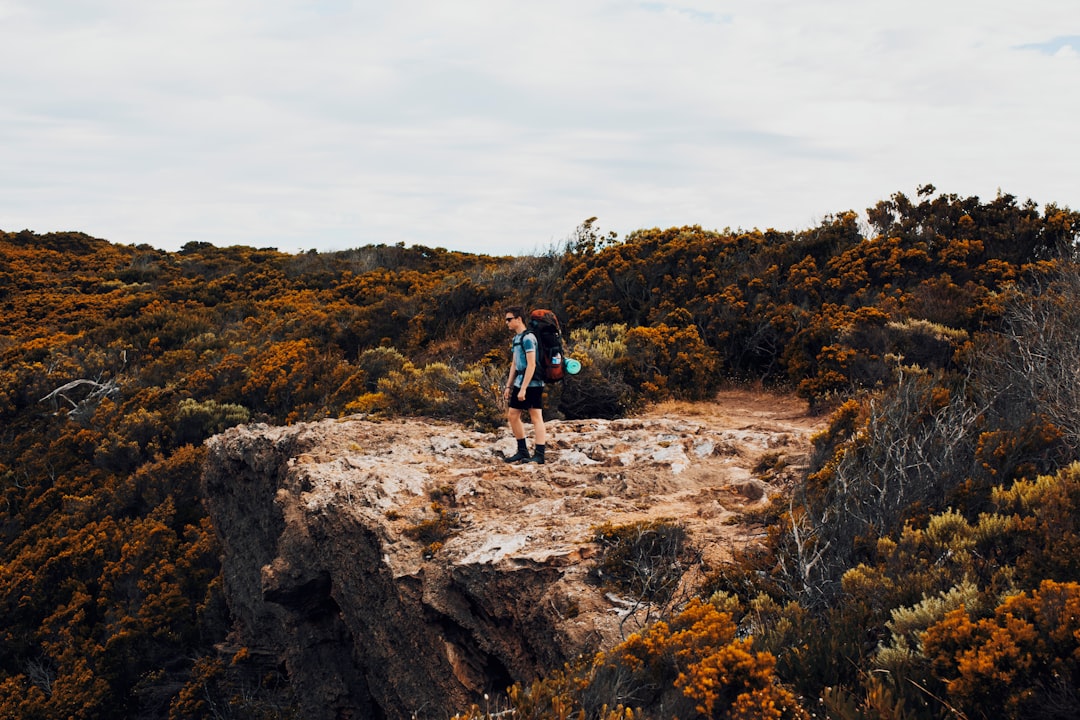
The sharp, salt-sting of the Southern Ocean air hits your face, battling instantly with the dry, resinous scent of roasted eucalyptus leaves baking under a relentless sun. Beneath your boots, the gravel crunches with a satisfying, dry rattle, leading to a sudden, jarring silence broken only by the piercing cry of a white-bellied sea eagle echoing off ancient limestone cliffs. This is not merely the backdrop to your run; it is the terrain, the challenge, and the reward all at once. Standing on Kangaroo Island, Australia’s third-largest island off the coast of South Australia, you are not just exercising—you are engaging in a visceral dialogue with one of the last remaining pristine wildernesses on Earth.
Kangaroo Island, often shortened to KI, sits approximately 112 kilometres west of Adelaide, separated by the Backstairs Passage. With an area of roughly 4,135 square kilometres and a coastline stretching over 600 kilometres, it offers an unparalleled playground for the modern trail runner. Unlike mainland reserves that are often fragmented or heavily managed, KI presents a mosaic of protected national parks, coastal headlands, and rugged bushland that remains largely unbroken. For the outdoor fitness enthusiast seeking the best outdoor fitness experiences, this island provides a unique synthesis of physical demand and ecological immersion. As you lace up your shoes here, remember that you are stepping into a landscape where the geology dictates the pace, and the wildlife demands respect.
The Topography of Adrenaline: Mapping the Island’s Soul
To run on Kangaroo Island effectively, one must first understand that it is not a single trail but a collection of distinct physiological environments. The island’s topography varies wildly from the jagged, wind-scoured eastern tip to the gentler, agricultural valleys of the south. A comprehensive approach to trail running here requires categorising your routes not just by distance, but by the sensory experience and technical demand of the terrain.
The Coastal Screams: Headlands and Erosion
Key Locations: Flinders Chase National Park, Cape du Vergue, Stokes Bay.
This category represents the most physically demanding running on the island. The terrain here is defined by coastal erosion, resulting in crumbling limestone cliffs and loose shale paths that demand high alertness. The “Coastal Screams” refer to the relentless exposure to winds that can exceed 80km/h, particularly in autumn and winter. These conditions create a unique biomechanical challenge: stabilising the core against crosswinds while navigating uneven, rocky footing.
The trails in Flinders Chase National Park are characterised by their geological volatility. The limestone substrate, formed millions of years ago from marine sediments, creates a surface that is slippery when wet but treacherous with loose stones when dry. Running here requires a technique known as “scree management”—where the runner must use shorter, quicker strides to maintain stability on unstable surfaces. The visual payoff is immense, with iconic landmarks like the Remarkable Rocks and Adams Arches appearing suddenly through the scrub. However, this is not a place for casual jogging; it demands technical proficiency and respect for the drop-offs.
The Bushland Whispers: Inland Tracks and Eucalypt Forests
Key Locations: Penneshaw to Vivonne Bay, The Noarlunga Track.
In contrast to the exposed headlands, the inland trails offer “The Bushland Whispers”—a term for the lower wind speeds and denser canopy cover that modulates the island’s intense heat. These trails typically traverse mixed eucalypt forests and heathlands, offering a consistent but less technically hazardous surface. The ground here is often harder-packed earth or compacted sand, allowing for a more rhythmic, endurance-focused running style.
These tracks are ideal for building aerobic base fitness. The lack of vertical gain allows the runner to focus on cadence and heart rate control. However, the density of vegetation can obscure markers, requiring a reliance on GPS navigation rather than visual trail finding. The sensory experience shifts from the visual spectacle of the coast to a tactile immersion in the forest floor, where the scent of bark and damp earth dominates. This is the terrain for long-duration efforts, perfect for ultramarathon training or mental decompression.
The Riverine Flow: South East and Western Slopes
Key Locations: Dudley Link, Iron Pot Lookout.
The third category encompasses the river systems and southern slopes. These trails follow waterways, offering a gentler gradient but introducing the variable of mud and root systems. The “Riverine Flow” trails are often narrower, weaving through dense coastal banksia and scrub oak. The challenge here is not wind or loose stone, but rather root networks that protrude from the ground, creating trip hazards in dense vegetation. These trails are best suited for intermediate runners looking to refine their agility and foot placement.
The Runner’s Compass: Tactical Execution by Skill Level
Knowing the geography is only half the battle. To navigate Kangaroo Island’s diverse trails safely and efficiently, runners must adopt specific protocols based on their skill level. The island’s microclimates can change rapidly, and the lack of cell service in many areas means self-sufficiency is paramount. This section provides a decision-tree guide for three distinct tiers of trail runners.
The Beginner’s Protocol: The 10% Rule Adapted for Uneven Terrain
For those new to trail running, Kangaroo Island offers a steep learning curve. The primary risk is not cardiovascular failure but musculoskeletal injury due to uneven surfaces. Beginners should adhere to a modified version of the “10% Rule”—instead of increasing mileage by 10%, beginners should increase trail time by no more than 10 minutes per week.
- Gear Selection: Avoid road shoes. Invest in trail-specific shoes with moderate lug depth (4-5mm). Brands like Salomon or Altra are popular in Australia for their stability.
- Pacing Strategy: Run downhill using a “scissor step” to maintain balance. Do not attempt speed on descents until you have mastered your footing.
- Nutrition: Carry at least 500ml of water per hour. The dry heat on the island evaporates sweat rapidly, leading to dehydration faster than in humid mainland environments.
Actionable Advice: Start with the Penneshaw to Vivonne Bay track (approx. 15km). It is relatively flat, well-marked, and offers clear escape routes if you need to abort the run.
The Intermediate Runner: Cadence and Ankle Stability
Intermediate runners should focus on efficiency. The primary technical hurdle on KI is ankle stability on loose shale and wet grass. The goal here is to increase cadence (steps per minute) to reduce the time your foot spends on unstable ground.
- Tech Focus: Practice “ankle dorsiflexion” on inclines. This prevents you from hitting your toes on roots or rocks.
- Gear Upgrade: Consider shoes with Vibram Megagrip soles for better traction on wet limestone, a common condition in Flinders Chase.
- Navigation: Learn to use a GPS watch with offline maps. Apps like AllTrails or Gaia GPS are essential, as many trails do not have physical signage.
Actionable Advice: Tackle the Flinders Chase loop. Expect significant elevation changes and rock gardens. Break the run into segments, using lookouts as rest points.
The Expert Protocol: Navigation in Low-Signal Zones
For experts, Kangaroo Island offers the ultimate test of self-reliance. In many parts of the island, particularly the rugged south-east and isolated coastal tracks, mobile coverage is non-existent. Expert runners must treat navigation as a core skill.
- Waypointing: Pre-load GPS waypoints for water sources and emergency exit points. Do not rely on cellular data.
- Weather Contingency: Have a “turnaround time” based on weather forecasts. Coastal storms can arise with little warning, making sea-level tracks dangerous.
- Gear: Carry trekking poles for steep descents and wet grass. They reduce knee impact by up to 25% on technical descents.
Actionable Advice: Attempt the full “Green Triangle” traverse or a solo overnight self-supported run. This requires meticulous planning, including carrying all food and water for 24+ hours.
Family and Multi-Generational Running
Kangaroo Island is uniquely positioned to cater to families. The “Green Triangle” trail network includes sections that are accessible for older children and parents alike. The moderate difficulty of many inland tracks allows for shared experiences, bridging age gaps through physical activity.
Family Tip: Look for the “Island’s Edge” family-friendly trails near Kingscote. These are short, flat, and offer interpretive signage about local wildlife, turning a run into an educational scavenger hunt for children.
The Hidden Costs and Rewards: A Personal Account of Discovery
The true value proposition of trail running on Kangaroo Island extends far beyond cardiovascular health. It is a form of active stewardship, a way to physically connect with the land in a manner that cars or boats cannot provide. This connection often leads to unexpected discoveries—moments where the rhythm of running opens your senses to details usually missed.
The “False Summit” Epiphany
I recall a specific run up the Cape du Vergue track, a steep, misleading climb that seemed to go on forever. My lungs burned, and my legs screamed with lactate buildup. I questioned why I was subjecting myself to this. It felt like an honest limitation, a physical confrontation with my own fitness levels.
But then, the crest. As I crested the final rise, the view of Adams Arches materialised through the scrub—a series of limestone formations carved by millennia of wind and wave. The golden light hitting the white rock, combined with the raw power of the Southern Ocean crashing below, provided a specific reference point for beauty that I had never experienced on flat ground. The adrenaline of the climb was replaced by a profound sense of perspective. This epiphany reinforces the mental resilience built through trail running: the struggle is the price of admission for moments like these.
The Gear Failure Lesson: A Hard-Earned Wisdom
Early in my KI running career, I made the mistake of wearing standard road racing shoes on a wet, moss-covered limestone track near Stokes Bay. The lack of traction led to a sudden slip on a patch of wet algae, resulting in a twisted ankle and a bruised ego. This incident was critical.
The Lesson: Standard road shoes have flat, smooth soles designed for asphalt. On wet limestone, they offer zero grip. I learned the hard way that Vibram Megagrip or similar sticky rubber compounds are non-negotiable for KI running. Additionally, I started carrying trekking poles, which proved invaluable for stability on slippery descents. This failure transformed me from a cautious jogger into a technically proficient trail runner.
The Family Connection and Social Value
Trail running on KI is not a solitary pursuit. I have witnessed multi-generational groups, including grandparents and grandchildren, running the gentle inland tracks together. The moderate difficulty allows everyone to participate at their own pace, fostering a sense of shared accomplishment.
This inclusivity is rare in high-intensity fitness environments. On KI, the focus is on the experience, not the stopwatch. The trails become social spaces where conversations flow as naturally as the runners. It bridges age gaps and creates shared memories in a low-pressure environment, reinforcing the social fabric of the small island community.
The Emotional Connection: Running as Stewardship
Perhaps the most profound reward is the emotional connection to place. When you run through the bush, you become part of the landscape. You notice the changes in flora with the seasons; you hear the calls of rare birds like the Yellow-tailed Black Cockatoo. This deep engagement fosters a sense of responsibility. You are not just passing through; you are bearing witness to the island’s fragility and beauty.
This active stewardship is crucial. By running these trails, you support the local tourism economy, which in turn funds conservation efforts. Your presence validates the need to protect these lands from over-development and environmental degradation.
The Runner’s Toolkit: Resources for Your Journey
To ensure your trail running experience on Kangaroo Island is safe, successful, and sustainable, you must equip yourself with the right tools. This section provides a curated list of essential resources.
Essential Gear Checklist
- Footwear: Trail shoes with aggressive lugs (Vibram Megagrip recommended).
- Navigational Devices: GPS watch with offline maps (Garmin, Suunto).
- Safety Equipment: Trekking poles (collapsible), emergency whistle, personal locator beacon (PLB) for remote runs.
- Clothing: Moisture-wicking layers, windproof jacket (for coastal exposure), sun protection (hat, sunscreen).
- Nutrition: High-calorie gels, electrolyte tablets, sufficient water (minimum 1.5L for half-day runs).
Official Park Maps and Track Details
The Kangaroo Island National Parks website offers downloadable PDF maps for all major trails. These maps include elevation profiles, distance markers, and difficulty ratings. Key tracks to download:
- Flinders Chase National Park Circuit Map: Includes Remarkable Rocks and Cape du Vergue.
- Kanmantto to Vivonne Bay Track Map: A longer, inland route.
- Dudley Link Trail Map: A moderate, coastal-to-river route.
Local Guide Contacts and Weather Alerts
For those seeking guided experiences, several local operators offer trail running tours. These guides provide deep knowledge of the terrain and wildlife. Additionally, always check the South Australian Country Fire Service (CFS) website for real-time fire danger ratings.
Recommended Apps:
- AllTrails: For user-generated reviews and track logs.
- Gaia GPS: For offline mapping and waypoint saving.
- Bom.gov.au: For accurate local weather forecasts.
Closing: A Call to Stewardship
Kangaroo Island offers more than just a place to run; it offers a chance to redefine your relationship with the outdoors. The trails are static, but your connection to them evolves with every step. As you lace up your shoes and head out into the scrub, remember that you are a guest in this fragile ecosystem. Your runs contribute to the narrative of conservation and appreciation for this unique Australian landscape.
We invite you not just to run, but to listen. Listen to the wind in the gums, the crash of the waves, and your own breath. View each run as a conversation with the land, a mutual exchange of energy and respect. Whether you are a beginner taking your first steps on the sand, an intermediate runner chasing personal bests on the limestone, or an expert testing your limits in the remote south-east, Kangaroo Island has a trail that speaks to you.
Your Next Steps:
- Download the official National Parks maps for your planned route.
- Check weather and fire conditions 24 hours before your run.
- Pack out all rubbish, including biodegradable items like fruit skins.
- Share your experience with local guides to support the community.
The trails are waiting. The air is crisp, the scent of eucalyptus is strong, and the sea eagle’s cry promises adventure. Go run, run well, and run with respect.
(Disclaimer:
Frequently Asked Questions
What is the geographical context and size of Kangaroo Island for trail runners?
Kangaroo Island (KI) is Australia’s third-largest island, located approximately 112 kilometres west of Adelaide across the Backstairs Passage. Spanning roughly 4,135 square kilometres with over 600 kilometres of coastline, it offers a vast, largely unbroken mosaic of national parks and rugged bushland. Unlike fragmented mainland reserves, KI provides a unique synthesis of physical demand and ecological immersion. Its varied topography ranges from wind-scoured eastern headlands to gentler southern valleys, making it an unparalleled playground for trail runners seeking diverse terrain and pristine wilderness experiences.
What footwear and technical gear are essential for running on KI’s limestone trails?
Standard road shoes are unsuitable due to slippery wet limestone; instead, runners should invest in trail-specific shoes with aggressive lugs (4-5mm depth) and sticky rubber compounds like Vibram Megagrip. For technical descents or wet grass, trekking poles are highly recommended as they reduce knee impact by up to 25%. Essential safety gear includes a GPS watch with offline maps (such as Garmin or Suunto), an emergency whistle, and a personal locator beacon for remote runs. Additionally, carry high-calorie gels and electrolyte tablets to manage the rapid sweat evaporation caused by the island’s dry heat.
How should beginners structure their training and choose initial routes?
Beginners must prioritize musculoskeletal safety over cardiovascular endurance due to uneven surfaces. Adhere to a modified ‘10% Rule’: increase trail time by no more than 10 minutes per week rather than mileage. Start with the Penneshaw to Vivonne Bay track (approx. 15km), which is relatively flat, well-marked, and offers clear escape routes. Use a ‘scissor step’ for downhill balance and avoid speed on descents until footing is mastered. Crucially, carry at least 500ml of water per hour to prevent rapid dehydration in the dry heat, and avoid road shoes in favour of stable trail footwear.
When is the best time to run, and what are the critical safety restrictions?
The ‘Coastal Screams’ headlands face relentless winds exceeding 80km/h, particularly in autumn and winter. While these conditions offer a unique biomechanical challenge, they require technical proficiency. Crucially, always check the Kangaroo Island National Parks website for fire bans before heading out. Many trails are closed during high-risk fire seasons, typically January to March; running during a ban incurs heavy fines and poses severe wildfire risks. Additionally, maintain at least 20 metres distance from Australian Sea Lions to avoid disturbing them, and stay on marked tracks to protect endangered species like the Western Barred Bandicoot.
What are the logistical costs and navigation strategies for expert runners?
For remote runs, such as the ‘Green Triangle’ traverse or solo overnight self-supported runs, runners must treat navigation and logistics as core skills. Mobile coverage is non-existent in many areas, so pre-load GPS waypoints for water sources and emergency exits using apps like Gaia GPS or AllTrails. Download offline maps before arriving at Kingscote Airport, as live data is unreliable. Expert runners should plan for 24+ hours of food and water, carry collapsible trekking poles for steep descents, and establish a ‘turnaround time’ based on weather forecasts to avoid dangerous coastal storms.



Be the First to Comment
Sign in to start the conversation.