
Salt spray clings to your lips as the morning sun catches the face of an approaching set wave, the offshore wind grooming its crest into a crystalline wall. Your fingers are wax-sticky, your shoulders carry that particular ache that comes from hours of paddling, and somewhere in the distance a gull cries out against the endless blue. Here’s the thing, though: you’re not standing at Bells Beach or Snapper Rocks. You’re reading this guide from Alice Springs, perhaps, or somewhere deep in the Red Centre where the closest wave is 1,500 kilometres away. That beautiful dissonance—the salt you can almost taste against the red dust you can actually see—captures exactly what this guide delivers. Australia’s 25,760 kilometres of coastline hold more surfing possibility than anywhere else on Earth, and whether you’re planning your first-ever lesson at Byron Bay or eyeing the heavy water of Western Australia’s Margaret River region, this comprehensive guide maps the journey from landlocked dreamer to confident surfer. We’ll traverse the tropical breaks of the Top End, navigate the moody power of Victoria’s coastline, and uncover the quiet corners where crowds thin and waves keep coming.
The Cartography of Breaks: Australia’s Seven Surf Regions
Australia doesn’t have “good surf spots.” Australia has seven distinct surf personalities, each shaped by ocean floor geography, swell direction, and the particular temperament of the coastline. Understanding these regions transforms you from a tourist with a board into a surfer who reads water.
Queensland’s Tropical Playground
The Gold Coast alone deserves its reputation as a surfer’s Disneyland—Snapper Rocks, Kirra, Burleigh Heads, and Currumbin create a continuous ribbon of point breaks that, when a cyclone swell arrives, produce rides measured in hundreds of metres rather than seconds. But Queensland’s true gift to learners is the soft sand bottom and warm water of beaches like Noosa’s Main Beach and Currumbin Alley, where the consequences of mistakes are minimal and the vibe remains genuinely welcoming.
New South Wales: The Soul Coast
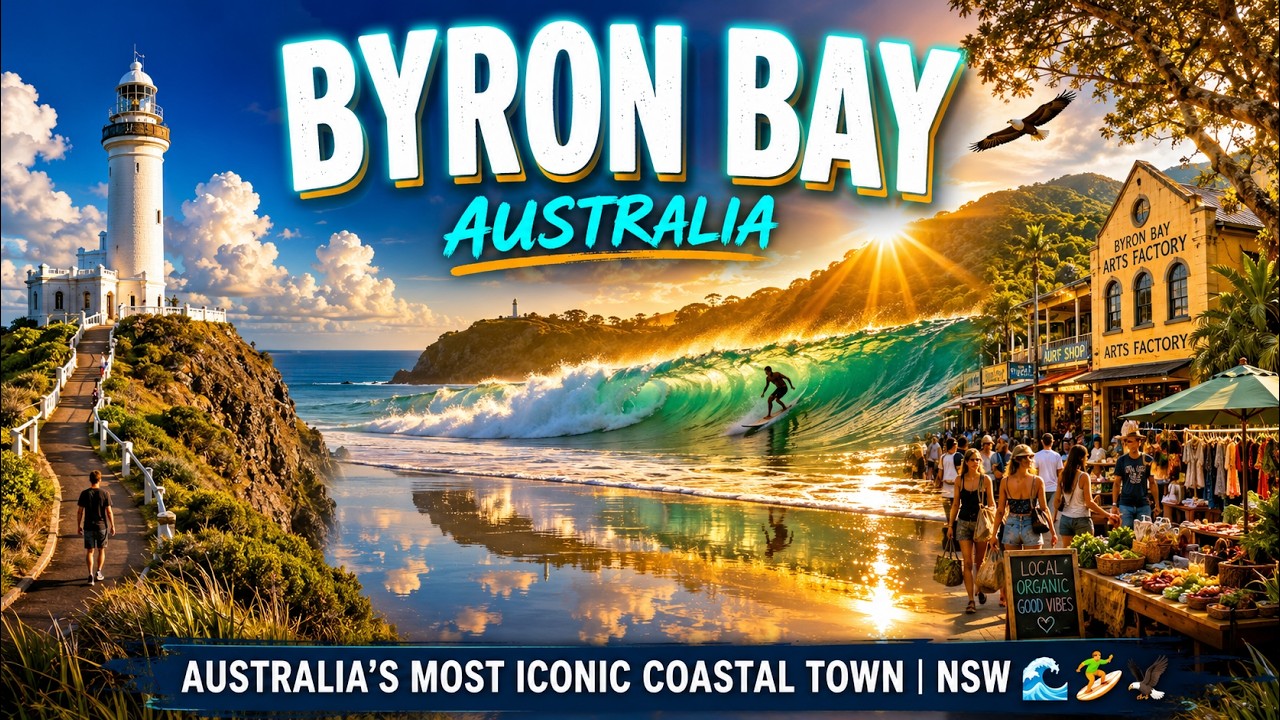
From the legendary point break at Byron Bay’s Wategos to the raw power of Cronulla’s shark island, NSW offers variety that spans generations of surfing evolution. Byron Bay remains the spiritual heart—where longboard culture thrives, where beginners catch their first green waves in gentle peelers, and where the sheer beauty of the coastline makes even a bad session feel restorative. Further south, places like Crescent Head and Lennox Head offer that rare combination of quality waves and retained character—they’re popular, yes, but they haven’t been swallowed by development.
Victoria: Where Power Meets Precision
Bells Beach needs no introduction—the Easter contest has been running since 1962, and the wave’s long, winding walls demand respect. But Victoria’s true character reveals itself in the raw, powerful beaches of the Surf Coast and the heavy reef breaks around Phillip Island. This is surf country for those who’ve earned their stripes, where cold water (14-16°C in winter) and serious swell combine to create conditions that sort the committed from the casual.
Western Australia: Raw and Remote
Margaret River represents the accessible face of WA surfing—world-class waves, excellent wine, and infrastructure that supports travelling surfers. But the state’s 12,889 kilometres of coastline hold countless breaks accessible only by four-wheel drive and determination. The Indian Ocean delivers consistent groundswell, and the absence of crowds in many areas offers something increasingly rare: solitude with your waves.
South Australia: The Middle Ground
Often overlooked, South Australia offers a compelling middle ground—quality waves without the crowds of the east coast, water temperatures that sit between Victoria’s chill and Queensland’s warmth. Middleton and Goolwa on the Fleurieu Peninsula provide excellent beginner waves, while more experienced surfers find challenge at Waitpinga and Parsons.
Tasmania: The Cold Water Frontier
Tasmania isn’t for everyone, and that’s precisely its appeal. Shipstern Bluff has earned global notoriety for waves that terrify even professional big-wave surfers, but the island also offers accessible beach breaks at places like Clifton Beach and Park Beach near Hobart. The water is cold (12-15°C year-round), the crowds are minimal, and the scenery is unmatched.
Northern Territory: The Tropical Alternative
Darwin’s surfing season runs counter to the rest of Australia—the dry season months from May to September bring trade wind swells to the Top End’s limited but enthusiastic surf community. It’s not a destination you’d choose solely for surfing, but if you’re there, the crew at Darwin Surf Life Saving Club can point you toward the best banks at Casuarina Beach on any given day.
Three Secret Intermediate Breaks
These aren’t truly “secret”—local surfers know them—but they don’t appear on mainstream “best of” lists, and they offer quality waves without the circus atmosphere of famous breaks:
- Dumping Beach, NSW (approx. -35.6234, 150.2847): A beach break near Batemans Bay that handles south swells beautifully. Works best on mid-incoming tide with offshore northwest winds. Park at the northern end and walk 200 metres south to find the best banks.
- Juanita’s, Western Australia (approx. -33.8567, 121.8923): Near Esperance, this right-hand point break offers long, manageable walls perfect for intermediate surfers looking to progress their carving. Requires a 4WD to access and works on southwest swells with southeast winds.
- Winkipop East, Victoria (access via Bells Beach car park, walk east past Winkipop): When Bells is overcrowded, the eastern extension often has a fraction of the crowd with similar wave quality. Works on smaller days when the main break isn’t quite connecting.
The Surfer’s Taxonomy: Matching Skill to Break
The standard “beginner, intermediate, advanced” classification fails because it doesn’t account for what you can actually do. Let’s get specific.
Level One: Building Foundations
You’re at this level if: You can consistently pop up and ride whitewash, you’re learning to angle take-offs, and you’re beginning to understand wave timing but still struggle with late drops.
Five beaches that will progress your surfing:
- Manly Beach, NSW (Queenscliff end) — The corner offers protection from the worst of the sweep, with soft, crumbling waves that forgive mistakes. Morning sessions before 8am avoid the learner school crowds.
- Main Beach, Noosa, QLD — Warm water, sand bottom, and waves that break slowly enough to give you time. The point break is for advanced surfers; stay on the beach breaks.
- Currumbin Alley, QLD — The classic learner spot where the wave’s edge offers gentle, reforming surf. Go early, respect the locals, and you’ll get plenty of waves.
- Middleton, SA — Long, slow walls perfect for practising trimming and basic turns. The crowds are friendly, and the vibe remains encouraging.
- Cables Beach, Broome, WA — Warm water, predictable waves, and stunning scenery. The camel trains at sunset are a bonus.
Aspirational break: First Point, Noosa Heads. On a small day with the longboard crew, you’ll catch rides that seem to last forever, surrounded by some of the most genuinely welcoming surfers in Australia.
Level Two: Finding Flow
You’re at this level if: You can consistently catch unbroken waves, execute controlled bottom turns and top turns, read sets with reasonable accuracy, and understand basic etiquette.
Five beaches that will challenge you appropriately:
- Crescent Head, NSW — The point break offers long, workable walls that reward good positioning. Walk past the main take-off zone to find your own section.
- Yallingup, WA — The main break handles crowds better than most, and the wave quality makes every session educational. Watch the locals—they read this break’s subtleties.
- South Stradbroke Island, QLD — Accessible only by boat, which naturally limits crowds. The beach break shifts constantly, teaching you to read banks.
- 13th Beach, Victoria — Powerful enough to demand respect, forgiving enough to allow progression. The cooler water means fewer crowds in the morning.
- Byron Bay’s Wategos, NSW — On smaller days, the point offers longboard paradise. The wave quality demands precise positioning, accelerating your learning.
Aspirational break: Noosa’s Granite Bay on a solid east swell. Requires paddling commitment and wave-reading skill, rewards with rides you’ll recount for years.
Level Three: Challenging Limits
You’re at this level if: You’re comfortable in overhead surf, can execute re-entries and cutbacks with confidence, understand how different boards perform in various conditions, and can hold your own in competitive line-ups.
Five breaks that will test you:
- Bells Beach, Victoria — The Winkipop section in particular. Power, length, and a crowd that knows every nuance of the wave.
- Snapper Rocks, QLD — When the Superbank is firing, you’re sharing waves with some of the world’s best surfers. Intimidating but educational.
- Margaret River Main Break, WA — Powerful, consistent, and serious. The reef isn’t forgiving, and the waves demand commitment.
- Lennox Head, NSW — A long point break that handles size. The rocks require care, and the locals have earned their spot.
- Shipstern Bluff, Tasmania — Only for those comfortable with serious consequences. Cold, heavy, and unforgettable.
The Equipment Ecosystem: What Actually Matters in Australian Waters
Equipment discussions often devolve into brand recommendations. Instead, let’s organise this by what you’ll encounter and what you’ll actually need.
Board Selection: A Pragmatic Approach
Your first board should be larger than your ego wants. A 7-8 foot mini-malibu or longboard offers the stability and paddle speed that builds confidence. The intermediate transition—moving to a 6’6″ to 7’0″ funboard or a mid-length—should happen when you’re consistently catching waves on your learner board and feeling limited by its turning ability, not when a YouTube video suggests it’s time.
For travelling surfers, the rental calculus is straightforward: if you’re flying to a destination for less than two weeks, quality local rentals (available at all major surf towns) typically cost less than board baggage fees and eliminate damage risk. For trips longer than two weeks or to remote locations with limited rental options, bringing your board makes sense—but pack it properly.
The Honest Board Travel Admission
I’ve flown with boards eight times. Qantas has damaged three—two fin box cracks that were repairable, one buckled board that wasn’t. Virgin Australia has been faultless across four trips. The pattern isn’t statistically significant, but it informs my choices. I now use a day board bag inside a hard case, remove all fins, wrap the rails in pipe insulation, and fill empty spaces with wetsuits and clothing. It’s not elegant, but my boards arrive intact.
Wetsuit Requirements by Region
Australia’s thermal range surprises many visitors:
- Queensland (Gold Coast north): Boardshorts or a 0.5mm springsuit in winter months (June-August)
- Northern NSW: 2mm short-arm steamer in winter, boardshorts/rashie in summer
- Sydney and Central NSW: 3/2mm steamer May-November, springsuit or boardshorts December-April
- Victoria and Tasmania: 4/3mm steamer year-round, with booties optional in summer and essential in winter
- South Australia: 3/2mm steamer most of the year
- Western Australia (Perth south): 3/2mm steamer May-November, springsuit in summer
Wildlife Encounters: The Real Risk Assessment
Sharks dominate the conversation, but the statistical risk remains vanishingly small—you’re more likely to be injured driving to the beach. The practical concerns are stingrays (shuffle your feet when walking in sandy shallows, especially in southern Australia), bluebottles (check the beach before paddling out; their presence is usually obvious), and sun exposure (Australia’s UV index regularly exceeds 12 in summer; zinc and rashies aren’t optional).
The Seasonal Pulse: Reading Australia’s Surf Calendar
Australia’s surf year divides not by calendar quarters but by wave behaviour and the particular metabolism of each coastline.
March-May: The Autumn Transition
As water temperatures begin their slow decline, the east coast receives consistent south swells. The cyclone season’s remnants can still light up Queensland points with occasional pulse events. Crowds thin as school holidays end, making April and May exceptional months for NSW and Queensland travel.
June-August: Winter Power
The serious groundswell season. Western Australia comes alive with consistent Indian Ocean energy. Victoria and Tasmania reach their peak—cold, powerful, and rewarding for those willing to embrace the chill. The Gold Coast’s points fire on south swells, though water temperatures drop to a brisk 19°C.
September-November: The Spring Window
Variable conditions create both frustration and opportunity. Early morning offshore winds can produce pristine conditions before the afternoon seabreeze arrives. This is contest season at Bells Beach, and the energy in the water is palpable. For learners, the smaller days between swells offer perfect progression conditions.
December-February: Summer Reality
Tropical north Queensland enters its wet season—surfable days exist but are weather-dependent. NSW and Victoria offer consistent beach break banks, though crowd factors peak during school holidays (late December through late January). The informed move: target weekdays before 7am, when crowds are manageable and conditions are often at their best.
The Local Truth About Crowds
School holidays transform specific beaches into untenable chaos. Main Beach Byron Bay, Manly, and Bondi become learner zoeros where finding your own wave requires either exceptional skill or exceptional patience. But here’s what most guides won’t tell you: the same school holidays often empty intermediate and advanced breaks as families cluster at the most accessible beaches. Crescent Head, Yallingup, and many South Australian breaks see reduced crowds during peak family travel periods.
The Deep End: Ethics, Acknowledgement, and Stewardship
Surfing doesn’t exist in a vacuum. Every break sits on Country that holds deep significance for Traditional Owners, and the ocean ecosystem faces pressures that demand our conscious engagement.
Surfing on Country
Many of Australia’s most celebrated breaks hold cultural significance that predates surfing by millennia. Bells Beach sits on Wadawurrung Country. Byron Bay’s points break on Arakwal Country. The Margaret River region holds profound importance for Wadandi people. These aren’t abstract acknowledgments—they’re invitations to understanding.
When you surf a break, you’re a visitor. The basic protocols are simple but meaningful: acknowledge you’re on Country (internally at minimum), respect any cultural sites or access restrictions, and engage with Indigenous perspectives when opportunities arise. Many coastal Aboriginal communities run cultural tourism experiences that will transform how you see the coastline you surf.
Environmental Stewardship: The Practical Steps
The “leave only footprints” principle extends beyond the obvious. Consider:
- Sunscreen choice: Chemical sunscreens (oxybenzone, octinoxate) damage coral and marine ecosystems. Choose zinc oxide or titanium dioxide-based alternatives, particularly when surfing near reef breaks.
- Wax alternatives: Bio-based waxes exist and perform equivalently to petroleum-based options. The cumulative impact matters.
Frequently Asked Questions
What are Australia’s seven distinct surf regions?
Australia has seven unique surf regions, each with distinct characteristics shaped by ocean floor geography and swell direction. Queensland offers tropical point breaks like the Gold Coast’s Superbank, which can produce rides exceeding two kilometres. New South Wales features variety from Byron Bay’s longboard culture to Cronulla’s powerful waves. Victoria delivers cold water (14-16°C in winter) and serious swell at Bells Beach. Western Australia spans 12,889 kilometres of coastline with remote breaks requiring four-wheel drive access. South Australia provides a middle ground with quality waves minus east coast crowds. Tasmania offers cold water frontier surfing (12-15°C year-round), whilst the Northern Territory has a dry season surf period from May to September.
How should I choose a surfboard as a beginner in Australia?
Your first board should prioritise stability over aesthetics—a 7-8 foot mini-malibu or longboard builds confidence through increased paddle speed and stability. Transition to a smaller 6’6″ to 7’0″ funboard or mid-length only when you’re consistently catching waves and feeling limited by your learner board’s turning ability, not when arbitrary timelines suggest it’s time. For travelling surfers visiting destinations for less than two weeks, quality local rentals at major surf towns typically cost less than airline board baggage fees and eliminate damage risk. For trips exceeding two weeks or to remote locations with limited rental options, bringing your own board makes sense with proper protective packing.
When is the best time of year to surf different Australian regions?
Australia’s surf calendar varies significantly by region. March-May (autumn) brings consistent south swells to the east coast with thinning crowds—April and May are exceptional for NSW and Queensland. June-August (winter) delivers serious groundswell season, with Western Australia coming alive on Indian Ocean energy and Victoria/Tasmania reaching their peak despite cold temperatures. The Gold Coast’s points fire on south swells though water drops to 19°C. September-November (spring) offers variable conditions with pristine early morning offshore winds, whilst December-February (summer) sees tropical north Queensland enter wet season and NSW/Victoria experiencing peak crowd factors during school holidays (late December through late January).
What wetsuit thickness do I need for surfing in Australian waters?
Australia’s thermal range varies dramatically by region. Queensland (Gold Coast north) requires only boardshorts or a 0.5mm springsuit in winter months (June-August). Northern NSW needs a 2mm short-arm steamer in winter, boardshorts and rashie in summer. Sydney and Central NSW require a 3/2mm steamer from May-November, then springsuit or boardshorts December-April. Victoria and Tasmania demand a 4/3mm steamer year-round, with booties optional in summer and essential in winter. South Australia needs a 3/2mm steamer most of the year. Western Australia (Perth south) requires a 3/2mm steamer from May-November and a springsuit in summer months.
How can I stay safe from wildlife hazards while surfing in Australia?
Despite sharks dominating conversations, the statistical risk is vanishingly small—you’re more likely injured driving to the beach. The practical concerns are stingrays, bluebottles, and sun exposure. For stingrays, shuffle your feet when walking in sandy shallows, especially in southern Australia. If you encounter one whilst wading, freeze—they’ll detect your presence and move away. If stung, immerse the affected area in hot water (as hot as tolerable) to break down the venom; lifeguard towers at patrolled beaches are equipped for this. Check beaches for bluebottles before paddling out—their presence is usually obvious. Australia’s UV index regularly exceeds 12 in summer, making zinc and rashies essential rather than optional.



Be the First to Comment
Sign in to start the conversation.