

What if the most unforgettable wildlife encounter of your life wasn’t in a zoo, but waiting beside a quiet coastal road at dawn?
The mist is still lifting off the Southern Ocean. You’ve pulled over at a nondescript turnout on the Great Ocean Road, somewhere between Lorne and Apollo Bay, because something caught your eye—a movement in the canopy, a shadow that didn’t belong. And then you see it: a koala, not in a sanctuary or behind glass, but wild and utterly unconcerned with your presence, methodically stripping leaves from a manna gum as the first proper light hits its grey fur. A hundred metres below, the ocean heaves against limestone cliffs. Somewhere in the distance, a whale blows. This is wildlife watching in Australia—not curated, not guaranteed, but infinitely more meaningful because you earned it through patience, timing, and the simple act of showing up on the right road at the right moment.
This guide exists to make moments like that repeatable. Whether you’re planning a 7-day road trip from Sydney or a more ambitious 10-day road trip around Australia’s southern coast, understanding how to read the landscape, time your travels, and approach wildlife ethically transforms road trips Australia from simple sightseeing into genuine encounter. The difference between luck and a consistently great wildlife experience? Knowing when to slow down, where to look, and how to let the landscape reveal its inhabitants.
Reading the Landscape — Where Wildlife Actually Lives
Most visitors to Australia approach wildlife watching backwards. They ask “where can I see a kangaroo?” when the better question is “what kind of habitat supports the species I’m hoping to encounter?” Understanding this distinction—between chasing specific animals and reading the environment for its potential—is what separates frustrating attempts from reliable sightings, especially on extended road trips Australia where every detour costs time and fuel.
The Great Ocean Road and its hinterland offer a masterclass in habitat diversity compressed into a manageable distance. Within 100 kilometres, you’ll traverse coastal heathland, temperate rainforest, dry sclerophyll woodland, and wet forest gullies—each supporting distinct wildlife communities. The key is recognising the transition zones and the resources each environment provides.
Coastal Heaths and Headlands
The wind-pruned vegetation along cliff tops and exposed headlands looks sparse, but these areas support surprising density. Look for:
- Swamp wallabies grazing the ecotone between heath and forest at dawn and dusk
- Rufous bristlebirds calling from dense coastal thickets (listen for their piercing, repetitive notes)
- Peregrine falcons hunting the updrafts along cliffs, particularly near Moonlight Head
Wet Forest and Riparian Zones
The gullies and south-facing slopes that retain moisture support the highest koala density along the entire route. Kennett River and the roads around Grey River are legendary, but the principle applies anywhere you find mature manna gums with dense canopy cover and access to water. Koalas here aren’t just surviving—they’re thriving, with populations dense enough that you’ll often hear them (a surprisingly loud, guttural bellow) before you see them.
What the Trees Tell You
Learning to identify just a few key species dramatically improves your chances:
- Manna gums (Eucalyptus viminalis) with their long, drooping leaves and smooth upper bark indicate prime koala habitat
- Messmate stringybark suggests drier conditions and different species—look for echidnas foraging in the understorey
- Mountain grey gum in moister gullies attracts yellow-bellied gliders after dark
The presence of feed trees doesn’t guarantee animals, but their absence almost certainly guarantees disappointment. Use vegetation as your first filter when deciding where to spend your limited wildlife-watching hours.
The Road Trip Frameworks — Routes Designed for Wildlife
Wildlife watching shouldn’t be an afterthought tacked onto a predetermined route. The most successful road trips Australia offers are designed around the animals themselves—their active periods, seasonal movements, and habitat requirements. Here are two frameworks that integrate genuine wildlife opportunity into practical itineraries, whether you have a week or ten days.
7-Day Road Trip from Sydney to Melbourne via the Coast
This route trades efficiency for richness. You could drive the Hume Highway in nine hours; instead, this 7-day road trip from Sydney takes you through seven distinct wildlife zones, each offering encounters impossible on the inland route.
Day 1-2: Sydney to Jervis Bay
Depart Sydney early—dawn if you’re serious—and head south through the Royal National Park. Stop at Wattamolla before the crowds arrive; the lagoon edges support water dragons and, occasionally, swamp wallabies in the surrounding heath. Continue to Jervis Bay, where the marine protected area supports year-round dolphin populations and, in winter (May-November), migrating humpback whales. Book a morning boat tour for your second day; the calm waters of the bay often produce encounters with bottlenose dolphins that approach the vessel voluntarily.
Day 3-4: Jervis Bay to Eden
The stretch between Narooma and Eden is underrated for terrestrial wildlife. Stop at Bournda National Park for a dawn walk—the lagoon trails regularly produce sightings of eastern grey kangaroos, red-necked wallabies, and, if you’re quiet and lucky, long-nosed potoroos in the heathier sections. In Eden itself, the whale museum documents the region’s complex history with cetaceans, but the living experience is a boat tour during killer whale season (October-November), when orcas occasionally shadow humpback migrations. Even without orcas, the Twofold Bay coastline produces regular fur seal sightings.
Day 5: Eden to Wilsons Promontory
Cross into Victoria and head for the Prom—the state’s southernmost point and one of its wildlife jewels. The drive is long, so choose one key stop: I recommend Cape Conran, where the rock platforms at low tide reveal intertidal life and the coastal scrub supports southern emu-wrens, a small and elusive bird worth patient searching. Arrive at Wilsons Promontory by late afternoon and drive slowly—the road in is notorious for wombats, wallabies, and kangaroos grazing the verge at dusk.
Day 6: Wilsons Promontory (Full Day)
This is your terrestrial wildlife highlight. The Prom’s wombat population is habituated enough to allow close approach (within ethical limits—maintain at least 10 metres and never chase or surround animals). Walk the Loo-Errn Track at dawn for your best chance at the full suite: wombats, kangaroos, wallabies, and emus. The granite boulder fields around Mount Oberon support more secretive species including long-nosed bandicoots and, occasionally, brush-tailed phascogales.
Day 7: Wilsons Promontory to Melbourne via Phillip Island
The final day is about timing. Depart the Prom mid-morning and drive to Phillip Island, timing your arrival for the famous Penguin Parade at sunset. Yes, it’s touristy. Yes, it’s crowded. But the experience of watching little penguins emerge from the surf and waddle up the beach to their burrows remains genuinely affecting, and the visitor infrastructure ensures minimal disturbance to the birds. Book the premium viewing platform for a less crowded experience.
10-Day Road Trip Australia Deep Dive: Great Ocean Road and Grampians Loop
For those with more time, a 10-day road trip around Australia’s south-east corner allows deeper exploration of both coastal and inland wildlife habitats. This route extends the Great Ocean Road experience into the Grampians-Gariwerd and the volcanic lakes region, adding species and ecosystems absent from the coastal drive alone.
Days 1-3: Great Ocean Road (East to West)
Begin in Torquay and spend three days covering what most visitors rush through in one. The wildlife payoff is concentrated in specific locations:
- Kennett River: Arrive before 8am for koalas in the manna gums along Grey River Road. Stay quiet and watch for king parrots and crimson rosellas that descend in small flocks.
- Wye River: Less crowded than Kennett; walk the coastal trail at dawn for swamp wallabies and the chance of spotting a powerful owl in the taller forest.
- Cape Otway: The lighthouse area offers whale watching platforms (southern rights, June-October) and the surrounding forest supports the highest koala density in the region.
Days 4-6: Port Campbell to Grampians via Tower Hill
Leave the coast and head inland through Port Campbell to Tower Hill—a collapsed volcanic crater that’s now a wildlife reserve. The caldera’s sheltered environment supports dense populations of koalas, emus, eastern grey kangaroos, and echidnas, all visible from the walking tracks. It’s one of the most reliable locations in Victoria for close-range echidna sightings; walk slowly and watch for movement in the leaf litter.
Continue to the Grampians-Gariwerd for a three-night stay. This ancient mountain range supports species that have disappeared from much of their former range, including brush-tailed rock-wallabies (reintroduced and rare, but present in the Moyston area) and a suite of specialised birds including the endangered south-eastern red-tailed black-cockatoo.
Days 7-8: Grampians (Full Exploration)
The Grampians demand time. Key wildlife locations include:
- Boroka Lookout at dawn: Not for the view (though it’s spectacular), but for the red-necked wallabies that graze the cleared areas and the peregrine falcons that hunt the cliffs below.
- The Pinnacle walk: Go early and watch for echidnas on the lower slopes. In spring (September-November), the wildflower displays attract numerous honeyeater species.
- Zumsteins picnic area: The resident kangaroos are habituated to humans—too habituated, honestly—but the surrounding riverine forest supports koalas and, after dark, common ringtail possums.
Days 9-10: Return via Coonawarra or the Coast
Return to Melbourne either via the inland route (stopping at the volcanic lakes of Corangamite and Bullen Merri for waterbirds) or rejoining the Great Ocean Road for a second pass through any locations you missed. The choice depends on season: in winter, the inland route is faster and produces more reliable bird sightings; in summer, the coast offers opportunities for whale watching that the interior can’t match.
The Wildlife Calendar — Timing Your Encounter
One of the most common questions I receive is some version of “when should I go?” The honest answer depends entirely on what you hope to see. Australia’s wildlife doesn’t observe the neat seasonal categories that temperate-zone visitors expect—there’s no single “best time” that covers all species. Instead, timing your road trips Australia adventure requires matching your travel window to the ecological events that matter most to you.
Spring (September-November): Peak Activity
Spring is the most reliable season for terrestrial wildlife activity across southern Australia. Several factors converge:
- Koala mating season begins in August and peaks September-October. Males bellow loudly and move frequently between trees, making them far more visible (and audible) than during the quiet summer months.
- Echidna breeding season produces the rarely-seen “echidna train”—multiple males trailing a receptive female in slow procession. This behaviour is most commonly observed in the Grampians during July-September.
- Wildflower season attracts nectar-feeding birds and insects in extraordinary numbers, particularly in the heathlands along the Great Ocean Road.
- Whale migration brings humpbacks south along the east coast (visible from Sydney to Eden) and southern rights into the protected bays at Warrnambool and Logan’s Beach.
Summer (December-February): Early Starts Essential
Summer presents challenges. Daytime temperatures regularly exceed 35°C in inland areas, driving most wildlife into dense cover. The successful wildlife watcher in summer adjusts behaviour:
- Start before dawn and finish by mid-morning (6-9am is the golden window)
- Focus on coastal areas where temperatures remain moderate
- Target wet gullies and south-facing slopes that retain moisture
- Accept that middle-of-the-day wildlife watching will be disappointing
The compensations for summer difficulty include sea turtle nesting (far north Queensland, not relevant to southern routes) and the arrival of migratory bird species from the northern hemisphere.
Autumn (March-May): Settled Conditions
Autumn offers the most consistently pleasant weather and wildlife behaviour begins to normalise after summer’s extremes. It’s an excellent time for:
- Koala viewing as animals spend more time feeding and less time resting in shade
- Wombat activity in the high country and Wilsons Promontory
- Birdwatching as resident species become more vocal and visible
Winter (June-August): Marine Focus
Winter is whale season along the southern coast. Southern right whales calve in the shallow, protected waters at Logan’s Beach near Warrnambool, often visible from shore-based platforms. Humpbacks migrate north along the east coast. The Great Ocean Road’s headlands offer excellent vantage points—Cape Otway, Moonlight Head, and the Twelve Apostles lookouts all produce regular sightings during June-October.
Time of Day: The Non-Negotiable Factor
Season matters, but time of day matters more. The crepuscular (dawn and dusk) activity patterns of most Australian mammals are not suggestions—they’re biological imperatives shaped by millions of years of predator pressure and thermal constraints. If you’re not on location at first light or approaching dusk, you’re missing the majority of wildlife activity regardless of season.
The mathematics are brutal: a 10-day road trip that involves wildlife watching only during midday hours (when most travellers are driving between destinations) might produce a handful of random kangaroo sightings. The same trip, restructured around early morning and late afternoon stops, could yield dozens of quality encounters across multiple species.
Fieldcraft for the Uninitiated — How to Watch Without Ruining It
Wildlife watching is a skill, and like any skill it improves with deliberate practice. The techniques aren’t complicated, but they require conscious application—particularly for visitors from countries where wildlife behaves differently or where different ethical norms apply.
Approach and Distance
The single most important principle: the animal decides how close is close enough. In practice, this means:
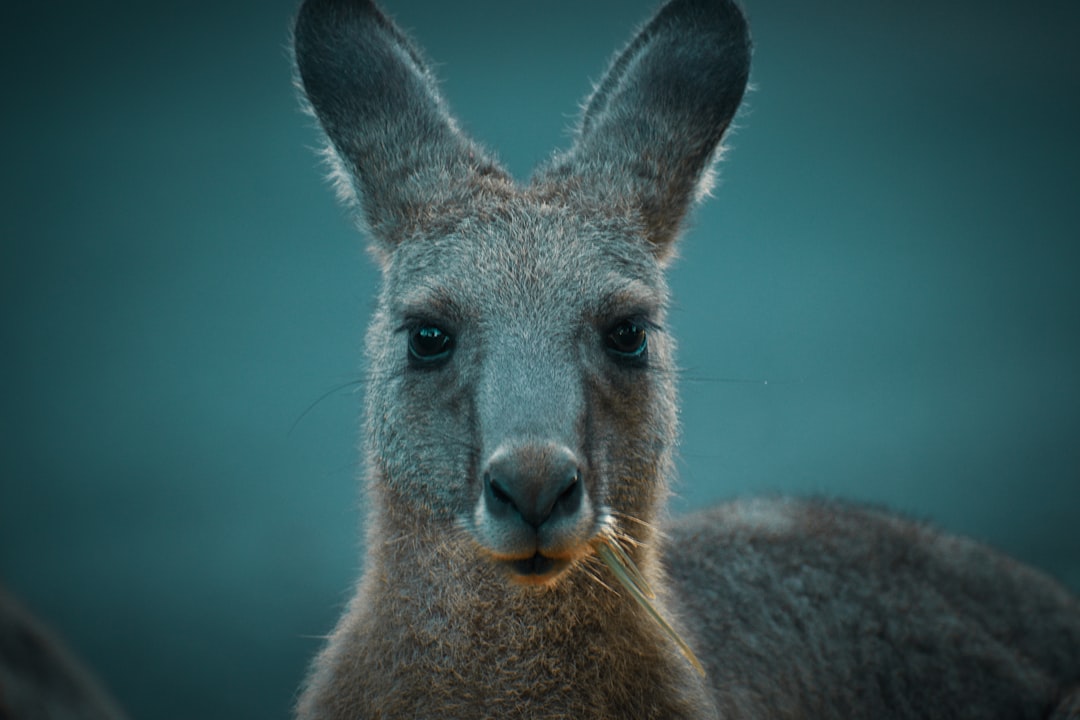
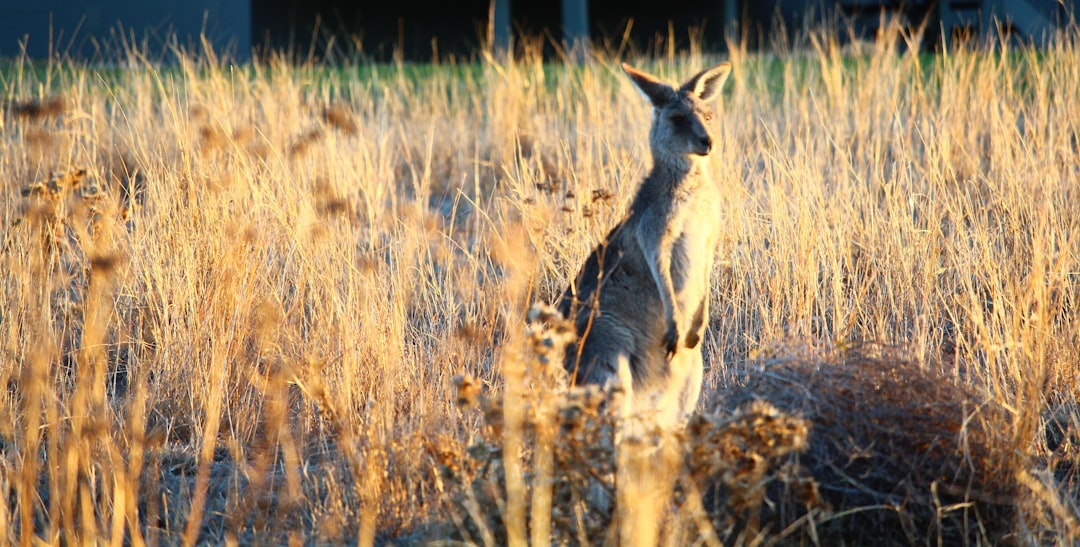
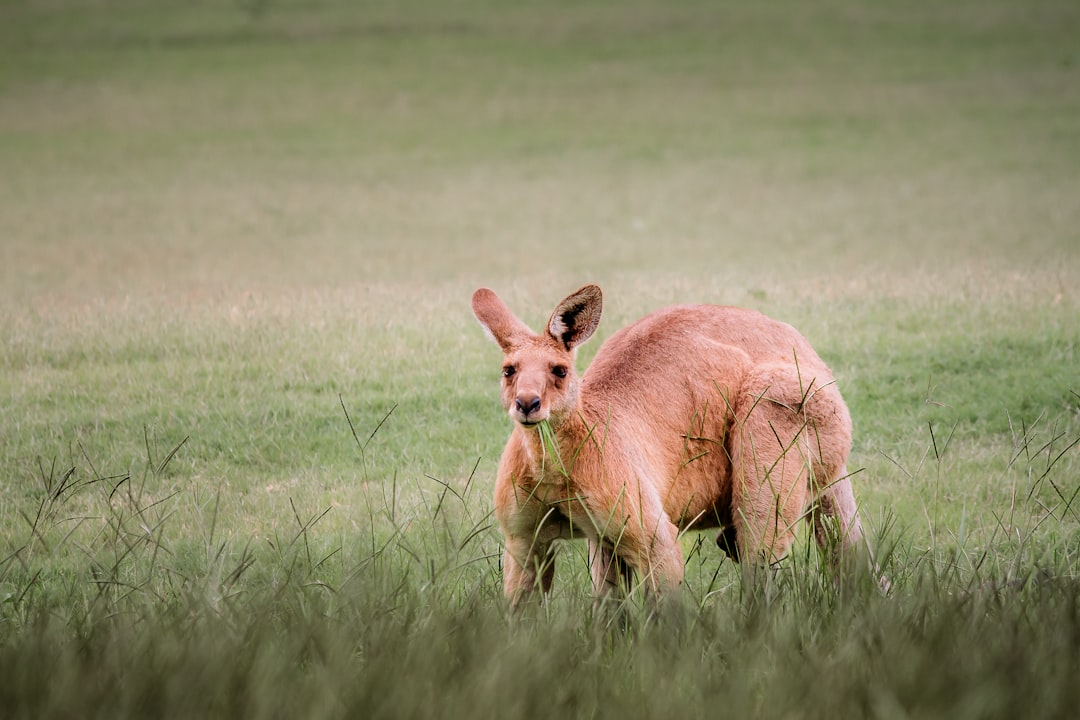
- Maintain minimum approach distances: 10 metres for macropods (kangaroos, wallabies), 20 metres for koalas, 50 metres for marine mammals on land
- Never approach an animal that changes its behaviour in response to your presence—if a kangaroo stops feeding to watch you, you’re too close
- Never surround, chase, or herd animals for photographs or “better viewing”
- Stay on marked tracks in national parks; this protects both fragile habitat and the undisturbed zones animals retreat to when stressed
Reading Body Language
Australian mammals communicate discomfort clearly once you learn to read the signals:
- Kangaroos and wallabies: Stopping feeding and standing alert is the first warning. If the animal begins to hop away or stands tall with ears pricked forward, you’ve already crossed the line.
- Koalas: A koala that stops feeding and stares directly at you is assessing threat. Continued approach may trigger bellowing (males) or climbing higher in the canopy.
- Wombats: These appear placid but can charge if cornered. A wombat that turns its rump toward you is
Frequently Asked Questions
What makes the Great Ocean Road one of Australia’s best wildlife watching destinations?
The Great Ocean Road offers extraordinary habitat diversity compressed into a manageable distance. Within 100 kilometres, you’ll traverse coastal heathland, temperate rainforest, dry sclerophyll woodland, and wet forest gullies—each supporting distinct wildlife communities. The Otways region boasts koala densities of 3-4 animals per hectare in optimal habitat, making it one of the highest concentrations in Australia. Key locations include Kennett River and Grey River Road for koalas in manna gums, Cape Otway for whale watching platforms (southern rights, June-October), and Moonlight Head for peregrine falcons hunting the updrafts along cliffs.
How should I plan a 7-day road trip from Sydney for maximum wildlife encounters?
This coastal route from Sydney to Melbourne takes you through seven distinct wildlife zones. Start at dawn through Royal National Park, stopping at Wattamolla for water dragons and swamp wallabies. Spend Day 2 at Jervis Bay for bottlenose dolphins and humpback whales (May-November). Days 3-4 cover Narooma to Eden, where Bournda National Park offers eastern grey kangaroos, red-necked wallabies, and long-nosed potoroos. Day 5 reaches Wilsons Promontory—drive slowly as the road in is notorious for wombats, wallabies, and kangaroos at dusk. Day 6 explore the Loo-Errn Track at dawn for wombats, kangaroos, wallabies, and emus. Day 7 finish at Phillip Island’s Penguin Parade at sunset.
When is the best time of year for wildlife watching along Australia’s southern coast?
Spring (September-November) is the most reliable season for terrestrial wildlife activity. Koala mating season peaks September-October, making males far more visible and audible. The echidna breeding season produces the rarely-seen ‘echidna train’ in the Grampians during July-September. Wildflower season attracts nectar-feeding birds in extraordinary numbers. Whale migration brings humpbacks south along the east coast and southern rights into protected bays at Warrnambool and Logan’s Beach. Winter (June-August) is ideal for whale watching, with southern right whales calving at Logan’s Beach, often visible from shore-based platforms along the Great Ocean Road.
What are the minimum approach distances for wildlife watching in Australia?
Maintain minimum approach distances of 10 metres for macropods (kangaroos, wallabies), 20 metres for koalas, and 50 metres for marine mammals on land. The critical principle: the animal decides how close is close enough. If a kangaroo stops feeding to watch you, you’re already too close. Never approach an animal that changes its behaviour in response to your presence. At Wilsons Promontory, the habituated wombat population allows closer approach, but maintain at least 10 metres and never chase or surround animals. Stay on marked tracks in national parks to protect both fragile habitat and the undisturbed zones animals retreat to when stressed.
What time of day produces the best wildlife sightings on Australian road trips?
Time of day matters more than season for wildlife watching success. The crepuscular (dawn and dusk) activity patterns of most Australian mammals are biological imperatives shaped by predator pressure and thermal constraints. If you’re not on location at first light or approaching dusk, you’re missing the majority of wildlife activity. In summer (December-February), start before dawn and finish by mid-morning (6-9am is the golden window) as daytime temperatures regularly exceed 35°C inland, driving wildlife into dense cover. A 10-day road trip restructured around early morning and late afternoon stops could yield dozens of quality encounters versus a handful of random midday kangaroo sightings.



Be the First to Comment
Sign in to start the conversation.