

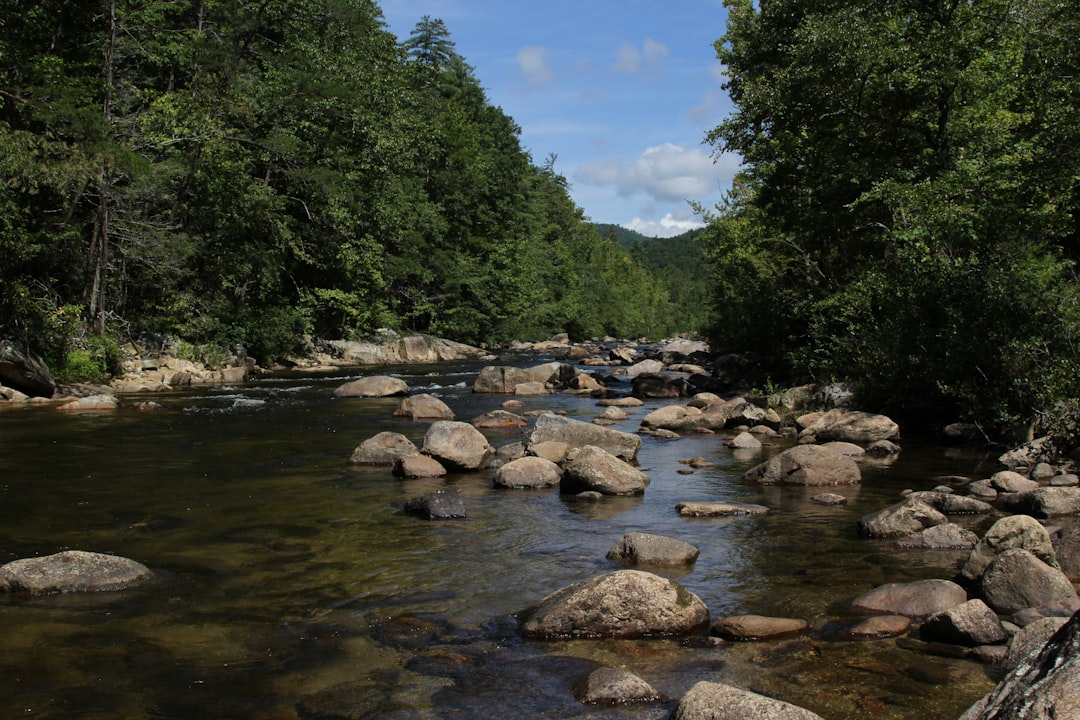
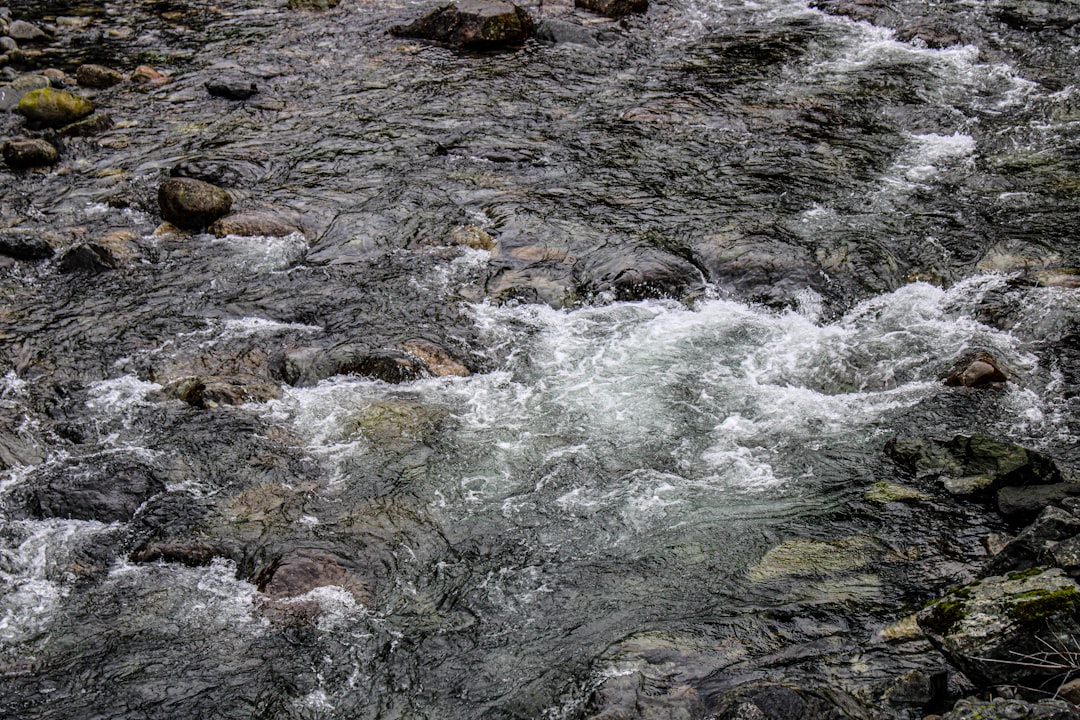
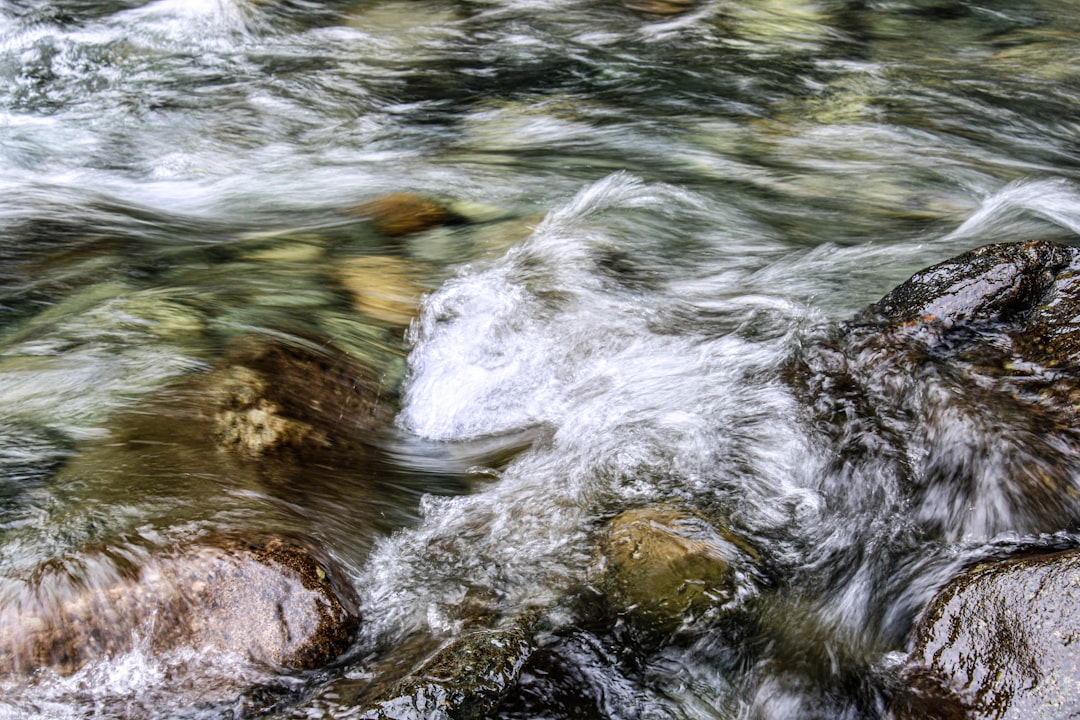
The 4WD bumps along the dirt track, and suddenly the Clarence River appears below—a churning ribbon of coffee-coloured water slicing through subtropical rainforest. Your guide’s safety briefing fades into background noise as you spot the first rapid roiling around a bend, white water erupting against ancient boulders. This isn’t the Byron Bay most people picture. No beach yoga, no smoothie bowls, no languid afternoons watching surfers at Wategos. This is the Northern Rivers at full throttle, and the question that brought you here isn’t “should I do this?” but “when should I do this?”
Why White Water Rafting Belongs on Your Byron Bay Things to Do List
Most visitors ticking off Byron Bay things to do expect surf lessons, lighthouse walks, and maybe a day trip to Minyon Falls. White water rafting rarely makes the list—and that’s precisely why it should. An hour’s drive inland from Byron’s beaches, the Clarence and Nymboida rivers offer grade 3-4 rapids that rival better-known rafting destinations, except here you’re paddling through warm water even in winter, surrounded by World Heritage-listed rainforest.
Let’s be honest about the logistics: rafting isn’t in Byron Bay proper. It’s a day trip commitment, typically starting early morning and returning late afternoon. But for Byron Bay things to do adults who’ve outgrown the backpacker party scene or families seeking genuine adventure, this is the experience that transforms a standard Byron holiday into something memorable. The region’s unique geography—steep gorges, reliable rainfall, and dam-controlled releases—means there’s genuinely good rafting year-round. You just need to know which month suits your appetite for adrenaline.
The Water Tells You When: Understanding Northern Rivers Seasons
Rafting conditions in the Northern Rivers dance to their own rhythm, governed by rainfall patterns, dam release schedules, and the occasional subtropical storm that transforms a manageable grade 3 rapid into something considerably more demanding.
Summer (December–February): High Water, Higher Stakes
Summer delivers the most dramatic rafting conditions, but it demands respect. Afternoon thunderstorms can raise river levels by metres within hours—your morning run might bear little resemblance to the afternoon return. Water temperatures sit around 24-26°C, which sounds luxurious until you’re repeatedly dunked in aerated, silty water.
The trade-off for summer’s intensity? The scenery is spectacular. Rainforest explodes with life, waterfalls cascade into the river from side gullies, and the whole ecosystem operates at fever pitch. Just plan morning trips when possible—afternoon storms are predictable enough to work around.
Autumn (March–May): The Sweet Spot
If you ask local guides about their favourite rafting month, March and April come up repeatedly. The summer rains have topped up catchments, flows remain consistent, but the oppressive humidity has broken. Mornings are crisp (bring a wetsuit top even if you run warm), water clarity improves as storm runoff settles, and—crucially—crowds thin out after the summer school holiday rush.
Autumn also aligns beautifully with other Byron Bay things to do. You can raft Saturday morning, spend Saturday afternoon recovering at the Brunswick Heads Hotel, then ease into Sunday with a wander through the Byron Bay Markets. Which market depends on timing: Byron Markets run on the first Sunday of each month, while Bangalow Markets take over the fourth Sunday. Plan accordingly.
Winter (June–August): The Underrated Option
Here’s what the brochures don’t emphasise: winter rafting in the Northern Rivers is genuinely good. Yes, 6am starts feel brutal when it’s 8°C, but water temperatures rarely drop below 16°C, and by mid-morning you’ll be paddling hard enough to stay warm. The air is crisp and clear, river levels stabilise without summer’s volatility, and you’ll often have the entire river to yourself.
Winter is when locals raft. Guides have time to share stories, point out wildlife (platypus sightings increase in cooler months), and tailor the experience to your group’s appetite. If you’re after Byron Bay things to do adults that don’t involve drinking or yoga, winter rafting delivers adventure without the summer crowds.
Spring (September–November): Unpredictable but Thrilling
Spring in the Northern Rivers keeps everyone guessing. Early spring can deliver excellent flows as winter rains work through the system, while late spring might see dropping levels that expose rocks and demand more technical paddling. It’s the “locals’ pick” not because conditions are optimal, but because the uncertainty adds an extra dimension—you’re reading the river in real-time, responding to whatever the catchment delivers.
Monthly Breakdown: Your Quick-Reference Guide
Here’s an honest month-by-month assessment to help match your trip to your expectations:
- January: Peak summer conditions, high water, intense heat. Book morning sessions. Avoid school holiday weekends if possible.
- February: Similar to January but with increased storm activity. Water levels can change dramatically—flexible itineraries essential.
- March: Excellent. Reliable post-summer flows, comfortable temperatures, fewer crowds. Highly recommended.
- April: Often the best month. Easter can be busy, but late April offers ideal conditions.
- May: Transition month. Still good flows, cooling temperatures. Great value pricing.
- June: Winter begins. Crisp mornings, stable river levels, minimal crowds. Bring thermal layers.
- July: Coldest month but often clearest water. Dam releases create predictable conditions. Excellent for photography.
- August: Similar to July. Water levels may begin dropping by late month.
- September: Unpredictable. Can be excellent or underwhelming depending on winter rainfall.
- October: Spring volatility. Good for experienced rafters who enjoy technical challenges.
- November: Warming up, but river levels inconsistent. Check conditions before booking.
- December: Summer returns. Early December offers good conditions before holiday crowds arrive.
Booking Smarts: What Locals Know
The difference between a mediocre rafting trip and an exceptional one often comes down to timing and operator selection. Here’s what experienced Northern Rivers adventurers have learned:
Dam release days are your friend. The Nymboida River benefits from scheduled releases that create predictable, consistent conditions—worth asking about when booking. Rainfall-dependent rivers like sections of the Clarence offer more variability, which can mean either better or worse experiences depending on your perspective.
Physical requirements deserve honest assessment. Grade 3-4 rafting demands reasonable fitness, the ability to swim, and willingness to follow instructions under pressure. If you have shoulder issues, back problems, or panic in turbulent water, this isn’t the activity to push through. Most operators offer family-friendly grade 1-2 options that still deliver the scenery without the intensity.
Pricing varies by season, but suspiciously cheap deals usually mean something’s compromised—older equipment, larger group sizes, or inexperienced guides. This is one area where paying market rate makes sense.
Making a Weekend of It: Rafting, Markets, and Recovery
The best Byron Bay itineraries balance intensity with recovery. A white water rafting trip fits naturally into a weekend framework that also incorporates Byron Bay markets and the region’s more languid attractions.
Consider this template for an adventure-focused weekend:
Saturday: Early morning rafting departure (6:30-7am pickup from Byron). Four to five hours on the water, returning mid-afternoon exhausted and exhilarating. Spend Saturday evening at a pub in Lismore or Bangalow—your arms will appreciate the break from driving, and the food hits differently after a day on the river.
Sunday: Sleep in, then head to whichever market is running. Byron Markets (first Sunday) offer the full spectacle—live music, incredible food, hippies who’ve been here since the 1970s. Bangalow Markets (fourth Sunday) feel more local, with better produce and fewer tourists. Both markets warrant 2-3 hours of wandering. Spend Sunday afternoon at Wategos or The Pass, watching surfers and processing the previous day’s adventure.
This rhythm—intensity followed by recovery, adrenaline followed by market wandering—captures something essential about the Northern Rivers. It’s a region that accommodates both the adventure-seeker charging down rapids and the same person, hours later, standing barefoot in grass with a chai latte, wondering where the time went.
Choose Your Own Adventure
Book next week if you’re visiting in autumn or early winter, you’re reasonably fit, and you want an experience that feels distinctly different from Byron’s usual offerings. March through May delivers the most reliable conditions for first-timers.
Wait until autumn if you’re planning ahead and want the optimal balance of water levels, weather, and crowd-free rivers. April is the month guides book for their own families.
Skip it entirely if you’re visiting during a known dry spell, you have mobility issues or injuries that compromise your ability to paddle hard and swim, or you’re looking for a passive experience where you simply float along. This isn’t that.
The river will be here whenever you’re ready. Most visitors to Byron Bay never discover what lies an hour inland—the gorges, the coffee-coloured water, the way silence descends when the engine cuts and you’re drifting between rapids. That’s fine. Some experiences earn their depth through the effort required to find them.
Frequently Asked Questions
When is the best time to go white water rafting near Byron Bay?
March and April are widely considered the optimal months for white water rafting in the Northern Rivers. Local guides consistently recommend this period because summer rains have topped up catchments for reliable flows, humidity has broken, water clarity improves as storm runoff settles, and crowds thin out after the school holiday rush. April in particular is often cited as the best month, with late April offering ideal conditions. For first-timers, March through May delivers the most reliable conditions.
How far is the white water rafting from Byron Bay?
The rafting locations on the Clarence and Nymboida rivers are approximately one hour’s drive inland from Byron Bay’s beaches. This makes it a day trip commitment, typically starting with early morning pickup (around 6:30-7am from Byron) and returning late afternoon. You’ll spend four to five hours on the water, making it a full-day adventure rather than a quick morning activity.
How far in advance should I book a white water rafting trip?
Book 2-4 weeks ahead for autumn trips and school holiday periods to secure your preferred time slot. Last-minute bookings in March-April often mean accepting less desirable times or missing out entirely. Dam release days on the Nymboida River offer predictable, consistent conditions and are worth asking about when booking. Be wary of suspiciously cheap deals, as these often mean compromised equipment, larger groups, or inexperienced guides.
Can I go white water rafting in winter near Byron Bay?
Winter (June-August) is genuinely good for rafting and is when locals typically go. While 6am starts feel brutal at 8°C air temperature, water temperatures rarely drop below 16°C. Benefits include crisp clear air, stable river levels without summer’s volatility, minimal crowds, and increased platypus sightings. July offers the clearest water and dam releases create predictable conditions, making it excellent for photography. Bring thermal layers for the early morning start.




Be the First to Comment
Sign in to start the conversation.