



Did you know that the Central Coast contains over 40 distinct trail running networks spanning from coastal sand dunes to ancient rainforests? Despite sitting just an hour north of Sydney’s CBD, this region remains one of NSW’s most diverse yet underrated playgrounds for runners, offering a unique blend of outdoor fitness opportunities that go far beyond your typical suburban park run. Whether you are a seasoned ultra-runner looking for technical elevation or a family seeking a scenic Sunday jog, the Central Coast delivers a density of trails that rivals many international destinations, all while maintaining that laid-back Aussie charm.
The “Three Moods” of the Coast: Matching Your Run to the Terrain
One of the biggest mistakes visitors make is treating the Central Coast as a single running destination. In reality, the region offers three distinctly different “vibes,” depending on what kind of outdoor fitness experience you are chasing. Instead of picking a random spot on a map, match your mood to the terrain to get the most out of your adventure.
The Coastal Cardio
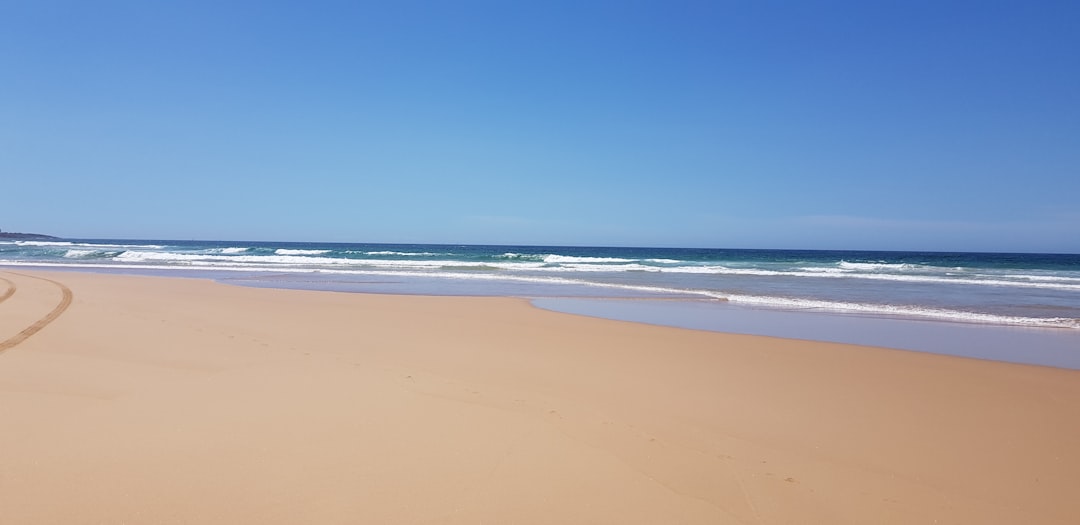
If your goal is flat, fast, and atmospheric, you want the coastal sand tracks. The run from Bateau Bay to Pelican Beach is a local favourite. It’s mostly hard-packed sand (ideal for building stability strength without the total fatigue of deep soft sand) and offers a sunrise that is worth setting the alarm for. The rhythm of the ocean here creates a natural cadence that makes the kilometres fly by. It is straightforward, open, and delivers that classic “salty hair, sandy feet” feeling that defines the best outdoor fitness in Australia.
The Green Lung
When the summer sun gets too intense, the savvy runners head inland to Ourimbah State Forest or the Katandra Reserve. These areas act as the region’s “green lung,” offering shaded, technical trails that weave through rainforest-adjacent gullies. The terrain here is rooty and rocky, demanding more focus and agility, but the payoff is a significantly cooler microclimate and a soundscape of birds rather than crashing waves.
The Lake Reflections
For those looking for low-impact recovery runs or a family-friendly excursion, the flat loops around Tuggerah Lake and within the Munmorah State Conservation Area are unbeatable. The water is often glass-calm in the early mornings, providing a meditative visual focus. These trails are wide, well-maintained, and perfect for pushing a pram or introducing beginners to the sport of trail running without the intimidation of steep hills.
Local Knowledge: Avoiding the Parking Rush
While the Central Coast is vast, the popular trailheads have a knack for filling up fast, especially on Saturdays. If you are heading to the Coast walking track at Bateau Bay, aim to arrive before 7:00 AM. The main car park near The Entrance is notorious for reaching capacity by 9:00 AM during summer. Conversely, the trailheads at the northern end of Wyrrabalong National Park near Forresters Beach often have a few spare spots even on busy mornings, offering a quieter start to your run.
When the Weather Turns: A Seasonal Strategy
Running in NSW is a year-round pursuit, but the Central Coast requires a specific strategy depending on the season. The weather here can be deceptive—what looks like a mild morning can turn into a humid, energy-sapping afternoon, or a dry track can turn into a clay slip-and-slide.
Summer Survival
Honest talk: summer on the Central Coast is humid. If you aren’t acclimated, running at midday is a recipe for bonking. The key is the early start. Not only does this beat the heat, but it also aligns with the best light. However, keep an eye on the wind. The famous “Nor-Easter” sea breeze typically picks up around mid-morning. If you are running south along the coast, it can feel like a helpful push; running north into it can feel like hitting a wall. Plan your out-and-back route to have the breeze at your back on the return leg when you are tired.
Winter Mud
As we move into the cooler months of 2026, the rain brings a different challenge: mud. The soil in many of the state conservation areas is clay-based. When wet, it becomes incredibly slippery and clings to your shoes, adding kilos of weight to your feet. Winter is the time to invest in aggressive trail shoes with deep lugs (6mm+). Leave the road shoes at home; a standard runner simply won’t grip on the clay inclines around The Entrance or the damp tracks in Kulnura.
The Unexpected Discovery: May Magic
While spring gets the glory for flowers, seasoned locals know that May is actually the secret best month for trail running here. The humidity drops off, the rain is less frequent, and the light is simply spectacular. There is a specific golden quality to the sunlight in May as it hits the escarpment in the late afternoon—it makes the gum trees glow in a way that doesn’t happen any other time of year. If you are a photography enthusiast who runs, this is the month to visit.
Coffee & Logistics: The Runner’s Reward System
Let’s be real: for many of us, the post-run coffee is just as important as the run itself. The good news is that the trailhead-to-cafe ratio on the Central Coast is excellent. However, you need to plan your logistics because public transport between trailheads can be patchy.
The Trailhead-to-Cafe Ratio
If you finish a run at Bateau Bay, you are minutes away from some of the best espresso on the coast. The local cafe scene here is thriving, and the vibe is unmistakably surf-town relaxed. Finishing at The Entrance puts you right near the waterfront dining precinct, perfect for a post-run smoothie or a flat white while watching the pelicans.
I still remember a Tuesday morning last year when I finished a gruelingly muddy run at Ourimbah. I was covered head to toe in clay, looking more like a monster than a runner. I walked into a tiny, unassuming hole-in-the-wall coffee shop, expecting a weird look. Instead, the barista just nodded, grinned, and said, “Good run out there?” That sense of community—that understanding of why we do this—is what makes the Central Coast special.
Key Moments on the Trails
The “Hidden Gem” Story: Pledger’s Spur
Everyone knows the Coast Track, but fewer people venture to Pledger’s Spur near Wyong. I headed out there on a foggy Sunday morning in June, expecting the usual weekend crowds. Instead, I found absolute solitude. The fog was so thick it dampened all sound, creating a cathedral-like silence. I didn’t see another person for 90 minutes. It was a powerful reminder that you don’t have to travel to the middle of nowhere to find isolation; you just have to know where to look on the Central Coast.
The “Gear Fail” Anecdote
Actionable advice is best learned through failure. Early one winter, I decided to shortcut a run through a reserve near Tuggerah. I was wearing my “hybrid” road-to-trail shoes—big mistake. The clay was slick as oil. Within 500 metres, I had lost count of the times my feet slid out from under me. I spent the rest of the run terrified of snapping an ankle. Lesson learned: when the Central Coast clay is wet, aggressive trail grip is mandatory. Don’t try to save weight on shoe selection here.
Key Takeaways
- Match the Mood: Choose Coastal for cardio, the Forest for shade and technicality, and the Lakes for easy family runs.
- Seasonal Tactics: Start early in summer to avoid humidity and the Nor-Easter; switch to aggressive grip shoes for the clay mud in winter.
- Timing is Everything: Arrive at Bateau Bay by 7:00 AM on weekends to secure a park; May offers the best light and running conditions.
- Logistics: Drive your own car to access the best trailheads efficiently; finish near Bateau Bay or The Entrance for the best post-run coffee culture.
Time to Lace Up
Don’t just read about it—pick one of the “Three Moods” for this weekend. If it’s a hot day, head for the shade of Ourimbah. If you want a sunrise, hit the sands of Bateau Bay. The combination of exertion, fresh air, and that distinct salty tang of the Central Coast is waiting for you. Grab your shoes, get out there, and enjoy one of the best outdoor fitness experiences Australia has to offer.
Frequently Asked Questions
What are the ‘Three Moods’ of trail running on the Central Coast?
The Central Coast offers three distinct trail running experiences tailored to different goals. ‘The Coastal Cardio’ features flat, fast tracks like the run from Bateau Bay to Pelican Beach, ideal for building stability on hard-packed sand. ‘The Green Lung’ provides shaded, technical trails through Ourimbah State Forest and Katandra Reserve, perfect for escaping the summer heat. ‘The Lake Reflections’ offers low-impact, family-friendly loops around Tuggerah Lake and Munmorah State Conservation Area, featuring wide, well-maintained paths suitable for beginners or prams.
How should I adjust my running strategy for the changing seasons on the Central Coast?
In summer, start early to beat the intense humidity and the ‘Nor-Easter’ sea breeze, carrying at least 1.5 litres of water to manage electrolyte depletion. During winter, the clay-based soil becomes slick and heavy, so it is essential to wear aggressive trail shoes with deep lugs (6mm+) rather than road shoes. For the best conditions, aim for May, which locals consider the secret best month due to lower humidity, less rain, and spectacular golden light on the escarpment.
When is the best time to arrive at popular trailheads to secure parking?
To avoid the parking rush, you should aim to arrive at the Coast walking track at Bateau Bay before 7:00 AM on Saturdays. The main car park near The Entrance is notorious for reaching capacity by 9:00 AM during the summer months. If you prefer a quieter start or arrive later, the northern end of Wyrrabalong National Park near Forresters Beach often has spare spots available even on busy mornings.
What are the logistics for travelling between trail networks on the Central Coast?
Driving your own car is strongly recommended for accessing the best trail spots efficiently. Relying on the bus system is not advised as the frequency is low, and many stops require walking significant distances on busy roads without footpaths. After your run, finishing near Bateau Bay or The Entrance offers the best post-run rewards, with Bateau Bay providing excellent local espresso and The Entrance offering a waterfront dining precinct perfect for a coffee while watching the pelicans.




Be the First to Comment
Sign in to start the conversation.