

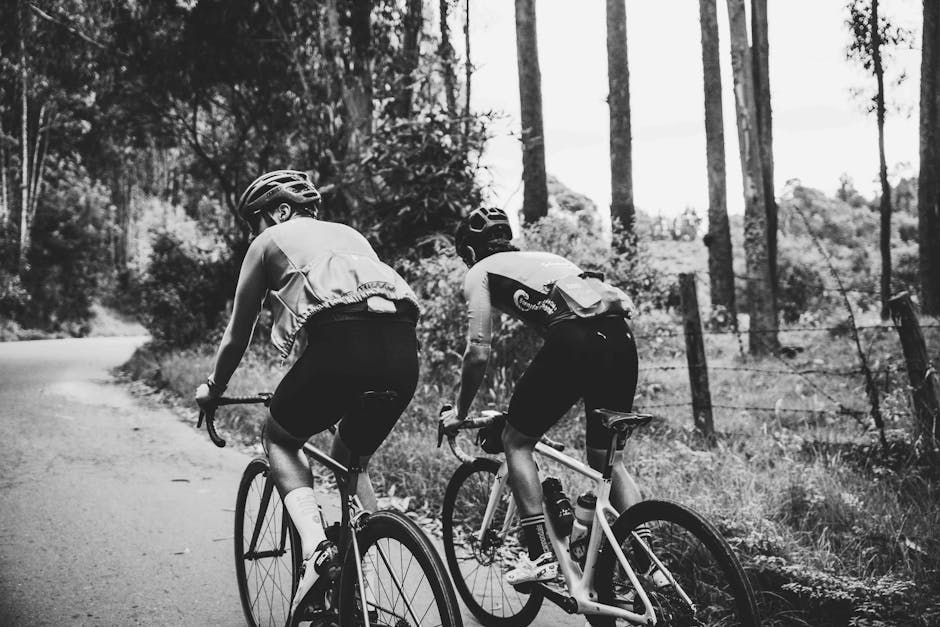
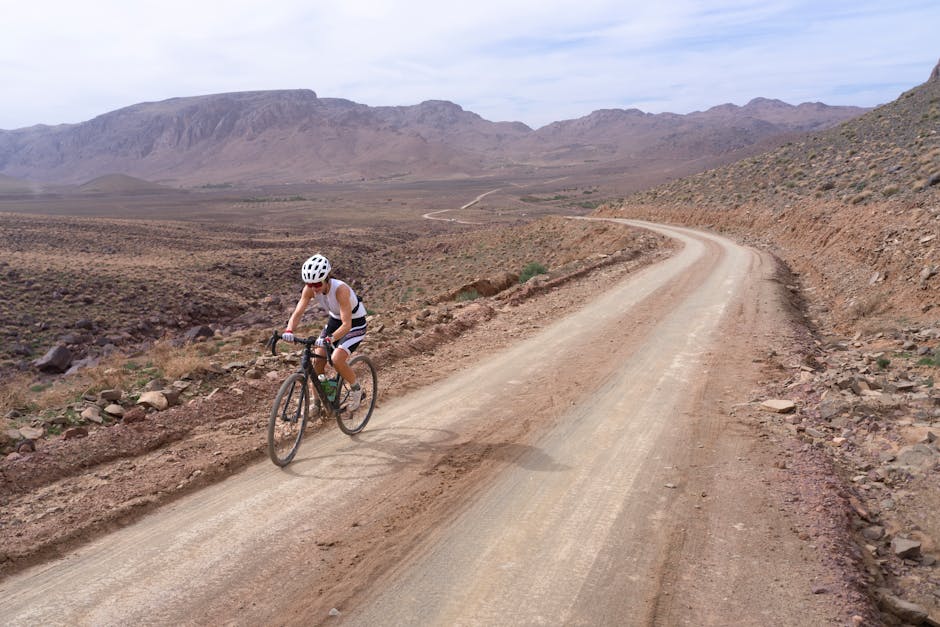
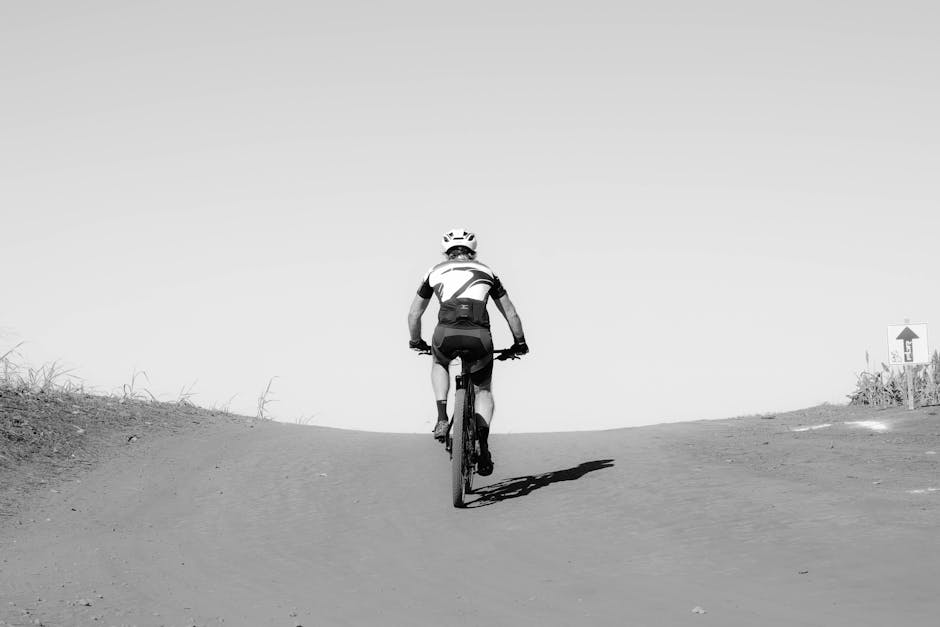
What happens when the smooth asphalt of your commute ends, and the gravel begins to whisper secrets about the Australian landscape? The transition from sealed roads to the raw, unpolished textures of the Blue Mountains isn’t just a change in surface; it is a shift in consciousness. Here, the rigid structure of city cycling dissolves into the fluid language of the terrain itself. Before you can fully embrace this dialogue with nature, however, there is a gatekeeper to pass: the regulatory framework of “Cycling Australia”. For many riders, this bureaucracy seems dry, but in reality, it is your passport. Membership and “Cycling Australia insurance” are not merely administrative hurdles; they are the safety net that allows you to explore freely, knowing that your participation in sanctioned events—and even casual rides on public infrastructure—is covered. Understanding the “Cycling Australia login” processes and registration pathways is as crucial to your preparation as checking your tyre pressure, ensuring that when you hit the trails, you are legally and financially protected to chase the adventure.
The Mechanics of the Mist – Gear, Grit, and Governance
Riding gravel in the Blue Mountains is not synonymous with simply riding a bike on dirt. The unique geology of this region—ancient sandstone, hardened volcanic rock, and loose shale—demands a specific mechanical approach that generic advice often misses. To ride here effectively, you must understand how your machine interacts with these variable surfaces.
Tire Pressure Tuning for Variable Surfaces
The most critical adjustment you can make is to your tyre pressure. The Blue Mountains present a dichotomy: sections of near-imperishable, jagged sandstone that punish rigid frames, followed by stretches of loose shale that invite sliding. A one-size-fits-all approach to inflation will result in pinched tubes or rim damage.
Expert mechanics recommend starting with a pressure range of 30-40psi for modern gravel tyres (40mm+ width), depending on the rider’s weight and the specific terrain profile of the day. On the harder, volcanic outcrops often found near Leura and Katoomba, higher pressures (closer to 40psi) provide the necessary roll speed and puncture resistance. Conversely, when descending into valleys with loose shale, dropping to 30-32psi increases the contact patch, allowing the tyre to “float” over rocks rather than bounce off them. This micro-adjustment is what separates a controlled ride from an exhausting battle against the ground.
The Non-Negotiables of Governance
While gear is tangible, governance is the invisible infrastructure that supports the sport. “Cycling Australia” membership provides more than just a licence; it offers third-party liability insurance and accident coverage. This distinction is vital when distinguishing between casual riding and multi-day gravel events.
If you are participating in a commercial event or a club-organised ride that falls under the “Cycling Australia” umbrella, your casual insurance covers you. However, for self-organised exploration, ensuring your personal health insurance is up to date is equally important. The “Cycling Australia login” portal serves as a centralised hub for verifying your membership status, accessing event calendars, and understanding the specific liability waivers required for certain rugged trails. By engaging with these digital tools, you are not just filling out forms; you are integrating yourself into the ecosystem of Australian cycling, ensuring that your passion for exploration is backed by robust support structures.
Decoding the Blue Mountains – A Topographical Narrative
The Blue Mountains are not merely a location; they are a complex topographical entity that dictates the rhythm of your ride. To navigate this region successfully, one must move beyond simple distance metrics and categorise routes by *experience type*. This approach allows riders to match their physical capabilities and equipment with the psychological demands of the terrain.
Family-Friendly Gravel
For families and beginners, the eastern foothills offer a gentler introduction to gravel riding. Routes near Emu Plains and along the lower slopes of Mount Tomah provide rolling hills with wider, more stable surfaces. These trails are ideal for building confidence without the immediate threat of technical descents.
- Focus: Endurance and enjoyment.
- Surface: Packed gravel with occasional sand patches.
- Key Landmark: The historic Emu Plains railway precinct, offering cultural context to the physical exertion.
Technical Singletrack Mixes
As you move westward towards the escarpment, the terrain sharpens. This zone is defined by “Technical Singletrack Mixes,” where smooth gravel intersects with rocky paths and occasional root systems. Riders here must possess advanced handling skills, particularly in low-traction conditions.
Mount Solitary
Championship-Level Endurance
For the seasoned enthusiast, the route towards Wentworth Falls and beyond offers “Championship-Level Endurance” challenges. These routes are characterised by long, sustained climbs and rapid descents that demand peak physical output. The surfaces here are often the hardest, featuring exposed sandstone that can be slippery when wet but abrasive enough to wear down brake pads rapidly.
The Rider’s Mindset – From Beginner to Champion
Gear and geography are only half the equation. The true essence of gravel riding lies in the psychological journey—the transition from hesitation to flow state. This section addresses the “authentic_experience” of riding in NSW, focusing on pacing, nutrition, and the mental resilience required to tackle unpredictable conditions.
Pacing and Nutrition: The Long Game
Gravel riding is often mistaken for an all-out sprint, but it is rarely. The variable surface resistance demands a conservative energy expenditure in the early stages of your ride. A common mistake among beginners is pushing too hard on the initial climbs, leading to a “bonk” (extreme fatigue) before the technical descents.
Actionable Advice:
- Sustained Intake: Consume 60-90g of carbohydrates per hour. On technical descents, keep one hand on the brakes and the other on a nutrition source (gel or bar).
- Breathing Technique: Focus on rhythmic breathing during climbs to maximise oxygen uptake. This mental anchor helps manage the physical stress of steep gradients.
- Descend with Confidence: The descents in the Blue Mountains are where rides are won or lost. Shift your weight back, relax your elbows, and trust your bike. Hesitation here leads to crashes.
A Personal Story: The Rain and the Reward
Last season, I encountered a scenario that perfectly illustrates the interplay between preparation and opportunity. My group planned a ride towards Mount Solitary, but as we neared the summit, the sky opened up. The gravel turned to mud, and visibility dropped significantly. We had a choice: turn back or push through the mist.
We chose to push. The rain had washed away the loose shale, revealing hard-packed clay underneath—a surface far faster and more predictable than the dry dust we had feared. We navigated a series of hidden tracks, deeper into the valleys than our maps suggested possible. This unexpected change in conditions transformed a standard ride into an adventure of discovery. It taught us that resilience is not just about physical strength, but about adaptability. When the weather changes, so does the landscape; the rider who adapts thrives.
The Aspirational Milestone: Australian Road Cycling Championships 2026
For many riders, the local gravel scene serves as a training ground for broader competition. With the Australian Road Cycling Championships 2026 on the horizon, local gravel rides are increasingly viewed as essential preparation for multi-discipline events. The endurance built on Blue Mountains trails translates directly to the demands of national competition.
The “Cycling Australia” framework supports this aspirational journey by providing pathways from local club rides to national championships. By participating in these events, riders contribute to the vibrant community of Australian cycling, bridging the gap between casual recreation and elite sport. The 2026 championships promise to be a landmark event, showcasing the depth of talent nurtured in regions like the Blue Mountains.
The Unexpected Discovery
One of the most profound moments in gravel riding is the “Unexpected Discovery.” Consider a rider who took a wrong turn off a marked trail near Leura, steering away from the main path in search of shade. Instead of frustration, they stumbled upon a hidden, abandoned colonial-era track covered in wildflowers. This moment encapsulates the core value proposition of gravel riding: the reward for exploration is often beauty, not just fitness.
This discovery validates the risk of venturing off-paved roads. It reminds us that the road itself is a character, offering glimpses into history and nature that are inaccessible from the main thoroughfares. These moments of serendipity are why we ride.
The Specific Reference: The Grose Valley Descent
To provide concrete insight, let us examine the descent into the Grose Valley. This is not merely a “steep” section; it is a calculated challenge. The average gradient is 8%, with peaks reaching 12%. The surface is predominantly sandstone, which can be treacherous when wet due to its smooth, glass-like texture.
Riders must approach this section with extreme caution. Brake modulation is key, as overheating brake pads on such a long descent can lead to fade. Using lower gears to control speed, rather than relying solely on brakes, preserves both the mechanical components and your physical stamina for the return climb. This specific breakdown allows you to visualise the physical challenge, moving beyond vague descriptors to a tangible understanding of the terrain.
Conclusion: Letting the Road Decide
We have explored the mechanics, the geography, and the mindset required to master gravel riding in the Blue Mountains. But ultimately, this sport is about more than data or gear; it is about connection. It is about the feeling of gravel crunching under your tyres and the wind in your face as you descend into a valley that feels centuries older than the machinery you ride.
When was the last time you let the road decide your destination?
The Blue Mountains await, not as a challenge to be conquered, but as a landscape to be engaged with on its own terms. By leveraging the resources provided by “Cycling Australia” and respecting the unique demands of this environment, you position yourself to experience the full spectrum of what gravel riding has to offer. Whether you are a family seeking adventure, a beginner finding your legs, or an aspiring champion targeting the Australian Road Cycling Championships 2026, the journey begins with a single pedal stroke.
Your next step is clear: log in to “Cycling Australia”, verify your insurance, and plan your first ride. The road is calling, and it speaks in the language of gravel, grit, and grand horizons. Are you ready to listen?
Frequently Asked Questions
What is the recommended tyre pressure for riding in the Blue Mountains?
Expert mechanics recommend starting with a pressure range of 30-40psi for modern gravel tyres (40mm+ width), adjusted based on rider weight and terrain. On harder volcanic outcrops near Leura and Katoomba, higher pressures closer to 40psi provide roll speed and puncture resistance. However, when descending into valleys with loose shale, dropping to 30-32psi increases the contact patch, allowing tyres to float over rocks rather than bounce. Running pressure below 28psi on sharp sandstone sections significantly increases the risk of ‘snake bite’ punctures.
Why is Cycling Australia membership important for gravel riders?
Membership in ‘Cycling Australia’ acts as a crucial safety net, providing third-party liability insurance and accident coverage. This is vital for participating in sanctioned events or club-organised rides under their umbrella, ensuring legal and financial protection. For self-organised exploration, verifying your status via the ‘Cycling Australia login’ portal helps you access event calendars and liability waivers. It integrates riders into the broader ecosystem of Australian cycling, ensuring that your passion for exploration is backed by robust support structures and insurance.
How should riders adjust their gear and technique for variable surfaces?
Riders must adapt to the Blue Mountains’ unique geology, which includes ancient sandstone, volcanic rock, and loose shale. Use higher pressures (40psi) for speed on hard outcrops near Katoomba, and lower pressures (30-32psi) for better traction on loose shale. Always carry a portable floor pump and spare tubes with proper valves, as mobile reception is spotty. On steep descents like the Grose Valley (8% average gradient), use lower gears to control speed rather than relying solely on brakes to prevent overheating and fade.
When is the best time to ride Mount Solitary and how do conditions change?
Riders should be aware that fog can settle rapidly in the late afternoon near Mount Solitary, reducing visibility and making brake surfaces slick with condensation. If rain occurs, as noted in personal accounts, loose shale may wash away to reveal faster, hard-packed clay underneath. However, this requires adaptability; visibility drops and surfaces change unpredictably. Riders should adjust braking techniques to use modulation rather than constant pressure to avoid locking up on wet shale, making timing and weather awareness critical for a safe ride.
What resources are available for support in the Blue Mountains?
Several local bike shops specialising in gravel support are located in Katoomba and Leura. These establishments often offer shuttle services or emergency repair kits for riders tackling more remote western routes, providing a safety net closer to advanced terrain. Additionally, the ‘Cycling Australia’ login portal serves as a centralised hub for verifying membership status and accessing event calendars. For families, routes near Emu Plains and Mount Tomah offer gentler slopes with wider surfaces, while local shops can assist with technical maintenance if you venture further west.

Be the First to Comment
Sign in to start the conversation.