
The car winds around the bend and suddenly, Kakadu opens up like a bruised eye, vast and unapologetic under the blinding Northern Territory sun. Standing at the edge of Yellow Water Billabong, the air hits you first—not merely hot, but thick with a humidity that feels like wearing a wet wool blanket. It smells of salt spray, ancient mud, and the metallic tang of rain that hasn’t fallen yet. In this foreground, a lone figure moves rhythmically on a rusted, salt-cresped pull-up frame, their silhouette sharp against the looming sandstone escarpments of the Arnhem Land plateau. This isn’t a gym with air conditioning and mirrored walls; it’s an arena where the environment is your primary resistance. In Kakadu, “fitness” isn’t about aesthetics or hitting an Instagrammable pose; it’s about survival, adaptation, and showing a deep respect for the land. Here, on the white sands that have witnessed millennia of life and death, you learn quickly that true strength is measured not by how much you can lift, but by how well you can endure the elements.
The Anatomy of the Arena: Why Kakadu is Different
When people discuss beach fitness in Kakadu, they often default to generic advice about “burning more calories” due to the heat. This is a fundamental misunderstanding of what makes the Northern Territory (NT) such a unique training ground. The physiological demands here are distinct from coastal workouts in Sydney or Melbourne, requiring a shift from aesthetic-driven training to survival-oriented conditioning.
The primary differentiator is thermoregulation. In the Top End, particularly during the lead-up to the wet season, humidity levels frequently exceed 80%. Your body’s cooling mechanism—sweat evaporation—is severely compromised. This means your heart rate spikes much faster, not because you are exerting yourself more mechanically, but because your cardiovascular system is working double duty to pump blood to the skin’s surface for cooling. This creates a phenomenon we call “environmental resistance.” It is not just the wind shear or the uneven terrain; it is the air itself, a viscous medium that fights every movement.
The terrain itself adds another layer of complexity. Unlike the firm, packed sand found at Bondi or Manly, much of Kakadu’s coastline and billabong edges feature soft, shifting substrates mixed with mangrove roots. This instability increases the engagement of stabiliser muscles in your ankles and knees by up to 30%, according to biomechanical studies on uneven surface training. However, it also introduces a risk of joint strain if your technique is poor. The “Council Outdoor Gym Equipment” available in nearby townships like Jabiru or Timber Creek is often placed on these unstable edges, adding a variable of proprioception to every rep.
The Council’s Blueprint: Navigating Outdoor Infrastructure
One of the most exciting developments in outdoor fitness Australia is the proliferation of council-funded outdoor gyms. In the NT, these installations are often robustly built to withstand tropical conditions, but they present their own challenges. Understanding how to audit and use this council outdoor gym equipment is crucial for safety.
In towns like Darwin, Palmerston, and remote hubs within Kakadu, you will typically find stations designed for upper body isolation (pull-up bars, dip stations) and functional movement (sit-up benches, leg press levers). However, the tropical climate accelerates wear and tear. Salt corrosion is the enemy of metal fixtures.
Maintenance Checklist for Public Fitness Stations
Before using any public fixture, perform a rapid safety audit. Do not skip this step.
- Inspect for Rust: Look closely at weld points, especially on pull-up bars and dip stations. Flaking orange rust indicates structural weakness.
- Check Fasteners: Ensure bolts are tight. Wind and humidity can loosen nuts over time. If a bolt spins freely, do not use that station.
- Test Stability: Gently shake the structure. If it rocks or shifts more than an inch, walk away.
- Beware of Splinters: Wooden elements, such as sit-up benches or box jumps, are prone to rotting and splintering. Wear closed-toe shoes.
This diligence is not paranoia; it’s prudence. In 2024, a well-publicised incident in a remote NT township involved a dip station failing due to salt corrosion, resulting in injury. The lesson was clear: public infrastructure is provided as a convenience, not a guarantee of safety. The responsibility for your own safety lies with you.
The Skill Ladder: From First Step to Advanced Flow
Fitness in Kakadu is not a monolith; it is a progression. Whether you are a family looking for a fun activity or an athlete seeking elite conditioning, your approach must match your skill level. We break this down into three distinct phases.
Level 1: The Acclimatisation Phase
Target Audience: Beginners, families, and those new to the tropics.
The goal here is not intensity; it is stability. The soft sand forces your core and stabiliser muscles to fire constantly. Start with low-impact calisthenics.
- Stability Squats: Perform bodyweight squats slowly. Focus on keeping your heels planted in the sand.
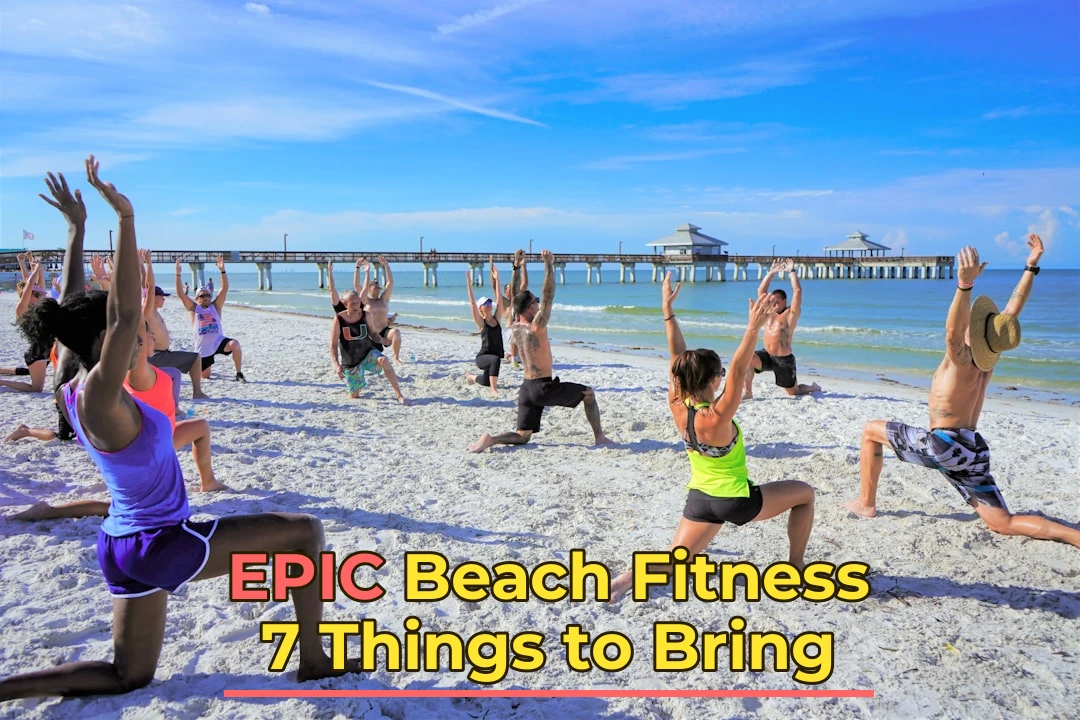
- Balanced Lunges: Step forward into a lunge, holding for three seconds before returning. The uneven ground will challenge your balance immediately.
- Incline Push-ups: Use a low, sturdy council bench. Keep your body rigid to counteract the shifting base.
Level 2: The Functional Phase
Target Audience: Intermediate athletes and regular gym-goers.
Now that you are acclimatised, integrate the council outdoor gym equipment with dynamic movements. This is where Kakadu shines as a training ground.
- Weighted Pull-ups: Attach a weighted vest to your pull-up harness. The humidity adds resistance, making the exercise significantly harder.
- Sandbag Carries: If you don’t have a sandbag, use the council’s medicine ball stations for unilateral carries. Walk 50 metres along the boardwalk, focusing on posture.
- Dip to Squat Transitions: Perform a set of dips, then immediately drop into deep squats. This mimics the functional demands of navigating rugged terrain.
Level 3: The Master Phase
Target Audience: Elite athletes and endurance specialists.
This phase leverages the heat for high-intensity interval training (HIIT). The goal is to push your lactate threshold in a controlled manner.
- Sprint Intervals: Find a firm stretch of beach. Sprint for 30 seconds, walk for 90. Repeat 8 times. The heat will spike your heart rate rapidly.
- Burpee on Sand: Drop to the sand, push up, and jump explosively. Landing in soft sand absorbs impact but requires more power to launch.
- Circuit Training: Combine pull-ups, dips, and squats in a continuous circuit with minimal rest.
The Unexpected Discovery: Timing Your Training
Here is a counter-intuitive piece of advice that challenges standard fitness dogma: the best time to train in Kakadu is often just before sunset, not early morning.
Morning humidity can be deceptive. While it feels cooler, the air is often stagnant, and thermal updrafts have not yet kicked in. By late afternoon, typically between 4:30 PM and 6:00 PM (during the dry season), the thermal updrafts die down, and a consistent sea breeze begins. This provides natural cooling and reduces the risk of heat exhaustion. I once pushed through a brutal morning session only to realise an afternoon session felt significantly easier, despite the air temperature being higher. The wind made all the difference.
The Unsung Hero: Home Outdoor Gym Equipment for Isolation
Not everyone lives in the Top End. For those of us across Australia seeking the best outdoor fitness australia has to offer without the humidity, creating a “Kakadu-style” environment at home is possible with the right home outdoor gym equipment.
You cannot replicate the biodiversity or the sheer scale of Kakadu, but you can mimic its physical demands. The key is instability and resistance.
Essential Gear for the Home Rugged Gym
- Portable Resistance Bands: Invest in heavy-duty latex bands. They mimic the tension of wind resistance and can be anchored to trees or fences.
- Sandbags: This is the cornerstone of functional outdoor training. Fill heavy-duty canvas bags with sand. The shifting weight inside the bag creates an unstable load, forcing your core to work harder than with a kettlebell. You can source these from local canvas suppliers or make your own using heavy-duty duck cloth.
- Weather-Resistant Rigging: Install a pull-up bar that can be mounted on sturdy trees or fences. Ensure it is rated for dynamic movements.
- Unstable Surfaces: Use balance boards or Bosu balls outdoors to simulate the uneven ground of mangrove edges.
Honest Limitation: No home setup perfectly replicates the psychological and physiological stress of training in Kakadu. The presence of wildlife, the vastness of the landscape, and the oppressive humidity create a unique mental state. However, building this “rugged aesthetic” at home fosters mental resilience and prepares you for the real thing.
Resource Link: For those in Sydney or Melbourne looking for high-quality sandbags, consider supporting local outdoor gear suppliers like “Wild Gear Australia” or custom canvas makers in the CBD who specialise in durable outdoor equipment.
The Call to the Wild
You leave the beach not just stronger, but changed. The salt dries on your skin, a badge of effort in one of the most beautiful corners of Australia. Beach Fitness in Kakadu isn’t about looking good; it’s about feeling alive in a landscape that demands respect. It is about listening to the crackle of cicadas, the rush of the billabong, and the steady beat of your own heart.
In Kakadu, fitness is a dialogue with the land. It asks you to be present, to adapt, and to endure. Whether you are using council outdoor gym equipment in Jabiru or setting up a simple sandbag routine on your backyard deck, the principle remains the same: respect the environment, listen to your body, and push your limits with intention.
Final Action: Before your next session, download our one-page ‘Kakadu Beach Safety & Workout Checklist’. It covers heat stroke recognition, equipment audits, and a sample 20-minute circuit designed for the Top End. Go find your patch of sand, check your equipment, and listen to the land. It’s telling you what you’re capable of.
Summary
- Kakadu’s humidity significantly impacts thermoregulation, requiring a 7-10 day acclimatisation period.
- Council outdoor gym equipment must be audited for rust and stability before use, especially in tropical climates.
- Timing matters: Late afternoon training often offers better conditions due to thermal updrafts and sea breezes.
- Home setups can mimic outdoor challenges using sandbags and resistance bands to build functional strength.
- Safety first: Always prioritise heat safety and equipment integrity over intensity.
Frequently Asked Questions
Why is Kakadu considered a unique training ground compared to coastal gyms in Sydney or Melbourne?
Kakadu’s unique environment creates ‘environmental resistance’ that differs significantly from standard coastal workouts. The primary factor is thermoregulation; during the lead-up to the wet season, humidity levels frequently exceed 80%, severely compromising sweat evaporation. This forces your cardiovascular system to work double duty pumping blood to the skin for cooling, causing heart rates to spike faster than mechanical exertion would suggest. Additionally, the terrain features soft, shifting substrates and mangrove roots rather than firm packed sand. This instability increases stabiliser muscle engagement in ankles and knees by up to 30%, demanding survival-oriented conditioning rather than aesthetic-driven training. You are essentially training against the air itself, which acts as a viscous medium resisting every movement.
What safety protocols must be followed before high-intensity training in the Northern Territory?
Safety is paramount due to the extreme heat and humidity. The NT Health Department advises a mandatory gradual acclimatisation period of 7-10 days before pushing cardiovascular limits. Ignoring this advice is not just risky but can be fatal. Before using any public fixtures, you must perform a rapid safety audit: inspect weld points for flaking orange rust indicating structural weakness, check that bolts are tight as humidity loosens nuts, and test stability by gently shaking the structure. If it rocks more than an inch, walk away. Always confirm operating hours and equipment status with local park rangers, as official outdoor gyms are scarce within Kakadu itself and mostly located in visitor centres or townships like Jabiru.
When is the best time of day to train in Kakadu for optimal conditions?
Contrary to standard fitness dogma, the best time to train in Kakadu is often just before sunset, typically between 4:30 PM and 6:00 PM during the dry season. While mornings may feel cooler, the air is often stagnant with no thermal updrafts. By late afternoon, thermal updrafts die down and a consistent sea breeze begins, providing natural cooling that reduces the risk of heat exhaustion. However, you must always check the Bureau of Meteorology’s UV Index and heat advisory. If the UV index is above 10, you should train in the shade or after 5 PM to ensure safety against extreme solar exposure.
What specific equipment and techniques are recommended for training near mangrove edges or on council gym stations?
When using Council Outdoor Gym Equipment in areas like Jabiru or Timber Creek, you must navigate unstable edges mixed with mangrove roots. Use the ‘three-point contact’ rule: keep two hands or feet on stable ground at all times while moving between stations, as roots can be slippery with salt spray. For home setups mimicking this environment, invest in heavy-duty latex resistance bands to mimic wind tension and sandbags for unstable loads. Sandbags force your core to work harder than kettlebells due to shifting weight. For public stations, always perform a maintenance checklist: look for rust on pull-up bars and ensure wooden elements like sit-up benches are free of splinters by wearing closed-toe shoes.
How does training on soft sand in Kakadu impact energy expenditure compared to hard surfaces?
Training on the white, shifting sands of Kakadu significantly increases energy expenditure compared to firm surfaces like those at Bondi or Manly. Studies indicate that soft sand training can increase energy expenditure by 1.6 to 2.7 times, making even low-intensity movements highly effective for fat loss. This is because the soft substrate forces your core and stabiliser muscles to fire constantly to maintain balance and heel placement. For beginners, this means starting with low-impact calisthenics like stability squats and balanced lunges to build foundation strength. The instability also increases engagement of stabiliser muscles in ankles and knees by up to 30%, requiring careful technique to avoid joint strain.

Be the First to Comment
Sign in to start the conversation.