

What If Your Gym Membership Was 3,000 Kilometres of Bushland, Coastline, and Rainforest — And the Entry Fee Was Just a Pair of Shoes?
That’s the proposition of outdoor fitness Australia at its purest: a continent-sized training ground where every trail, beach, and mountain path becomes your equipment. Australia offers some of the most diverse and accessible best outdoor fitness Australia experiences on the planet, from the alpine trails of Thredbo to the subtropical rainforests of the Gold Coast hinterland. And here’s what fifteen years of pounding tracks has taught me — once you discover what the land offers, that expensive home outdoor gym equipment you bought during lockdown starts gathering cobwebs. Not because equipment doesn’t matter, but because trails deliver something machines never will: fitness that actually translates to the real world.
The Terrain Taxonomy — Matching Trails to Fitness Goals
The beauty of Australian trail running lies in its geological diversity. Each terrain type builds different fitness attributes, and understanding this transforms your runs from mere cardio into targeted training sessions.
Sandy Coastal Paths: The Endurance Builders
Beach running and coastal dune trails are the unsung heroes of outdoor fitness Australia. Running on sand requires 2.1 to 2.7 times more energy than running on firm surfaces at the same speed, according to research from Edith Cowan University. The Gold Coast’s coastline offers endless variations — from the firm sand at low tide near Burleigh Heads to the soft dune trails of Main Beach that will have your calves screaming within minutes.
Rainforest Single Track: Proprioception and Agility
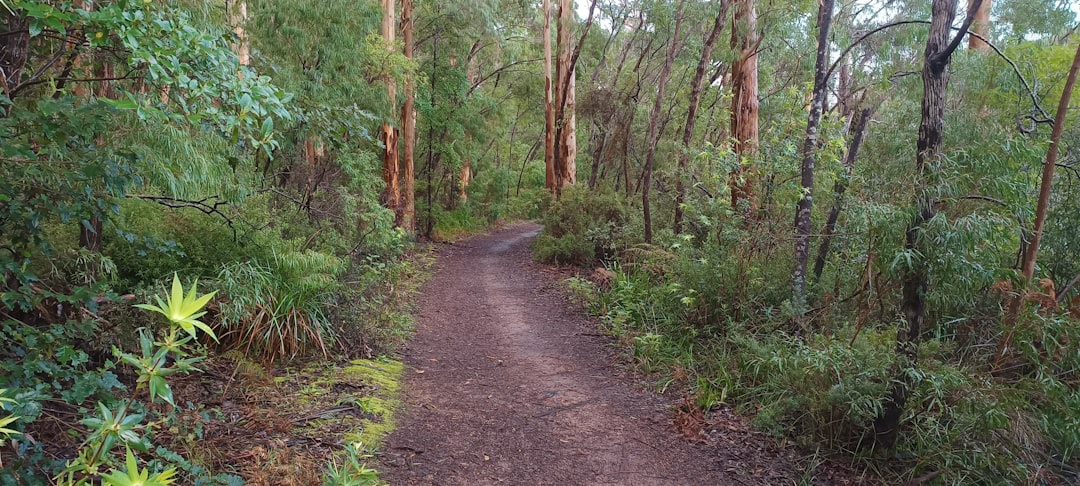
The Gold Coast hinterland — particularly Springbrook and Lamington National Parks — offers technical single track that demands constant attention. Roots, rocks, and uneven terrain force your body to make micro-adjustments with every step. This is proprioceptive training that no home outdoor gym equipment can replicate.
Trails like the Toolona Creek Circuit or the Toolona-Mount Bithongabel route don’t just build cardiovascular fitness — they train your nervous system. You’ll develop ankle stability, core reflexes, and split-second decision-making that translates directly to fall prevention in daily life.
Mountain Ascents: Power and Mental Fortitude
Nothing builds strength endurance quite like a sustained climb. The Springbrook plateau trails, particularly those ascending from Numinbah Valley, offer gradients that would make a treadmill weep. These aren’t just physical challenges — they’re mental conditioning. When you’ve climbed 400 vertical metres through humid rainforest, that hill on your regular neighbourhood run feels like a speed bump.
Urban Trail Networks: Accessibility Meets Variety
Not every training run requires a pilgrimage to the hinterland. The Gold Coast’s urban trail network — including the Coomera River tracks and various council-maintained paths — provides accessible outdoor fitness Australia options for time-poor runners. These flatter, well-maintained trails are perfect for recovery runs, speed work, or introducing beginners to off-road running.
Your Body as Equipment — Why the Best Outdoor Fitness Australia Offers Needs No Gear
Here’s the contrarian truth the fitness industry won’t tell you: the best outdoor fitness Australia provides requires zero equipment purchases. Trail running delivers comprehensive functional fitness through nothing but your own body moving through varied terrain.
Lower Body Strength That Machines Can’t Build
I learned this the hard way. After six months of exclusive trail running on the Gold Coast’s varied terrain, I returned to a gym leg press out of curiosity. The weight I’d struggled with six months earlier now moved like it was made of cardboard. But the real surprise came the next day — my stabiliser muscles, the ones trail running had silently strengthened, were sore in places I didn’t know existed.
Trail running builds eccentric strength (muscle lengthening under load) every time you descend. It develops unilateral leg strength as you navigate uneven surfaces. It creates explosive power through technical sections requiring jumps and bounds. No leg press, squat rack, or home outdoor gym equipment replicates this neurological complexity.
Core Stability Through Chaos
On a treadmill, your core barely works because the surface is perfectly even. On trails, your core constantly fires to maintain balance and forward momentum. Rocky Gold Coast trails like those around Burleigh Heads National Park force rotational stability. Rooted sections in Nerang National Park demand anti-lateral flexion. Your core learns to stabilise dynamically — not statically, as in a plank.
The Honest Limitation: Upper Body Realities
I’ll be transparent: trails won’t build your biceps or develop bench press strength. This is where complementary home outdoor gym equipment earns its place. A simple pull-up bar mounted in a doorframe, combined with your trail running, creates a remarkably complete fitness programme. The trails handle everything from the waist down, plus cardiovascular endurance. The pull-up bar addresses the upper body pulling that trails neglect.
The Gold Coast Gradient — A Training Ground Like No Other
The Gold Coast isn’t just a holiday destination — it’s one of Australia’s premier trail running locations, offering everything from beginner-friendly paths to legitimate mountain training. After years exploring these trails, here’s my definitive guide to the region’s best outdoor fitness opportunities.
Beginner Trails: Building Foundation
- Burleigh Heads National Park Coastal Walk (2.3km loop): Don’t let the short distance fool you. The rocky sections and stairs provide genuine fitness challenges, while the ocean views make the effort feel effortless. Perfect for newcomers to trail running.
- Hinze Dam Western Loop (various distances): Well-maintained fire trails with gentle gradients. Ideal for building endurance without technical challenges. Water views provide psychological reward.
- Tallebudgera Creek Track (4km): Flat, scenic, and accessible. Perfect for recovery runs or introducing family members to trail culture.
Intermediate Trails: The Sweet Spot
- Purling Brook Falls Circuit (4km): This trail has everything — rainforest, waterfalls, stairs that build serious leg strength, and enough technicality to keep you engaged. The return climb from the falls base is a genuine fitness test.
- Natural Bridge Circuit (1.5km): Short but spectacular. The descent to the arch builds eccentric strength; the climb back out tests cardiovascular recovery. Combine with extended walks in the surrounding Springbrook area for a full workout.
- Nerang National Park Network (various): Extensive trail networks suitable for longer runs. The variety keeps training interesting, and the proximity to the Gold Coast makes early morning sessions practical.
Advanced Trails: Legitimate Mountain Training
- Toolona Creek Circuit (17km): This is where best outdoor fitness Australia becomes serious business. Multiple creek crossings, sustained climbing, technical descent, and genuine wilderness experience. Not for beginners, but achievable for intermediate runners prepared to walk the steep sections.
- Mount Warning Summit Track (8.8km return): Technically just across the border in NSW, but essential Gold Coast training. The final rock scramble requires upper body engagement that most trails lack. Pre-dawn starts reward you with sunrise above the cloud line — an experience no gym can offer.
- Binna Burra to O’Reilly’s (22km): The Border Track connecting these two historic locations offers a full-day adventure through ancient Gondwana rainforest. Sufficient challenge for experienced trail runners, with accommodation options at both ends for multi-day trips.
The Hidden Gem: Numinbah Valley’s Pre-Dawn Magic
There’s a moment I chase repeatedly — arriving at the Numinbah Valley trailhead before first light, headlamp cutting through mist that clings to the valley floor. As dawn breaks, the fog reveals wallabies grazing on paddock edges, completely unbothered by your presence. The first kilometre always hurts. Your body questions why you’re awake. But then the forest swallows you, and something shifts. Running transforms from exercise into experience. This is the outdoor fitness Australia that no marketing brochure captures — you have to live it.
When Trails Aren’t Enough — Building Your Home Outdoor Gym Equipment Setup
Let’s address the practical reality: weather happens, time constraints exist, and trails don’t develop every fitness attribute. A strategic home outdoor gym equipment setup complements your trail running rather than replacing it.
The Minimalist’s Effective Setup
You don’t need a multi-thousand-dollar gym. Here’s what actually works for trail runners:
- Pull-up bar: Addresses the pulling strength trails neglect. Doorframe-mounted options work for renters; wall-mounted versions offer stability for kipping movements.
- Resistance bands: Portable, versatile, and perfect for warm-ups, rehabilitation, and accessory strength work. Pack them for trail running trips to maintain conditioning.
- Kettlebell (single, 16-24kg): One piece of home outdoor gym equipment that delivers full-body conditioning. Swings build posterior chain strength that translates directly to uphill running power.
- Yoga mat: For stretching, core work, and those recovery sessions that keep you running into your seventies.
The Equipment Confession
I need to share an embarrassing truth. During the 2020 lockdowns, I spent nearly $400 on home outdoor gym equipment — a compact multi-gym that promised full-body workouts. For three months, I used it religiously. Then restrictions eased, I returned to the trails, and that equipment became the world’s most expensive clothes horse. The lesson? The best outdoor fitness Australia offers isn’t found in a catalogue — it’s found by lacing up your shoes and walking out your front door. Equipment should support your adventures, not replace them.
Weather Backup Strategies
Gold Coast summers bring afternoon thunderstorms. Winter mornings can be surprisingly crisp. Having home outdoor gym equipment options for days when trail conditions are genuinely dangerous (lightning, extreme heat, fire risk) keeps your fitness programme consistent. But here’s the key insight: most “bad weather” days are actually fine for trail running with appropriate gear. Rain isn’t dangerous — it’s just uncomfortable. Learn to embrace discomfort, and your fitness ceiling rises dramatically.
Recovery Equipment Worth the Investment
If you’re going to spend money on home outdoor gym equipment, prioritise recovery tools:
- Foam roller: Non-negotiable for trail runners. Technical descents hammer your quads; climbs tighten your calves. Regular rolling maintains tissue quality.
- Massage ball: Targets glutes, hip flexors, and those deep calf trigger points that foam rollers can’t reach.
- Compression boots: An indulgence, but effective for serious runners logging high weekly kilometrage. Many physiotherapists offer sessions if purchasing your own isn’t practical.
The Hidden Curriculum — What No One Tells You About Australian Trail Running
Fifteen years of trail running has taught me lessons that no guidebook mentions. These are the insights that come from getting things wrong repeatedly.
Snake Season Isn’t a Season
The reality: I’ve encountered dozens of snakes over the years, and every single one wanted to escape our interaction. Respect their space, and trail running remains remarkably safe.
Navigation Failures Happen to Everyone
Here’s my humbling admission: I’ve been lost on trails I’ve run fifty times. Fog doesn’t care about your Strava history. A wrong turn during conversation with a running partner takes you somewhere unexpected. Phone batteries die precisely when you need them.
The solution isn’t better navigation skills (though those help) — it’s preparation. Always carry:
- Offline maps downloaded to your phone (multiple apps, in case one fails)
- A physical map for unfamiliar areas
- More water than your run should require
- A basic first aid kit
- Someone knowing your planned route and expected return time
The Weather Trap
Gold Coast weather can shift dramatically within hours. A clear morning can become a torrential afternoon. Temperatures in the hinterland can be 5-8°C cooler than on the coast. I’ve started runs in shorts and finished them hypothermic because I didn’t pack a light jacket.
The Social Dimension
Trail running can be solitary, but it doesn’t have to be. The Gold Coast has active running communities that welcome newcomers. Groups like the Gold Coast Trail Runners organise regular social runs across difficulty levels. Running with others provides safety, motivation, and local knowledge that takes years to accumulate independently.
The Fitness Translation
Here’s what nobody tells you about transitioning to trail-focused outdoor fitness Australia: the first month humbles you completely. Road runners who can cruise through half-marathons find themselves walking Gold Coast hinterland inclines. Ankles accustomed to bitumen wobble on technical terrain. The good news? Adaptation happens quickly. Within six to eight weeks of consistent trail running, your body develops the stability and strength that makes technical trails feel natural. Persist through the initial humbling — the rewards are worth it.
Key Takeaways
- Australia’s trails ARE your gym: With over 3,000km of accessible trails on the Gold Coast alone, outdoor fitness Australia delivers comprehensive training without equipment investment.
- Terrain builds specific fitness: Sandy coastal paths develop endurance; technical single track builds agility; mountain ascents create power. Vary your terrain for balanced fitness.
- Equipment complements rather than replaces: Strategic home outdoor gym equipment — particularly pull-up bars and resistance bands — addresses gaps in trail-derived fitness.
- The Gold Coast offers world-class variety: From beginner-friendly Burleigh Heads to the challenging Toolona Creek Circuit, there’s appropriate best outdoor fitness Australia terrain for every level.
- Prevention beats rescue: Carry navigation backup, extra water, and tell someone your plans. The hinterland doesn’t offer second chances to the unprepared.
The Open Door Ending
Tomorrow morning, 5:17am, the Purling Brook Falls track. The car park will be empty. The air will smell of eucalyptus and damp earth. The first kilometre will hurt — your body still waking, the stairs demanding payment for yesterday’s sedentary hours. The second kilometre will change how you think about fitness — your lungs opening, legs finding rhythm, the waterfall’s sound growing closer. The third kilometre — standing at the falls base while dawn light filters through the canopy — you’ll understand why no gym compares.
This is outdoor fitness Australia in its purest form. The trail is always there. The equipment is your own body. The membership fee is simply showing up. See you on the trails.
Frequently Asked Questions
What are the best beginner trail running routes on the Gold Coast?
The Gold Coast offers several beginner-friendly trails including the Burleigh Heads National Park Coastal Walk (2.3km loop), which features rocky sections and stairs for a genuine fitness challenge. The Hinze Dam Western Loop offers well-maintained fire trails with gentle gradients, whilst the Tallebudgera Creek Track (4km) provides flat, scenic terrain perfect for recovery runs. These accessible options introduce newcomers to off-road running without technical difficulties.
How does trail running on different terrains build specific fitness attributes?
Each terrain type develops different fitness qualities. Sandy coastal paths require 2.1 to 2.7 times more energy than firm surfaces, building exceptional endurance. Rainforest single track with roots and rocks develops proprioception, ankle stability, and core reflexes through constant micro-adjustments. Mountain ascents, particularly the 400 vertical metre climbs from Numinbah Valley to Springbrook plateau, build strength endurance and mental fortitude that translates to all physical activities.
When is the best time to run Gold Coast hinterland trails safely?
Start early in summer to avoid peak heat, as subtropical humidity combined with exertion can overwhelm even fit runners. Check the Bureau of Meteorology radar before hinterland runs, not just forecasts, as radar shows approaching storm cells. Note that hinterland temperatures can be 5-8°C cooler than coastal areas. Always carry extra water as humidity accelerates dehydration, and many trails lack reliable water sources.
What home outdoor gym equipment complements trail running effectively?
A strategic setup addresses gaps in trail-derived fitness. A pull-up bar (doorframe-mounted for renters) develops upper body pulling strength that trails neglect. Resistance bands provide portable versatility for warm-ups and rehabilitation. A single 16-24kg kettlebell builds posterior chain strength for uphill power. Essential recovery equipment includes a foam roller for quads and calves, plus a massage ball for deep trigger points. The author spent nearly $400 on equipment during 2020 lockdowns that became unused once trails reopened.
How long does it take to adapt from road running to trail running?
The transition humbles road runners initially — half-marathon runners often find themselves walking hinterland inclines whilst ankles wobble on technical terrain. However, adaptation occurs within six to eight weeks of consistent trail running. Your body develops the stability, proprioception, and strength that makes technical trails feel natural. The key is persisting through the initial humbling period rather than giving up.


Be the First to Comment
Sign in to start the conversation.