

Sydney’s waterways see 40% fewer paddlers between March and May—yet locals know this is when the city delivers its most rewarding sessions. While summer crowds pack up their boards and the morning glass-off conditions last longer, water temperatures remain a balmy 19–22°C, and you’ll often have entire waterways to yourself. For enthusiasts of water sports Australia destinations, autumn isn’t the end of paddleboarding season—it’s the secret season that seasoned paddlers have been keeping quiet about for years.
The Autumn Advantage — Why Sydney’s Secret Season Wins
Here’s what the summer warriors don’t realise: March through May delivers the most consistent paddling conditions of the entire year. The data backs this up. Water temperatures in Greater Sydney linger around 21°C in March, dropping gradually to 19°C by late May—still plenty warm enough for hours on the water without a wetsuit.
The real game-changer is wind. Those brutal nor’easterly sea breezes that turn Sydney’s waterways into choppy washing machines throughout January and February? They fade dramatically in autumn. Mornings deliver that coveted glass-off—mirror-flat conditions that last well past 9am, sometimes until 11am on calm days. This predictability makes autumn the prime window for best water sports Australia experiences in the Sydney basin.
The golden window runs from late March through mid-May. Before that, you might cop a rogue summer heatwave. After that, the genuine winter chill starts creeping in, and morning daylight shrinks to inconvenient hours.
Honest Limitations
Not every autumn day delivers perfection. Easter school holidays transform otherwise peaceful waterways into chaos—think jet skis, tinnies, and teenagers on hire boards with zero spatial awareness. Late-season tropical systems can also push through, bringing unsettled weather for days at a time. The key is flexibility and checking conditions before committing to a dawn mission.
Five Waterways, Five Personalities
Each of Sydney’s paddleboarding spots has its own character. Here’s how to match your mood and skill level to the right waterway.
| Waterway | Best For | Local Secret |
|---|---|---|
| Brisbane Water (Woy Woy) | Flat-water beginners | The channel near Woy Woy Fishermen’s Wharf at sunrise — dead calm and barely any boat traffic |
| Narrabeen Lagoon | Families & wildlife | Eastern shoreline paperbark forest — look for stingrays in the clear shallows |
| Pittwater (Palm Beach) | Intermediate adventure | Launch from Careel Bay to avoid ferry wash and score free parking |
| Rose Bay (Harbour) | Iconic views | Go before 7am for glass conditions with Opera House backdrop |
| Hacking River (Royal NP) | Nature immersion | Paddle upstream at high tide — ends at Audley weir with a picnic spot |
Brisbane Water — The Beginner’s Dream
Woy Woy might be an hour north of the CBD, but it’s worth every minute of the drive. The enclosed waterway means virtually no swell, and the surrounding hills block most wind until well into the afternoon. Launch from the reserve opposite Woy Woy Fishermen’s Wharf — there’s ample parking, a grassy rigging area, and a channel that stays knee-deep for ages. Perfect for first-timers building confidence.
Narrabeen Lagoon — Wildlife Central
Mid-April, 7.30am, and the water is so clear you can count the stingrays burying themselves in the sand below your board. This isn’t rare — it’s typical autumn behaviour at Narrabeen. The eastern shoreline paperbark forest casts dappled light across the water, and if you’re quiet, you’ll spot eastern water dragons, black swans, and the occasional sea eagle hunting breakfast.
The 2.1-kilometre circuit is achievable for most fitness levels, and the entire perimeter stays waist-deep or shallower. It’s no wonder this spot ranks among the top family-friendly Australia attractions for paddlers.
Pittwater — Adventure Territory
This is where beginners graduate to intermediates. Pittwater offers genuine expanse — you can paddle for hours and barely scratch the surface. The catch? It’s a working waterway with ferries, yachts, and the occasional seal. Launch from Careel Bay on the western shore for protected waters and no ferry wake to contend with. The paddle across to Scotland Island makes for a solid morning mission with a coffee reward at the cafe on the other side.
Rose Bay — The Iconic Money Shot
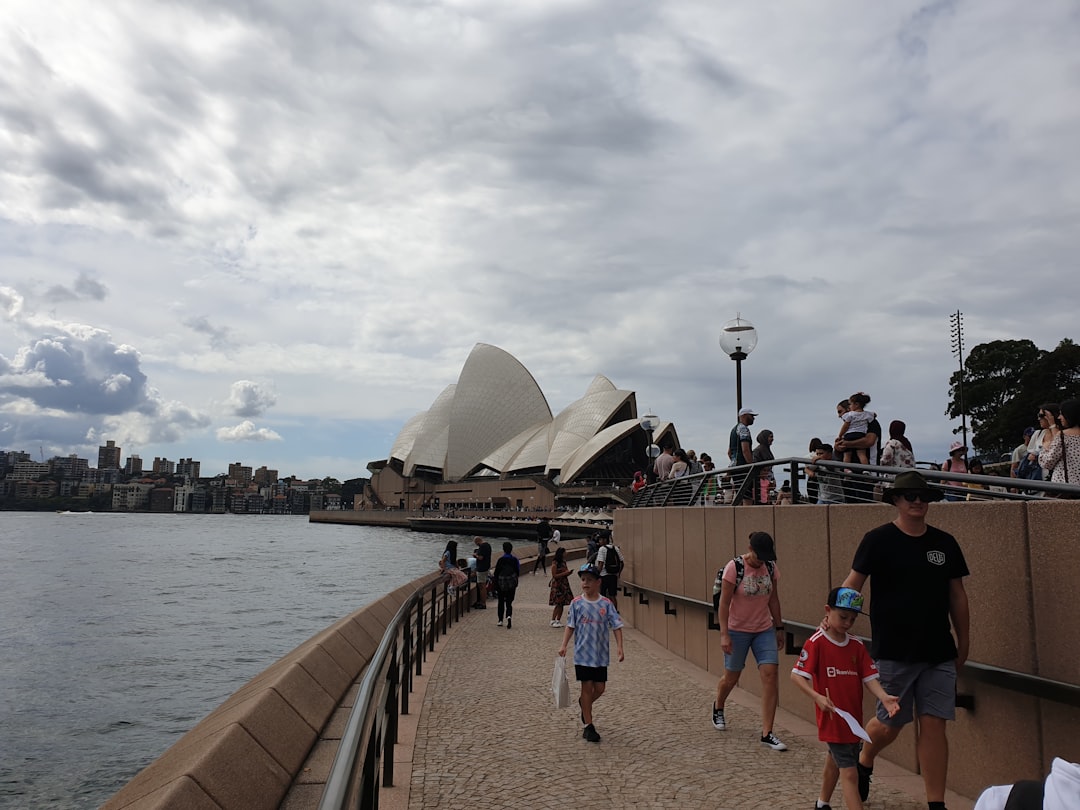
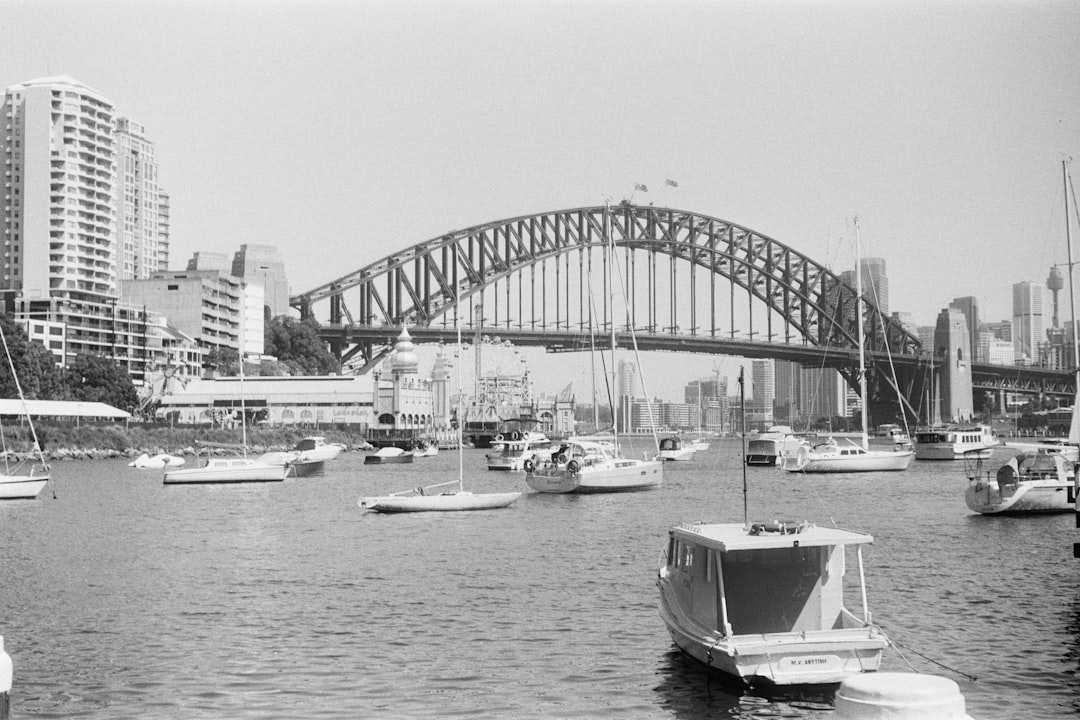
Nothing quite matches the moment Rose Bay flattens completely at 6.45am. The harbour becomes a mirror, reflecting the Harbour Bridge and Opera House with zero distortion. No boats, no wake, just you and Australia’s most recognisable icons floating beneath your feet. It’s the sort of experience that makes visitors understand why locals put up with Sydney’s eye-watering property prices.
The logistics: park on New South Head Road before 6.30am (parking fills fast), launch from the sandy beach near the sailing club, and head toward the bridge. Round trip takes 60–90 minutes depending on how often you stop for photos.
Hacking River — The Bush Escape
Fifteen minutes from Sutherland, and you could be in Kakadu. The Hacking River winds through Royal National Park, delivering the kind of nature immersion that feels worlds away from suburban Sydney. Launch from Kangaroo Point at high tide and paddle upstream toward Audley weir — the further you go, the wilder it gets. Sandstone cliffs tower overhead, and the only sounds are birds and your paddle slicing the water.
Gear Truths Nobody Tells You
Autumn paddleboarding presents a wardrobe dilemma that summer doesn’t. The air temperature at 6am might be 14°C, but by 10am it could hit 24°C. The water’s warm, but wind chill is real.
Here’s the local approach: wear a 3mm wetsuit vest or a long-sleeved rashie with boardies. This combo handles the early chill but won’t cook you when the sun properly rises. Bring a dry bag with a light jumper for post-paddle warmth — there’s nothing worse than shivering through your well-earned coffee.
Hiring vs Bringing
Don’t own a board? No problem. Quality hire operations exist near every waterway mentioned above. Expect to pay $40–60 for a half-day hire with paddle and life jacket included. The advantage of hiring locally? You’ll get current conditions intel from staff who actually paddle there, plus you won’t need to strap a 10-foot board to your small car.
Sunscreen Reality Check
Just because autumn feels milder doesn’t mean the sun’s gone soft. UV ratings of 6–8 are common through April, and water reflection amplifies exposure. Apply 30+ sunscreen 20 minutes before launching, and reapply after two hours. Your future self will thank you.
Reading the Autumn Water
Understanding conditions separates the paddlers who get skunked from those who score perfection every time.
Morning vs Afternoon
Mornings deliver offshore winds in autumn — air flows from the land toward the sea, creating clean, glassy conditions close to shore. By afternoon, the sea breeze kicks in (usually 1–3pm), generating chop and making the return paddle significantly harder. The rule is simple: always start into the wind, so you’ve got assistance for the tired paddle home.
Using BOM Marine Like a Local
The Bureau of Meteorology’s Marine section gives you real-time wind data from coastal stations. Check it the night before and again before leaving home. Look for winds under 10 knots for beginner-friendly conditions, under 15 knots for intermediates. Anything above 20 knots? Maybe save paddleboarding for another day and explore other outdoor water sports Australia options instead.
The Algal Bloom Wildcard
Rare but real: some lagoons (particularly Narrabeen after heavy rain) can experience algal blooms that make paddling unpleasant and potentially irritating to skin. Check local council websites for water quality reports before heading out, especially following significant rainfall events.
Beyond the Board — Making a Day of It
The best paddleboarding mornings don’t end when you hit dry land. Here’s how to extend the experience at each waterway:
- Brisbane Water: Hit Fishermen’s Wharf for fresh prawns and a view back across the water you just paddled. The bakery does a solid post-paddle pie.
- Narrabeen Lagoon: The cafe strip along Pittwater Road offers proper coffee and breakfast options. Weekend markets sometimes pop up near the boat ramp.
- Pittwater: The Newport Arms does a relaxed post-paddle lunch with water views. Book ahead on weekends.
- Rose Bay: Grab a coffee from the kiosk near the sailing club and sit on the beach watching the harbour come alive. It’s premium people-watching territory.
- Hacking River: Pack a picnic and eat it at Audley. The weir creates a beautiful swimming hole (check for current conditions first), and there are plenty of grassy spots to collapse after your paddle.
Combining Experiences
Why stop at paddleboarding? The beauty of Sydney’s water sports Australia scene is the variety on offer. Combine your morning paddle with an afternoon bushwalk (Royal National Park has world-class trails), a coastal stroll (the Spit to Manly track is a classic), or even a harbour kayak session at a different location. Active travellers can easily fill a week exploring different waterways without repeating the same experience twice.
Key Takeaways
- Timing is everything: Late March to mid-May delivers the most consistent conditions with warm water and minimal wind
- Match waterway to ability: Beginners thrive at Brisbane Water and Narrabeen, while Pittwater suits those seeking adventure
- Morning missions win: Offshore winds and glass conditions dominate before 9am
- Stay sun-safe: UV remains high through autumn — sunscreen isn’t optional
- Check conditions: Use BOM Marine and avoid Easter holidays for the best experience
The water’s still warm. The mornings are getting calmer. And those five waterways? They’re waiting. Check the Bureau of Meteorology forecast for this coming weekend, pick one spot that matches your confidence level, and set that alarm. The glass-off won’t wait forever — but this weekend might just deliver the best session of your year.
Frequently Asked Questions
Why is autumn considered the best season for paddleboarding in Sydney?
Autumn (March to May) delivers Sydney’s most consistent paddling conditions with 40% fewer crowds than summer. Water temperatures remain warm at 19–22°C, and the brutal summer nor’easterly winds fade dramatically. Mornings offer glass-off, mirror-flat conditions lasting until 9–11am. The golden window runs from late March through mid-May, with April delivering an average of 7.5 hours of sunshine daily. UV ratings remain high at 6–8, so sunscreen is still essential.
How do I choose the right Sydney waterway for my paddleboarding ability?
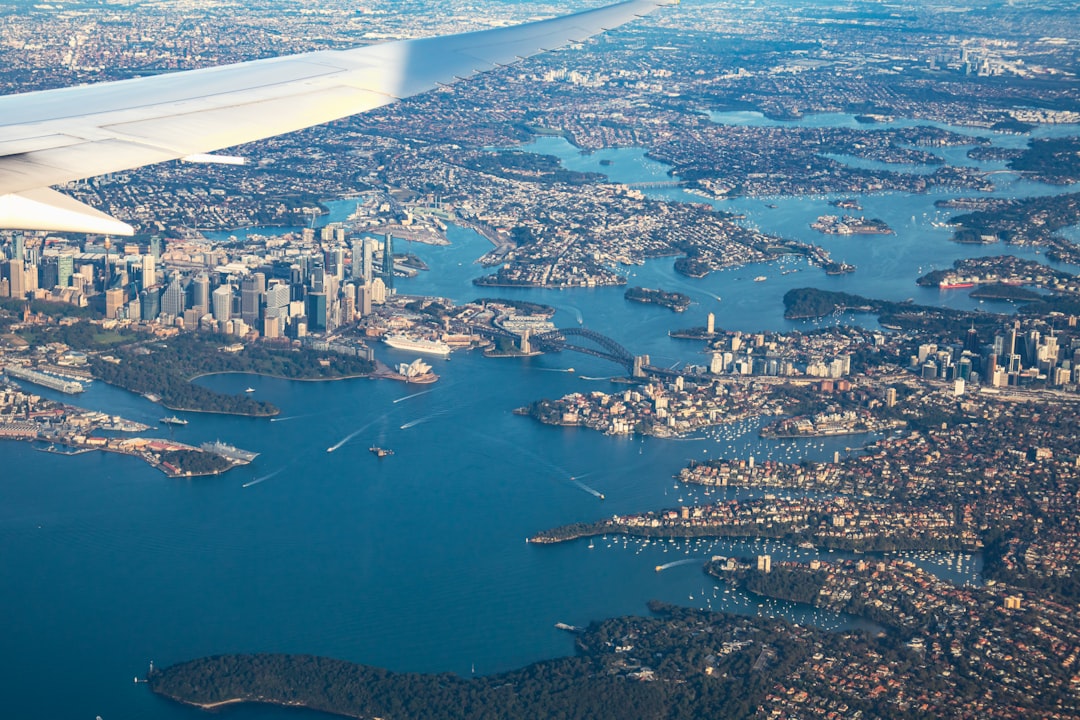
Match your skill level to the waterway: Brisbane Water at Woy Woy suits flat-water beginners with knee-deep channels and minimal boat traffic. Narrabeen Lagoon is ideal for families with its 2.1km circuit and waist-deep perimeter. Pittwater offers intermediate adventure with expanse and ferry traffic to navigate. Rose Bay delivers iconic harbour views for confident paddlers. Hacking River in Royal National Park provides nature immersion—launch from Kangaroo Point at high tide and paddle upstream to Audley weir.
When is the best time of day to go paddleboarding in autumn?
Mornings are optimal during autumn. Start before 9am to capitalise on offshore winds that create clean, glassy conditions close to shore. At Rose Bay, arrive before 6.30am for parking and launch by 6.45am to catch the harbour at its flattest. By afternoon (typically 1–3pm), the sea breeze generates chop, making paddling significantly harder. Always start into the wind so you have assistance for the tired paddle home.
What does paddleboard hire cost in Sydney and what gear do I need for autumn?
Expect to pay $40–60 for a half-day paddleboard hire, including paddle and life jacket. Quality hire operations exist near all major waterways mentioned. For autumn paddling, wear a 3mm wetsuit vest or long-sleeved rashie with boardies—this handles the 6am chill (around 14°C) without overheating when temperatures hit 24°C by 10am. Bring a dry bag with a light jumper for post-paddle warmth, and apply 30+ sunscreen 20 minutes before launching.


Be the First to Comment
Sign in to start the conversation.