
Did you know that over 1,200 species of fish call Sydney’s rocky reefs home, turning every snorkel into a live aquarium tour?
If you’ve ever stood on the edge of one of these iconic Australian coastal waters, you’ll understand why this statistic isn’t just a number—it’s an invitation. Sydney is one of the world’s most accessible urban marine ecosystems, offering a density of marine life that rivals destinations thousands of kilometres away. For outdoor enthusiasts, families, and adventure seekers alike, snorkeling in Greater Sydney is not merely a water activity for kids; it’s a gateway to one of the best water sports Australia has to offer, right on your doorstep.
Whether you are a seasoned diver looking for a relaxed dive or a beginner eager to splash about, understanding the unique rhythm of Sydney’s coast is key to unlocking these underwater treasures. This guide dives deep into regional highlights, seasonal timing, and the practicalities of gear, ensuring your next adventure is as safe as it is spectacular.
The “Blue Hour” Strategy: Timing and Seasonality
Most tourists flock to the beaches during peak summer, but they often miss out on the true magic of Sydney’s waters. To get the most out of your snorkeling experience, you need to work with nature, not against it. The secret lies in understanding the biological rhythms of the coast, particularly during the cooler months and early mornings.
Why Early Morning Beats Afternoon Crowds
Early morning “blue hour” dives offer superior visibility and calmer waters. By 9am, the wind often picks up, churning up sediment from the sandy bottoms and reducing visibility. However, by arriving at sunrise—especially on a Tuesday or Wednesday when crowds are non-existent—you might find the water glass-smooth.
> Pro Tip: Schedule your trips during the “shoulder seasons” of spring (October-November) and autumn (March-April). The water is warmer than winter, but the crowds are thinner, and visibility is at its peak.
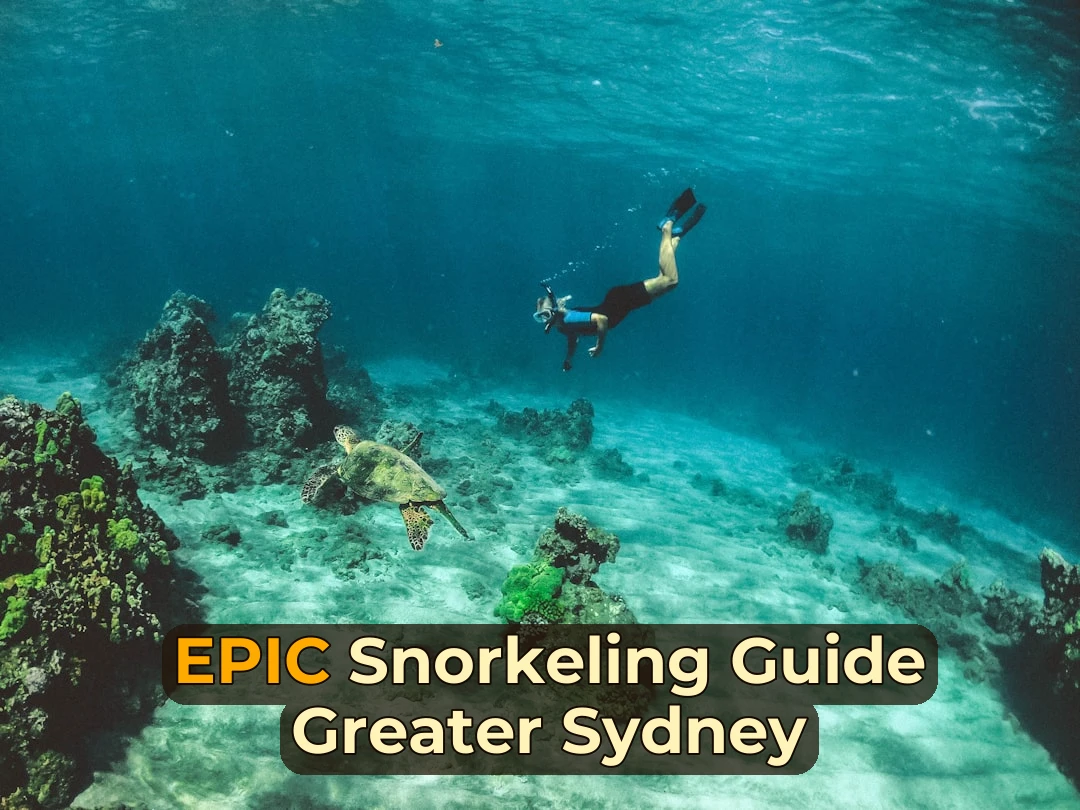
Consider this personal anecdote: A misty Tuesday morning at Shark Beach, Manly, the water was so still it felt like floating on air. The lack of boat traffic meant we had close encounters with sea turtles that were nowhere to be seen during crowded weekend afternoons. The silence beneath the surface was profound, allowing for a mindfulness experience that goes far beyond just seeing fish.
Spotlight on the Hidden Gems: Regional Highlights
While Bondi gets all the attention, Greater Sydney is dotted with snorkeling spots that cater to every skill level. Rather than sticking to the tourist traps, here are three distinct locations curated for their unique underwater landscapes and accessibility.
1. Manly’s Shark Beach (Beginner Friendly)
This sheltered bay is the perfect classroom for beginners. Protected by a breakwater, the currents are gentle, and the water is shallow enough to stand up if you feel uneasy.
* Entry Point: Walk past the lifeguard tower and head towards the rocks on the southern side.
* What to Expect: Small reef fish, nudibranchs, and occasionally a passing turtle.
2. Balmoral Island (Intermediate)
Located on the northern shore of the harbour, Balmoral Island offers vibrant coral walls that are surprisingly accessible from the rocky outcrops.
* Safety Note: Always check tide charts before entering here, as the channel between the island and the mainland can have strong currents during high tide.
* What to Expect: Diverse coral formations and larger schools of reef fish.
3. Clovelly’s Underwater Rock Formations (Advanced)
For those looking to escape the harbour, Clovelly offers a more rugged experience. The underwater topography here is complex, featuring deep crevices and caves that hide unique marine life.
* Boat Access Restrictions: There is no boat ramp here; this is a shore-entry only spot. Ensure you are comfortable with wave action and rocky entry points.
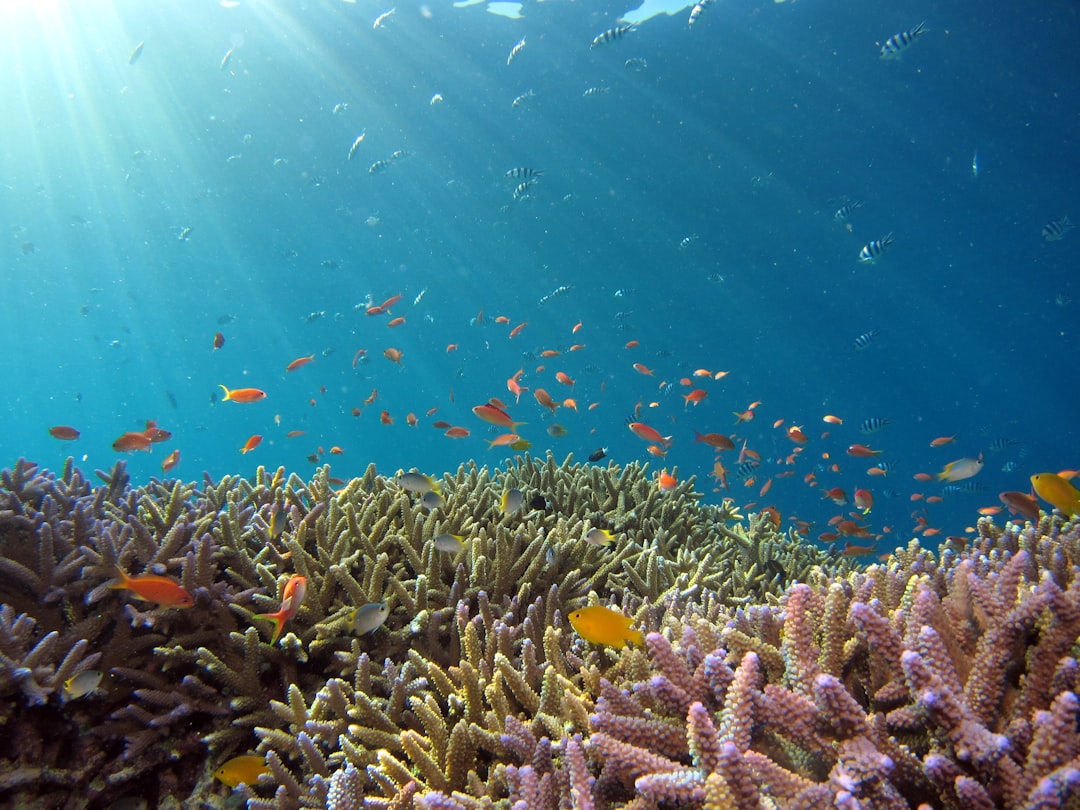
> Quick Fact: Sydney’s waters hold over 1,200 species of fish. You don’t need to travel overseas to see coral reefs; look closely at the rocky outcrops around Balmoral Island, and you’ll see vibrant soft corals thriving in the harbour’s cleaner waters.
The Gear Reality Check: Practical & Ethical Snorkeling
Let’s have an honest conversation about gear. Sydney waters can be chilly, even in summer. Many beginners make the mistake of thinking a swimsuit is enough, only to shiver through their entire trip.
Wetsuits: 3mm vs 5mm
For most of the year, a 3mm wetsuit is sufficient. However, during winter months (June-August), a 5mm suit or even a hooded vest becomes necessary to maintain body temperature. Being cold affects your buoyancy and enjoyment, so invest in the right thermal protection.
The Rental Trap
I once rented ill-fitting fins from a beachside shop in an attempt to save money. The fins were too large, causing blisters and making kicking inefficient. I nearly ruined my trip before it began.
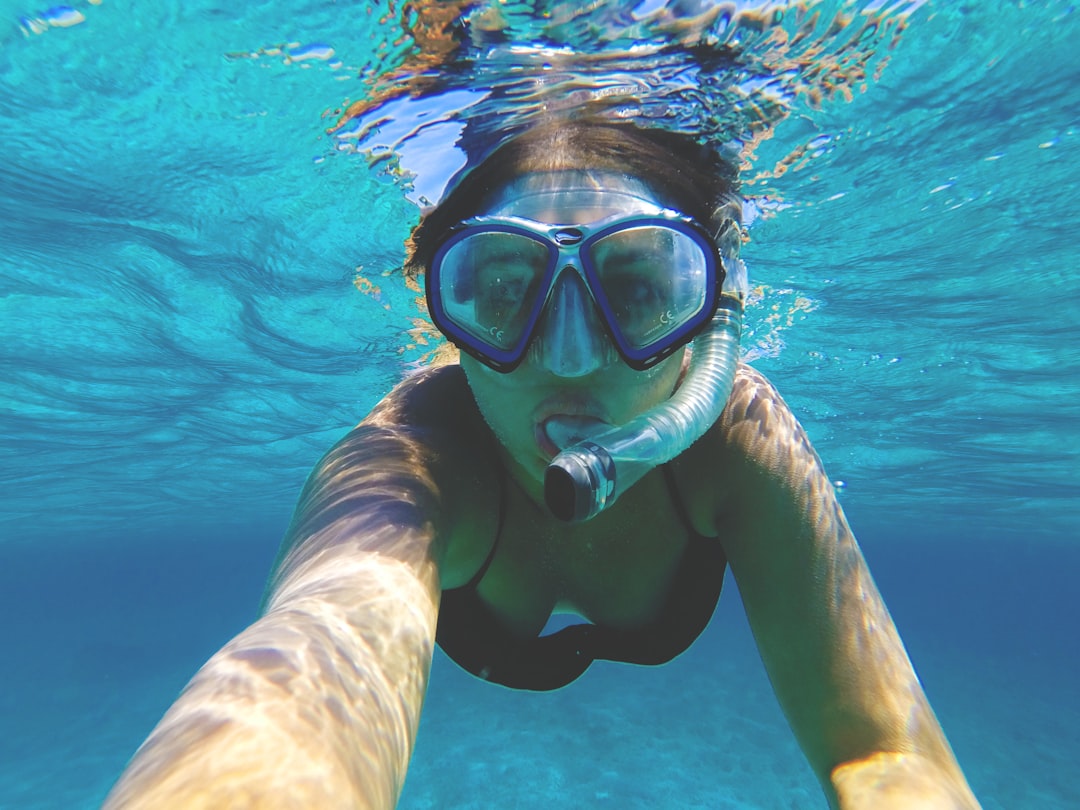
* Bring Your Own Mask: This is non-negotiable. Rental masks often leak because they don’t fit your face shape. A well-fitting mask is the difference between seeing a blurry mess and spotting a hidden octopus.
Ethical Snorkeling: Leave No Trace
As we enjoy these waters, we must protect them. Local marine experts emphasize that touching coral is harmful—not just because you might hurt the animal, but because of the chemicals in sunscreen.
* Biodegradable Sunscreen: Use reef-safe, biodegradable sunscreen to avoid washing harmful chemicals into the local ecosystem.
* No Touching Rule: Maintain a distance of at least one arm’s length from marine life. If you touch it, they might stress or release mucus to protect themselves.
Local Resident Insight: The Unexpected Discovery
The true reward of snorkeling isn’t checking off a list of species; it’s the patience to observe. I once spent 20 minutes hovering motionlessly over a rock face at Watsons Bay, ignoring the schools of fish darting by. Eventually, my eyes adjusted to the subtle movements against the kelp. Slowly, an octopus revealed itself, camouflaged perfectly against the barnacles.
> Local Marine Biologist Insight: “Sydney’s marine environment is resilient but sensitive,” says Dr. Elena Rossi, a local marine biologist who has studied the harbour for over 15 years. “The best snorkelers are those who move slowly and quietly. They respect the space of the creatures, and in return, they see things that rush-by tourists miss entirely.”
This story reinforces a vital lesson: mindful exploration yields better rewards than checklist tourism. By slowing down, you become part of the ecosystem rather than an intruder.
Family-Friendly Tips: Snorkeling with Kids
Taking kids snorkeling can be daunting, but with the right preparation, it’s one of the most memorable water activities for kids.
1. Safety First: Use bright-colored fins and snorkels. It’s easier to keep visual contact with children in the water when they are wearing neon gear.
2. Keep it Short: Kids have lower body temperatures and shorter attention spans. Limit sessions to 30-45 minutes.
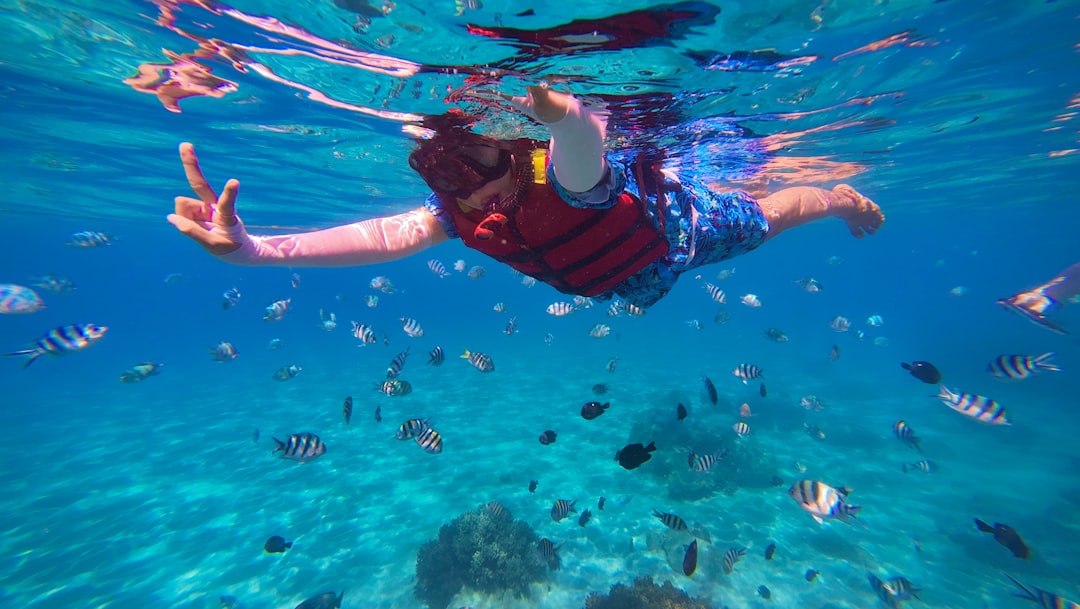
3. Supervision: Always maintain eye contact with children in the water. For beginners, consider using a snorkel vest for added buoyancy and confidence.
Shark Beach at Manly is particularly good for families because the water depth changes gradually, allowing children to practice swimming without fear of deep drop-offs.
Conclusion: Embrace the Unpredictability
Snorkeling in Greater Sydney is about more than just seeing fish; it’s about connecting with one of the most biodiverse urban coastal environments in the world. It requires patience, respect for the environment, and a willingness to embrace the unexpected.
So, pack your mask, choose your timing wisely, and head out early. Leave your expectations at the shore and let Sydney’s waters dictate the adventure. What will you see when you finally slip beneath the surface?
Frequently Asked Questions
What are the best times of year and day to snorkel in Sydney for optimal visibility?
To achieve the best visibility and calmest waters, plan your snorkeling trips during the shoulder seasons of spring (October-November) and autumn (March-April). Water temperatures are warmer than in winter, crowds are thinner, and visibility peaks during these months. For daily timing, aim for the early morning ‘blue hour’ at sunrise, particularly on weekdays like Tuesday or Wednesday when crowds are non-existent. By 9am, wind often picks up and churning sediment reduces visibility, so arriving early ensures glass-smooth water and superior marine life encounters.
Which Sydney locations are recommended for beginner, intermediate, and advanced snorkelers?
For beginners, Manly’s Shark Beach is ideal as a sheltered bay protected by a breakwater with gentle currents and shallow depths. Intermediate snorkelers should visit Balmoral Island on the northern harbour shore, which offers vibrant coral walls accessible from rocky outcrops, though you must check tide charts for strong currents. Advanced snorkelers can explore Clovelly’s underwater rock formations, featuring deep crevices and caves. Note that Clovelly is a shore-entry only spot with no boat ramp, requiring comfort with wave action and rocky entry points.
What specific gear is required for Sydney snorkeling to ensure comfort and safety?
Sydney waters can be chilly, so a 3mm wetsuit is sufficient for most of the year, but you will need a 5mm suit or hooded vest during winter (June-August) to maintain body temperature and buoyancy. Crucially, bring your own mask; rental masks often leak due to poor fit, whereas a well-fitting mask allows you to spot hidden marine life like octopuses. Additionally, use reef-safe, biodegradable sunscreen to avoid washing harmful chemicals into the ecosystem, and maintain an arm’s length distance from marine life to prevent stressing them.
What are the key safety and ethical guidelines for snorkeling with children in Sydney?
When snorkeling with kids, prioritize safety by using bright-colored fins and snorkels to maintain visual contact in the water. Limit sessions to 30-45 minutes, as children have lower body temperatures and shorter attention spans. Always maintain eye contact with children in the water, and consider using a snorkel vest for added buoyancy. Shark Beach at Manly is particularly suitable for families because the water depth changes gradually, allowing children to practice swimming without fear of deep drop-offs. Supervision is non-negotiable for a safe and enjoyable experience.


Be the First to Comment
Sign in to start the conversation.