
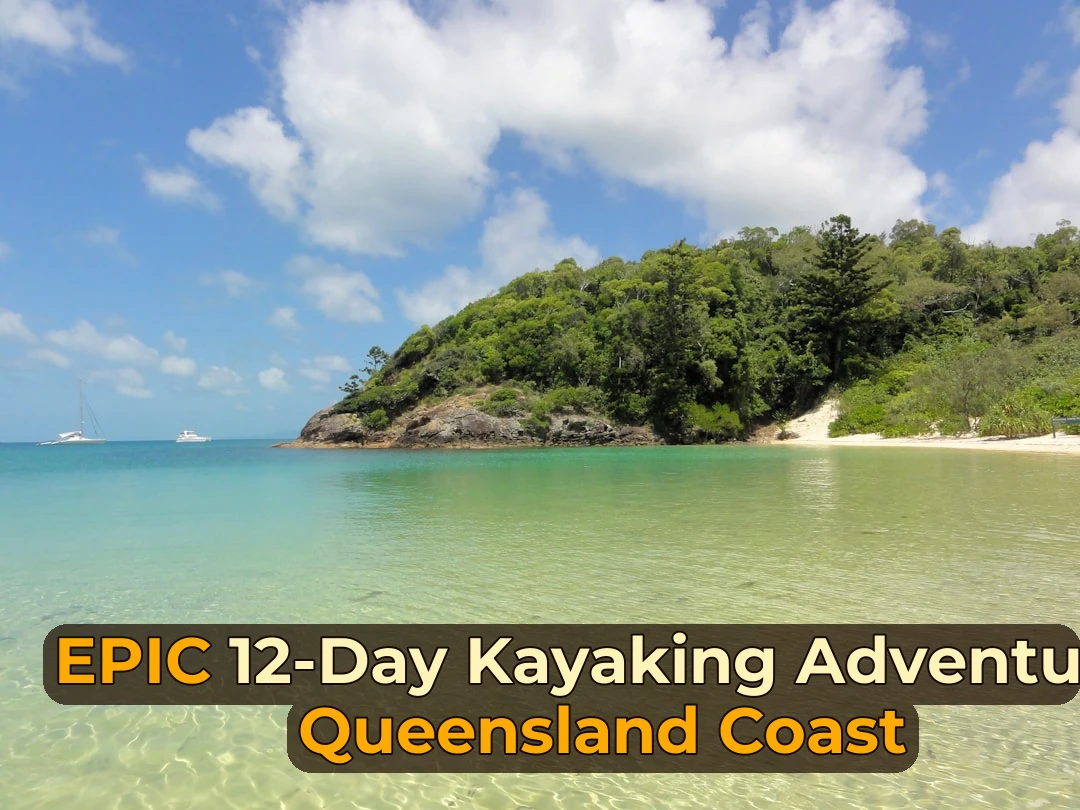
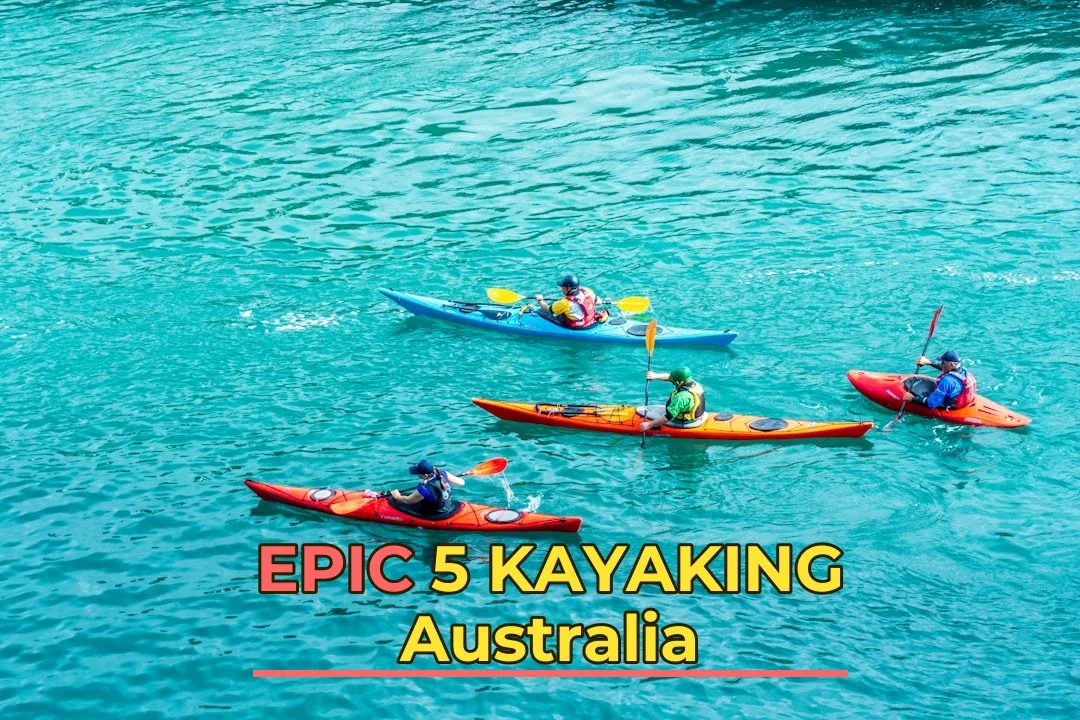
The sun spills like melted gold across the water as your kayak cuts through a mirror-flat lagoon, each stroke sending tiny ripples racing toward coral heads glowing turquoise in the shallows. A hush settles—just the soft lap of waves, the distant cry of a osprey, and the muffled thump of a dugong breathing nearby. You’re knee-deep in the Great Barrier Reef’s secret rhythm, far from tour boats and crowded snorkeling spots, where the water feels like liquid sapphire and the air tastes of salt and possibility. This isn’t just kayaking—it’s a quiet pilgrimage into one of Australia’s most sacred natural spaces, where every glide through calm channels feels like uncovering a hidden verse of the Earth’s oldest story.
The Reef’s Hidden Pulse: Where the Real Kayaking Happens
Forget the postcard views. The best kayaking in the Great Barrier Reef happens where the map ends and the real magic begins—off the beaten track, in places only locals know. Think the winding mangrove channels behind Green Island, where saltwater crocodiles are rare but sea turtles are regular visitors. Or the remote backwaters of Orpheus Island, where tides carve secret pathways through submerged coral heads and the only footprints are yours, your kayaking partner’s, and the occasional crab.
Top Hidden Spots & Timing
- Orpheus Island (Magnetic Island, QLD): Paddle the north-western channel at low tide (check tides via NOAA Tides or the free Reef Tide app). The water is shallow and calm—perfect for families or beginners. Expect to see dugongs at dawn in the seagrass meadows.
- Green Island’s South Channel: Accessible via a short boat transfer from Cairns, this route passes through a narrow mangrove tunnel. At 2km long, it’s ideal for half-day paddles. Bring a GoPro—it’s a fish camera’s dream.
- Whitsundays’ “Kids’ Cove” (Near Daydream Island): A hidden lagoon behind a volcanic rock formation. Shallow, sheltered, and teeming with juvenile parrotfish. Known locally as “Kids’ Cove” because kids can wade without danger. Not on official maps—but a family favourite.
“I’ve kayaked this route every Saturday for 12 years,” says marine biologist Dr. Elsie Tan, based in Cairns. “You learn to read the reef by the way the birds move—when terns dive in quick, it’s feeding time for reef fish. The tide shapes everything.”
Voice From the Shore: What Locals *Actually* Do (and Why)
Reality check: No one’s telling you “this is safe for beginners.” Locals don’t care about tour ratings. They care about survival, rhythm, and respect.
Real Stories, Real Wisdom
- Family Kayaking Ritual, Dunk Island to Sandbar: The Hughes family from Toowoomba kayak from Dunk Island’s east beach at low tide every January. “We go during the ‘quiet season’—after cyclone season, before the monsoon. The water is clear, the fish are active, and the kids know the sandbar by name. They call it ‘Our Spot’.”
- Marine Biologist’s Tides & Birds Guide: “Seabirds are your compass,” says Elsie. “If you see a brown booby diving in a line, you know reef fish are rising. If the terns are clustered, the tide is turning. I don’t use GPS. My birds are more reliable.”
- Emergency Reminder: “We don’t take inflatables to the outer reef in summer,” says Captain Ray, a local fisherman from Port Douglas. “The water moves. Fast. My sister lost her kayak in a squall. It deflated in 15 seconds. She was lucky—someone saw her and brought tea.”
When to Go, Where to Stop: The Seasonal Pulse of the Coast
Australia’s coastline doesn’t follow a calendar—it follows energy. The Great Barrier Reef breathes differently in each season.
Seasonal Guide (2026)
- November (Monsoon Haze): Water is muddy, visibility low. But solitude? Unmatched. Perfect for introspective kayaks with no crowds. Expect humidity and sudden squalls—always check the Bureau of Meteorology (BOM) forecast.
- March (Recovery Season): After cyclone season (2025 saw minimal damage to reefs, thanks to early warnings). The reef is “breathing again”—fish are active, corals are regenerating. Ideal for ecological observation.
- August (Crisp Brilliance): Peak clarity. Water so clear you can see your shadow on the seabed. Perfect for photography and shallow snorkelling from the kayak. Temperatures average 24°C—warm enough for a rash vest, not too hot for long paddles.
“Don’t kayak in January,” warns Elsie. “Yes, it’s warm. But after the rains, the currents near Cairns turn wild. I learned that the hard way—my paddle turned into a drift. I ended up 4km offshore.”
Packing for Real Life: The Unspoken Essentials
You don’t need a fancy kayak. You need the right gear—and the right mindset.
Must-Have Gear (Real List, Not Just “Sunscreen”)
- Kayak: Perception Carolina 12.0 – $999 AUD at BCF. Stable, seaworthy, and handles waves. Ideal for beginners and families.
- Reef-Safe Sunscreen: Dermaviduals Sunscreen SPF 50 – $55 AUD at Kathmandu. Contains zinc oxide, no oxybenzone. Warning: Reef-unsafe sunscreens can cause coral bleaching within hours. Use only reef-safe.
- Dry Bag Liner: Sea to Summit Air Core Dry Bag 30L – $89 AUD at Decathlon. The inner liner prevents water from soaking your map or phone. Without it, your gear is dead weight within an hour.
- Rash Vest: Even in summer. Icebreaker Cool-Lite 1/2 Zip – $140 AUD at Mountain Designs. Prevents sunburn, chafing, and jellyfish stings. 100% merino wool, breathable.
- Water Bottle: HydraPak 1L Soft Bottle – $39 AUD at Anaconda. Lightweight, collapsible, fits in kayak dry bags.
Pro Tip: The 10% Rule
“Never bring more than 10% of what you think you need,” says Ray. “I’ve seen people pack three water bottles, five snacks, and a tent. Then someone else has a spare water filter or two. Sharing is survival.”
“I’ve seen a kid cry because they forgot the spare sunscreen,” says Elsie. “They got sunburned in 20 minutes. That’s why we teach the 10% Rule: trust the community.”
Key Takeaways
- Paddle at low tide in mangrove channels—never high tide.
- Use only reef-safe sunscreen (e.g., Dermaviduals SPF 50).
- Always check BOM forecasts before heading out—especially in January and November.
- Go with locals: they know the tides, the fish, and the hidden coves.
- Bring a dry bag liner—soggy maps ruin trips.
Closing Approach
You don’t need a perfect paddle, a fancy paddle, or even a perfect day. You just need to show up—quiet, curious, and willing to let the reef teach you what it needs from you. The real reward isn’t the photo of you floating above coral, but the memory of that moment when the waves hushed and you realized: you weren’t just *seeing* the Great Barrier Reef. You were part of it. And that, more than any guidebook or checklist, is what makes every paddle worth it.
So pack your reef-safe sunscreen, your dry bag, and your quiet heart. The water’s waiting.
Frequently Asked Questions
What are the best hidden kayaking spots on the Queensland Coast near the Great Barrier Reef?
Top hidden kayaking spots include the north-western channel of Orpheus Island (near Magnetic Island), accessible at low tide and ideal for beginners; Green Island’s South Channel, a 2km mangrove tunnel perfect for half-day paddles; and the secluded “Kids’ Cove” lagoon near Daydream Island, sheltered by volcanic rocks and safe for children. These locations offer calm waters, rich marine life, and untouched beauty away from tourist crowds.
When is the best time to go kayaking on the Great Barrier Reef in Queensland?
The best time for kayaking is August, when water clarity is at its peak with temperatures averaging 24°C—perfect for photography and shallow snorkelling. March is ideal for observing reef recovery after cyclone season, while November offers solitude despite murky water. Avoid January due to strong post-rain currents near Cairns, as warned by marine biologist Dr. Elsie Tan.
How do I prepare my gear for a safe and successful kayaking trip in the Great Barrier Reef?
Essential gear includes a stable kayak like the Perception Carolina 12.0 ($999 AUD), reef-safe sunscreen (e.g., Dermaviduals SPF 50, $55 AUD), a dry bag with an inner liner (Sea to Summit 30L, $89 AUD), a rash vest (Icebreaker Cool-Lite, $140 AUD), and a collapsible water bottle (HydraPak 1L, $39 AUD). Use only reef-safe products to protect coral and pack only 10% of what you think you need to avoid overburdening yourself.
Why is reef-safe sunscreen important for kayaking in the Great Barrier Reef?
Reef-safe sunscreen is critical because non-reef-safe products containing oxybenzone can cause coral bleaching within hours. Using reef-safe alternatives like Dermaviduals SPF 50 ($55 AUD) helps preserve marine ecosystems. The article explicitly warns against unsafe sunscreens, emphasizing that even brief exposure harms coral, especially in sensitive areas like mangrove channels and shallow lagoons.
Be the First to Comment
Sign in to start the conversation.