
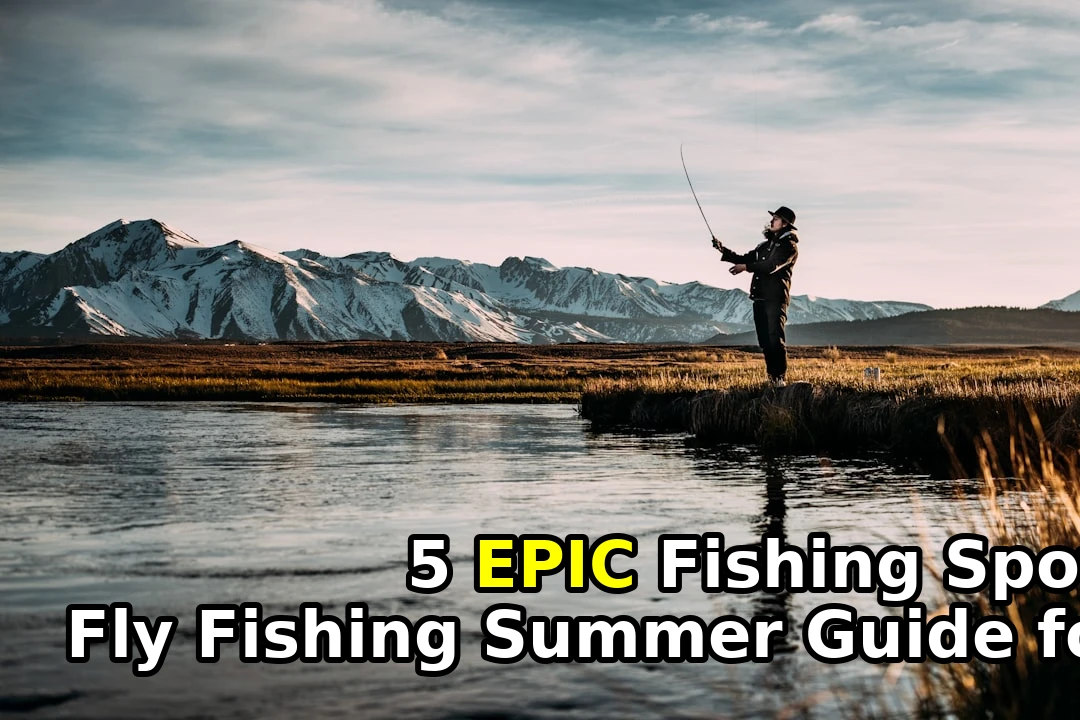
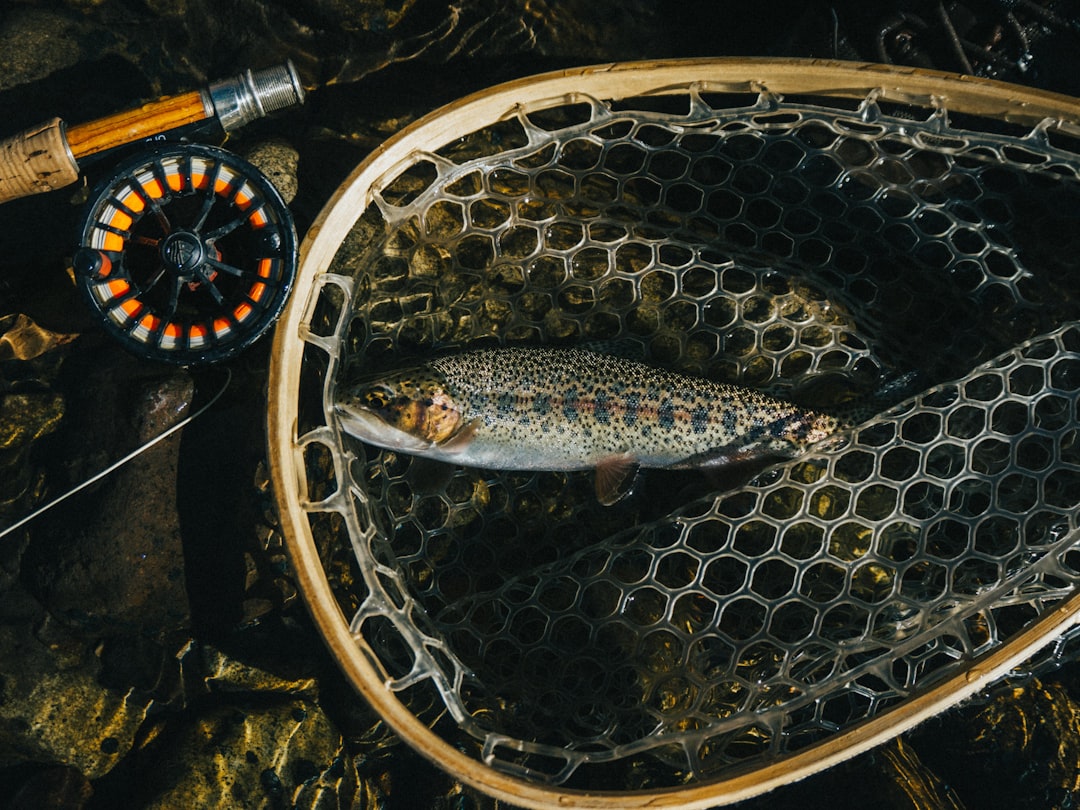
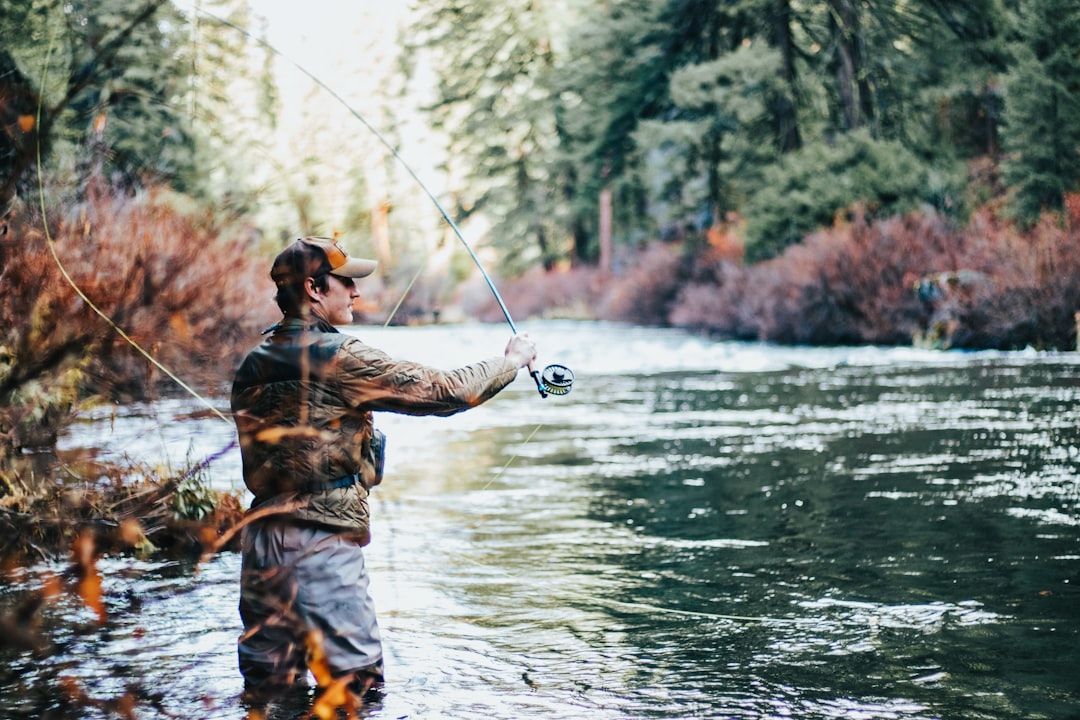
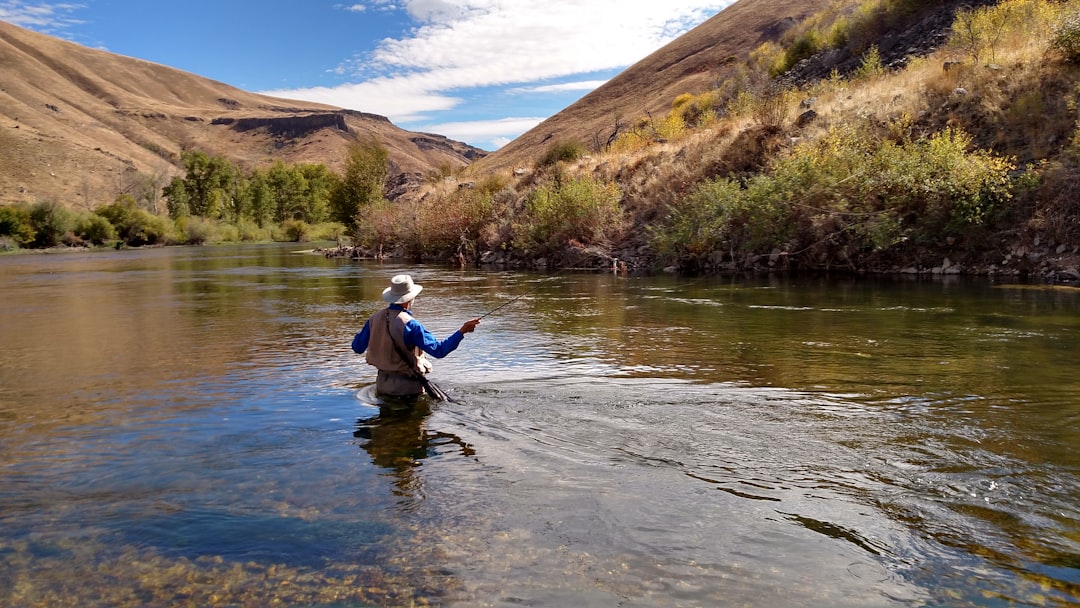
The sharp, electric “hiss” of a fly line cutting through the humid air breaks the morning silence, followed by the soft splash of a foam dry landing in the gin-clear water. Around you, the scent of sun-baked eucalyptus mingles with the earthy smell of silt and damp mud, creating that unmistakable Australian summer aroma. Somewhere high in the river red gum, a cicada buzzes violently before clattering through the leaves and hitting the water with a distinct ‘plop’. It is in this split second—the intersection of sound, smell, and movement—that the water beneath your fly erupts, reminding you why fishing in Australia is as visceral as it is beautiful.
The “Beat the Heat” Strategy
Fishing in the Australian summer isn’t about endurance; it’s about strategy. The sun here doesn’t just warm the water; it dictates the mood of the fish. While many casual anglers might cast a line at midday, the seasoned angler knows that the “siesta” rule is absolute. When the mercury climbs, trout retreat to the depths or under cut banks to conserve energy. However, this seasonal shift brings its own unique opportunities, most notably the legendary Cicada hatch.
Timing the Feed
To succeed, you need to flip your clock. The golden hours are crucial, but understanding the specific summer triggers is what separates a quiet day from a red-letter one.
- Dawn Patrol: Be on the water before the sun hits the water. The surface is calm, and the fish are cruising the shallows looking for a breakfast.
- The Cicada Trigger: On hot, windy days, clumsy cicadas drop from the trees into the water. This is the loudest dinner bell in the Australian bush. If the trees are screaming with noise, tie on a dry fly.
- Evening Rise: As the light fades and the air cools, aquatic insects hatch, bringing fish back to the surface with a vengeance.
“Summer in Australia is a game of contrasts—scorching hot air, freezing cold water, and fish that turn aggressive when the terrestrials start hitting the surface.”
The “Where to Wet a Line” Circuit
Australia offers a diverse range of fly fishing experiences, but summer requires specific locations that handle the heat while offering quality fishing. We aren’t just looking at a map; we are looking at the type of water experience you want.
The Tasmanian Highland Lakes
For the sight-fishing enthusiast, Tasmania is the holy grail. The Central Highlands offer vast, shallow lagoons where you can spot cruising trout from hundreds of metres away. However, be prepared for a sensory shock. The landscape is open alpine moorland, baking under the summer sun, but the water is often fed by glacial melt.
The NSW Monaro Grasslands
Head to the streams of the Monaro and Snowy Mountains for a technical challenge. These rivers wind through sun-drenched grasslands, offering clear water and spooky fish. Here, accuracy is more important than distance. You need to land your fly softly within inches of the undercut banks where the browns hide from the sun.
The “Cobber’s Code”
There are unwritten rules on the water Down Under, and ignoring them is a sure way to have a bad day—or worse, annoy the locals. The “Cobber’s Code” isn’t just about etiquette; it’s about the specific hacks that make Australian fly fishing unique.
Gear Up for the Glare
The Australian sun is harsher than you might be used to, and the glare off the water is blinding.
The Foam Beetle Obsession
If you look in a local fly box, you won’t just find mayflies and midges. You will see foam beetles and ant patterns. In an Australian summer, the land-based insects are the primary food source. If you aren’t sure what to use, a size 12 or 14 foam beetle in black or red is almost always a safe bet.
Key Moments on the Water
The Cicada Incident
I remember standing knee-deep in a Victorian stream a few years ago, stubbornly casting a heavy nymph under a strike indicator. It was 2:00 PM, the sun was relentless, and I hadn’t touched a fish in hours. Above me, the trees were vibrating with the deafening roar of cicadas. A local angler, a bloke named Dave, waded past me and tied on a big, ugly foam cicada pattern. He laughed at my nymph and said, “Mate, they’re deaf up there.” On his third cast, a solid brown trout launched itself out of the water to smash that foam fly. I had been fishing the wrong menu entirely.
The Snowy Morning Contrast
Fishing in the Snowy Mountains during February is an exercise in sensory contradiction. You are standing in a river that feels like it’s just come out of an icebox, numbing your legs within seconds, yet your neck and shoulders are sunburnt by the intense UV. It creates a unique sensation of shivering while sweating—a reminder that the Australian landscape demands your full physical attention.
The “When It Goes Wrong” Reality Check
We need to have an honest chat about the risks. Australian summers are volatile. The glorious sunshine that makes the fishing great can turn into a dangerous situation rapidly.
- Bushfire Risk: Access roads to remote rivers can close without notice due to fires. Always have a bushfire plan and check the local emergency app before heading out.
- Water Quality: As water levels drop, algae blooms can appear in lakes and slow-moving rivers. If the water looks green or scummy, or if there is a musty smell, avoid fishing it entirely.
- Storms: Summer afternoon storms are common in the mountains and can bring flash flooding. If the sky turns dark and purple, pack up and get to higher ground immediately.
Key Takeaways
- Fish early morning and late evening to avoid the midday heat.
- Match the hatch by using terrestrial patterns like cicadas and beetles during summer.
- Wear polarized sunglasses to handle the intense Australian glare.
- Always check access rules and bushfire conditions before your trip.
The After-Hours Culture
The day doesn’t end when the reel is reeled in. The best part of a summer trip is the after-hours. Find a quiet campsite or head to the local pub in a town like Jindabyne or Bronte Park. There is nothing quite like a cold drink, the smell of a barbecue sizzling nearby, and the sound of a campfire crackling as you replay the day’s cast with mates. It’s in these moments that the anticipation for the next morning starts to build. So, when you get home tonight, grab a hook and some thread and tie your first fly. That simple act of preparation is the first step of the adventure.



Be the First to Comment
Sign in to start the conversation.